What Oven Temp to Season Cast Iron
Seasoning cast iron correctly is essential for maintaining its longevity and non-stick properties. The ideal oven temperature for seasoning cast iron is typically 450°F (230°C), but variations exist depending on the method and manufacturer guidelines. Proper preparation, even heat distribution, and repeating the process 3-5 times ensure a durable seasoning layer.
Key Takeaways
- Why Temperature Matters: Seasoning at 450°F (230°C) balances polymerization without burning the oil.
- Preparation is Key: Clean and dry your cast iron thoroughly before applying a thin oil layer.
- Oven Preheating: Always preheat the oven fully before placing cast iron inside.
- Ventilation Matters: Use the top oven rack for airflow and to minimize smoke during seasoning.
- Multiple Coats: Repeat the oil application and baking process 3-5 times for a strong seasoning layer.
- Avoid Common Mistakes: Over-oiling, skipping preheating, or using incorrect oils can ruin your seasoning.
📑 Table of Contents
Why Seasoning Cast Iron is Non-Negotiable
Cast iron cookware is prized for its durability, heat retention, and versatility. However, its longevity depends heavily on proper seasoning. Seasoning isn’t just about making your skillet “look nice”—it’s a critical process that protects the metal from rust, prevents food from sticking, and enhances flavor over time.
Seasoning involves applying a layer of oil to the surface and heating it to create a polymerized coating. This coating acts as a non-stick barrier while preserving the pan’s integrity. But here’s the catch: the oven temperature plays a starring role. Too low, and the oil won’t bond properly; too high, and it may burn, leaving a sticky residue.
Understanding the ideal oven temperature for seasoning ensures your cast iron lasts generations. Whether you’re reviving an old skillet or breaking in a new one, mastering this step is the first step toward culinary success.
What Oven Temperature Should You Use?
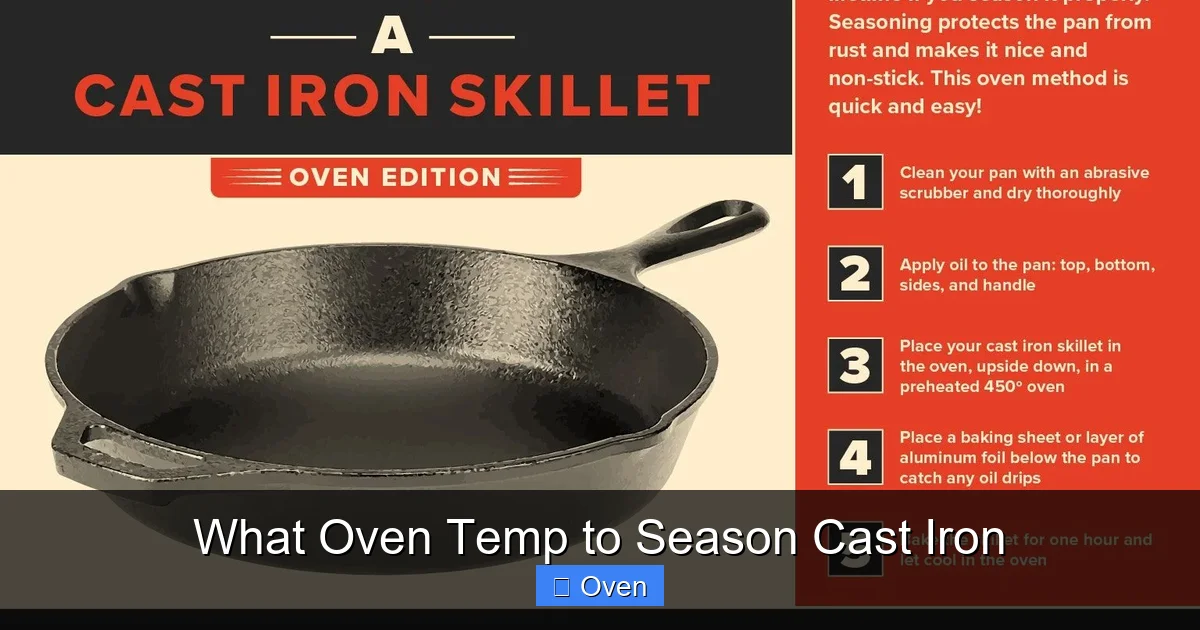
Most experts agree that the optimal oven temperature for seasoning cast iron is 450°F (230°C). This temperature allows the oil to smoke slightly, promoting polymerization without scorching. However, some recipes or manufacturers recommend slightly lower temperatures, such as 425°F (220°C), especially for delicate oils like flaxseed.
Visual guide about What Oven Temp to Season Cast Iron
Image source: cdn.homecrux.com
For example, if you’re using vegetable oil, which has a higher smoke point, 450°F works perfectly. But for oils prone to oxidation (like linseed), a lower temperature might be safer. Always check the oil’s smoke point before proceeding.
Cooking times also vary. Typically, you’ll bake the cast iron for 45–60 minutes, then turn off the oven and let it cool inside. Repeat this process 3–5 times for a robust seasoning layer.
Why 450°F is the Gold Standard
Here’s why 450°F stands out:
- Encourages even oil distribution across the pan’s surface.
- Minimizes the risk of oil pooling in crevices.
- Aligns with the smoke points of common seasoning oils like vegetable, canola, and grapeseed oils.
Step-by-Step Guide to Seasoning Cast Iron
Follow these steps to season your cast iron like a pro:
Visual guide about What Oven Temp to Season Cast Iron
Image source: i.pinimg.com
- Clean Thoroughly: Scrub the cast iron with hot water and a stiff brush. Avoid soap, as it can strip the seasoning.
- Dry Completely: Pat the pan dry with a clean towel. Moisture is the enemy of seasoning.
- Apply Oil Liberally: Use a paper towel to spread a thin layer of oil over the entire surface, including the exterior and interior.
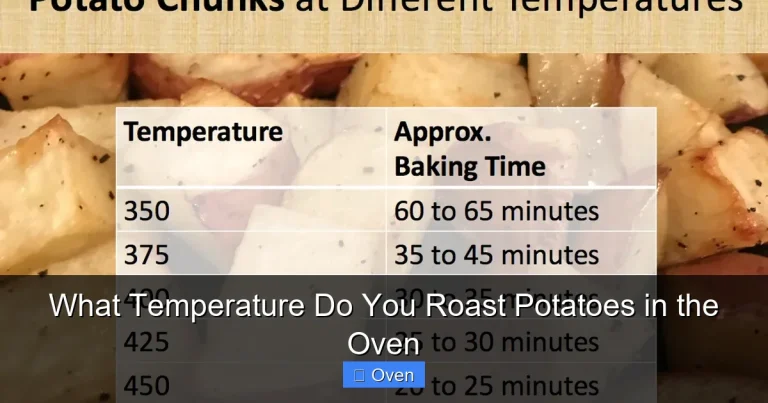
- Preheat the Oven: Set the oven to 450°F and place a rack in the top third of the oven.
- Bake for 45–60 Minutes: Place the cast iron upside down on the rack. This allows oil to drip off and create a smooth surface.
- Cool Slowly: Turn off the oven and let the pan cool inside for an hour. Rapid cooling can cause warping.
- Repeat: Apply oil again and bake. Do this 3–5 times for a durable coating.
Pro Tip: Use a flaxseed oil seasoning method at 500°F for a glass-like finish, but this requires more expertise.
Choosing the Right Oil
Not all oils are created equal when it comes to seasoning. Here’s a quick guide:
- Vegetable Oil: Affordable and widely available, ideal for most seasoning tasks.
- Canola Oil: Neutral flavor and high smoke point, perfect for beginners.
- Flaxseed Oil: Creates a hard, durable coating but requires precise temperature control.
- Linseed Oil: Used historically for its durability, but has a strong odor and requires ventilation.
Common Mistakes to Avoid
Even seasoned cooks can fall into these traps:
Visual guide about What Oven Temp to Season Cast Iron
Image source: i.pinimg.com
- Over-Oiling: Too much oil leads to a sticky, gummy residue. Use just enough to coat the surface lightly.
- Skipping the Top Rack: Placing the pan on the bottom rack traps oil drips and causes uneven seasoning.
- Using the Wrong Oil: Olive oil or avocado oil, while great for cooking, have low smoke points and burn easily.
- Rushing the Cooling Process: Letting the pan cool in the oven prevents thermal shock and cracking.
Troubleshooting a Sticky Seasoning
If your seasoning feels tacky after cooling, don’t panic. Simply:
- Scrub the pan with hot water and salt.
- Dry it thoroughly and reapply oil.
- Bake at a lower temperature (350°F) for 30 minutes to re-polymerize the oil.
How to Maintain Your Seasoned Cast Iron
Once your cast iron is seasoned, follow these tips to keep it in top shape:
- Clean with Care: Use warm water and a brush. Avoid soaking or harsh detergents.
- Dry Immediately: Wipe the pan with a towel after washing to prevent rust.
- Store Properly: Keep the pan in a dry place. Place paper towels between stacked pans to absorb moisture.
- Re-Season Periodically: If food starts sticking, repeat the seasoning process.
Why Maintenance Matters
Proper care extends your cast iron’s lifespan and ensures it performs well for decades. A well-seasoned pan develops a natural non-stick surface that improves with use, making it a kitchen heirloom in the making.
When to Season Your Cast Iron
Seasoning isn’t a one-time task. Here’s when to renew your pan’s coating:
- After Cleaning: If you’ve stripped the seasoning with soap or steel wool, re-season the pan.
- Before Storage: If the pan will sit unused for months, apply a light oil coating to prevent rust.
- After Cooking Acidic Foods: Tomato sauce or citrus can strip the seasoning over time. Re-oil as needed.
How Often Should You Season?
Aim to season your cast iron every few months or as needed based on usage. Frequent cooks might need to re-season every 6 months, while occasional users can wait a year or two.
FAQs About Seasoning Cast Iron
What is the best oil to season cast iron?
Vegetable oil, canola oil, or grapeseed oil are excellent choices due to their high smoke points and affordability. Flaxseed oil works well for advanced seasoning techniques.
Can I season cast iron on the stovetop?
While possible, oven seasoning is preferred because it provides even heat distribution. Stovetop seasoning risks uneven coating and smoke buildup.
How long does the seasoning process take?
Each seasoning cycle takes about 1.5–2 hours, including baking and cooling time. Repeat 3–5 times for optimal results.
Why did my cast iron pan start rusting after seasoning?
Rust occurs if moisture remains on the pan after washing. Always dry it thoroughly and apply a thin oil layer before storage.
Can I use olive oil to season cast iron?
No, olive oil has a low smoke point and will burn during seasoning, leaving a sticky residue. Stick to oils like vegetable or canola oil.
Is it safe to eat food cooked in a seasoned cast iron pan?
Absolutely! The seasoning is food-safe and develops a non-toxic, non-stick surface over time. It even adds a subtle flavor to dishes.
Conclusion: Perfecting Your Cast Iron Seasoning
Seasoning cast iron is a rewarding process that transforms your cookware into a lasting kitchen companion. By using the right oven temperature, oil, and technique, you’ll enjoy a pan that’s rust-resistant, non-stick, and ready for any recipe. Remember, patience is key—take the time to season properly, and your cast iron will reward you with years of delicious meals.
Frequently Asked Questions
What is What Oven Temp To Season Cast Iron?
What Oven Temp To Season Cast Iron is an important topic with many practical applications.