What Temperature Do You Roast Potatoes in the Oven
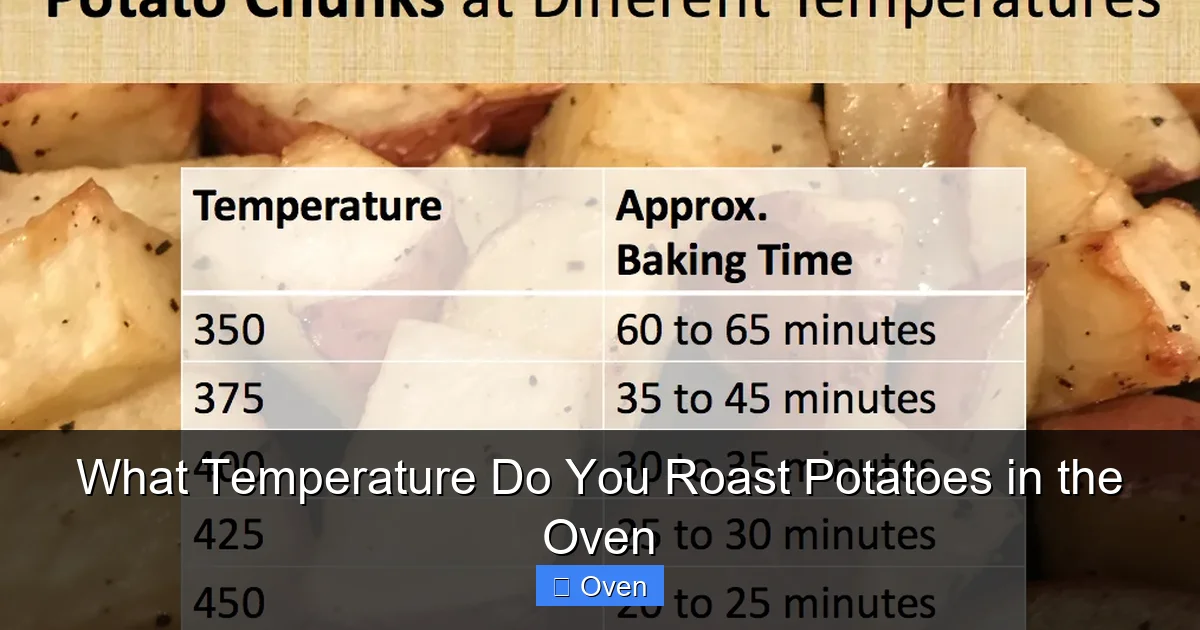
Roasting potatoes in the oven requires the right temperature to achieve perfect crispiness without burning. The optimal range is typically between 180°F and 220°F, depending on potato type and desired texture.
Key Takeaways
- Optimal temperature range: 180°F to 220°F ensures crispy skin and fluffy interiors.
- Oil is essential: Tossing potatoes in oil promotes even browning and crispiness.
- Preheat the oven: A cold oven can lead to steaming instead of roasting.
- High-heat oven modes: Convection or broiler settings can enhance results.
- Potato variety matters: Russets and Yukon Golds yield different textures at varying temps.
- Resting time: Letting potatoes sit after roasting improves texture retention.
📑 Table of Contents
Why Temperature Matters When Roasting Potatoes in the Oven
Roasting potatoes in the oven isn’t just about throwing them in and hoping for the best. The temperature you choose directly impacts texture, flavor, and overall success. If the oven is too hot, potatoes may burn on the outside while staying raw inside. Too cool, and they’ll steam rather than crisp. Understanding what temperature do you roast potatoes in the oven is the first step to mastering this skill.
The Science of Maillard Reaction
At the heart of perfect roasted potatoes is the Maillard reaction—a chemical process that occurs when proteins and sugars in the potatoes react to high heat. This reaction creates the golden-brown crust and complex flavors we crave. For this to happen, the surface temperature of the potatoes needs to reach at least 300°F. However, the oven itself doesn’t need to be that hot. Instead, it should be set to a temperature that allows the potatoes to gradually reach this threshold as they roast.
Avoiding Sticky or Burnt Potatoes
Sticky potatoes often result from uneven cooking or insufficient oil. Burnt spots usually mean the oven temperature was too high for too long. The key is consistency. By maintaining a steady temperature and ensuring even heat distribution, you can achieve a balance between crispy exteriors and tender interiors.
Factors That Affect Roasting Temperature
Several variables influence the ideal temperature for roasting potatoes. These include the type of potato, oil used, oven type, and even the size of the potato chunks. Let’s break down each factor to help you tailor your approach.
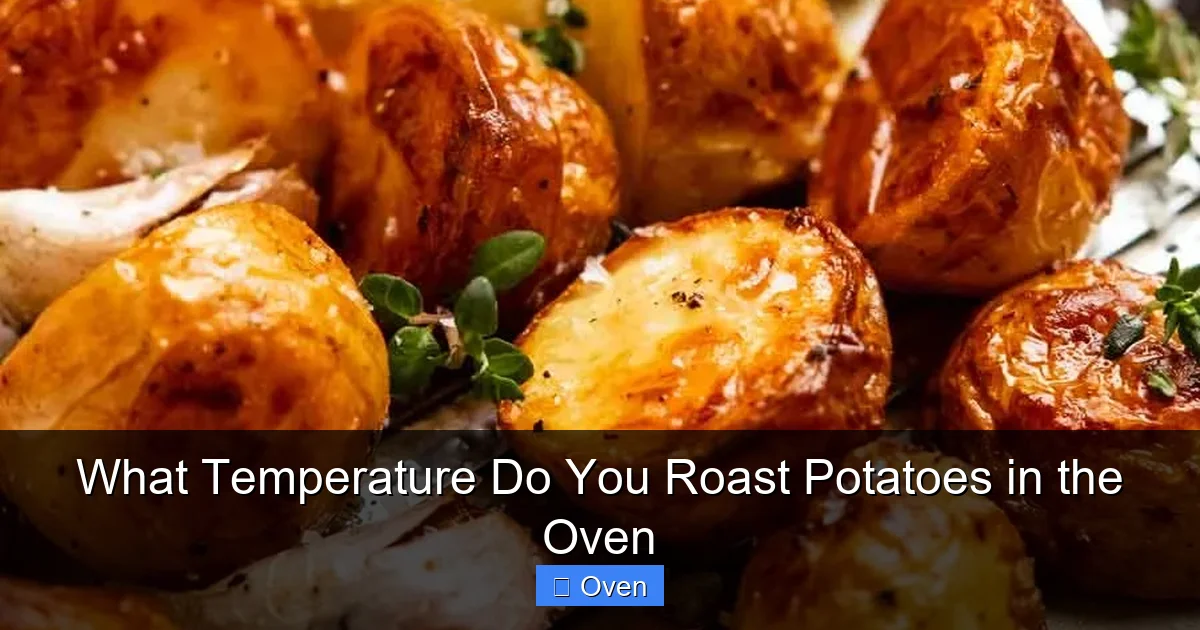
Visual guide about What Temperature Do You Roast Potatoes in the Oven
Image source: recipetineats.com
Potato Varieties and Their Needs
Not all potatoes are created equal. Russet potatoes, with their high starch content, require lower temperatures (around 180°F to 200°F) to prevent them from becoming gummy. Waxy potatoes like Yukon Golds or red potatoes, which hold their shape better, thrive at slightly higher temps (200°F to 220°F). Choosing the right temperature based on your potato type is crucial for texture.
Oil Type and Quantity
Oil is your best friend when roasting potatoes. It helps conduct heat evenly and promotes browning. Olive oil, avocado oil, or even melted butter work well. A general rule is to use enough oil to coat the potatoes lightly—about 1-2 tablespoons per pound. The type of oil can also affect the final flavor and crispiness. For example, avocado oil has a higher smoke point, making it ideal for higher-temperature roasting.
Oven Type and Preheating
Convection ovens circulate hot air, allowing for more even cooking at lower temperatures. If you have a convection oven, you might reduce the temperature by 25°F compared to a conventional oven. Preheating is non-negotiable. A cold oven can cause potatoes to absorb moisture, leading to steaming instead of roasting. Always preheat your oven to the desired temperature before adding the potatoes.
Step-by-Step Guide to Roasting Potatoes in the Oven
Now that we’ve covered the science and variables, let’s walk through a practical guide to roasting potatoes. This method works for both whole potatoes and cut pieces, depending on your preference.
Preparing the Potatoes
Start by washing and drying the potatoes thoroughly. For cut potatoes, slice them into even pieces—about 1/2-inch thick. Uniformity ensures even cooking. Pat them dry with a towel to remove excess moisture. Toss the potatoes in oil and your choice of seasonings (salt, pepper, herbs, etc.). This step is where flavor gets locked in.
Choosing the Right Baking Sheet
Use a large baking sheet or roasting pan to avoid overcrowding. Overcrowding traps steam, which can make potatoes soggy. If you’re short on space, roast in batches. Line the sheet with parchment paper for easy cleanup and to prevent sticking.
Setting the Temperature and Timing
For most recipes, 200°F to 220°F is a safe starting point. Roast for 25-40 minutes, flipping halfway through. Check for doneness by piercing a potato with a fork. The interior should be tender, and the exterior should be crisp. If using larger chunks or whole potatoes, you may need to extend the time.
Using Convection for Crispier Results
If your oven has a convection setting, enable it. The circulating air removes moisture from the surface, enhancing crispiness. However, monitor closely to avoid over-browning. Convection ovens can cook food faster, so adjust the time accordingly.
Tips for Crispy, Flavorful Roasted Potatoes
Even with the right temperature, a few extra tips can elevate your roasted potatoes from good to great. These tricks are especially useful if you’re aiming for restaurant-quality results at home.
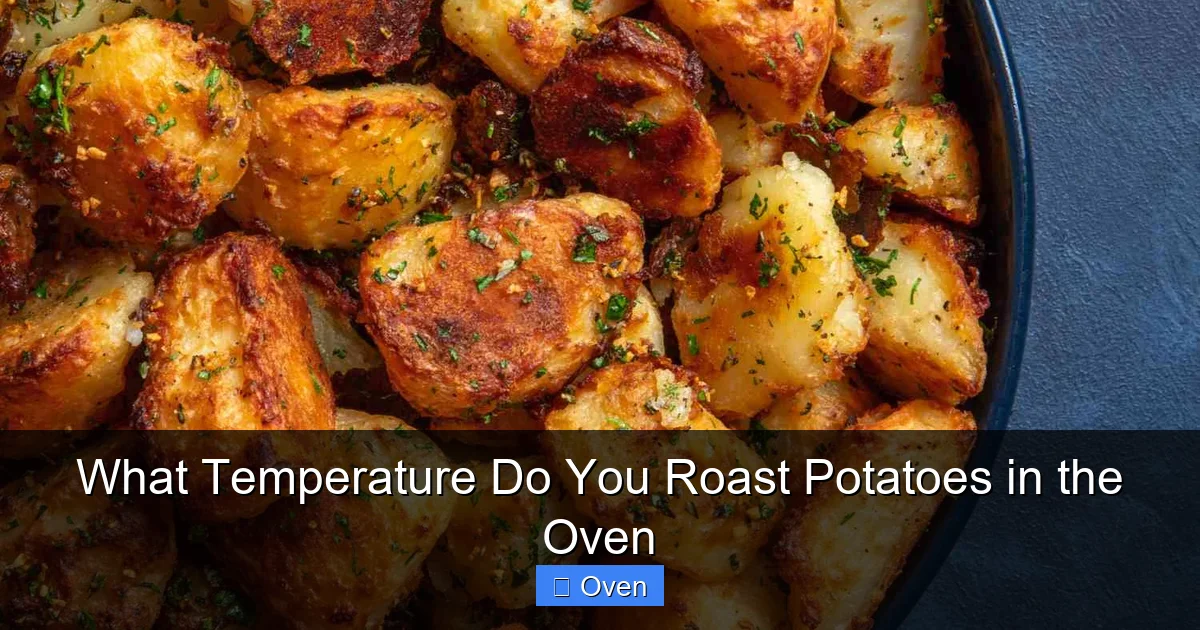
Visual guide about What Temperature Do You Roast Potatoes in the Oven
Image source: seriouseats.com
Double-Boiling for Extra Crispiness
Some chefs recommend parboiling potatoes before roasting. This involves boiling them for 10-15 minutes, then cooling them in ice water. Parboiling removes surface starch, which helps achieve a crispier texture when roasted. While not necessary, it’s a pro tip worth trying if you’re struggling with sogginess.
Basting with Oil or Broth
During the roasting process, consider basting the potatoes with additional oil or broth. This adds moisture and flavor while promoting even browning. Use a spoon to drizzle the liquid over the potatoes every 10-15 minutes.
Letting Them Rest
After roasting, let the potatoes sit for 5-10 minutes before serving. This allows the juices to redistribute, enhancing flavor and texture. It also gives the exterior time to cool slightly, making them easier to handle.
Experimenting with Seasonings
Don’t limit yourself to salt and pepper. Try rosemary, thyme, garlic powder, or even paprika for a smoky flavor. Sprinkle the seasonings before roasting so they adhere to the hot surface and caramelize.
Common Mistakes to Avoid When Roasting Potatoes
Even experienced cooks can make errors when roasting potatoes. Being aware of these pitfalls can save you from disappointing results.
Using Too Low a Temperature
Some people think lower temps are safer, but this can lead to undercooked centers. Stick to the recommended range and adjust
Frequently Asked Questions
What is What Temperature Do You Roast Potatoes In The Oven?
What Temperature Do You Roast Potatoes In The Oven is an important topic with many practical applications.