What Temp Do I Cook Ribs in the Oven
Cooking ribs in the oven is easier than you think when you know the right temperature and timing. The ideal temp ranges from 225°F to 350°F depending on your preferred method and the type of ribs you’re using. With proper preparation and temperature control, you can achieve restaurant-quality ribs right in your own kitchen.
Key Takeaways
- Temperature Range: The ideal oven temperature for ribs is between 225°F and 350°F, with 250°F being the sweet spot for most recipes.
- Type Matters: Baby back ribs and St. Louis style ribs require different cooking times and temperatures for best results.
- Low and Slow Wins: Cooking ribs at lower temperatures for longer periods produces more tender, flavorful meat.
- Preparation is Key: Remove the membrane and apply rub or marinade before cooking for maximum flavor penetration.
- Thermometer Essential: Use a meat thermometer to ensure ribs reach safe internal temperature of 145°F minimum.
- Finishing Touch: Apply sauce during the last 15-30 minutes of cooking to prevent burning and maintain texture.
- Rest Before Serving: Let cooked ribs rest for 10-15 minutes before serving to allow juices to redistribute.
📑 Table of Contents
Understanding Different Types of Ribs
When it comes to cooking ribs in the oven, not all ribs are created equal. The type of ribs you choose will significantly impact your cooking approach, including temperature and timing. Let’s break down the most common types you’ll encounter at your local butcher or grocery store.
Baby Back Ribs vs. Spare Ribs
Baby back ribs are the most popular choice for home cooks. These ribs come from the top portion of the pig’s rib cage and are shorter and more curved than spare ribs. They typically measure about 6-8 inches in length and contain more meat between the bones. Due to their leaner composition, baby back ribs cook faster and benefit from slightly higher temperatures.
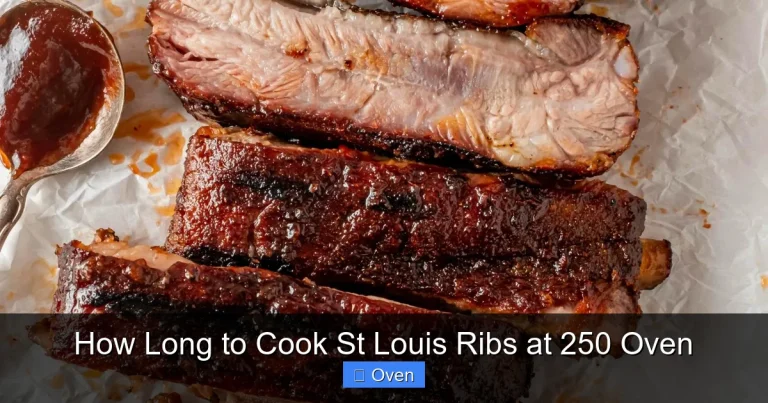
Spare ribs, on the other hand, come from the lower portion of the rib cage. They’re longer, flatter, and contain more connective tissue and fat. This means they require longer cooking times at lower temperatures to break down properly. Spare ribs are often trimmed into St. Louis style, which removes the rib tips and provides a uniform shape perfect for even cooking.
Beef Ribs Considerations
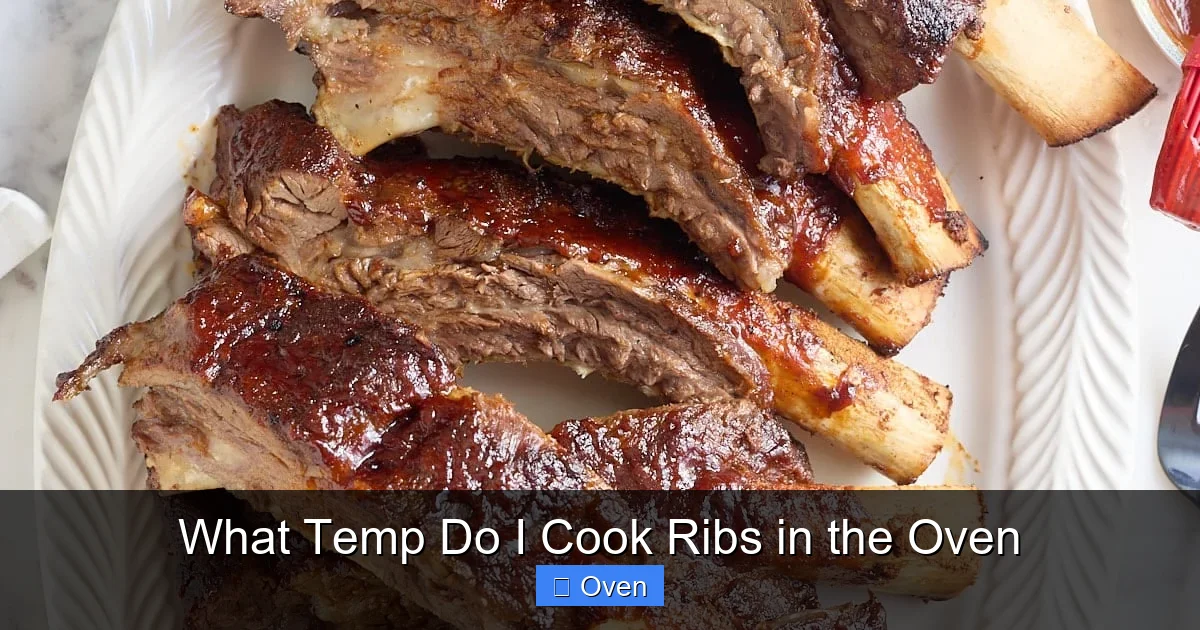
Beef ribs are another option that requires different treatment altogether. They’re much larger and meatier than pork ribs but also contain tougher connective tissue. Beef ribs benefit from the lowest cooking temperatures and longest times to achieve that perfect tender texture. If you’re working with beef chuck ribs or plate ribs, you’ll want to plan for extended cooking sessions around 225°F to 250°F.
The Perfect Temperature for Cooking Ribs
Now we get to the heart of the matter: what temp do I cook ribs in the oven? The answer isn’t one-size-fits-all, but there are definitely optimal ranges that produce consistent, delicious results.
Low and Slow Method (225°F – 250°F)
The gold standard for oven rib cooking is the low and slow approach. At 225°F to 250°F, ribs cook gently over 2-4 hours, allowing collagen to break down gradually. This method produces incredibly tender meat that practically falls off the bone. Many pitmasters swear by 225°F as the ultimate temperature for developing deep, complex flavors without drying out the meat.
For baby back ribs using this method, plan on 2.5-3 hours at 250°F. Spare ribs will need closer to 3.5-4 hours at the same temperature. The key here is patience – rushing this process by increasing temperature will only result in tough, dry ribs.
Moderate Temperature Method (275°F – 300°F)
If you’re short on time but still want great results, 275°F to 300°F offers a good compromise. This temperature range reduces cooking time while maintaining moisture and tenderness. Baby back ribs cook in about 2 hours at 275°F, while spare ribs need approximately 2.5-3 hours.
This method works well for weeknight dinners when you want ribs but don’t have all day to babysit them. You’ll still get tender results, just in less time. Many home cooks find this temperature range more convenient for their busy schedules.
Higher Temperature Method (325°F – 350°F)
For those who want even faster results, 325°F to 350°F can work, though it requires careful attention. At these temperatures, ribs cook in 1.5-2 hours for baby backs and 2-2.5 hours for spareribs. However, the risk of overcooking increases significantly.
The higher heat can cause the exterior to dry out before the interior reaches optimal tenderness. If you choose this method, make sure to baste frequently and monitor closely. It’s best reserved for experienced cooks who understand their oven’s quirks and timing.
How Long to Cook Ribs at Different Temperatures
Timing is everything when cooking ribs in the oven. Even with the perfect temperature, incorrect timing can ruin an otherwise excellent meal. Here’s how long to cook ribs based on your chosen temperature and rib type.
Time Guidelines for Baby Back Ribs
Baby back ribs are more forgiving due to their leaner nature and smaller size. At 225°F, expect about 3-4 hours of cooking time. Increase to 250°F and reduce time to 2.5-3 hours. At 275°F, they’ll be done in roughly 2 hours, and at 300°F or higher, expect 1.5-2 hours.
Remember that these times are approximate and can vary based on your specific oven, the thickness of the ribs, and whether they’re baby back or St. Louis style. Always rely on visual cues and texture rather than strict timing.
Time Guidelines for Spare Ribs
Spare ribs require more time due to their higher fat content and tougher connective tissue. At the low and slow temperature of 225°F, plan for 4-5 hours. Moving to 250°F reduces this to 3.5-4 hours. At 275°F, they’ll be ready in 2.5-3 hours, and at 300°F, expect 2-2.5 hours.
The extended cooking time allows the connective tissues to break down properly, resulting in that coveted fall-off-the-bone texture that makes spare ribs so irresistible.
Preparing Your Ribs Before Cooking
Proper preparation is just as important as temperature and timing. Taking the time to prep your ribs correctly will make a world of difference in the final result.
Removing the Membrane
The first step in rib preparation is removing the tough membrane on the bone side. This membrane prevents rub and smoke from penetrating the meat and can make your ribs chewy rather than tender. Use a butter knife to lift one corner of the membrane, then grab it with a paper towel and pull it off in one piece. It might take some practice, but it’s worth the effort.
Applying Rub and Seasoning
Once the membrane is removed, apply your favorite dry rub generously to both sides of the ribs. A good rub typically contains brown sugar, paprika, salt, pepper, and various spices. Let the seasoned ribs sit for at least 30 minutes, or refrigerate overnight for maximum flavor penetration. Some cooks prefer to marinate their ribs in liquid-based marinades, which can help tenderize the meat further.
Wrapping Technique
Many pitmasters recommend wrapping ribs in foil during part of the cooking process. This technique, often called the “Texas crutch,” helps retain moisture and speeds up cooking slightly. Wrap the seasoned ribs tightly in aluminum foil after the first hour of cooking, then continue cooking until done. Remove from foil for the final 30 minutes if you want to add sauce or achieve a better bark.
Monitoring Doneness and Internal Temperature
Knowing when your ribs are done is crucial for achieving the perfect texture. There are several ways to check doneness beyond just timing.
Visual Indicators
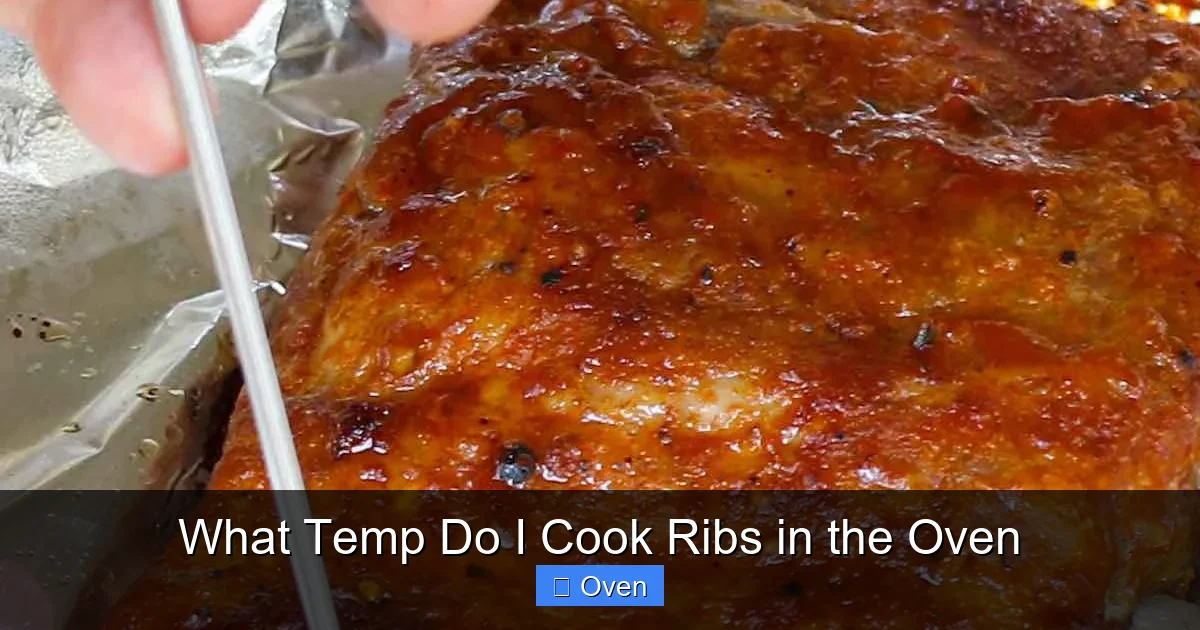
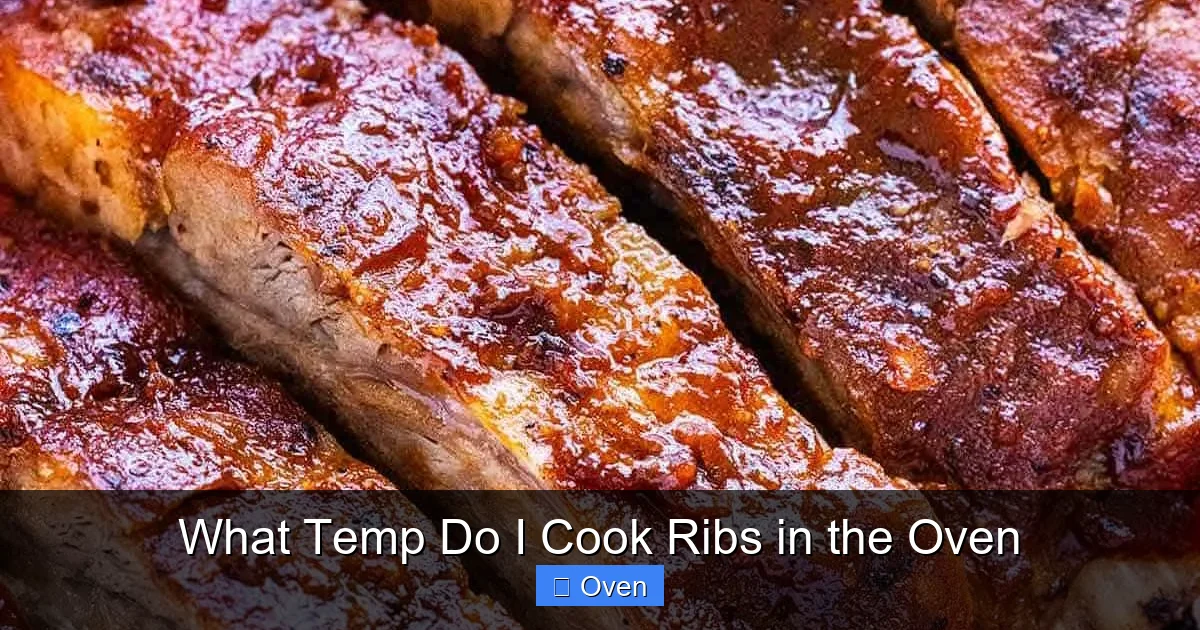
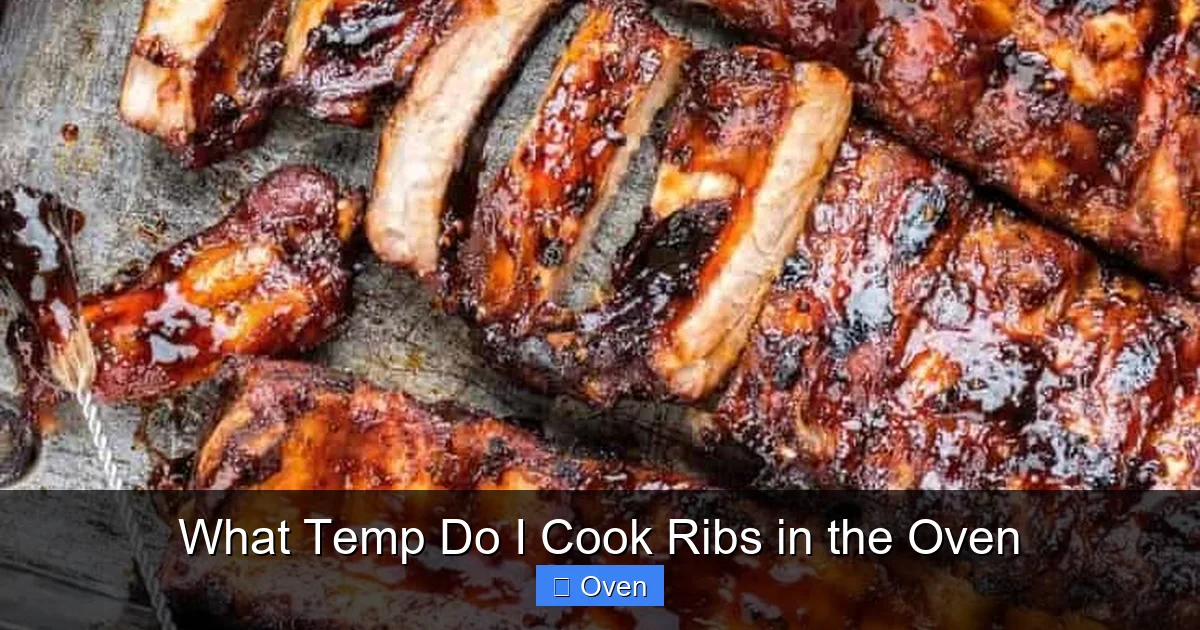
Well-cooked ribs will have a beautiful, caramelized appearance. The meat should have pulled back slightly from the ends of the bones, creating that classic “finger test” look. When you bend the rack, it should crack slightly but not fall apart completely. The color should be deep and rich, not pale or overly dark.
Texture Tests
The bend test is one of the most reliable ways to check rib doneness. Pick up the rack with tongs and bend it slightly. If the meat cracks and the bones show through easily, your ribs are ready. Another method is the toothpick test – insert a toothpick between the bones. If it slides in and out with little resistance, the ribs are done.
Safe Internal Temperature
While texture and appearance are important indicators, food safety matters too. Pork ribs should reach an internal temperature of at least 145°F, though many prefer them closer to 160°F for optimal tenderness. Use a meat thermometer inserted between the bones for accurate readings. Remember that carryover cooking will continue after removing from the oven, so you can pull them slightly early.
Finishing Techniques and Serving Tips
The final steps in cooking ribs can make or break your dish. These techniques will help you achieve professional-quality results.
Saucing Strategy
Adding barbecue sauce is a matter of personal preference, but timing is crucial. Apply sauce during the last 15-30 minutes of cooking to prevent burning. Sugar in most barbecue sauces caramelizes quickly at high temperatures, which can lead to bitter, charred flavors. If you love saucy ribs, consider applying a thin layer early and building up during the final stages.
Resting Period
Just like a good steak, ribs benefit from a resting period before serving. Let them rest for 10-15 minutes after cooking to allow juices to redistribute throughout the meat. This step ensures every bite is moist and flavorful rather than dry and stringy. Tent loosely with foil to keep warm during this period.
Slicing and Serving
When it’s time to serve, use a sharp knife to cut between the bones. Cutting against the grain helps maintain the meat’s integrity and makes for cleaner slices. Serve with additional sauce on the side for those who want extra flavor. Classic sides like coleslaw, baked beans, and cornbread complement ribs beautifully and complete the meal.
Troubleshooting Common Issues
Even experienced cooks sometimes run into problems when cooking ribs in the oven. Here are solutions to the most common issues.
Dry or Tough Ribs
If your ribs turn out dry or tough, you likely cooked them at too high a temperature for too long. Next time, try reducing the temperature by 25°F and extending the cooking time. You can also try the foil-wrapping technique to retain more moisture. Basting with apple juice or broth during cooking can add extra moisture.
Undercooked Ribs
Undercooked ribs will be chewy and difficult to bite through. This usually happens when cooking time is insufficient or temperature is too low. Increase your cooking time by 30 minutes to an hour, or raise the temperature slightly. Remember that carryover cooking continues after removal from the oven, so factor that into your timing.
Excessive Smoke or Burning
Sometimes ribs can develop bitter, charred flavors. This often occurs when sauce is applied too early or when cooking at temperatures above 350°F. Stick to lower temperatures and apply sauce only during the final portion of cooking. If you notice burning, reduce temperature and add moisture through basting or foil wrapping.
Whether you’re cooking baby back ribs at 250°F for 2.5 hours or spare ribs low and slow at 225°F for 4 hours, the key to success lies in understanding your ingredients and trusting the process. With practice and attention to detail, you’ll soon be creating oven-cooked ribs that rival any barbecue joint.
Visual guide about What Temp Do I Cook Ribs in the Oven
Image source: jessicagavin.com
Visual guide about What Temp Do I Cook Ribs in the Oven
Image source: halfscratched.com
Visual guide about What Temp Do I Cook Ribs in the Oven
Image source: myforkinglife.com
Frequently Asked Questions
What temperature should I use for baby back ribs in the oven?
Baby back ribs cook best at 250°F for 2.5-3 hours using the low and slow method. For quicker results, you can increase to 275°F and reduce cooking time to about 2 hours. Always monitor for doneness rather than relying solely on timing.
Should I wrap ribs in foil when cooking them in the oven?
Wrapping ribs in foil during cooking, known as the “Texas crutch,” helps retain moisture and can speed up the cooking process slightly. Wrap after the first hour of cooking and remove during the final 30 minutes if you want to add sauce or achieve better browning.
How do I know when oven-cooked ribs are done?
Test ribs by bending the rack – if the meat cracks and pulls back from the bones easily, they’re done. You can also use a toothpick inserted between bones; it should slide in with little resistance. Internal temperature should reach at least 145°F for safe consumption.
Can I cook ribs at 350°F in the oven?
While possible, cooking ribs at 350°F requires careful attention to prevent drying out. Reduce cooking time significantly and monitor closely. Baby back ribs may only need 1.5-2 hours, while spare ribs might take 2-2.5 hours. Consider this method only if time is limited.
Do I need to apply barbecue sauce before cooking ribs?
Apply barbecue sauce only during the final 15-30 minutes of cooking to prevent burning. The sugar in most sauces caramelizes quickly at high heat, leading to bitter flavors. Serve additional sauce on the side for those who prefer extra sauciness.
What’s the difference between cooking St. Louis ribs and baby back ribs?
St. Louis style ribs are trimmed spare ribs that cook more evenly but require longer cooking times due to higher fat content. They benefit from lower temperatures around 225°F-250°F for 3.5-4 hours. Baby back ribs cook faster at slightly higher temperatures and have leaner meat.