What Temperature to Cook Pot Roast in the Oven
Make your pot roast a show‑stopper by mastering the right oven temperature. This guide walks you through the science behind low‑heat slow cooking, how to pick the ideal temperature, and practical hacks to keep the meat juicy and flavorful. Whether you’re a novice or a seasoned home chef, you’ll find clear, actionable steps to transform a simple cut of beef into a comforting masterpiece.
Key Takeaways
- Temperature Range: 250°F to 325°F is the sweet spot for most pot roasts.
- Cooking Time: Roughly 3–4 hours per pound at 300°F.
- Thermometer Use: Aim for 190°F–205°F internal temp for fall‑apart tenderness.
- Resting Matters: Let the roast rest 15–20 minutes to redistribute juices.
- Prep Tips: Sear first, use a heavy pot, and add liquid for moisture.
- Flavor Boost: Layer aromatics, herbs, and a splash of wine or broth.
- Safety Check: Keep the oven rack at least 2 inches from the heating element.
📑 Table of Contents
- Why Temperature Is the Secret Ingredient for a Perfect Pot Roast
- The Science of Slow Cooking in the Oven
- Choosing the Right Oven Temperature
- Step‑by‑Step Guide to Cooking Pot Roast at the Right Temperature
- Common Mistakes and How to Avoid Them
- Tips for Extra Flavor and Texture
- Pairing Pot Roast with Side Dishes
- Conclusion
Why Temperature Is the Secret Ingredient for a Perfect Pot Roast
When you think about a pot roast, the first thing that probably comes to mind is the slow, comforting aroma that fills the kitchen. But behind that aroma lies a delicate balance of heat and time. The oven temperature controls how the collagen in the meat breaks down, how the moisture stays trapped, and ultimately whether your roast comes out tender or dry. Understanding the science of temperature helps you make informed choices—whether you’re aiming for a quick weeknight dinner or a weekend feast.
In this article, we’ll dive deep into the best oven temperatures, explain the timing for different cuts, and share practical hacks to keep your pot roast juicy and flavorful.
The Science of Slow Cooking in the Oven
Collagen Breakdown and Meat Tenderness
Collagen is the connective tissue that holds muscle fibers together. When cooked slowly at lower temperatures, collagen melts into gelatin, giving the meat a silky texture. If the temperature is too high, the collagen can contract and squeeze out moisture, leaving the roast tough.
Moisture Retention and the Maillard Reaction
Low temperatures allow the meat to retain its juices. A brief sear before baking triggers the Maillard reaction—browning that adds depth of flavor. The trick is to balance the sear’s high heat with the oven’s gentle warmth.
Choosing the Right Oven Temperature
Standard Range: 250°F to 325°F
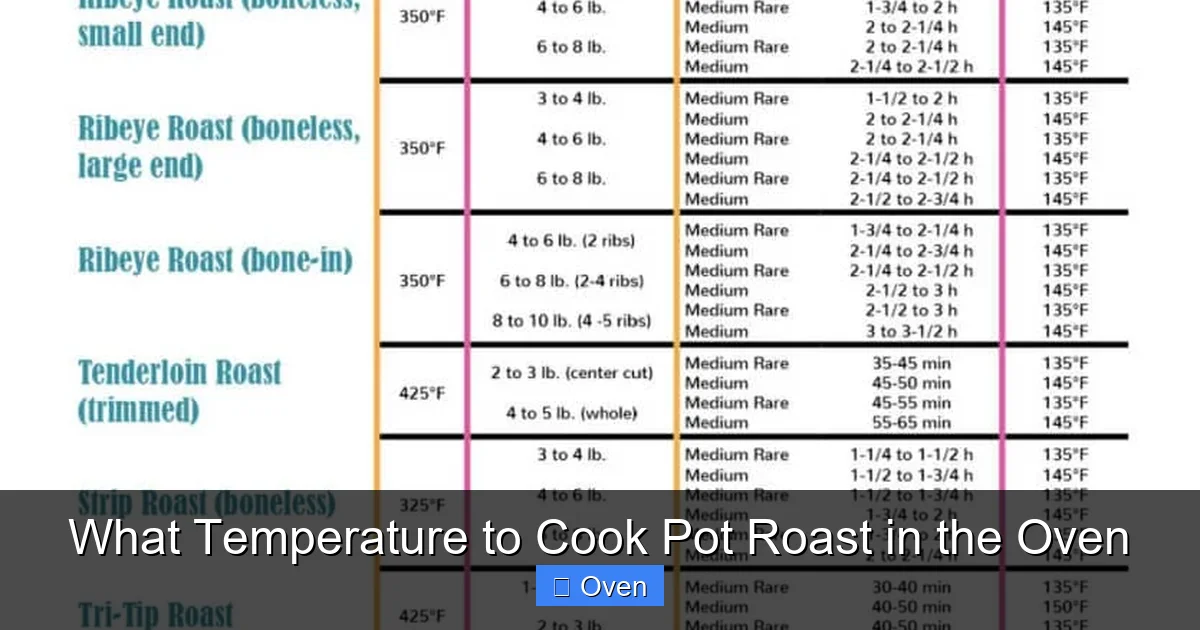
Most pot roast recipes call for an oven temperature between 250°F (121°C) and 325°F (163°C). Below 250°F, the roast can take too long and may dry out if not covered. Above 325°F, the exterior can brown too quickly while the interior remains under‑cooked.
Visual guide about What Temperature to Cook Pot Roast in the Oven
Image source: temeculablogs.com
Lower Temperatures for Tougher Cuts
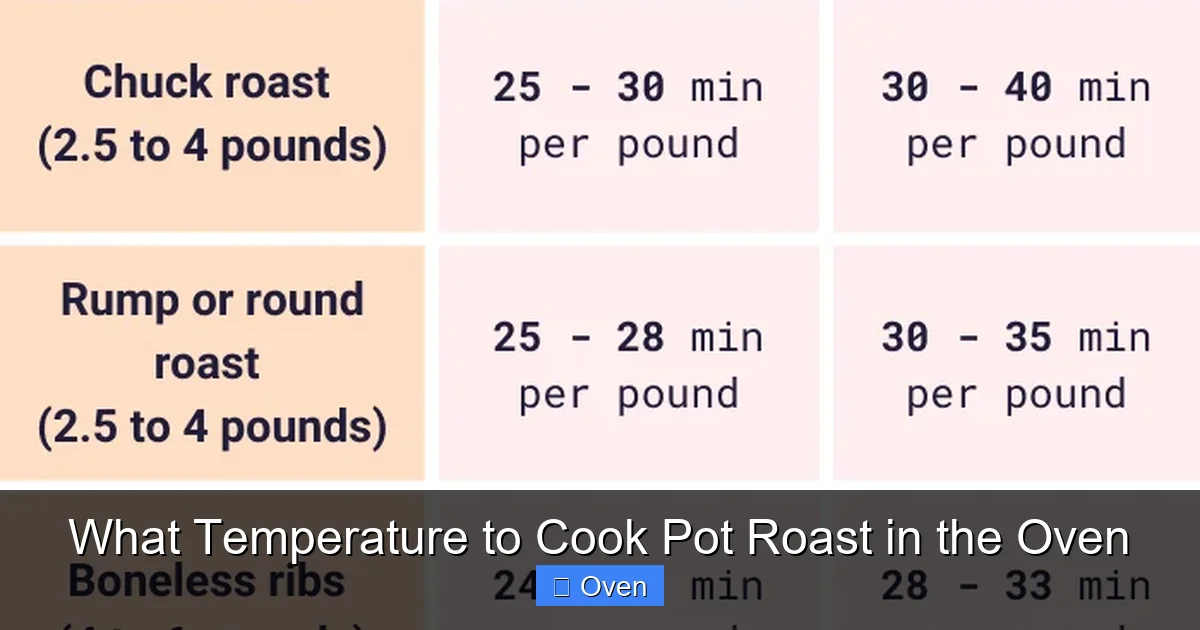
For tougher cuts like chuck or round, a lower temperature (around 275°F) helps break down connective tissue without scorching the surface. This method can take 4–5 hours per pound.
Higher Temperatures for Quick Turnarounds
If you’re short on time, you can raise the temperature to 350°F, but you’ll need to monitor the roast closely to avoid drying out the meat. Typically, this reduces cooking time to about 2–2.5 hours per pound.
How to Find Your Ideal Temperature
Consider the cut, size, and your oven’s accuracy. If your oven runs hot, subtract 25°F from the target; if it runs cool, add 25°F. Use a calibrated oven thermometer to check the actual temperature before you start.
Step‑by‑Step Guide to Cooking Pot Roast at the Right Temperature
1. Prep the Meat
- Pat the roast dry with paper towels.
- Season generously with salt, pepper, and optional herbs.
- Let it rest at room temperature for 15–20 minutes.
2. Sear for Flavor
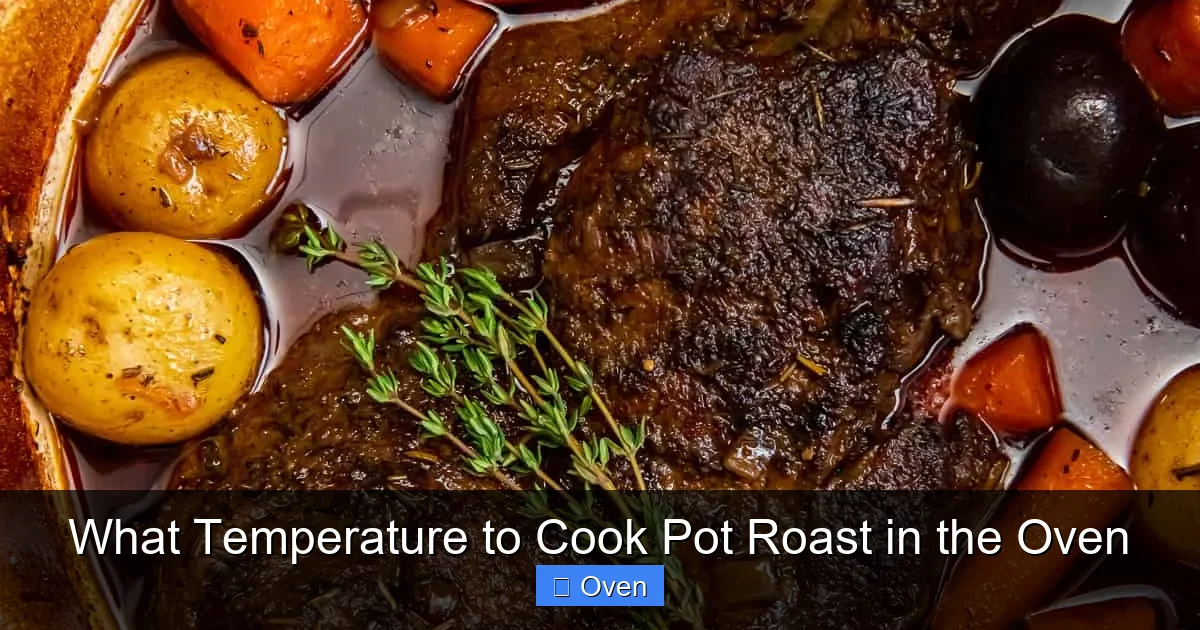
Heat a heavy pot or Dutch oven over medium‑high heat. Add oil with a high smoke point (e.g., canola or grapeseed). Sear the roast on all sides until a brown crust forms—about 3–4 minutes per side.
Visual guide about What Temperature to Cook Pot Roast in the Oven
Image source: fromvalerieskitchen.com
3. Add Aromatics and Liquid
Remove the roast and add onions, carrots, celery, garlic, and herbs to the pot. Sauté for 2–3 minutes, then pour in beef broth, red wine, or a mix of both to reach about halfway up the roast’s side.
4. Set the Oven Temperature
Preheat your oven to the chosen temperature (e.g., 300°F). Place the pot on the middle rack. If your oven has a convection setting, avoid using it for pot roast, as the fan can dry out the meat.
5. Cook and Monitor
Cover the pot with its lid. Cook until the internal temperature reaches 190°F–205°F. Use a meat thermometer inserted into the thickest part. For a 3‑lb roast at 300°F, this usually takes 3–3.5 hours.
6. Rest and Slice
Remove the roast from the oven and let it rest, tented loosely with foil, for 15–20 minutes. This rest period allows juices to redistribute, keeping the meat moist.
7. Serve with the Sauce
While the meat rests, strain the pan juices, reduce them on the stove, and finish with a splash of cream or butter for a silky gravy. Pour over sliced roast and enjoy.
Common Mistakes and How to Avoid Them
Over‑cooking the Roast
Cooking past the target internal temperature causes the meat to dry. Use a thermometer and pull the roast 5–10°F early, letting residual heat finish the job.
Not Searing First
Skipping the sear means missing out on the Maillard browning that adds depth of flavor. Even a quick sear makes a big difference.
Using a Lighter‑Weight Pot
Lighter pots heat unevenly and can cause hot spots. A heavy Dutch oven or cast‑iron pot distributes heat evenly and retains moisture.
Leaving the Lid Off Too Long
Removing the lid allows steam to escape, which can dry out the roast. Keep it covered until you’re ready to finish the sauce.
Tips for Extra Flavor and Texture
Use a Meat Thermometer
Accuracy matters. A probe thermometer that stays in the meat during cooking is the best tool.
Experiment with Liquids
Try adding a splash of Worcestershire sauce, soy sauce, or even a bit of beer for a different flavor profile.
Incorporate Herbs and Spices
Fresh rosemary, thyme, bay leaves, and peppercorns add aroma. Dried herbs work too but use half the amount.
Finish with a Glaze
For a caramelized crust, brush the roast with a mixture of mustard and honey during the last 10 minutes of cooking.
Pairing Pot Roast with Side Dishes
A classic pot roast pairs beautifully with mashed potatoes, roasted root vegetables, or a simple green salad. If you’re craving something extra, consider making a side of best pan to cook turkey in oven for a complementary poultry dish. For a quick garnish, a handful of fresh parsley or a squeeze of lemon can brighten the dish.
Conclusion
Cooking a pot roast isn’t just about following a recipe; it’s about mastering the relationship between temperature, time, and the meat’s natural chemistry. By setting your oven to the right range—typically between 250°F and 325°F—you give the collagen the time it needs to melt into silky gelatin while keeping the exterior beautifully browned. Remember to sear first, add aromatics, and most importantly, use a thermometer to hit that perfect 190°F–205°F internal temperature. With these simple steps and a few smart tricks, you’ll turn an ordinary cut of beef into a tender, flavorful centerpiece that will have everyone asking for seconds.
Frequently Asked Questions
What is the best oven temperature for pot roast?
The most reliable range is 250°F to 325°F. Lower temperatures (around 275°F) work well for tougher cuts, while higher temperatures (up to 350°F) can speed up cooking but risk drying out the meat.
How long does a pot roast take to cook at 300°F?
Generally, it takes about 3–3.5 hours per pound. Always check the internal temperature—190°F to 205°F is ideal for melt‑in‑your‑mouth tenderness.
Do I need a lid when cooking pot roast in the oven?
Yes. Covering the pot traps steam, keeping the roast moist and preventing the surface from drying out during the long, slow cooking process.
Can I use a convection oven for pot roast?
It’s best to avoid the convection setting. The fan can circulate dry air over the meat, leading to a drier exterior and less even cooking.
What side dishes go best with pot roast?
Classic choices include mashed potatoes, roasted carrots, parsnips, or a simple green salad. A crusty bread or dinner rolls make for a comforting accompaniment.
How do I know when my pot roast is done?
Use a probe thermometer: when the internal temperature reaches 190°F to 205°F, the meat will be tender enough to pull apart easily. Let it rest for 15–20 minutes before slicing.