What Temperature to Keep Meat Warm in the Oven
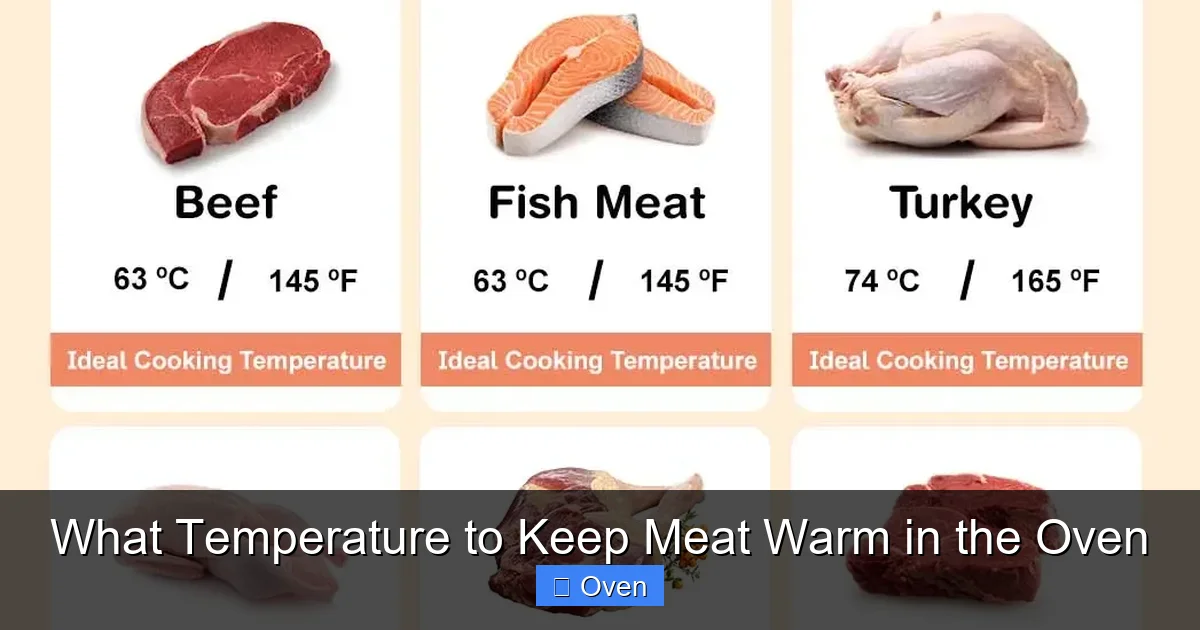
Keeping meat warm in the oven is easier than you think. By setting the oven to a low, steady temperature—typically between 140°F (60°C) and 170°F (77°C)—you can preserve moisture and flavor while waiting for the rest of the meal. Follow our simple steps to avoid over‑cooking and serve perfectly warm, tender meat every time.
Key Takeaways
- Safe warm zone: 140°F – 170°F (60°C – 77°C) keeps meat safe and juicy.
- Use a meat thermometer: Consistent monitoring prevents accidental over‑cooking.
- Cover with foil or a lid: Traps steam and stops the surface from drying.
- Rest before warming: Let cooked meat rest 10‑15 minutes for juices to redistribute.
- Low‑heat ovens work best: Convection or a “warm” setting maintains temperature evenly.
- Quick reheating tip: Add a splash of broth or water for extra moisture.
- Internal links: Explore related guides on keeping food warm and preparing side dishes.
📑 Table of Contents
Why Temperature Matters When Keeping Meat Warm
Ever taken a roast out of the oven, only to find it dry and stringy after a short wait? The culprit is usually temperature. Keeping meat warm at the wrong heat can cause two problems:
- Over‑cooking: Even a few extra degrees can push the internal temperature past the safe “hold” range, turning a juicy steak into a tough chew.
- Drying out: Warm air in a hot oven evaporates moisture from the surface, leaving a crust that looks nice but tastes dry.
Finding the sweet spot—warm enough to stay safe, cool enough to stay moist—is the goal of every home cook.
Recommended Oven Temperature Range
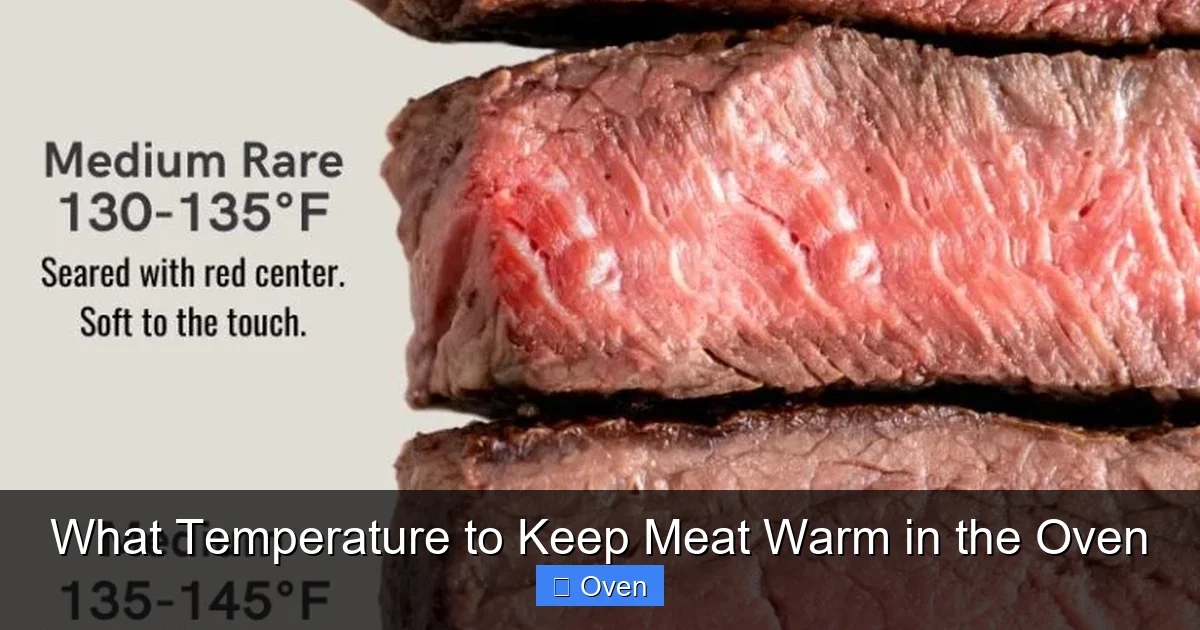
General guideline: 140°F – 170°F (60°C – 77°C)
This range is widely accepted by food‑safety agencies and chefs alike. Below 140°F, bacteria can multiply; above 170°F, the meat continues to cook.
Visual guide about What Temperature to Keep Meat Warm in the Oven
Image source: girlcarnivore.com
How to set your oven
- Turn the oven dial to “Warm” if it has that setting (usually around 150°F).
- For ovens without a warm setting, preheat to 200°F, then turn it off and let the temperature drop to the target range before placing the meat inside.
- Use the convection fan on low if you have one; it circulates air and helps maintain an even temperature.
Tools You’ll Need
Meat thermometer
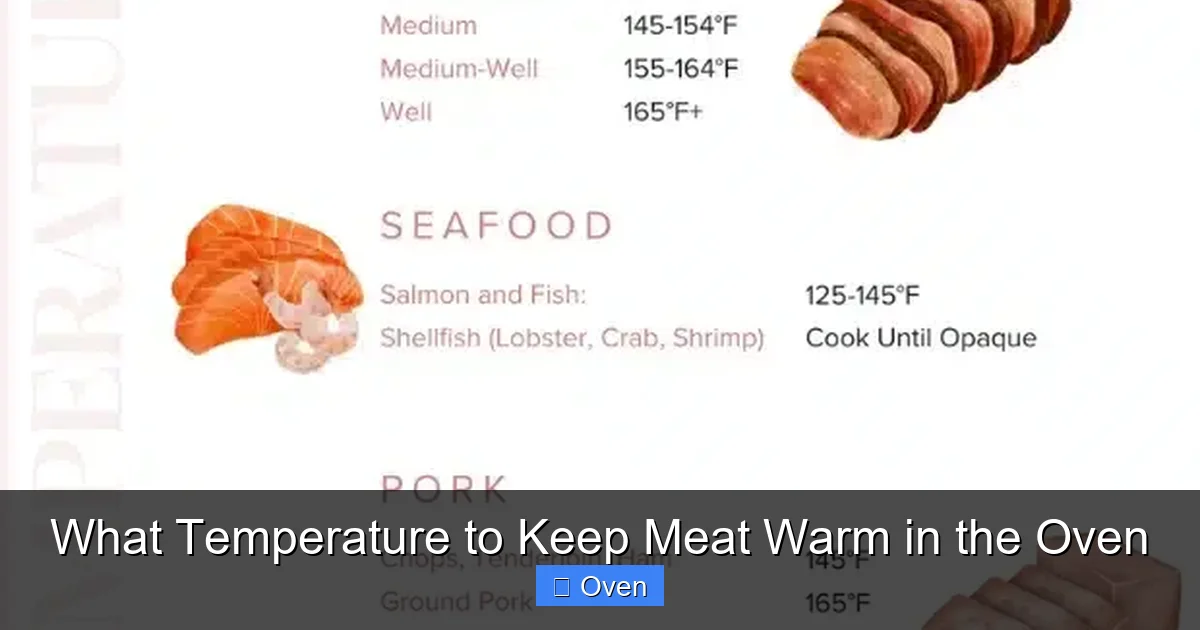
A digital probe thermometer is worth the investment. Set an alarm at 165°F for poultry or 140°F for beef and pork “hold” temperatures. This way you’ll know exactly when the meat is ready to serve.
Visual guide about What Temperature to Keep Meat Warm in the Oven
Image source: nospoonnecessary.com
Covering material
Aluminum foil works well, but a tight‑fitting oven‑safe lid or a roasting pan with a lid is even better. The goal is to trap steam and keep the surface from drying.
Moisture boosters
Place a shallow pan of water in the oven, or add a splash of broth to the meat before covering. The added humidity helps keep the meat tender.
Step‑by‑Step: Keeping Different Types of Meat Warm
Roasts (beef, pork, lamb)
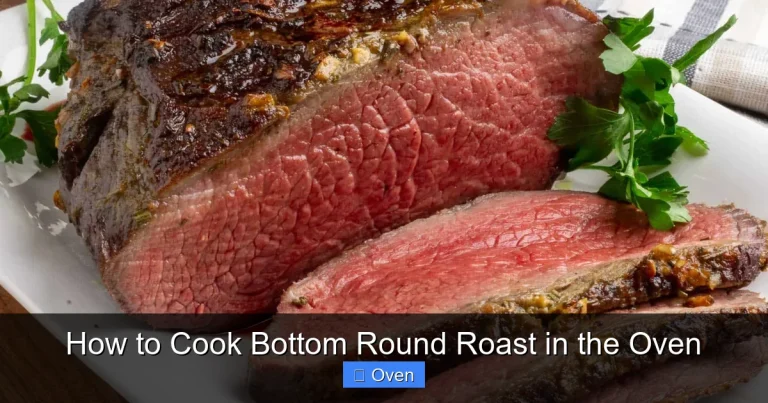
- After cooking, let the roast rest uncovered for 10‑15 minutes.
- Slice or leave whole, depending on your serving plan.
- Place the meat in a roasting pan, add a few tablespoons of broth, and cover tightly with foil.
- Set the oven to 150°F and insert the thermometer into the thickest part of the meat.
- Check every 20 minutes; when the internal temperature reaches 140°F‑165°F (depending on the meat), it’s ready to serve.
Poultry (whole turkey, chicken, turkey breast)
- Rest the bird for 20 minutes after roasting.
- Carve if desired, then arrange pieces in a single layer in a baking dish.
- Cover with a lid or foil and add a cup of chicken stock.
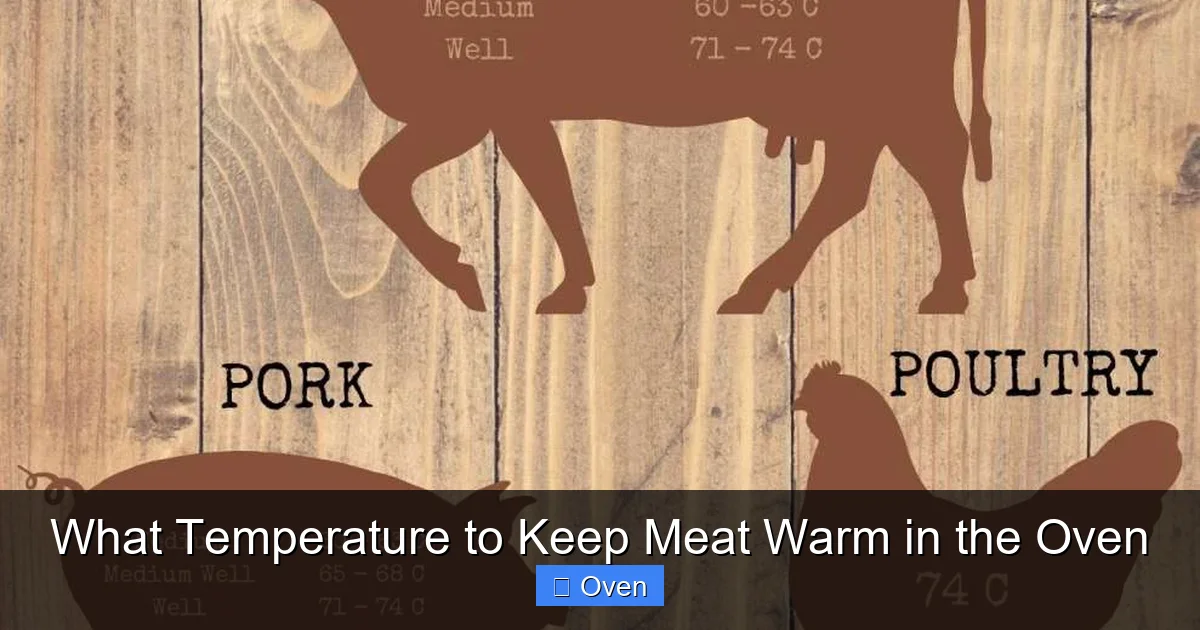
- Warm at 160°F; poultry is safe at 165°F, so aim for that as the final temperature.
- Use a thermometer in the thickest thigh or breast piece.
For more tips on the best pan to cook turkey in the oven, check out our guide on Best Pan To Cook Turkey In Oven.
Visual guide about What Temperature to Keep Meat Warm in the Oven
Image source: keeshaskitchen.com
Steaks and chops
- Cook to your preferred doneness, then let rest 5‑10 minutes.
- Transfer to a warm plate, cover loosely with foil.
- Set the oven to 140°F; steaks need less heat because they’re already at a high internal temperature.
- Check after 10 minutes; if the temperature drops below 130°F, give another 5‑minute interval.
Ground meat dishes (meatballs, meatloaf)
- Cover the dish with a lid or foil.
- Place a shallow pan of water on a lower rack to add humidity.
- Warm at 150°F until the internal temperature reaches 165°F.
Common Mistakes and How to Avoid Them
Leaving the oven on too high
Even a “keep warm” setting on some ovens can be as high as 200°F. Always verify with a thermometer.
Not covering the meat
Exposed meat loses moisture quickly. A simple foil tent can make a big difference.
Over‑crowding the pan
If pieces are stacked, steam can’t circulate, leading to uneven warming. Use a single layer or a larger pan.
Ignoring food safety time limits
The USDA allows cooked meat to stay in the 140°F‑165°F range for up to 2 hours. Plan your timing accordingly.
Tips for Extra‑Moist Results
- Add a tablespoon of butter or oil to the meat before covering.
- Use a broth‑based sauce; the liquid will keep the meat moist and add flavor.
- Place a damp paper towel over the meat (under the foil) for a gentle steam effect.
- For long holds, switch to a low‑heat setting on a warming drawer if your oven has one.
Need ideas for side dishes that stay warm alongside your meat? Our guide on How To Keep Rice In Rice Cooker offers perfect solutions.
When to Use Alternatives to the Oven
Sometimes the oven isn’t the best choice—especially for small portions or when you need rapid reheating. Consider these alternatives:
- Slow cooker: Set on “Warm” for up to 4 hours; great for pulled pork.
- Stovetop: A skillet with a lid and a splash of broth can keep meat warm on the back burner.
- Thermal carrier: Insulated containers keep meat at safe temperatures for short trips.
For portable solutions, read about the Best Containers To Keep Food Warm For Lunches.
Conclusion
Keeping meat warm in the oven doesn’t have to be a guessing game. By setting your oven between 140°F and 170°F, covering the meat, and monitoring with a thermometer, you’ll preserve juiciness and stay within food‑safety guidelines. Whether you’re holding a holiday roast, a batch of steaks, or a pot of meatballs, these simple steps will ensure every bite is as delicious as the first.
Frequently Asked Questions
What is the safest temperature to hold cooked meat in the oven?
The USDA recommends keeping cooked meat between 140°F (60°C) and 165°F (77°C). This range prevents bacterial growth while avoiding further cooking.
How long can I keep meat warm in the oven?
Meat can stay safely warm for up to 2 hours in the 140°F‑165°F range. After that, it’s best to refrigerate or serve immediately.
Do I need to cover the meat while it’s warming?
Yes. Covering with foil or a lid traps steam, which keeps the surface from drying out and helps maintain an even temperature.
Can I use a convection setting for keeping meat warm?
Low‑speed convection works well because the fan circulates air evenly. Just keep the temperature within the 140°F‑170°F range.
Is it okay to add water or broth to the pan?
Adding a small amount of liquid creates humidity, which is especially helpful for lean cuts that tend to dry out.
What should I do if the meat drops below 140°F?
Increase the oven temperature slightly (to about 180°F) and monitor until it reaches the safe holding range again.