What to Do with a Toaster Oven
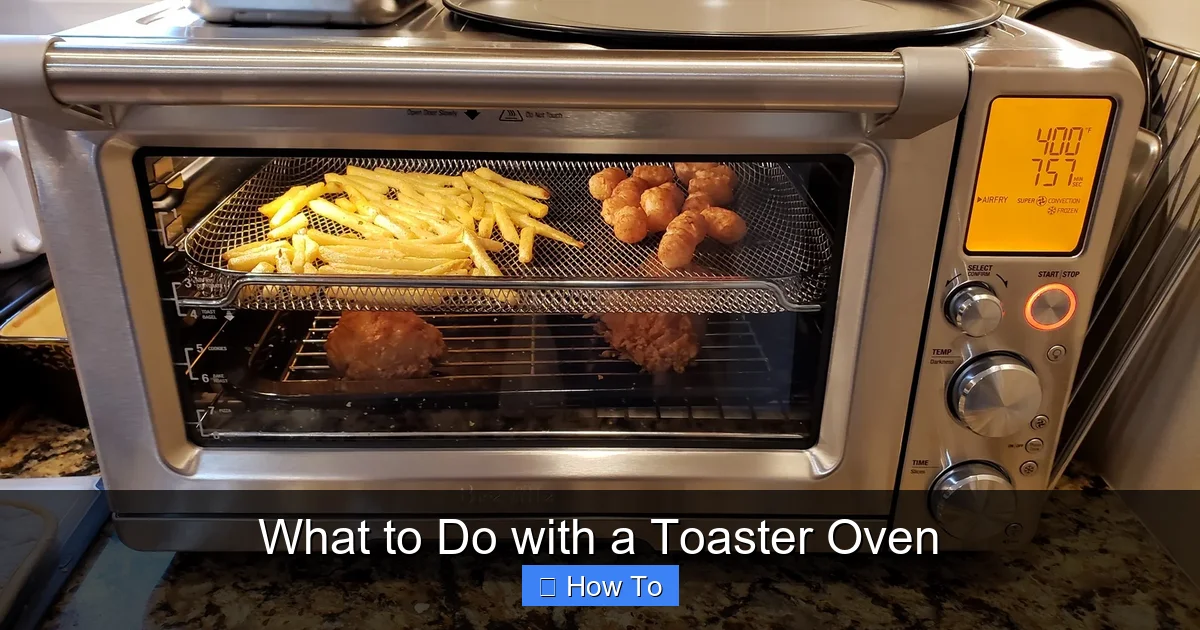
A toaster oven is a kitchen powerhouse that goes far beyond making toast. From baking cookies and roasting vegetables to air frying chicken wings and reheating leftovers, this compact appliance handles meals of all sizes with speed and energy efficiency.
You probably reach for your toaster oven when you want a quick slice of toast or a frozen pizza. But that little appliance sitting on your counter can do so much more. Think of it as a miniature oven that heats up fast, uses less energy, and fits in tight spaces. Whether you live in a studio apartment, want to avoid firing up the big oven on a hot day, or just need a second cooking zone for holiday meals, the toaster oven is your secret weapon.
In this guide, we’ll walk through everything you can do with a toaster oven. You’ll learn basic techniques, discover surprising recipes, and pick up pro tips for cleaning and safety. By the end, you’ll wonder how you ever managed without using yours to its full potential.
Key Takeaways
- Versatile cooking: A toaster oven can bake, broil, roast, toast, and often air fry or dehydrate.
- Energy efficient: It uses less electricity than a full-size oven and preheats faster.
- Perfect for small batches: Ideal for singles, couples, or side dishes without heating the whole kitchen.
- Easy cleanup: Removable crumb trays and non-stick interiors make maintenance simple.
- Placement matters: Keep it on a heat-resistant surface with proper ventilation clearance.
- Accessories expand options: Use pans, racks, and air fry baskets designed for your model.
- Safety first: Never leave unattended while broiling or air frying at high temperatures.
📑 Table of Contents
- Getting Started: Setup and Safety Basics
- Everyday Cooking Tasks Made Easy
- Baking and Roasting Like a Pro
- Specialty Functions: Air Fry, Dehydrate, and More
- Cleaning and Maintenance for Longevity
- Creative Uses You Haven’t Tried
- Choosing the Right Accessories
- Energy Efficiency and Cost Savings
- Troubleshooting Common Issues
- Conclusion
Getting Started: Setup and Safety Basics
Choose the Right Spot
Before you plug in, pick a stable, heat-resistant surface. Leave at least four inches of clearance on all sides for airflow. Keep it away from curtains, paper towels, and flammable liquids. If you’re unsure about the best location, check out our tips on where to put a toaster oven in kitchen for ventilation and convenience.
Read the Manual
Every model has quirks. Some have convection fans, others have air fry settings, and a few even dehydrate. The manual tells you which pans are safe, how to adjust rack positions, and what the preset buttons actually do. Spend ten minutes with it now to avoid smoke alarms later.
Do a Burn-Off Cycle
New toaster ovens often have a factory coating that smells when first heated. Run the oven empty at the highest temperature for 15–20 minutes with windows open. This burns off residues so your first batch of cookies doesn’t taste like plastic.
Everyday Cooking Tasks Made Easy
Toast, Bagels, and English Muffins
This is the obvious one. Use the toast setting and select your shade. For bagels, use the bagel function if yours has it—it heats the cut side more than the crust. Pro tip: place a small ramekin of water inside when toasting gluten-free bread to keep it from drying out.

Visual guide about What to Do with a Toaster Oven
Image source: img.buzzfeed.com
Reheat Leftovers Without Sogginess
Microwaves make pizza limp and fries sad. A toaster oven restores crisp texture. Set it to 350°F and heat for 5–10 minutes. Cover items like casseroles with foil to prevent over-browning. For fried foods, use a wire rack so air circulates underneath.
Melt and Broil Toppings
Open-faced sandwiches, nachos, and French onion soup all benefit from a quick broil. Put the rack in the top position, set to broil, and watch closely. Cheese bubbles and browns in 1–3 minutes. Rotate the pan for even color.
Roast Nuts and Seeds
Spread raw almonds, pumpkin seeds, or chickpeas on a tray. Toss with oil and salt. Roast at 325°F for 10–15 minutes, shaking halfway. They’re fresher and cheaper than store-bought.
Baking and Roasting Like a Pro
Cookies, Brownies, and Small Cakes
Because the cavity is small, heat distributes evenly. Most cookie recipes bake at 350°F for 8–12 minutes. Use light-colored pans to prevent burnt bottoms. If your model has convection, reduce temperature by 25°F and check a minute early. For inspiration on what to bake, see our list of what to bake in oven toaster.
Visual guide about What to Do with a Toaster Oven
Image source: storables.com
Roast Vegetables and Proteins
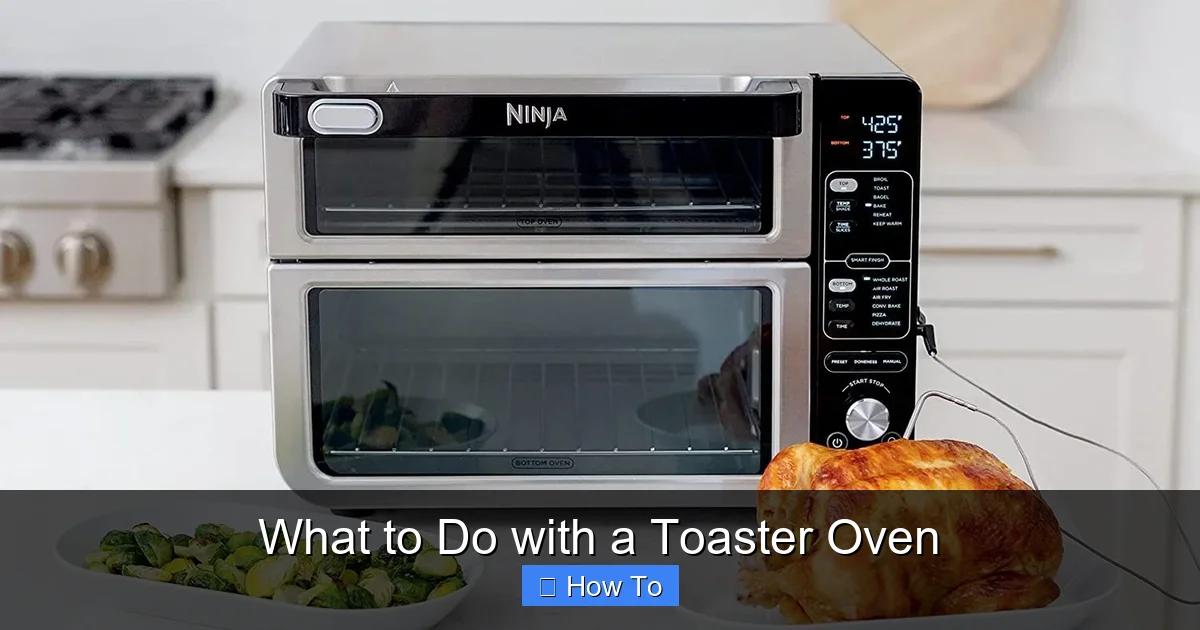
Toss broccoli, carrots, or Brussels sprouts with oil, salt, and spices. Spread on a rimmed tray. Roast at 400°F for 15–20 minutes. For chicken thighs, salmon fillets, or pork chops, use a wire rack over a drip pan. Cook until internal temperature hits safe levels. You can even cook a steak in the toaster oven for a quick weeknight dinner.
Personal Pizzas and Flatbreads
Use store-bought dough, naan, or tortillas. Add sauce, cheese, and toppings. Bake on the bottom rack at 450°F for 6–10 minutes. The high heat mimics a pizza oven better than your big oven at the same temp.
Breakfast Casseroles and Frittatas
Whisk eggs with veggies, cheese, and cooked meat. Pour into a greased 6-inch pan. Bake at 350°F for 20–25 minutes. Perfect for meal prep—slice and reheat all week.
Specialty Functions: Air Fry, Dehydrate, and More
Air Frying Without a Separate Gadget
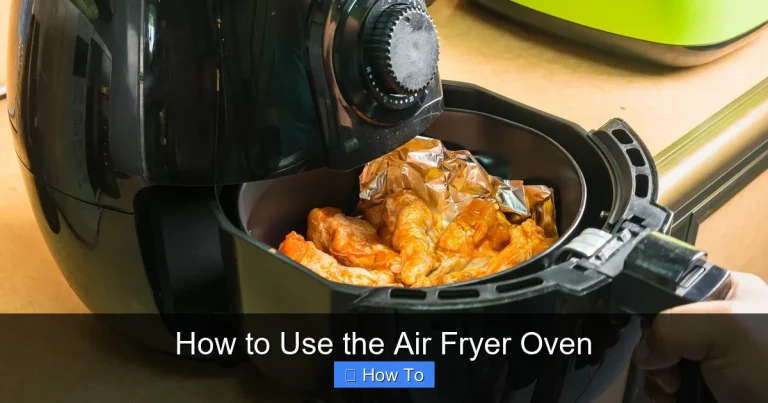
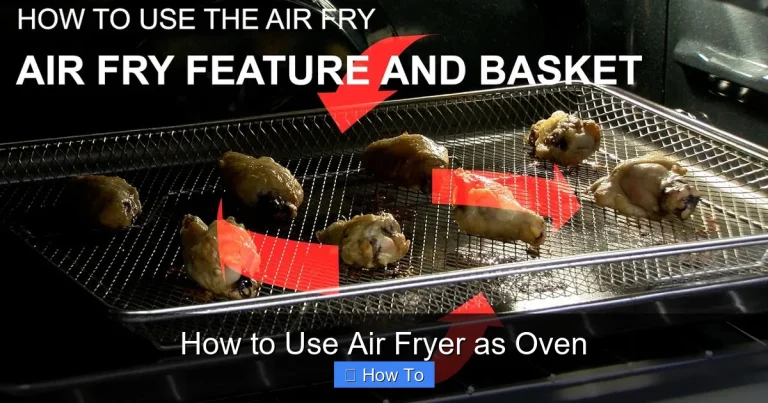
Many modern toaster ovens include an air fry setting. It’s essentially a powerful convection fan. Use the included mesh basket. Toss fries, wings, or veggies with a teaspoon of oil. Cook at 400°F, shaking halfway. Results are crispy with a fraction of the oil. If you’re new to air frying, our guide on how to use airfryer toaster oven covers the basics.
Visual guide about What to Do with a Toaster Oven
Image source: finedose.com
Dehydrate Fruits, Herbs, and Jerky
If your model has a dehydrate function (usually 130–150°F), slice fruit thin, arrange on racks, and run for 4–8 hours. Make apple chips, dried tomatoes, or beef jerky. No preservatives, just pure flavor.
Convection Baking for Even Results
Convection uses a fan to circulate hot air. It’s great for multi-rack baking, puff pastry, and anything that needs even browning. Lower the recipe temperature by 25°F. For more on convection benefits, read what is a convection toaster oven used for.
Proof Dough and Make Yogurt
Some ovens have a “proof” setting around 100°F. It’s ideal for rising bread dough or incubating homemade yogurt in jars. Cover dough with a damp towel to prevent skin formation.
Cleaning and Maintenance for Longevity
Daily Wipe-Down
After each use, let the oven cool. Remove the crumb tray and shake it out. Wipe the interior with a damp cloth. Don’t use abrasive scrubbers on non-stick coatings.
Deep Clean Monthly
Take out racks and pans. Soak in warm, soapy water. Spray interior with a vinegar-water solution or a mild oven cleaner. Avoid heating elements. Scrub glass door inside and out. For air fryer toaster oven combos, see our detailed steps on how to clean a air fryer toaster oven.
Check the Door Seal
Inspect the gasket for cracks or food buildup. A tight seal keeps heat in and saves energy. Replace if damaged—most manufacturers sell replacements.
Descale Steam Models
If your toaster oven has a steam function, run a descaling cycle every few months using equal parts water and white vinegar. Follow the manual’s instructions.
Creative Uses You Haven’t Tried
DIY Craft Projects
Shrink plastic (like Shrinky Dinks), melt crayons into molds, or cure polymer clay. Use a dedicated tray for crafts—never mix with food. Ventilate well.
Warm Plates and Serving Dishes
Set to the lowest temperature (150–170°F). Place plates inside for 5 minutes before serving. Food stays hot longer on the table.
Revive Stale Bread and Chips
Sprinkle a baguette with water, wrap in foil, heat at 300°F for 10 minutes. For chips, spread on a tray and crisp at 300°F for 3–5 minutes.
Make Croutons and Breadcrumbs
Cube day-old bread, toss with oil and herbs. Bake at 350°F until golden. For crumbs, pulse cooled croutons in a food processor. Store in the freezer.
Roast Garlic and Tomatoes
Drizzle whole garlic heads or halved tomatoes with oil. Wrap garlic in foil. Roast at 375°F for 30–40 minutes. Squeeze garlic into spreads; blend tomatoes into sauce.
Choosing the Right Accessories
Pans and Trays
Use the pan that came with your oven—it’s sized for airflow. For baking, get a light aluminum quarter-sheet pan. For roasting, a small wire rack fits inside the pan to lift food.
Silicone Mats and Parchment
Silicone mats prevent sticking and make cleanup instant. Parchment works too, but trim it so it doesn’t touch heating elements.
Specialty Inserts
Air fry baskets, pizza stones, and rotisserie spits expand what you can cook. Only use accessories rated for your model’s temperature range.
Thermometer
An oven thermometer verifies actual temperature. Toaster ovens can run 25–50°F off the dial. Adjust accordingly for consistent results.
Energy Efficiency and Cost Savings
Lower Electricity Bills
A toaster oven uses roughly 1,200–1,800 watts. A full-size oven draws 2,500–5,000 watts. For small meals, you’ll use half the energy or less. Over a year, that adds up. Learn more about the efficiency comparison in our article is a toaster oven more efficient.
Keep the Kitchen Cool
In summer, avoiding the big oven keeps your AC from working overtime. A toaster oven adds minimal ambient heat.
Faster Preheat
Most toaster ovens reach 350°F in 3–5 minutes. A standard oven takes 10–15. That’s dinner on the table sooner.
Troubleshooting Common Issues
Uneven Browning
Rotate pans halfway through. Use the middle rack for most baking. If the top burns, tent with foil. If the bottom burns, double up pans or lower the rack.
Smoke During First Use
That’s the burn-off. If it persists after the initial cycle, check for food debris on elements. Clean thoroughly.
Timer or Display Malfunctions
Unplug for 30 seconds to reset. If problems continue, consult the warranty. Don’t attempt electrical repairs yourself.
Food Dries Out
Cover with foil for the first half of cooking. Add a splash of broth or water to the pan. Lower temperature and extend time.
Conclusion
Your toaster oven is one of the most versatile tools in your kitchen. It toasts, bakes, roasts, air fries, dehydrates, and even helps with crafts. By mastering a few basic techniques—proper rack placement, temperature adjustments, and regular cleaning—you’ll unlock a world of quick, delicious meals without heating your whole house. Start simple: roast a tray of vegetables tonight. Tomorrow, try a personal pizza. Before long, you’ll reach for it more than your full-size oven. Happy cooking!
Frequently Asked Questions
Can I use aluminum foil in a toaster oven?
Yes, but never cover the crumb tray or let foil touch the heating elements. Use it to tent food or line pans for easy cleanup, leaving space for air flow.
What temperature do I bake cookies in a toaster oven?
Most cookies bake at 350°F for 8–12 minutes. If using convection, drop to 325°F and check a minute early. Always use a light-colored pan.
Is a toaster oven safe to leave unattended?
Never leave any cooking appliance unattended, especially when broiling, air frying, or toasting. Stay nearby and set a timer.
Can I cook a whole chicken in a toaster oven?
Only if your model is large enough (usually 0.6 cubic feet or more) and has a rotisserie function. Spatchcock the bird for faster, more even cooking.
How do I convert regular oven recipes for a toaster oven?
Reduce temperature by 25°F if using convection. Check food 5–10 minutes early. Use smaller pans that fit with clearance on all sides.
Why does my toaster oven smoke when I use it?
New units smoke during the first burn-off. After that, smoke usually means food residue on elements or the crumb tray. Clean thoroughly.