What Tray to Use in Air Fryer Oven
Choosing the right tray for your air fryer oven can dramatically improve airflow, crispiness, and ease of cleaning. This guide breaks down tray types, materials, size considerations, and maintenance tips so you can cook with confidence every time.
Key Takeaways
- Material matters: Stainless steel, aluminum, and silicone trays each offer different heat conductivity and durability for air frying.
- Size and fit are critical: A tray that’s too large blocks airflow, while one that’s too small can tip or spill food.
- Perforated designs boost crispiness: Trays with holes or mesh allow hot air to circulate evenly around food.
- Non‑stick coatings simplify cleanup: Look for PFOA‑free options that resist sticking without compromising safety.
- Compatibility with accessories: Ensure your tray works with the air fryer basket, rack, or rotisserie spit if you use them.
- Regular maintenance extends life: Hand‑wash when possible, avoid abrasive scrubbers, and dry thoroughly to prevent rust.
- Avoid overcrowding: Leave space between items so hot air can reach all surfaces for even cooking.
📑 Table of Contents
- What Tray To Use In Air Fryer Oven: Why It Matters
- What Tray To Use In Air Fryer Oven: Types of Trays
- What Tray To Use In Air Fryer Oven: Material Choices
- What Tray To Use In Air Fryer Oven: Size and Fit
- What Tray To Use In Air Fryer Oven: Usage Tips
- What Tray To Use In Air Fryer Oven: Maintenance and Care
- What Tray To Use In Air Fryer Oven: Common Mistakes and Troubleshooting
- Conclusion
What Tray To Use In Air Fryer Oven: Why It Matters
When you first unbox your air fryer oven, the excitement of crispy fries, juicy chicken wings, and roasted vegetables can overshadow a small but vital detail: the tray you place inside. The What Tray To Use In Air Fryer Oven question isn’t just about convenience; it directly influences how hot air moves, how food browns, and how easy cleanup becomes. Using the wrong tray can block airflow, create soggy spots, or even damage the interior coating. In this guide we’ll walk through everything you need to know to pick the perfect tray for your specific model and cooking style.
Many users assume any baking sheet will work, but air fryer ovens rely on rapid convection. A solid, flat sheet can act like a barrier, reducing the fan’s effectiveness and lengthening cook times. Conversely, a tray that’s too small may tip or slide, causing spills and potential safety hazards. By understanding the interplay of material, shape, size, and perforation, you can transform ordinary meals into restaurant‑quality results with minimal effort.
Throughout this article we’ll reference helpful companion guides such as how to use air fryer basket in oven and how to use air fryer rack in oven to show how trays interact with other accessories. Keep the What Tray To Use In Air Fryer Oven principle in mind as we explore each factor in detail.
What Tray To Use In Air Fryer Oven: Types of Trays
Flat Baking Sheets
A flat baking sheet is the most common kitchen item, but its suitability depends on thickness and edges. Thin, warped sheets can bend under high heat, creating uneven surfaces that trap food. Heavy‑gauge aluminum or steel sheets with a raised lip (about ¼‑inch) work better because they contain drips while still allowing air to flow over the top. If you choose a flat sheet, look for one labeled “air fryer compatible” or check the manufacturer’s dimensions.
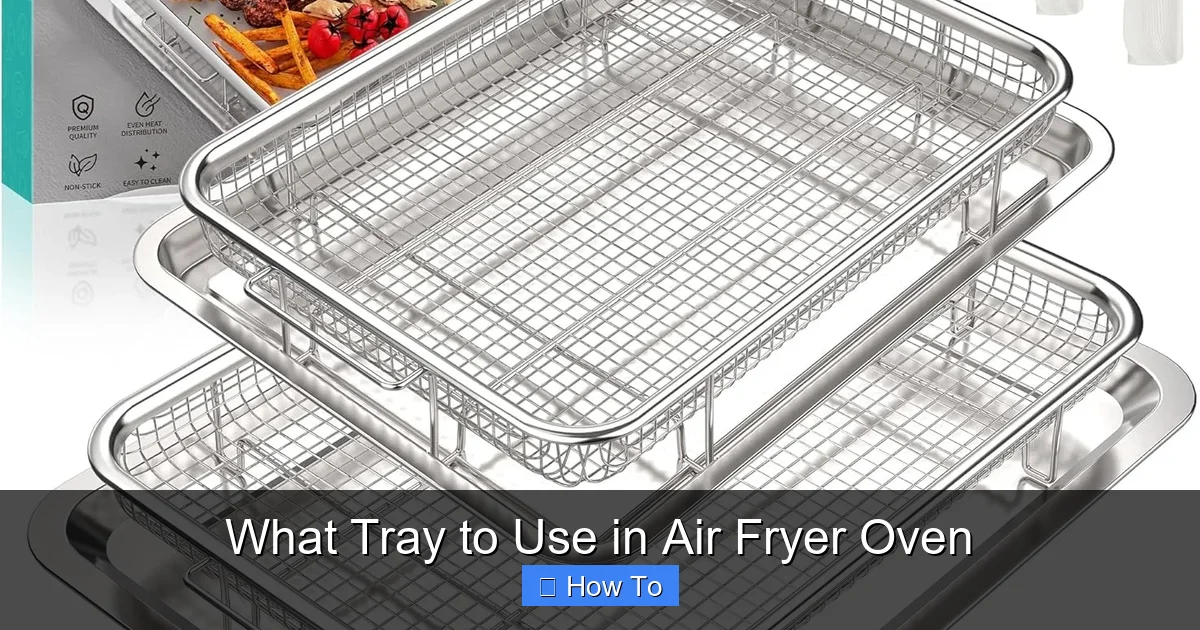
Visual guide about What Tray to Use in Air Fryer Oven
Image source: m.media-amazon.com
Perforated Trays and Mesh Baskets
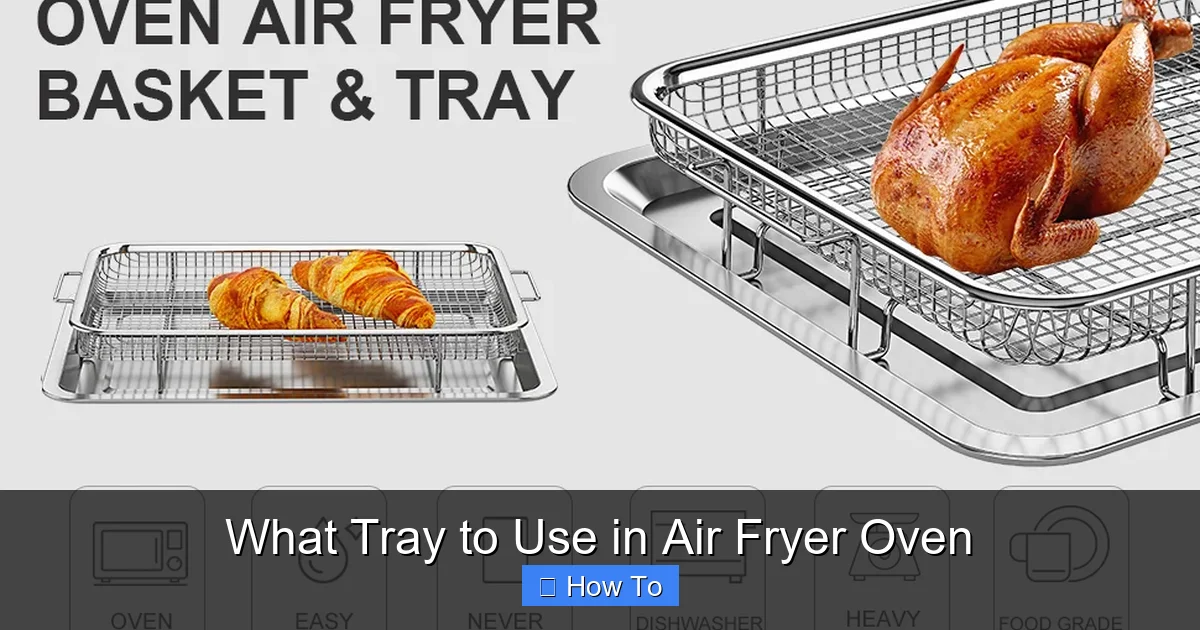
Perforated trays feature hundreds of tiny holes that let hot air penetrate food from below, dramatically increasing crispiness. Mesh baskets operate on the same principle but with a deeper well, ideal for items like french fries, tater tots, or vegetable medleys. These designs are often the best answer to the What Tray To Use In Air Fryer Oven question because they maximize the convection effect that makes air frying unique.
Rotisserie Spurs and Specialty Racks
If your air fryer oven includes a rotisserie function, you’ll need a tray that can sit beneath the spit to catch juices while still allowing airflow around the meat. Some models come with a dedicated drip tray that slides into a lower rack position. When using a rotisserie, pairing it with a compatible tray ensures you get evenly browned meat without soggy bottoms.
Silicone and Non‑Stick Coated Trays
Silicone trays are flexible, heat‑resistant up to 450°F, and naturally non‑stick. They’re excellent for delicate items like fish fillets or baked goods that might stick to metal. However, silicone can insulate slightly, so you may need to add a minute or two to cook times. Non‑stick coated metal trays combine the heat conductivity of metal with easy release, but avoid abrasive cleaners that can damage the coating.
What Tray To Use In Air Fryer Oven: Material Choices
Stainless Steel
Stainless steel is durable, resists rust, and handles high temperatures without warping. It provides even heat distribution, though it can be prone to sticking if not properly oiled. Many users prefer stainless steel for its longevity and sleek appearance. When shopping, look for 18‑8 or 304 grade for the best corrosion resistance.
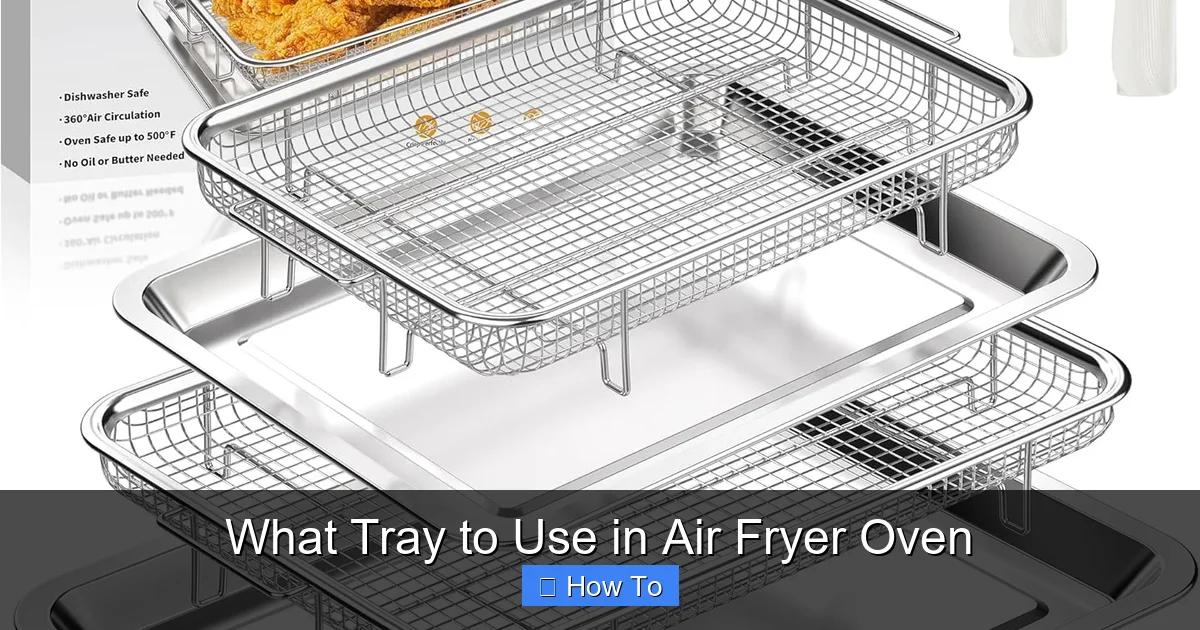
Visual guide about What Tray to Use in Air Fryer Oven
Image source: m.media-amazon.com
Aluminum
Aluminum heats up quickly and cools down fast, making it ideal for quick‑batch cooking. It’s lightweight, which is handy when you need to move trays in and out of the oven. However, bare aluminum can react with acidic foods (like tomato sauce) and may discolor over time. Anodized aluminum offers a harder surface that resists both sticking and corrosion.
Carbon Steel
Carbon steel combines the heat retention of cast iron with a lighter weight. It often comes pre‑seasoned, giving it a natural non‑stick patina that improves with use. If you choose carbon steel, avoid soaking it for long periods and dry it immediately after washing to prevent rust.
Silicone
As mentioned, silicone is flexible and naturally non‑stick. It’s safe for temperatures up to 450°F, which covers most air fryer oven settings. Silicone trays are dishwasher safe, but they can retain odors if not cleaned thoroughly. They’re best suited for baked goods, reheating, or low‑fat cooking where you don’t need intense browning.
What Tray To Use In Air Fryer Oven: Size and Fit
Measuring Your Interior
Before purchasing any tray, measure the width, depth, and height of your air fryer oven’s cooking cavity. Subtract at least 1‑inch from each dimension to ensure adequate airflow around the tray. For example, if the interior is 14 inches wide, aim for a tray no wider than 12‑13 inches. This simple rule helps answer the What Tray To Use In Air Fryer Oven dilemma by preventing blockage of the fan.
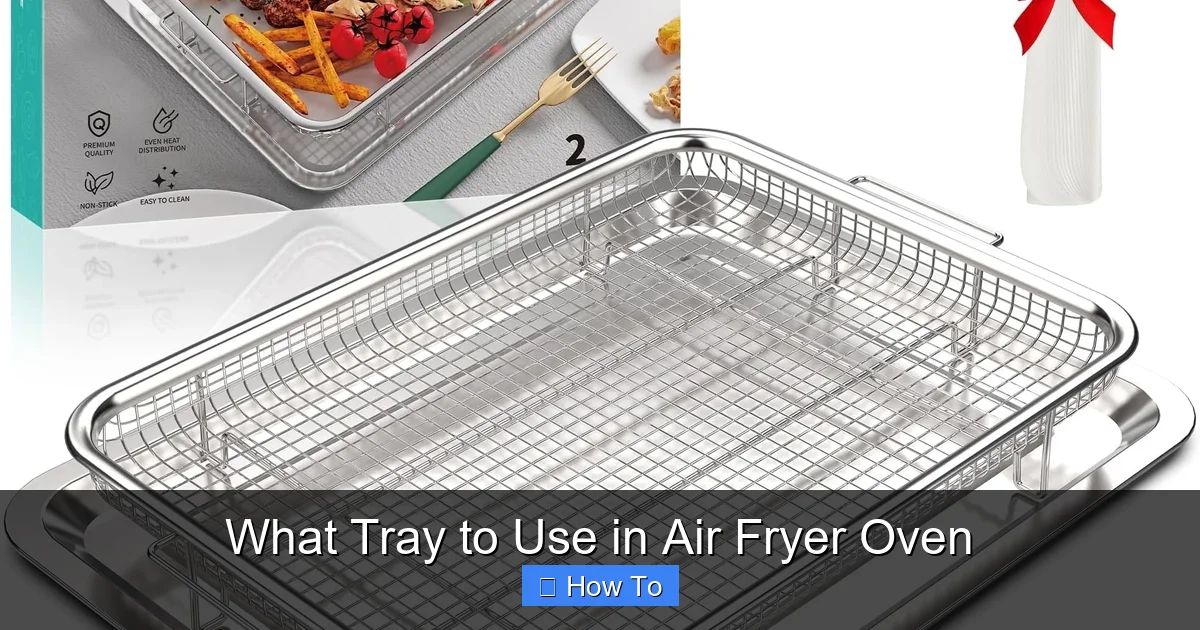
Visual guide about What Tray to Use in Air Fryer Oven
Image source: m.media-amazon.com
Rack Position Compatibility
Most air fryer ovens offer multiple rack levels. The top position is ideal for browning, the middle for balanced cooking, and the bottom for catching drips. Ensure your tray sits flat on the chosen rack without tilting. Some trays come with small feet or ridges that help them sit level; otherwise, you can use a silicone mat underneath to stabilize.
Considering Accessory Clearance
If you plan to use the air fryer basket or rack simultaneously, verify that your tray leaves enough clearance for those accessories to slide in and out. A tray that’s too tall can prevent the basket from seating properly, causing it to rattle or even damage the heating element. Refer to your model’s manual for recommended tray heights when using multiple layers.
What Tray To Use In Air Fryer Oven: Usage Tips
Preheating the Tray
Just like a conventional oven, preheating your tray can improve searing and reduce sticking. Place the empty tray in the air fryer oven and set the temperature to your cooking level for 2‑3 minutes before adding food. This step is especially helpful for stainless steel or carbon steel trays that benefit from a hot surface.
Oil and Seasoning Application
Lightly coating the tray with oil or a cooking spray creates a barrier that prevents food from sticking while still allowing airflow. Avoid excessive oil, as it can pool and cause smoking. For seasoned trays (like cast iron or carbon steel), a thin layer of oil maintains the patina and enhances flavor.
Avoiding Overcrowding
Leave at least ¼‑inch of space between food items and the tray edges. Overcrowding traps steam, leading to soggy results. If you need to cook a large batch, consider cooking in shifts or using two trays on different rack levels—just remember to rotate them halfway through for even exposure.
Using Parchment or Liners Wisely
Parchment paper can simplify cleanup, but it must be perforated or trimmed to allow air flow. Solid parchment blocks convection and can increase cook times. Silicone baking mats designed for air fryers often come with built‑in perforations, making them a safe alternative.
What Tray To Use In Air Fryer Oven: Maintenance and Care
Cleaning After Each Use
Allow the tray to cool slightly, then wipe away loose debris with a soft sponge. For stuck‑on bits, soak the tray in warm, soapy water for 10‑15 minutes before scrubbing with a non‑abrasive pad. Avoid steel wool on non‑stick or coated surfaces, as it can scratch and degrade the finish.
Dishwasher Safety
Many stainless steel and aluminum trays are dishwasher safe, but check the manufacturer’s label first. High‑pressure detergents can dull finishes over time. If you notice discoloration or a lingering odor, hand‑washing is preferable.
Preventing Rust and Corrosion
Carbon steel and certain aluminum trays can rust if left wet. Dry them thoroughly with a clean towel after washing, and store them in a dry cabinet. Applying a thin layer of oil to carbon steel before storage adds extra protection against moisture.
Inspecting for Damage
Regularly check for warping, cracks, or coating wear. A warped tray can wobble on the rack, creating unsafe conditions. If the non‑stick coating begins to peel, replace the tray to avoid ingesting particles.
What Tray To Use In Air Fryer Oven: Common Mistakes and Troubleshooting
Using a Tray That’s Too Large
One of the most frequent errors is selecting a tray that fills the entire cavity. This blocks the fan’s airflow, causing uneven cooking and longer times. If you notice food browning only on the top or edges, downsize the tray or switch to a perforated design.
Neglecting to Preheat
Skipping preheat can lead to pale, undercooked results, especially for proteins that rely on a quick sear. A cold tray absorbs heat from the food, slowing the cooking process. Make preheating a habit for consistent outcomes.
Overloading with Wet Ingredients
Marinated meats or vegetables with excess liquid can create steam that soggy the tray’s surface. Pat foods dry before placing them on the tray, or use a rack elevation to keep them above pooling liquids.
Ignoring Manufacturer Guidelines
Each air fryer oven model has specific recommendations for tray material, weight, and maximum temperature. Disregarding these can void warranties or cause damage. Keep the user manual handy and refer to it when trying new accessories.
Using Abrasive Cleaners on Non‑Stick Surfaces
Scouring pads or harsh chemicals can strip non‑stick coatings, making food stick and potentially releasing particles. Stick to gentle dish soap and soft sponges to preserve the tray’s finish.
Conclusion
Answering the What Tray To Use In Air Fryer Oven question is more than picking a random baking sheet; it’s about matching material, size, shape, and perforation to your cooking goals and appliance specifications. By selecting a tray that promotes airflow, resists warping, and cleans easily, you unlock the full potential of your air fryer oven—crispier fries, juicier chicken, and perfectly roasted vegetables with less hassle.
Remember to measure your interior, consider accessory compatibility, and follow proper care routines to keep your tray in top condition. With the insights from this guide, you’ll be able to troubleshoot common issues, avoid costly mistakes, and enjoy consistently delicious results every time you press start. Happy air frying!
Frequently Asked Questions
Can I use a regular baking sheet as a tray in my air fryer oven?
You can use a regular baking sheet if it fits securely, leaves at least 1‑inch of clearance on all sides, and is made of a material that withstands the oven’s maximum temperature. However, a perforated or mesh tray will usually give better crispiness because it allows hot air to circulate underneath the food.
What size tray should I buy for a 12‑quart air fryer oven?
For a 12‑quart model, aim for a tray that is roughly 10‑11 inches wide and 8‑9 inches deep, leaving space for airflow. Always measure your specific cavity and subtract about 1‑inch from each dimension to ensure a proper fit.
Is it safe to use silicone trays at the highest air fryer oven temperature?
Most food‑grade silicone trays are safe up to 450°F, which covers the typical temperature range of air fryer ovens. Check the manufacturer’s rating, and avoid using silicone under the broiler function if your oven has one.
How do I prevent food from sticking to a stainless steel tray?
Lightly coat the tray with oil or a non‑aerosol cooking spray before adding food. Preheating the tray also helps create a hot surface that reduces sticking. For stubborn residue, soak the tray in warm, soapy water before gentle scrubbing.
Should I use parchment paper in my air fryer oven tray?
Parchment paper can be used if it is perforated or trimmed to allow air flow. Solid parchment blocks convection and may increase cooking times. Silicone mats designed for air fryers are often a better choice because they come with built‑in perforations.
How often should I replace my air fryer oven tray?
Replace your tray if you notice warping, cracks, significant rust, or a peeling non‑stick coating. With proper care, a high‑quality stainless steel or aluminum tray can last several years, while silicone trays may need replacement every 1‑2 years depending on use.