Which Toaster Oven Is Rated the Best
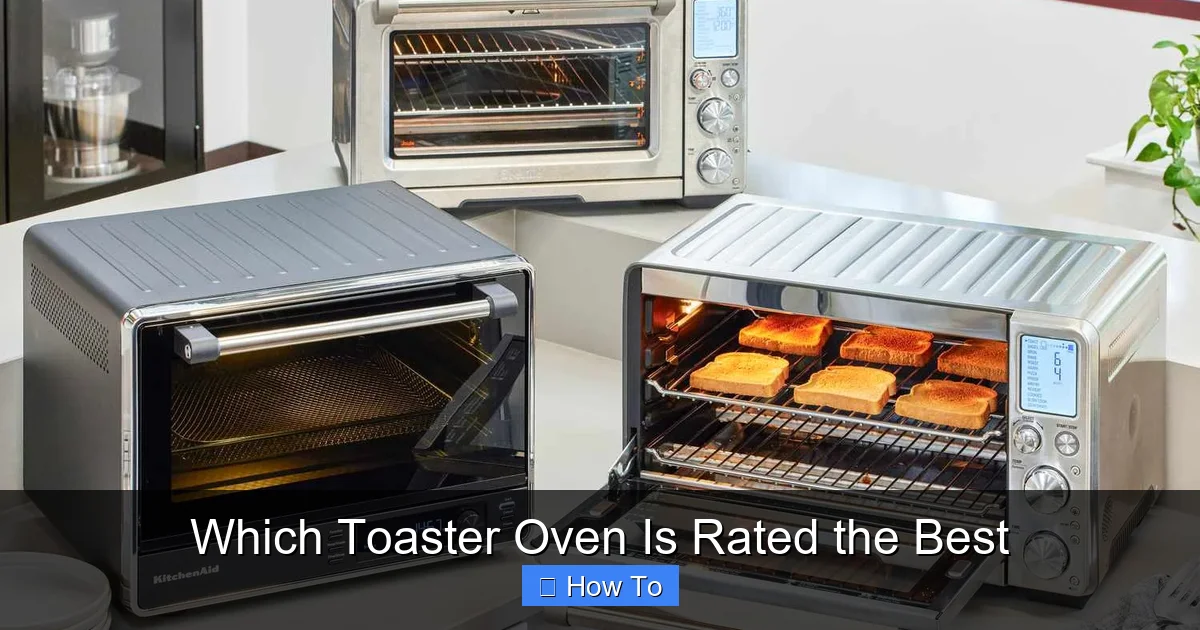
Finding the best-rated toaster oven doesn’t have to be overwhelming. In this guide, we compare top models, highlight key features, and help you decide which one fits your kitchen and budget perfectly. From compact designs to large-capacity convection ovens, we’ve got you covered.
Hey there! If you’re standing in a kitchen aisle staring at a wall of shiny appliances, wondering which toaster oven is rated the best, you’re definitely not alone. With so many brands boasting features like convection baking, air frying, and rotisserie functions, picking the right one can feel overwhelming. But here’s the good news: you don’t need to spend a fortune or read a dozen manuals to find a great fit. In this guide, we’ll walk through what really matters, break down top features, and help you feel confident in your choice. Let’s dive in and make your next kitchen upgrade a smooth, enjoyable experience.
Key Takeaways
- Point 1: Look for even heating and consistent browning to avoid burnt edges or undercooked centers.
- Point 2: Choose a size that matches your typical meals—compact for singles, spacious for family-sized dishes.
- Point 3: Convection fans speed up cooking and deliver crispier results, especially for roasting and baking.
- Point 4: Easy-clean coatings and removable crumb trays save time and keep maintenance hassle-free.
- Point 5: Adjustable temperature ranges and timer functions give you more control over various recipes.
- Point 6: Energy-efficient models use less power while still delivering strong performance, great for everyday use.
📑 Table of Contents
- What Makes a Toaster Oven Worth the Investment?
- Key Features That Set Top Models Apart
- Capacity and Size: Finding the Right Fit for Your Kitchen
- Convection vs. Traditional Heating: What Matters Most
- Budget-Friendly vs. Premium Picks
- Practical Tips for Getting the Most Out of Your Toaster Oven
- Conclusion
What Makes a Toaster Oven Worth the Investment?
Investing in a toaster oven is about more than just toasting bread. It’s a versatile countertop companion that can bake small batches of cookies, roast vegetables, and even air-fry crispy snacks. When you’re searching for the best, you’ll often see questions like which toaster oven is rated the best popping up in forums and reviews. The truth is, a truly great toaster oven balances power, size, and smart features without overcomplicating your routine. Look for models that preheat quickly, hold heat evenly, and offer enough space for your favorite dishes. A good toaster oven should feel like an extension of your main oven, but faster and more convenient for everyday tasks.
Heating Technology and Consistency
Even heating is the heart of any reliable toaster oven. Some models rely on simple radiant heat, which can create hot spots and uneven browning, especially when you’re baking a small cake or roasting a chicken breast. Convection toaster ovens use a fan to circulate hot air, which helps maintain a steady temperature throughout the cavity. This means your food cooks more uniformly, and you often don’t need to rotate trays halfway through. If you frequently bake or roast, a convection model can save you time and deliver more predictable results.
Temperature Control and Range
Not all toaster ovens offer the same temperature range. Basic models might top out at 450°F, while more advanced units reach 500°F or higher, giving you the flexibility to sear, brown, or even dehydrate. Precise thermostat controls allow you to set exact temperatures, which is crucial for recipes that require specific heat levels. Look for digital displays with clear temperature readouts, as they tend to be more accurate than dial-based systems. A wide temperature range also means you can experiment with everything from slow-roasted meats to crispy, golden-brown pizza.
Key Features That Set Top Models Apart
When you’re comparing options, certain features repeatedly appear in highly-rated reviews. These aren’t just bells and whistles—they genuinely improve the cooking experience and make the appliance more useful day-to-day. From intuitive controls to thoughtful design choices, the best-rated units tend to share a few common standout qualities.
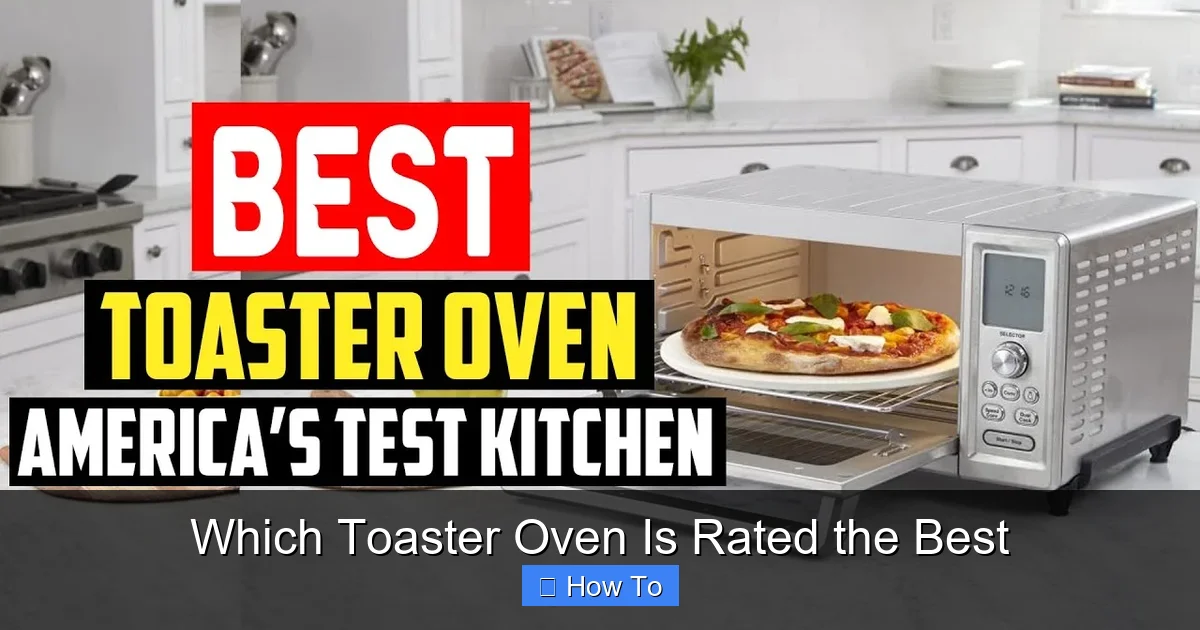
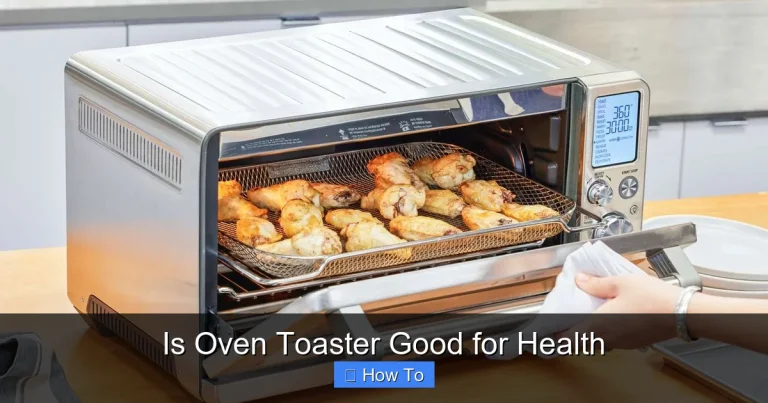
Visual guide about Which Toaster Oven Is Rated the Best
Image source: i.ytimg.com
Interior Space and Rack Configurations
The internal layout determines what you can actually fit inside. Some toaster ovens have a single fixed rack, while others offer multiple adjustable positions. Adjustable racks let you accommodate taller items like a whole chicken or a 12-inch pizza, and they also give you the flexibility to place food closer to or farther from the heating elements for customized browning. A roomier interior also means you can cook multiple items at once, which is a huge plus for families or meal prepping. Always check the manufacturer’s dimensions for the interior cavity, not just the overall footprint, to ensure it meets your needs.
Control Type: Dial vs. Digital
Dial controls are simple, durable, and often more affordable. You turn a knob to set temperature and time, and the machine does the rest. Digital controls, on the other hand, often come with preset functions like bake, broil, air fry, and toast. These presets take the guesswork out of cooking, especially for beginners. Some digital models even include smart features like internal temperature probes or smartphone connectivity. While digital panels offer more versatility, dials are less likely to malfunction over time and provide a tactile, straightforward experience that many home cooks appreciate.
Easy Cleaning and Maintenance
No one loves scrubbing a greasy crumb tray or scraping hardened food from glass doors. Top-rated toaster ovens often feature non-stick interiors, removable crumb trays, and glass doors that wipe clean with a damp cloth. Some models even have dishwasher-safe parts, which makes upkeep a breeze. A non-stick coating not only helps with cleanup but also prevents food from sticking during cooking, giving you better results and less frustration. If you plan to use your toaster oven daily, investing in a model with easy-clean features will save you time and keep the appliance looking newer for longer.
Capacity and Size: Finding the Right Fit for Your Kitchen
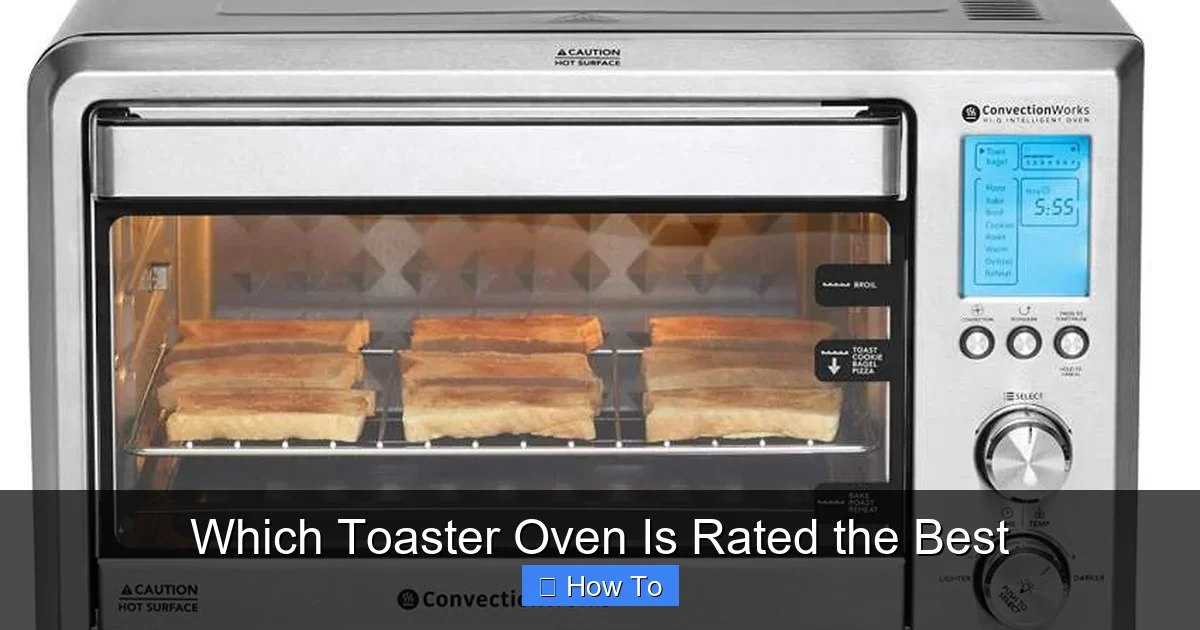
Size is one of the most practical considerations, yet it’s often overlooked until you get the unit home and realize it doesn’t fit your space or your dishes. Toaster ovens come in a range of capacities, from compact units that hold a single slice of bread to large models that can accommodate a 12-inch pizza or a family-sized casserole. Thinking about your typical cooking habits will help you narrow down the right capacity without overpaying for space you won’t use.
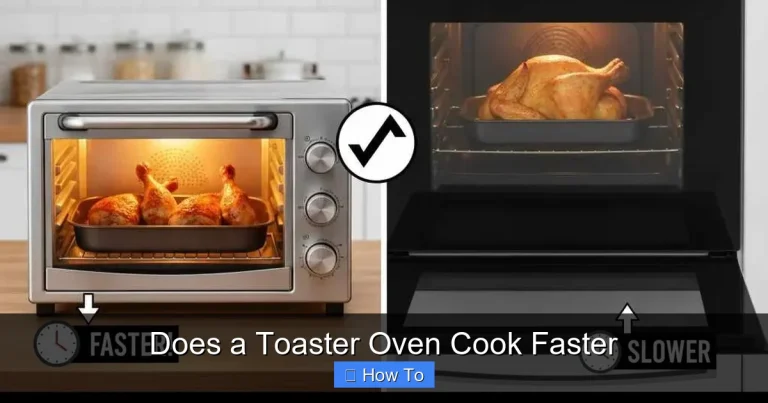
Visual guide about Which Toaster Oven Is Rated the Best
Image source: pproreviews.com
Compact Models for Small Spaces
If you live in a studio apartment, a dorm room, or simply have limited counter space, a compact toaster oven is a smart choice. These units typically hold 4 to 6 slices of bread or a small pizza, and they’re designed to fit snugly into tight corners. Despite their size, many compact models still offer convection cooking and basic baking functions. They’re perfect for toasting morning bagels, reheating leftovers, or whipping up a quick grilled sandwich without heating up your entire kitchen.
Large-Capacity Models for Family Cooking
For those who cook for more people, a large-capacity toaster oven can replace a secondary oven for many tasks. These models often fit a 12-inch pizza, a whole chicken, or multiple trays of cookies. They’re ideal for batch cooking, holiday meal prep, or simply making bigger portions of your favorite recipes. Keep in mind that larger units require more counter real estate and may take longer to preheat, but the trade-off is greater versatility and the ability to cook entire meals in one appliance. A best large capacity air fryer toaster oven is especially useful if you want the benefits of air frying without sacrificing space for larger dishes.
Counter Footprint vs. Interior Volume
It’s important to distinguish between how much counter space a toaster oven occupies and how much it can hold inside. Some compact designs maximize interior space through clever engineering, allowing them to fit larger dishes despite a small exterior. Conversely, some large models have a bulky footprint but a modest interior. Before buying, measure your counter space and think about the types of dishes you’ll most frequently prepare. Reading user reviews can also reveal whether a model’s claimed capacity matches real-world performance.
Convection vs. Traditional Heating: What Matters Most
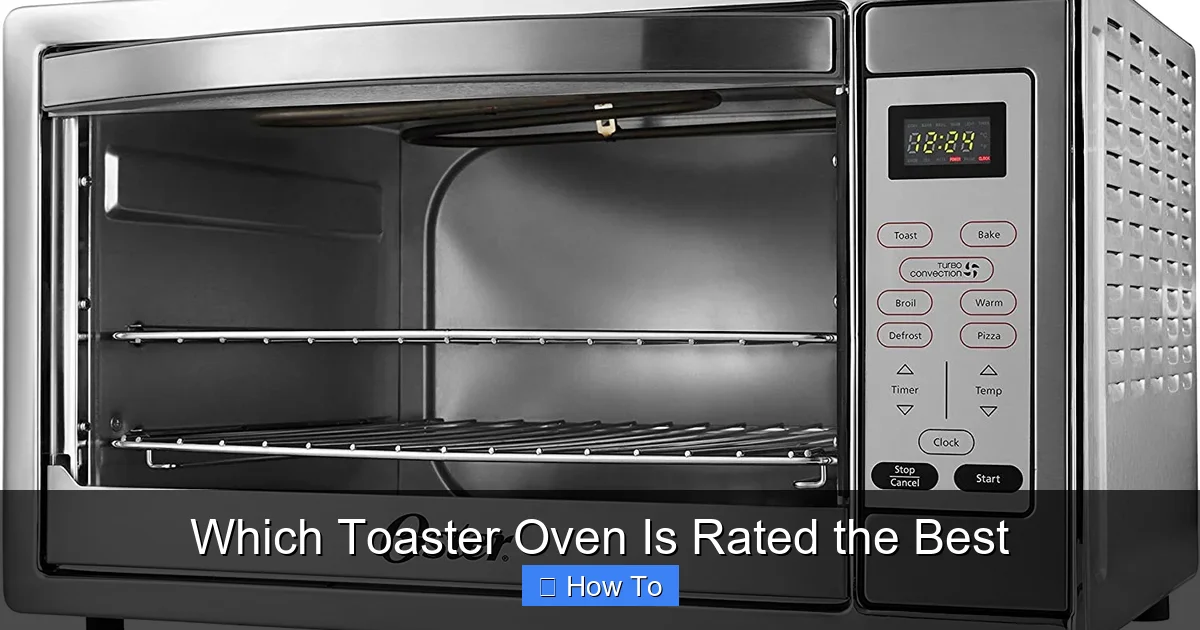
The heating method is a key differentiator that affects cooking speed, texture, and energy use. Understanding the trade-offs will help you choose a model that aligns with your cooking style.
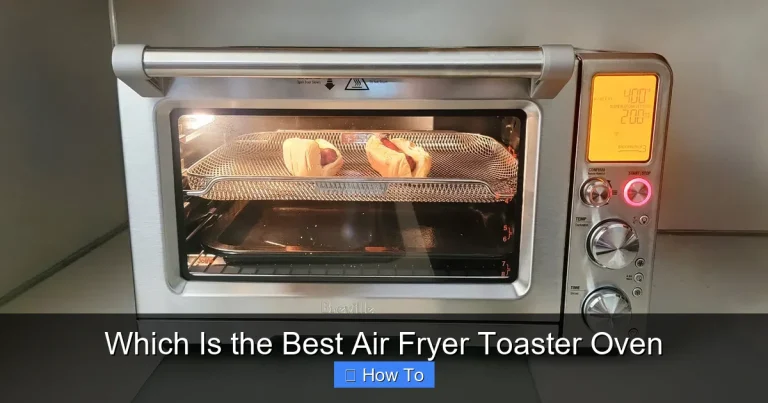
Visual guide about Which Toaster Oven Is Rated the Best
Image source: bestsmalltoasteroven.com
How Convection Works
Convection toaster ovens feature a fan that continuously circulates hot air around the food. This movement transfers heat more efficiently, which typically reduces cooking time by 25% compared to traditional heating. The result is often crispier exteriors and moist interiors, making convection excellent for roasting vegetables, baking cookies, and air frying. Because the heat is more evenly distributed, you’re less likely to experience the hot spots that can lead to burnt edges or undercooked centers.
When Traditional Heating Shines
Traditional, or non-convection, toaster ovens rely on heating elements positioned at the top and bottom. They’re often simpler in design and can be more affordable. Some cooks prefer traditional heating for tasks that benefit from steady, gentle heat, like melting cheese or toasting bread to a specific darkness. While they may take longer to cook food through, they’re still perfectly capable of handling everyday tasks like bagel toasting and simple reheating. If your primary use is quick toast and occasional reheating, a traditional model may be all you need.
Making the Choice
If you frequently bake, roast, or air fry, convection is usually the better investment. The added versatility and faster cooking times can make a noticeable difference in your kitchen routine. However, if your needs are basic—toast, bagels, and the occasional frozen snack—a non-convection model can save you money while still delivering reliable results. Consider how often you’ll use the extra features and whether the faster cooking speed aligns with your lifestyle.
Budget-Friendly vs. Premium Picks
Toaster ovens span a wide price range, from budget options under $50 to premium models that cost several hundred dollars. Understanding what you get at different price points helps you make a smart decision without overspending.
What to Expect Under $100
Budget-friendly toaster ovens often focus on the essentials: toast, bake, and broil. They may have basic dial controls, a smaller interior, and fewer preset functions. While they can handle daily toasting and simple reheating, they might lack the precision and durability of higher-end models. Non-stick coatings and removable crumb trays are common, but the materials may be lighter, and the heating elements less powerful. If you’re on a tight budget or need a secondary unit for a dorm or office, a sub-$100 model can still serve you well for basic tasks.
Mid-Range Value Around $100-$200
In the mid-price range, you’ll find a sweet spot of features and performance. Many models here offer convection fans, multiple rack positions, and a broader temperature range. Digital displays with preset functions like air fry and dehydrate become more common, and the build quality improves with sturdier knobs or buttons. This price bracket often delivers the best balance of cost and capability, making it a popular choice for families and serious home cooks who want more versatility without the premium price tag.
Premium Models Over $200
High-end toaster ovens often boast powerful convection systems, superior temperature precision, and a host of smart features. You might see internal temperature probes, Wi-Fi connectivity for remote control, and extra-large capacities that rival full-size ovens. Premium materials like stainless steel interiors, larger glass doors, and more robust heating elements are standard. These units are designed for cooks who want restaurant-quality results at home and don’t mind investing in a durable, feature-rich appliance. While the upfront cost is higher, the increased versatility, faster cooking, and longer lifespan can make them a worthwhile long-term investment.
Practical Tips for Getting the Most Out of Your Toaster Oven
Once you’ve chosen the right model, a few simple habits can help you achieve better results and extend the life of your appliance. These tips are easy to adopt and make a noticeable difference in your cooking outcomes.
Preheat When Necessary
Just like a full-size oven, preheating your toaster oven ensures that food starts cooking at the right temperature from the moment it goes inside. This is especially important for baking, where even rising depends on consistent heat. While some recipes skip this step for small batches, preheating for just 3–5 minutes can improve texture and cooking consistency. If your model has a dedicated preheat setting, use it for the best results.
Use the Right Pan Size
Fitting your cookware inside the toaster oven can be tricky, but using the right pan size makes all the difference. Small, shallow pans allow heat to circulate more freely, while oversized dishes can block airflow and lead to uneven cooking. If you’re using a baking sheet, leave a little space around the edges for air to move. Glass or ceramic dishes work well, but make sure they’re labeled as safe for toaster oven use to avoid cracking.
Clean Regularly
A clean toaster oven performs better and lasts longer. After each use, once the unit has cooled, remove and empty the crumb tray. Wipe the interior with a damp cloth to remove grease and food particles. For stubborn residue, a mixture of baking soda and water can gently lift stains without damaging the surface. Regular maintenance prevents buildup that can affect heating efficiency and even pose a fire risk over time.
Experiment with Rack Positions
Don’t settle for the default rack position. Moving the rack higher brings food closer to the top heating element for more browning, while lowering it exposes food to more bottom heat for thorough cooking. For example, place a pizza on the lowest rack for a crispy crust, and position cookies on a middle rack for even baking. Experimenting with rack positions helps you master your appliance and achieve the exact results you want.
Conclusion
Finding the best-rated toaster oven comes down to understanding your personal cooking habits, kitchen space, and budget. By focusing on key features like heating technology, capacity, ease of cleaning, and control type, you can confidently narrow down the options and select a model that truly enhances your daily routine. Remember that the “best” oven is the one that fits your life—whether you need a compact unit for quick toast or a large-capacity convection machine for family meals and air frying. We hope this guide has shed light on what to look for and given you the tools to make an informed decision. Happy cooking, and may your next toaster oven become the most-used appliance on your countertop!
Frequently Asked Questions
What is the best toaster oven for small kitchens?
For small kitchens, a compact toaster oven that takes up minimal counter space while still offering essential functions like toasting, baking, and broiling is ideal. Look for models with a small footprint but a surprisingly roomy interior, and consider units with removable crumb trays for easy cleanup.
Can a toaster oven replace a full-size oven?
Yes, many toaster ovens—especially large-capacity convection models—can handle many of the same tasks as a full-size oven, from roasting a chicken to baking a casserole. While they may cook faster due to their size, they’re a great option for smaller meals or when you want to avoid heating up your whole kitchen.
Is convection better than traditional heating in a toaster oven?
Convection heating uses a fan to circulate hot air, which typically results in faster cooking times, more even browning, and crispier results. Traditional heating is simpler and can be sufficient for basic toasting and reheating, but convection offers greater versatility and efficiency for most cooking tasks.
What features should I look for in a highly-rated toaster oven?
Key features include even heating technology, adjustable temperature ranges, a wide interior capacity, easy-clean coatings, and intuitive controls. Additional useful functions might include preset programs for air frying or dehydrating, a removable crumb tray, and a removable rack for versatile positioning.
How do I clean and maintain my toaster oven?
After each use, once the unit has cooled, remove and empty the crumb tray and wipe the interior with a damp cloth. For tougher grease, a paste of baking soda and water can be applied, left for a few minutes, and then gently wiped away. Regularly checking and cleaning the heating elements and exterior keeps the appliance functioning well and extends its lifespan.
Are expensive toaster ovens worth the investment?
Higher-priced models often offer better temperature precision, more durable construction, and additional features like convection fans, internal temperature probes, and smart controls. If you cook frequently and value versatility, speed, and consistent results, a premium toaster oven can be a worthwhile long-term addition to your kitchen.