Which Toaster Oven to Buy
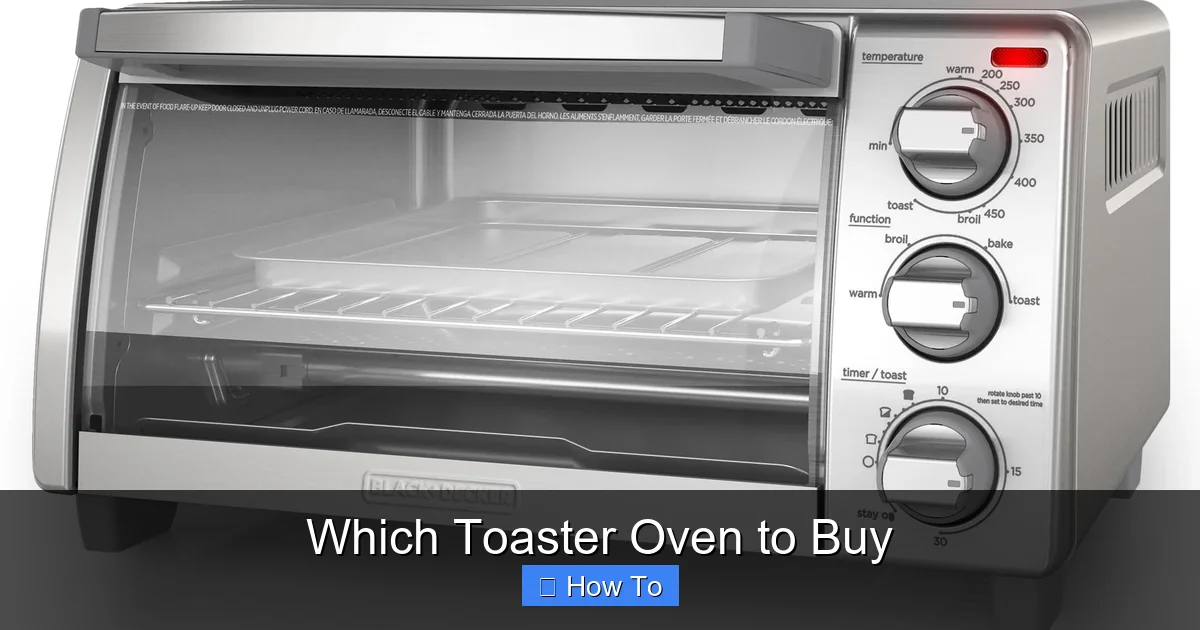
Choosing the right toaster oven can transform your cooking routine, whether you’re reheating leftovers, baking a pizza, or roasting vegetables. This guide walks you through the key factors, top brands, and budget‑friendly options so you can buy with confidence.
When you think about modern cooking, a toaster oven often sits at the intersection of convenience and versatility. It can toast bread, bake a pizza, roast vegetables, and even dehydrate fruit – all in a fraction of the time an oven needs. Yet, with dozens of models on the market, the decision can feel overwhelming. This article breaks down everything you need to know to choose the perfect toaster oven for your kitchen.
First, imagine pulling out a compact appliance that fits on most countertops and still delivers restaurant‑quality results. That’s the promise of a good toaster oven. In the next few minutes, we’ll explore types, features, brands, and practical tips. By the end, you’ll feel confident pointing to the exact model you want and explaining why it’s the best fit for your home.
Key Takeaways
- Point 1: Size matters – pick a capacity that fits your family and typical recipes.
- Point 2: Power and wattage affect cooking speed and consistency.
- Point 3: Convection models cook faster and more evenly than conventional models.
- Point 4: Look for easy‑clean interiors and removable trays to simplify maintenance.
- Point 5: Compare top brands like Breville, Ninja, and Hamilton Beach for reliability.
- Point 6: Consider your cooking habits – reheating, baking, or roasting – when selecting a model.
- Point 7: Check warranties and return policies for peace of mind.
📑 Table of Contents
Understanding Toaster Oven Types and Sizes
Countertop vs. Compact Models
Most toaster ovens fall into two main categories: countertop and compact. Countertop models usually sit on a standard kitchen counter and offer more cooking space. They are ideal for families that need to bake a 12‑inch pizza or cook a tray of roasted vegetables for four or more people. Compact models are smaller, often under 1.5 cubic feet, and are perfect for singles or small apartments. They save counter space but limit batch cooking. When you decide, think about how many people you typically cook for and how much counter real‑estate you have.
Size also influences wattage. Larger ovens often have 1500–1800 W, while compact units may be 900–1200 W. Higher wattage means faster preheating and more even browning. If you plan to roast a chicken leg or bake a casserole, a larger, higher‑wattage model will serve you better.
Capacity and Cooking Area
Capacity is measured in cubic feet. A 2.5‑cubic‑foot oven can hold a standard baking sheet, while a 1.5‑cubic‑foot unit may only fit a pizza pan. Look for an oven that offers flexibility – some models include a lower rack for baking and an upper rack for toasting. This dual‑rack design lets you cook two dishes at once, which is a huge time‑saver for weeknight dinners.
If you love experimenting with air‑frying, consider a model that combines a toaster oven with an air‑fryer. For more on these hybrid units, check out our guide on Which Air Fryer Toaster Oven Is Best 2. These appliances often have a removable basket that slides right into the oven, giving you crispy results without extra equipment.
Key Features to Look For
Power and Wattage
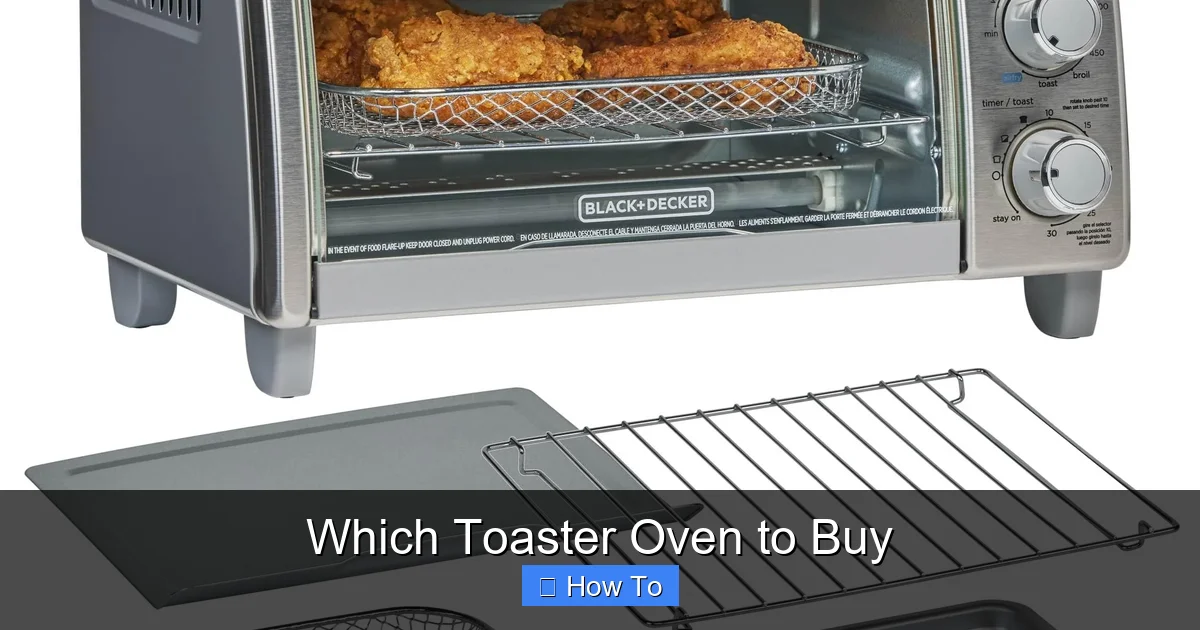
Wattage directly impacts how quickly the oven heats up and how well it browns food. Most countertop toaster ovens range from 1200 W to 1800 W. If you frequently bake, aim for the higher end of the spectrum. A 1800‑W oven will preheat in under five minutes and deliver a nice crust on pizza in about 10 minutes.
Visual guide about Which Toaster Oven to Buy
Image source: m.media-amazon.com
Power also relates to energy efficiency. Modern ovens often have ECO modes that reduce wattage when you’re not actively cooking. This can lower your electricity bill, especially if you use the oven for short tasks like reheating leftovers.
Temperature Controls
Choose an oven with precise temperature controls. Digital displays let you set exact temperatures in 5‑degree increments, while analog dials may be less accurate. Some models offer preset programs for pizza, bake, or toast. These presets are handy for beginners because they take the guesswork out of timing.
Consider the range of temperatures. Most toaster ovens cover 90 °F to 500 °F. If you plan to dehydrate fruit or nuts, you’ll need the higher end. If you mainly reheat, a lower range is fine.
Convection vs. Conventional Heating
Convection toaster ovens use a fan to circulate hot air. This results in faster, more even cooking and better browning. For example, a pizza cooks in about 8‑10 minutes in a convection model versus 12‑15 minutes in a conventional one. If speed and consistency are priorities, convection is worth the extra cost.
Conventional models are simpler and often cheaper. They work well for basic tasks like toasting bread or warming up a muffin. If you’re on a tight budget, a conventional oven can still meet most everyday needs.
Popular Brands and Models
Top Picks for Families
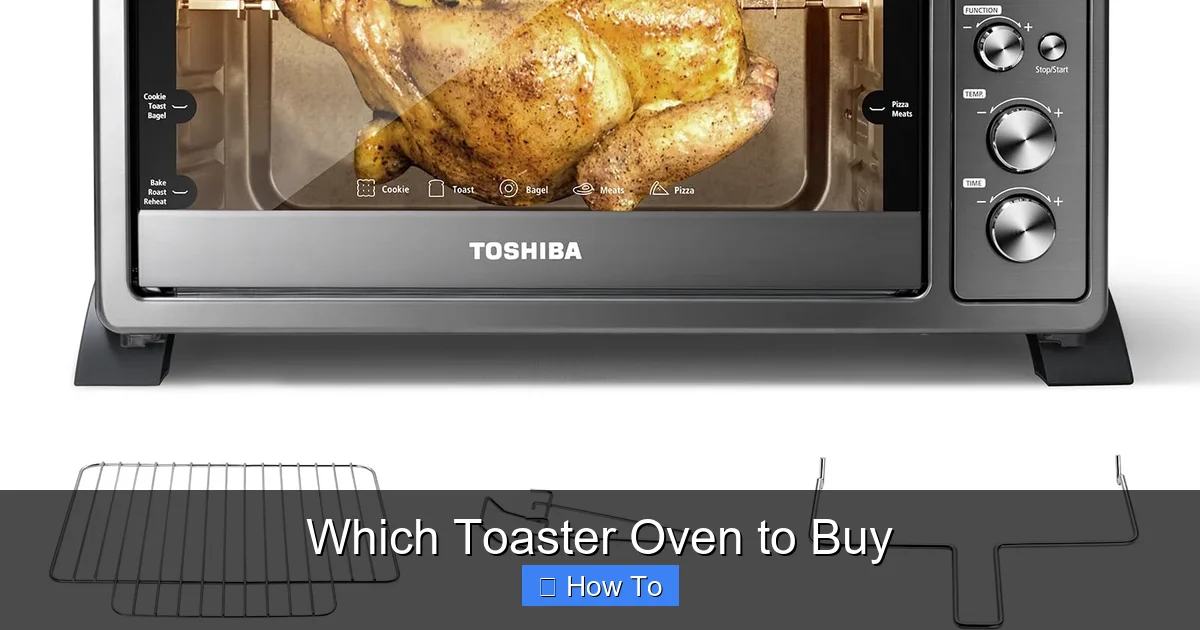
When families need reliability, brands like Breville and Ninja consistently rank high. Breville’s BTA800 is a 1800‑W convection oven with a large 1.5‑cubic‑foot capacity. It includes a pizza setting and a flexible rack system. Ninja’s AF101 is a hybrid air‑fryer toaster oven that offers crisp results without extra cleanup. It’s especially popular for cooking chicken wings and roasted vegetables.
Visual guide about Which Toaster Oven to Buy
Image source: m.media-amazon.com
These models are known for durable heating elements and easy‑to‑clean interiors. They also come with safety features like cool‑touch handles and automatic shutoff.
Budget‑Friendly Options
You don’t need to spend over $300 to get a solid toaster oven. Hamilton Beach and George Foreman offer entry‑level models under $150. The Hamilton Beach 31200BZ is a 1200‑W conventional oven with a 1.2‑cubic‑foot capacity. It performs well for reheating and basic baking. George Foreman’s GFTOC30 is a 1500‑W convection model that includes a built‑in air‑fryer basket, giving you extra versatility without breaking the bank.
Even budget models benefit from modern features like digital timers and removable trays. Look for models that include a self‑cleaning function – it can extend the life of the appliance.
How to Choose Based on Your Cooking Habits
Reheating Leftovers
If you mainly reheat, a small to medium‑size conventional oven is sufficient. Set the temperature to 350 °F and use the lower rack. This method warms food evenly and keeps textures intact. For quick reheats, many ovens have a “Reheat” preset that handles timing automatically.
Visual guide about Which Toaster Oven to Buy
Image source: blacksesamekitchen.com
Baking Pizza and Casseroles
Pizza lovers should target a model with convection and a pizza preset. A 12‑inch pizza fits best in a 1.5‑cubic‑foot oven. Preheat to 475 °F, then bake for 8‑12 minutes. For casseroles, a larger capacity and higher wattage are ideal. Use the middle rack and avoid overcrowding to ensure even browning.
Roasting Vegetables and Meats
Roasting requires steady heat and good air circulation. Convection ovens excel here. Place vegetables on a rack, season, and roast at 425 °F. For meats, use the lower rack and a drip pan. Many models include a “Roast” preset that alerts you when the internal temperature of meat reaches a safe level.
If you love air‑frying, a hybrid unit can replace both appliances. For more details on choosing the best hybrid, see our guide on Best Easy To Clean Air Fryer Toaster Oven 2. These models often have a dedicated air‑fryer basket that slides in easily, giving you crispy results with less cleanup.
Maintenance and Cleaning Tips
Interior Cleaning
After each use, let the oven cool for a few minutes. Remove the baking sheet and rack. Use a soft cloth with mild soap and water to wipe the interior. For stubborn spots, a mixture of baking soda and water creates a gentle abrasive paste. Avoid harsh chemicals that can damage the non‑stick coating.
Many modern ovens have a self‑clean function. Follow the manufacturer’s instructions: select “Self‑Clean,” close the door, and let the oven run at high temperature. This burns off food residue into ash, which you can then sweep away.
Exterior Care
Wipe the exterior with a damp cloth. For stainless‑steel finishes, use a product designed for that surface to avoid streaks. Keep the control knobs clean and dry. If you have a digital display, use a dry microfiber cloth to prevent moisture from seeping in.
Regular maintenance not only keeps your toaster oven looking new but also extends its life. A quick daily wipe‑down takes less than a minute and prevents buildup.
Where to Buy and How to Get the Best Deal
Online vs. Local Retailers
Online stores often have the widest selection and competitive pricing. Amazon, Best Buy, and the manufacturer’s website all offer free shipping on many models. You can read verified reviews and compare specs side‑by‑side.
Local retailers like Home Depot or Bed Bath & Beyond let you see the appliance in person. You can test the controls and ask staff about specific features. Some stores offer in‑store demos that show how quickly the oven preheats.
Warranty and Support
Look for a warranty of at least one year. Many brands extend warranties to two years for major components like heating elements. Check if the warranty covers replacement parts – this can save money if the oven breaks down later.
Customer support matters too. A brand with responsive phone support and clear online FAQs can save you frustration. Some models even have a mobile app that tracks cooking times and offers recipe suggestions.
When you finally pick your model, consider the overall value. A slightly higher upfront cost can mean lower energy bills and fewer repairs over the years. Compare the total cost of ownership, not just the sticker price.
In conclusion, choosing the right toaster oven is about matching features to your lifestyle. Determine the size you need, decide between convection and conventional, and pick a brand that offers reliable support. Whether you go for a family‑friendly Breville, a budget‑wise Hamilton Beach, or a hybrid air‑fryer toaster oven, the right appliance will make daily cooking easier and more enjoyable.
Frequently Asked Questions
What is the average lifespan of a toaster oven?
Most quality toaster ovens last 5‑7 years with regular use. Proper cleaning and avoiding overheating can extend that range. If you notice inconsistent heating or strange noises, it may be time for a replacement.
Do I need a convection toaster oven?
Convection models cook faster and more evenly, which is great for baking pizza or roasting vegetables. If you mainly reheat or toast, a conventional model may be sufficient and more affordable.
Can I use aluminum foil in a toaster oven?
Yes, but use it sparingly and never block the airflow. Avoid covering vents or stacking too many foils, as this can cause overheating or fire hazards.
Is a hybrid air‑fryer toaster oven worth the extra cost?
If you love crispy foods and want to save counter space, a hybrid unit can replace two appliances. Look for easy‑clean designs and good reviews before buying.
How do I clean burnt residue from the interior?
Allow the oven to cool, then sprinkle baking soda over the burnt area. Add a few drops of water to form a paste, let it sit for 15 minutes, and wipe gently. For stubborn spots, a non‑abrasive scrubber works well.
What safety features should I look for?
Seek automatic shutoff, cool‑touch handles, and a door lock mechanism. Some models also include overheat protection that turns off the heating elements if the temperature gets too high.