Why Did My Bread Not Rise in the Oven
Bread not rising in the oven often stems from improper proofing, expired yeast, incorrect temperatures, or dough that’s too dense. Adjust your technique, check your ingredients, and ensure your oven is preheated correctly to achieve that perfect rise.
Key Takeaways
- Yeast activation matters: Warm water (110–115°F) and fresh yeast are critical for dough to rise.
- Proofing time is key: Allow dough to double in size before baking—rushing this step halts rising.
- Oven temperature affects rise: A cold oven or drastic temperature drops can kill yeast activity mid-bake.
- Gluten development needs kneading: Under-kneaded dough lacks structure to trap gas and rise.
- Salt balance is essential: Too much salt can inhibit yeast, while too little affects flavor and texture.
📑 Table of Contents
Why Did My Bread Not Rise in the Oven?
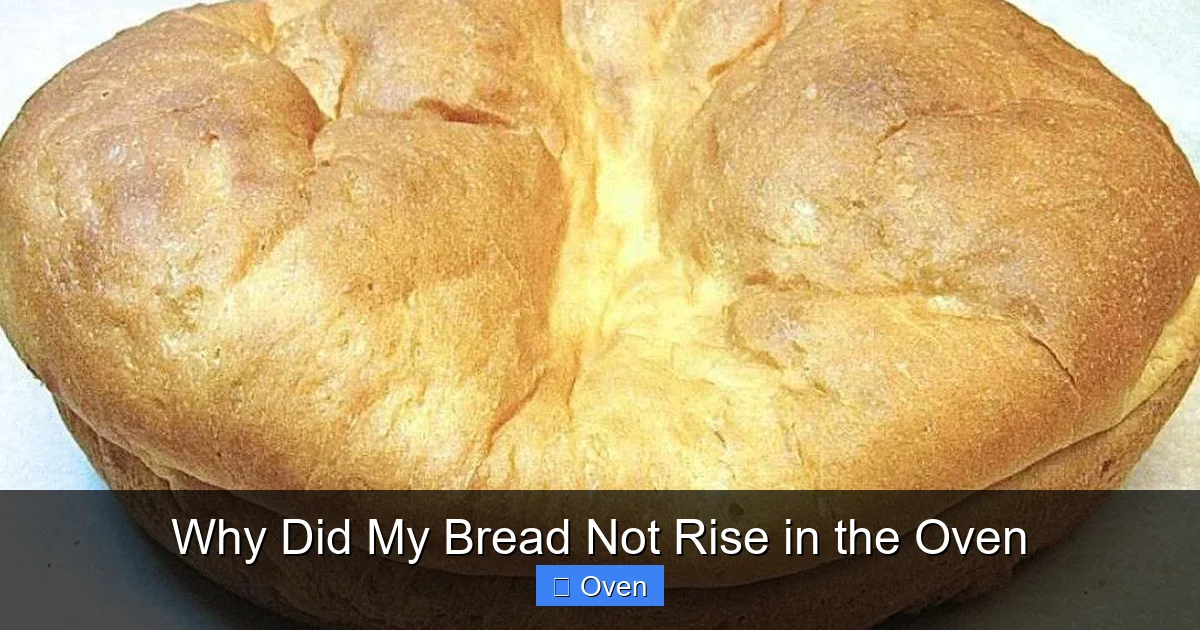
Nothing beats the joy of pulling a warm, golden loaf from the oven—only to realize it’s as flat as a pancake. If you’ve ever asked, *“Why did my bread not rise in the oven?”* you’re not alone. Bread rising is a delicate dance between time, temperature, and technique. Even a small misstep can leave you with a dense, unappetizing result. But don’t worry—this guide will walk you through the most common culprits and how to fix them.
Baking bread at home is rewarding, but it’s also a science. The oven’s role in the rising process is often misunderstood. While yeast ferments the dough at room temperature, the oven’s heat triggers the final expansion, known as *oven spring*. If your bread skips this step, the result is flat and heavy. Let’s break down the reasons behind this baking blunder and how to avoid it.
1. The Yeast Went to Sleep (or Died)
Expired or Dead Yeast
Yeast is a living organism, and like any living thing, it needs the right conditions to thrive. If your yeast packet is past its expiration date, it might be inactive. Even if unopened, yeast can lose potency over time, especially if stored improperly.
Water Temperature Woes
Another common mistake is using water that’s too hot or too cold. Yeast activates best in water between 110–115°F (43–46°C). If the water is too hot, it kills the yeast; if it’s too cold, the yeast won’t wake up. Test the water with your wrist—it should feel warm, not hot.
Proofing Neglect
Proofing is the dough’s rehearsal before baking. Skipping this step or rushing it can prevent the yeast from developing properly. Let your dough rest in a warm, draft-free spot until it doubles in size. If your kitchen is chilly, place the bowl near a sunny window or use a proofing box.
2. The Oven’s Temperature Was Off
Cold Oven, Hot Dough
A cold oven can shock the dough, stunting its rise. Preheat your oven to the correct temperature before baking. Some ovens take longer to heat up, so use an oven thermometer to confirm accuracy.
Too Hot, Too Fast
On the flip side, an oven that’s too hot can cause the crust to form too quickly, cutting off the dough’s expansion. This is especially true for delicate doughs like brioche or sourdough.
Oven Spring: The Final Act
Oven spring happens when the heat from the oven causes the dough to expand rapidly. If your oven isn’t preheated, this burst of growth won’t happen, leaving you with flat bread.
3. The Dough Was Too Dense
Under-Kneaded Dough
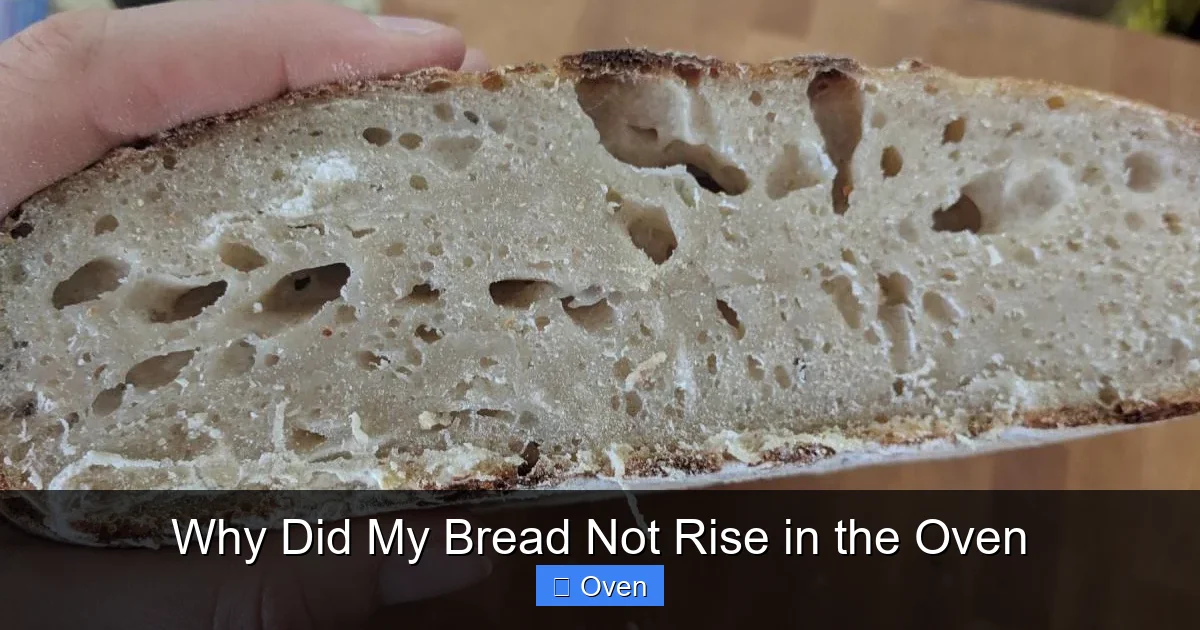
Kneading develops gluten, which gives bread its structure. If you under-knead, the dough won’t stretch or trap gas, leading to a dense loaf. Aim for a smooth, elastic dough that passes the “windowpane test”—stretch a small piece thin enough to see through without tearing.
Too Much Flour or Not Enough
Adding too much flour can make the dough stiff and heavy. Conversely, too little flour might prevent proper gluten formation. Follow your recipe’s measurements closely, and adjust only if necessary.
Over-Proofing or Under-Proofing
Over-proofing lets the dough rise too long, exhausting the yeast. Under-proofing doesn’t give it enough time to develop. Both scenarios can result in flat bread. Use the “poke test”: gently press the dough—if it springs back slowly, it’s ready.
4. The Recipe Was Flawed
Wrong Flour Type
Not all flour is created equal. Bread flour has higher protein content, which strengthens gluten. All-purpose flour works in a pinch, but cake flour (low protein) will leave your bread flat.
Salt Sabotage
Salt regulates yeast activity. Too much can inhibit it, while too little affects flavor. If you’re using a recipe that calls for salt, don’t skip it—unless you’re making a no-salt bread (which requires a different approach).
Sugar Overload
Sugar feeds yeast, but too much can overwhelm it. If your recipe has a lot of sugar, consider reducing it slightly. Alternatively, use a richer dough with more fat (like butter) to balance the sugar’s effect.
5. Environmental Factors at Play
Cold or Windy Kitchens
Yeast thrives in warm, stable environments. If your kitchen is drafty or too cold, the dough won’t rise properly. Keep it in a warm spot, like near a radiator or on top of the fridge.
Humidity Hurdles
High humidity can make dough sticky and hard to handle, while low humidity dries it out. Adjust your hydration levels accordingly—add a splash of water if it’s too dry, or flour if it’s too wet.
6. Other Common Mistakes
Using Old Ingredients
Expired baking powder, baking soda, or even old milk can sabotage your bread. Always check the freshness of your ingredients before baking.
Skipping the Salt
As mentioned earlier, salt isn’t just for flavor—it controls yeast. Omitting it can lead to over-fermentation and a flat loaf.
Not Letting the Dough Rest
Some recipes require a second rise after shaping. If you skip this step, the dough won’t have enough time to expand fully.
How to Fix Flat Bread: Pro Tips
Check Your Yeast
Before baking, test your yeast with a small amount of warm water and sugar. If it bubbles and froths within 5–10 minutes, it’s active. If not, toss it and use fresh yeast.
Preheat Your Oven
Give your oven at least 20–30 minutes to reach the correct temperature. Use an oven thermometer to ensure accuracy, especially if your oven has a history of being unreliable.
Knead Thoroughly
Knead your dough until it’s smooth and elastic. If you’re using a stand mixer, mix on medium speed for 5–7 minutes. By hand, knead for 10–15 minutes until the windowpane test passes.
Proof in the Right Spot
Place your dough in a warm, draft-free area. A proofing box or a microwave with a bowl of hot water can create the perfect environment.
Use the Right Flour
Invest in bread flour for better gluten development. If you’re using all-purpose flour, increase the amount slightly to compensate for lower protein content.
Adjust for Altitude
At higher altitudes, water boils at a lower temperature, and air pressure affects dough. Reduce your recipe’s liquid by 25% and increase baking powder by 1/8 teaspoon per teaspoon of flour.
Conclusion: Rise to the Occasion
Bread that doesn’t rise in the oven is frustrating, but it’s also fixable. By understanding the role of yeast, temperature, and technique, you can troubleshoot your way to a perfect loaf. Remember, baking is as much about practice as it is about precision. Keep experimenting, adjust your methods, and soon you’ll be pulling out beautifully risen bread every time.
FAQs
Why did my bread not rise in the oven even though I followed the recipe?
Even with a recipe, factors like expired yeast, incorrect water temperature, or an unheated oven can prevent rising. Always test your yeast and preheat your oven thoroughly.
Visual guide about Why Did My Bread Not Rise in the Oven
Image source: thefreshloaf.com
Visual guide about Why Did My Bread Not Rise in the Oven
Image source: i.pinimg.com
Can I use old yeast for bread?
Expired yeast may not activate properly. Test it by mixing with warm water and sugar—if it doesn’t bubble, use fresh yeast.
How do I know if my dough is proofed enough?
Dough is ready when it doubles in size and passes the “poke test”—a slow spring-back indicates proper proofing.
What temperature should my oven be for bread?
Most bread recipes require 350–425°F (175–220°C). Use an oven thermometer to confirm accuracy, as ovens can vary.
Can I fix flat bread after baking?
Unfortunately, once baked, flat bread can’t be fixed. However, you can use it for stuffing, croutons, or bread pudding.
Why does my bread rise in the oven but collapse later?
This is often due to over-proofing or under-kneading. Ensure proper gluten development and avoid letting the dough rise too long.
Frequently Asked Questions
What is Why Did My Bread Not Rise In The Oven?
Why Did My Bread Not Rise In The Oven is an important topic with many practical applications.