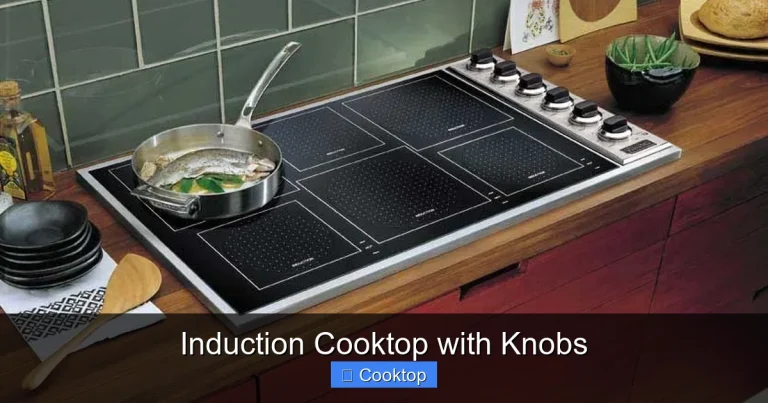
30 Inch Electric Cooktop with Downdraft
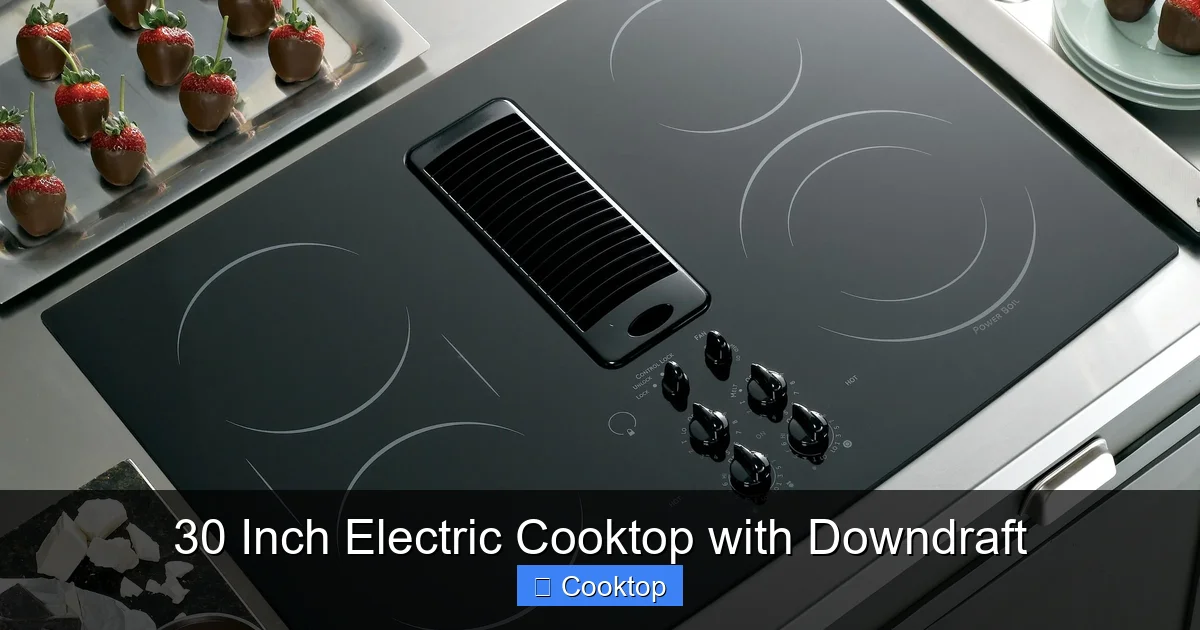
A 30 inch electric cooktop with downdraft combines powerful cooking performance with built-in ventilation, eliminating the need for a separate range hood. This space-saving appliance is perfect for modern kitchens, islands, and open-concept layouts where overhead venting isn’t possible.
If you’re remodeling your kitchen or building a new one, you’ve probably come across the term “downdraft cooktop.” It sounds fancy, but the concept is simple. A 30 inch electric cooktop with downdraft pulls smoke, steam, and cooking odors downward instead of upward. This means you don’t need a big, bulky range hood hanging over your cooking surface. It’s a sleek, modern solution that opens up your kitchen design possibilities.
I remember when my friend Sarah renovated her kitchen. She had a beautiful island but hated the idea of a hood blocking the view into the living room. She chose a 30 inch electric cooktop with downdraft and has never looked back. It keeps her air clean while maintaining that open, airy feel. If you’re in the same boat, this guide will walk you through everything you need to know.
Key Takeaways
- Space-saving design: Integrates ventilation directly into the cooktop, freeing up overhead space for cabinets or open shelving.
- Ideal for kitchen islands: Perfect for island installations where traditional overhead hoods are impractical or impossible.
- Effective smoke and odor removal: Downdraft systems pull cooking fumes down and away, keeping your kitchen air clean.
- Easy to clean: Smooth glass-ceramic surfaces wipe clean quickly, and many models have removable filters for simple maintenance.
- Multiple element sizes: Flexible cooking zones accommodate various pot and pan sizes for versatile meal prep.
- Installation requires planning: Needs proper ductwork routing beneath the floor or through cabinetry for optimal performance.
- Energy efficient: Electric radiant or induction elements provide precise temperature control with less wasted heat.
📑 Table of Contents
What Is a 30 Inch Electric Cooktop with Downdraft?
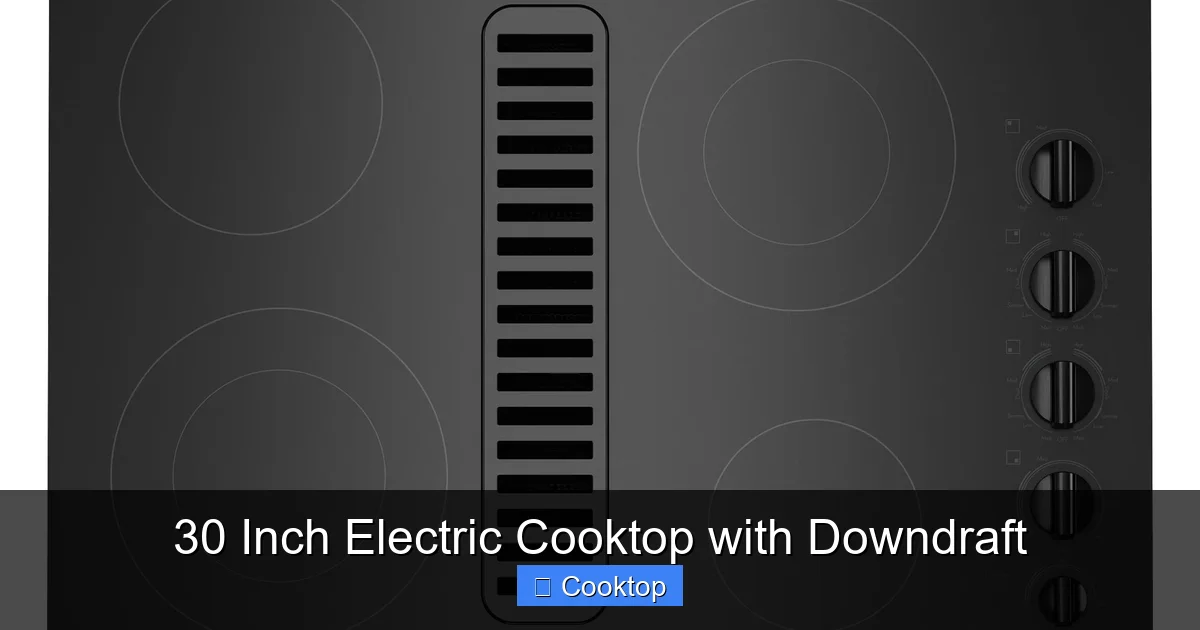
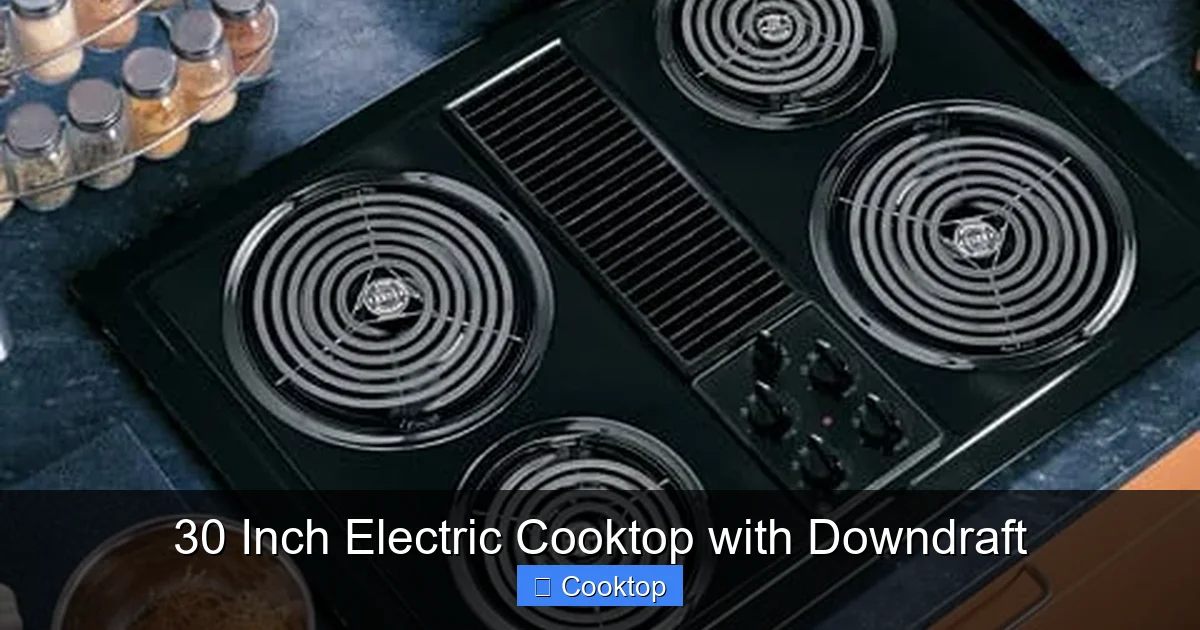
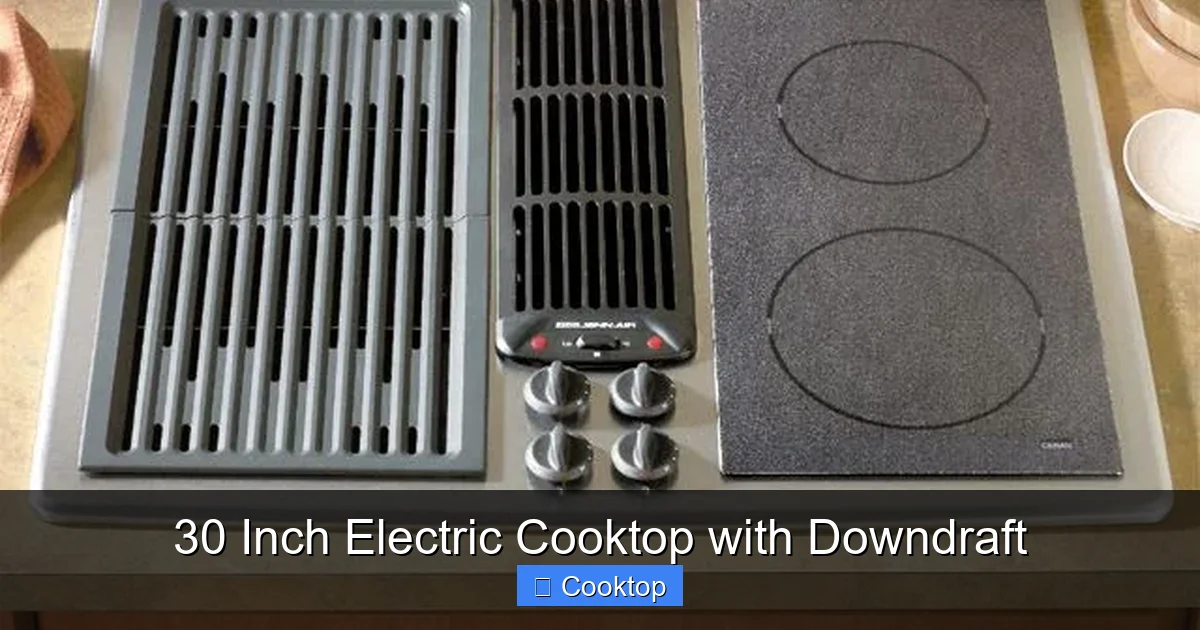
At its core, this appliance is a standard 30-inch wide electric cooktop. It usually features four or five radiant heating elements or induction zones beneath a smooth glass-ceramic surface. The difference lies in the ventilation. Instead of relying on an overhead hood, a fan system sits behind or beside the burners. When you turn it on, it draws air down through a filter and into ductwork that vents outside.
How the Downdraft System Works
The mechanism is straightforward. A powerful blower motor creates negative pressure. This pulls rising cooking vapors horizontally across the cooktop surface and then downward into a hidden duct. Most systems have multiple fan speeds. You can use a low setting for simmering and a high setting for searing or frying. Some models even have automatic sensors that adjust the fan speed based on heat levels.
Electric vs. Induction Downdraft Cooktops
You’ll encounter two main types of heating technology. Radiant electric cooktops use metal coils beneath the glass. They heat the glass, which then heats your pan. Induction cooktops use electromagnetism to heat the pan directly. The cooktop surface stays relatively cool. Induction is faster and more energy-efficient. However, radiant models are generally more affordable. Both work well with downdraft ventilation. If you’re leaning toward induction, check out our guide on the best 30 inch induction cooktop with downdraft for detailed comparisons.
Benefits of Choosing a Downdraft Cooktop
Why go through the trouble of installing a downdraft system? The advantages are significant, especially for specific kitchen layouts.
Visual guide about 30 Inch Electric Cooktop with Downdraft
Image source: c.shld.net
Unobstructed Sightlines and Design Freedom
This is the biggest selling point. Without a range hood, you have a clean, minimalist look. You can install the cooktop in an island without a hood blocking the view. You can place it against a window. You can add open shelving or a decorative backsplash right behind the cooking surface. It gives designers and homeowners total creative freedom.
Perfect for Kitchen Islands
Islands are the heart of the modern kitchen. But venting an island cooktop traditionally requires running ductwork through the ceiling and roof. That’s expensive and complicated. A downdraft system vents through the floor or the cabinet base. It’s much easier to route ductwork during a remodel or new build. This makes a 30 inch electric cooktop with downdraft the go-to choice for island installations.
Effective Ventilation Where You Need It
Critics used to say downdrafts don’t work as well as overhead hoods. Technology has improved dramatically. Modern high-CFM blowers capture steam and smoke effectively at the source. Because the intake is right next to the burners, it grabs fumes before they rise into your breathing zone. For most home cooks, a quality downdraft system provides more than enough suction.
Space Savings in Small Kitchens
In a compact kitchen, every inch counts. A range hood takes up valuable upper cabinet space. Eliminating it gives you an extra cabinet for storage. Or it simply makes the room feel larger and less cluttered. It’s a smart way to maximize a small footprint.
Key Features to Look For
Not all downdraft cooktops are created equal. Here are the specs and features that separate the best from the rest.
Visual guide about 30 Inch Electric Cooktop with Downdraft
Image source: assets.ajmadison.com
Blower Power (CFM Rating)
CFM stands for Cubic Feet per Minute. It measures how much air the fan moves. For a 30-inch cooktop, look for at least 300-400 CFM for basic cooking. If you do a lot of high-heat searing, wok cooking, or fry frequently, aim for 500-600 CFM or higher. Some premium models offer remote blowers that can be mounted further away, reducing noise in the kitchen while delivering massive power.
Number and Size of Elements
Most 30-inch models have four elements. High-end units may have five. Look for a variety of sizes. You want a large element (10-12 inches) for big stockpots, a medium one for everyday pans, and a small one for sauces. Bridge elements are a bonus. They combine two zones into one long zone for griddles or oversized cookware.
Control Type and Usability
Touch controls are standard now. They’re sleek and easy to clean. Look for responsive, intuitive interfaces. Some offer slide-touch control for precise power adjustment. Others use individual +/- buttons. Physical knobs are rare on downdraft models but offer tactile feedback. Consider lockout features for safety if you have kids.
Filter Design and Maintenance
The grease filter is your first line of defense. It should be easily accessible, usually from the front or top. Stainless steel mesh filters are durable and dishwasher-safe. Some models have indicator lights that remind you when it’s time to clean the filter. Easy maintenance keeps the system running efficiently.
Ducting Options and Flexibility
Check the duct connection size and location. Most use 6-inch or 8-inch round duct. Some offer rectangular duct adapters. Verify if the unit can vent forward, backward, or down through the floor. Flexible ducting options make installation much easier in tricky layouts. For a solid electric option with four elements, take a look at the best 30 electric downdraft cooktop with 4 elements.
Installation Considerations
Installing a downdraft cooktop is more involved than a standard cooktop. Planning ahead saves headaches and money.
Visual guide about 30 Inch Electric Cooktop with Downdraft
Image source: lh3.googleusercontent.com
Cabinet Depth and Clearance
The downdraft mechanism takes up space behind the burners. This reduces the usable depth of the cabinet below. You often lose a drawer or need a shallower cabinet. Check the manufacturer’s specs for minimum cabinet depth. Typically, you need at least 24 inches of clear depth behind the unit for the blower and duct transition.
Ductwork Routing
This is the most critical part. The duct must run from the cooktop to the exterior. The shorter and straighter the run, the better the performance. Avoid sharp 90-degree turns; use two 45-degree elbows instead. If venting through the floor, you need access to the crawl space or basement. If venting through a wall, you need a clear path through the cabinet base. Rigid metal duct is best. Flexible duct creates turbulence and reduces airflow.
Makeup Air Requirements
High-CFM downdraft systems (over 400 CFM) can depressurize a tight home. This causes backdrafting of gas appliances or makes doors hard to open. Many building codes require a makeup air system for exhaust over 400 CFM. This brings fresh air in to replace what’s exhausted. Factor this cost and complexity into your budget. Consult an HVAC pro early in the design phase.
Electrical Requirements
Electric cooktops need a dedicated 240-volt circuit. The amperage depends on the total wattage. A typical 30-inch unit with four elements and a downdraft blower might draw 40-50 amps. Ensure your electrical panel has capacity. Hire a licensed electrician for the hookup. It’s not a DIY job for most people.
Maintenance and Cleaning Tips
One of the joys of a smooth-top cooktop is easy cleaning. The downdraft adds a small maintenance task, but it’s manageable.
Daily Cooktop Care
Wipe spills immediately with a damp cloth. For baked-on residue, use a cooktop scraper (razor blade holder) at a 45-degree angle. Follow with a dedicated glass-ceramic cooktop cleaner. Avoid abrasive pads or harsh chemicals. They scratch the glass. A microfiber cloth and the right cleaner keep it looking new for years.
Cleaning the Downdraft Filter
Grease builds up on the filter. A clogged filter kills airflow. Remove the filter monthly (or per the indicator light). Most stainless mesh filters are dishwasher safe. Place them on the top rack. If hand-washing, use hot, soapy water and a soft brush. Dry thoroughly before reinstalling. Never run the downdraft without the filter in place.
Inspecting the Ductwork
Once a year, check the exterior vent cap. Make sure the damper opens freely and isn’t blocked by lint, leaves, or pests. If you notice reduced suction, check for grease buildup inside the duct. You may need a professional duct cleaning service every few years, especially with heavy use.
Blower Motor Care
The motor is usually sealed and maintenance-free. Keep the area around the intake clean. If you hear unusual noises (rattling, grinding), turn it off and call a technician. Don’t lubricate the motor unless the manual specifically instructs you to.
Top Considerations Before Buying
Before you swipe your card, run through this mental checklist. It’ll help you pick the right model for your actual cooking life.
Your Cooking Style
Are you a “boil water for pasta” cook or a “sear scallops in cast iron” cook? Light cooking needs less CFM. Heavy searing, frying, and wok work need maximum power. If you have a wok, note that downdrafts struggle with the high, curved sides of a wok. The fumes rise up the sides and miss the intake. A wok ring helps, but an overhead hood is still better for serious wok cooking.
Kitchen Layout and Venting Path
Trace the duct path mentally. Is it a straight shot to an exterior wall? Or does it need to go down, across a basement, and out? Every foot and every turn reduces CFM. If the run is long (over 20-30 feet equivalent), you need a high-powered blower or a remote blower system. Be realistic about what your structure allows.
Budget Realities
A quality 30 inch electric cooktop with downdraft starts around $1,500-$2,000 for radiant models. Induction with downdraft starts closer to $2,500-$3,500. Premium brands with remote blowers can exceed $5,000. Add installation costs: electrical, ductwork, cabinet modification, and potentially makeup air. Get a full project quote before committing.
Noise Tolerance
Downdraft blowers are close to your ears. They can be loud on high. Look for sones ratings (lower is quieter). Remote blowers are much quieter in the kitchen but cost more. If you have an open-concept home, noise matters more. Read reviews specifically about noise levels.
Brand Reputation and Warranty
Stick with established appliance brands. They have better parts availability and service networks. Look for at least a 1-year full warranty and 5-10 years on the glass top/heating elements. Read the fine print. Some warranties require professional installation to be valid.
Conclusion
A 30 inch electric cooktop with downdraft is a fantastic appliance for the right kitchen. It solves the ventilation problem without compromising your design. It opens up sightlines, enables island cooking, and keeps your air clean. The technology has matured. Today’s models offer strong suction, precise cooking control, and sleek aesthetics.
Success comes down to honest assessment. Match the blower power to your cooking. Ensure your duct run is short and straight. Budget for professional installation and potential makeup air. If you do your homework, you’ll end up with a kitchen that looks stunning and functions beautifully. No more steam in your face. No more lingering fish smell. Just clean air and great food.
Whether you choose radiant or induction, the convenience of integrated ventilation is a game-changer. It’s one of those upgrades you use every single day and wonder how you lived without. Happy cooking!
Frequently Asked Questions
Does a downdraft cooktop work as well as a range hood?
Modern downdraft systems with high CFM ratings are very effective for most home cooking. They capture smoke and steam at the source. However, overhead hoods still have a slight edge for very high-heat cooking or tall pots because they catch the natural rising column of heat more completely.
Can I install a downdraft cooktop in an existing kitchen?
Yes, but it depends on your ability to run new ductwork. You need a path from the cooktop to the outside—through the floor, a cabinet wall, or the crawl space. If you’re on a slab foundation with no basement access, routing ductwork can be very difficult and expensive.
Do I need makeup air for a 30 inch downdraft cooktop?
If the blower exceeds 400 CFM, many building codes require a makeup air system. Even if not required by code, it’s a good idea in tight, well-insulated homes to prevent negative pressure issues like backdrafting water heaters or furnaces.
What type of cookware works on an electric downdraft cooktop?
For radiant electric models, flat-bottomed stainless steel, cast iron, enameled cast iron, and heavy aluminum work best. For induction models, you need magnetic cookware (cast iron, magnetic stainless steel). Copper, glass, and non-magnetic aluminum won’t work on induction.
How often do I need to clean the downdraft filter?
Clean the grease filter every 1-3 months depending on usage. If you fry or sear often, clean it monthly. Most filters are dishwasher safe. A clean filter is essential for maintaining airflow and motor longevity.
Can I use a downdraft cooktop with a gas line available?
This article focuses on electric models. If you have gas, you would need a gas downdraft cooktop, which is a different product category. You cannot convert an electric cooktop to gas. Choose the fuel type that matches your home’s utility connections.