Aeg Induction Cooktop
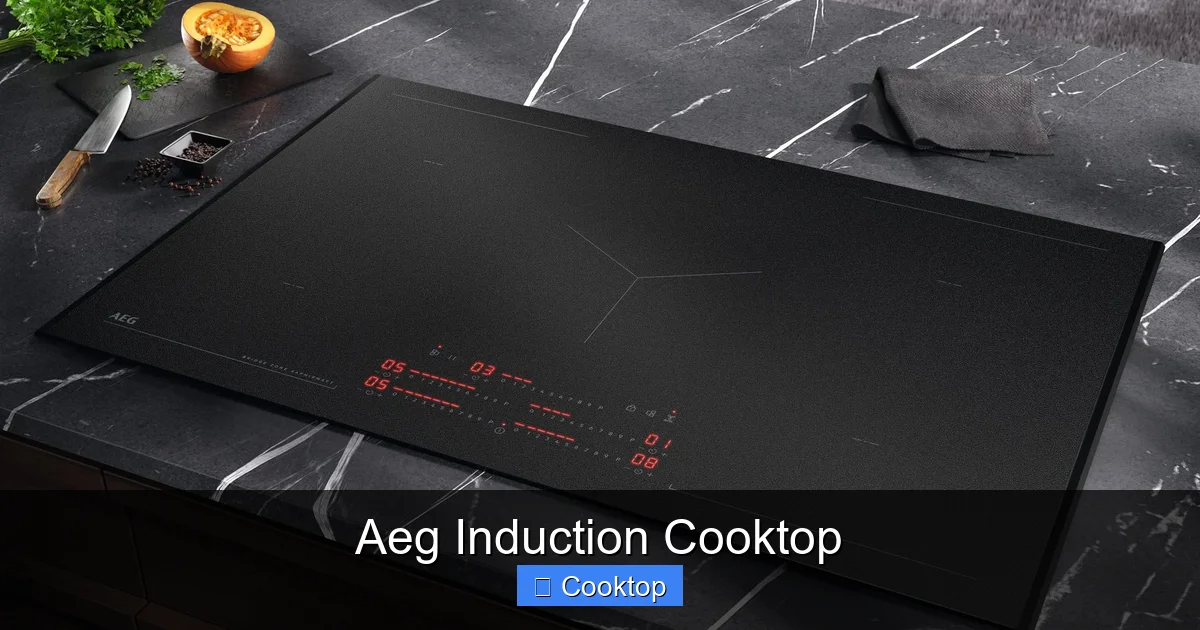
AEG induction cooktops combine cutting-edge technology with elegant design to deliver unmatched cooking precision and efficiency. These premium appliances offer rapid heat-up times, intuitive controls, and compatibility with a wide range of cookware, making them ideal for modern kitchens. Whether you’re a professional chef or a home cook, AEG’s induction technology provides the perfect balance of performance and style.
[Featured Image Placeholder]
Induction cooking has revolutionized the way we prepare meals, offering unprecedented precision and speed in the kitchen. Among the premium brands leading this innovation, AEG stands out as a name synonymous with quality and cutting-edge technology. If you’re considering upgrading your cooking setup, understanding what makes an AEG induction cooktop special can help you make the perfect choice for your culinary needs.
Key Takeaways
- Advanced Technology: AEG induction cooktops use electromagnetic technology for faster, more precise heating than traditional gas or electric stoves.
- Energy Efficiency: Induction cooking is up to 90% more efficient than gas cooking, saving you money on energy bills.
- Safety Features: Built-in safety mechanisms include automatic shut-off, child lock, and overheat protection for worry-free cooking.
- Elegant Design: Sleek, minimalist aesthetics complement any modern kitchen with easy-to-clean smooth surfaces.
- Precise Temperature Control: Digital touch controls allow exact temperature settings for perfect results every time.
- Easy Maintenance: Smooth glass surface wipes clean effortlessly, and compatible cookware works seamlessly with the technology.
- Durable Construction: High-quality materials ensure long-lasting performance and reliable operation for daily use.
📑 Table of Contents
What Makes AEG Induction Cooktops Unique
AEG has built its reputation on creating appliances that blend sophisticated engineering with user-friendly design. Their induction cooktops utilize electromagnetic fields to generate heat directly in the cookware, rather than heating the surface itself. This fundamental difference results in incredible responsiveness – you’ll experience boiling water in seconds and precise temperature maintenance that would make any chef envious.
Electromagnetic Precision
The core technology behind AEG induction cooktops involves an electromagnetic coil beneath the glass surface. When activated, this coil creates an alternating magnetic field that induces eddy currents in any ferromagnetic cookware placed on top. These currents generate heat directly within the pan, making the cooking process incredibly efficient and responsive.
Smart Control Systems
Most AEG models feature intuitive digital interfaces with touch-sensitive controls. You can set precise temperatures or power levels, often down to single-degree increments. Some premium models even include preset cooking programs for common dishes, ensuring consistent results whether you’re simmering a delicate sauce or searing a steak.
Key Benefits of Choosing AEG
Beyond the impressive technology, AEG induction cooktops offer practical advantages that enhance everyday cooking. Let’s explore why so many homeowners are making the switch to induction.
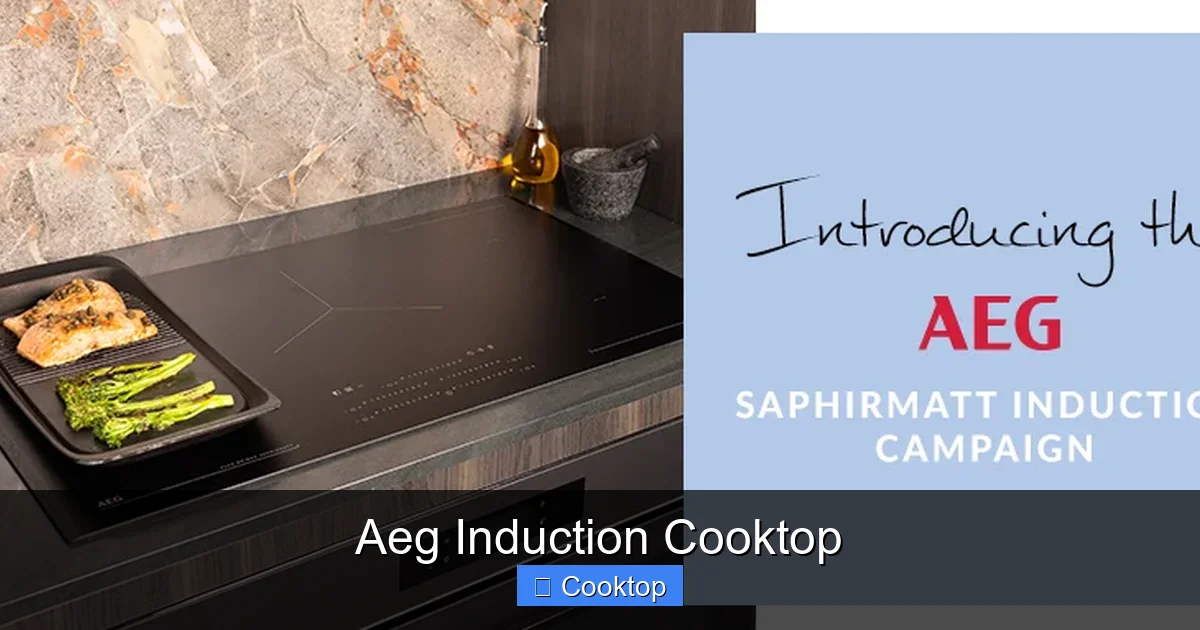
Visual guide about Aeg Induction Cooktop
Image source: nationalproductreview.com.au
Unmatched Energy Efficiency
One of the most compelling reasons to choose induction cooking is the remarkable energy efficiency. Unlike gas burners that lose heat to the air or electric coils that must heat the surface first, induction heats your cookware directly. This means less wasted energy and lower utility bills, all while reducing your kitchen’s carbon footprint.
Increased Safety
Induction cooking is inherently safer than traditional methods since the surface remains cool during operation. Only the cookware gets hot. AEG enhances this safety with multiple built-in features: automatic shut-off timers prevent overheating, child lock functions keep little ones safe, and residual heat indicators show when surfaces are still warm.
Space-Saving Design
Modern AEG induction cooktops are designed to fit seamlessly into any kitchen layout. Their low-profile design works beautifully in compact spaces, and many models offer flexible cooking zones that accommodate various pot sizes. The sleek appearance means you won’t compromise on style for functionality.
Choosing the Right Cookware
One crucial aspect of induction cooking is understanding which pots and pans work best. Not all cookware is created equal when it comes to induction compatibility.
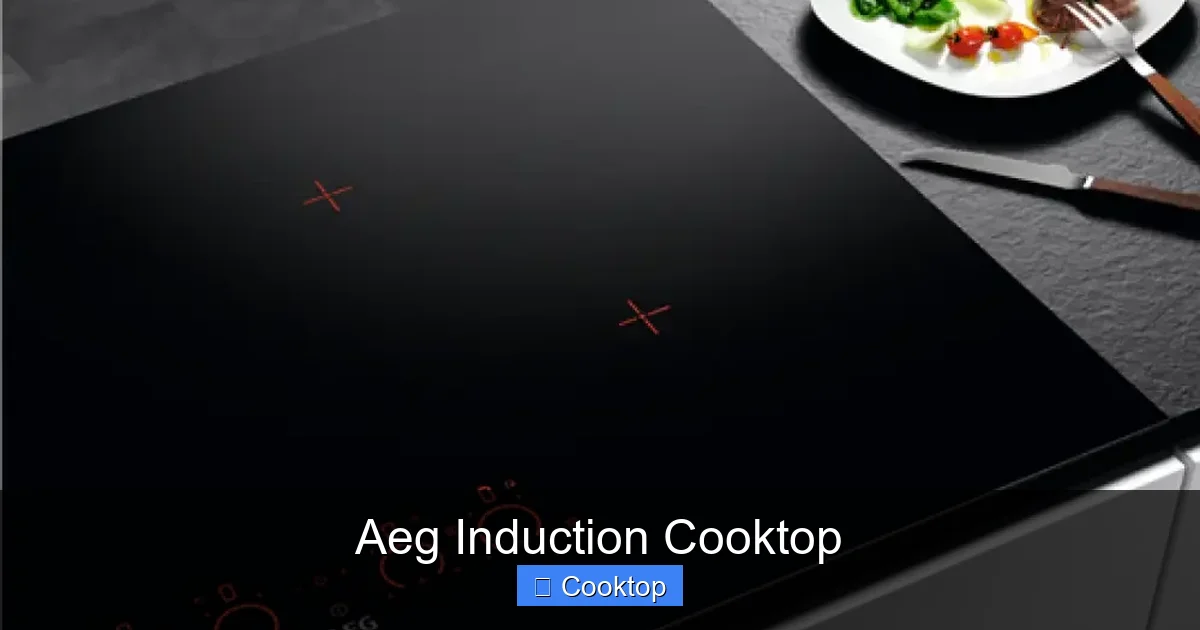
Visual guide about Aeg Induction Cooktop
Image source: bargainhomeappliances.com.au
Magnetic Materials Matter
Your cookware must contain magnetic material, typically steel or iron, to work with induction cooking. The simplest test is the “paperclip method” – if a paperclip sticks to your pan’s bottom, it will work on an induction cooktop. Many existing kitchen pots likely already meet this requirement.
Optimal Pan Shapes and Sizes
For best results, choose pans with flat bottoms that make full contact with the cooking surface. Round-bottomed woks may require a specialized adapter, while oversized pans might not utilize the heating element efficiently. AEG cooktops often feature multiple heating zones to accommodate different cookware sizes.
When shopping for new cookware, consider investing in high-quality induction-compatible sets. These typically include saucepans, sauté pans, and stock pots designed specifically for optimal heat distribution on induction surfaces. Check out our recommendations for the best cookware for induction cooktops to ensure you get the most from your investment.
Maintenance and Cleaning Tips
Maintaining your AEG induction cooktop is surprisingly straightforward, thanks to the smooth glass surface and advanced design features.
Visual guide about Aeg Induction Cooktop
Image source: aegaustralia.com.au
Daily Cleaning Routine
Cleaning is as simple as wiping down the surface with a damp cloth. Since the cooking surface doesn’t get hot, there’s no risk of grease or food residue baking onto the glass. For stubborn spots, a mild cleaner and soft sponge do the trick. Always ensure the surface is completely dry before turning on the cooktop.
Deep Cleaning When Needed
Occasional deeper cleaning might be necessary if something spills and leaves a mark. Use a non-abrasive cleaner designed for glass surfaces, and avoid harsh chemicals that could damage the finish. Regular maintenance ensures your AEG induction cooktop looks and performs like new for years.
Maximizing Your Cooking Experience
To truly appreciate your AEG induction cooktop, it helps to understand some insider tips and techniques.
Preheating Strategies
Unlike conventional cooking methods, induction doesn’t require extensive preheating. However, certain recipes benefit from a few minutes of preheating – just don’t walk away thinking your pan is cold. The heat responds instantly when you add food, so timing matters.
Temperature Control Mastery
The precision of induction cooking allows for techniques impossible with other methods. You can maintain perfectly consistent temperatures for melting chocolate or keep soups at an ideal serving temperature without scorching. Practice adjusting settings gradually to develop muscle memory for different cooking tasks.
Consider exploring accessories that enhance your induction cooking experience. From specialized woks to silicone mats for protecting the surface, the right tools make all the difference. Check out our guide on silicone mats for induction cooktops for protecting your investment while cooking.
Installation and Professional Considerations
While many modern homeowners tackle DIY projects, induction cooktop installation often requires professional expertise. Proper electrical connections and ventilation considerations ensure safe, optimal operation.
Electrical Requirements
Induction cooktops require dedicated electrical circuits capable of handling high amperage. A qualified electrician can assess your home’s electrical system and make necessary upgrades. Attempting this work yourself risks both safety hazards and voiding warranties.
Ventilation Integration
Some AEG models integrate with ventilation systems, while others work beautifully with simple overhead fans. Consider your kitchen’s existing setup and whether additional ventilation would improve your cooking experience, especially when searing meats or boiling pasta.
Comparing AEG to Other Brands
When shopping for premium induction cooktops, AEG competes favorably against other established brands. Here’s how it stacks up in key areas.
Build Quality and Durability
AEG is known for robust construction using high-grade materials. The glass surface resists scratches better than many competitors, and the internal components are built to last decades of heavy use. This durability justifies the initial investment for many homeowners.
User Interface and Features
Different brands appeal to various user preferences. Some cooks prefer physical knobs for quick adjustments, while others love the precision of digital touchscreens. AEG generally strikes a balance with intuitive interfaces that please both tech enthusiasts and traditional cooks.
If you’re curious about other premium options, consider reading our comparison of Frigidaire induction cooktops or the Copper Chef induction cooktop to see how they measure up against AEG’s offerings.
Conclusion: Is AEG Right for Your Kitchen?
Investing in an AEG induction cooktop represents a forward-thinking choice for any modern kitchen. The combination of lightning-fast heating, precise temperature control, and energy efficiency makes cooking more enjoyable and cost-effective. While the initial price point may seem steep, the long-term benefits – reduced energy costs, enhanced safety, and superior performance – make it a worthwhile investment for serious cooks.
The key to maximizing your AEG experience lies in understanding the technology, using compatible cookware, and maintaining the sleek surface properly. With these basics covered, you’ll wonder how you ever cooked without induction precision. Whether you’re renovating your entire kitchen or simply upgrading your cooking capabilities, an AEG induction cooktop delivers the performance and style that transforms everyday meals into culinary victories.
Frequently Asked Questions
Are AEG induction cooktops difficult to install?
Installation requires professional electrical work due to the high power requirements. While the actual installation isn’t overly complex, having a qualified technician ensures proper electrical connections and safety compliance. Most installations take 2-4 hours depending on your kitchen’s existing setup.
Can I use my existing cookware on an AEG induction cooktop?
You’ll need cookware with magnetic bottoms – typically stainless steel or enameled cast iron. A simple test is to see if a magnet sticks to your pan’s bottom. Many people are surprised to find their existing pots already work with induction cooking.
Do AEG induction cooktops get hot to the touch?
The glass surface stays relatively cool during operation since heat transfers directly to the cookware. However, the pan itself becomes extremely hot. Always use oven mitts when handling cookware, and never touch the surface immediately after turning off the cooktop.
What makes AEG induction cooktops different from cheaper alternatives?
AEG models typically offer superior build quality, more precise temperature control, and advanced safety features. The difference becomes apparent in day-to-day use through smoother operation, faster heating, and longer-lasting performance. Premium components justify the higher price through enhanced reliability.
How do I clean stubborn stains on my AEG induction cooktop?
Minor spills wipe away easily with a damp cloth. For tougher stains, use a non-abrasive cleaner specifically designed for glass cooktops. Avoid abrasive pads or harsh chemicals that could scratch the surface. Regular cleaning prevents most stains from becoming permanent.
Is induction cooking really more energy efficient than gas?
Yes, induction cooking is significantly more efficient – up to 90% of energy goes directly to heating your food compared to about 40% for gas. This efficiency translates to lower utility bills and faster cooking times, making it both environmentally and economically beneficial.