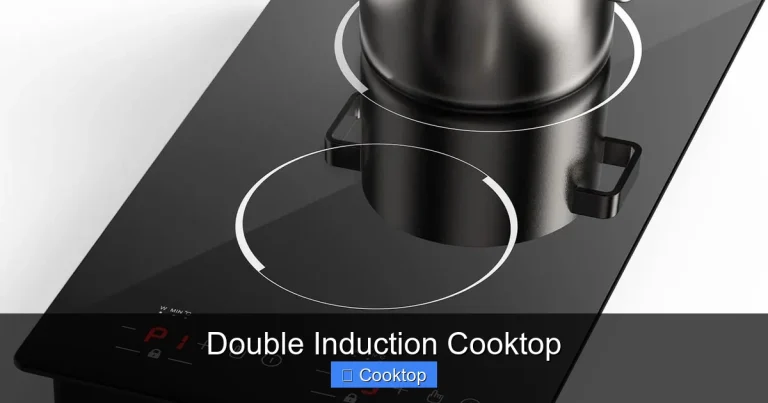
Griddle Pan for Induction Cooktop
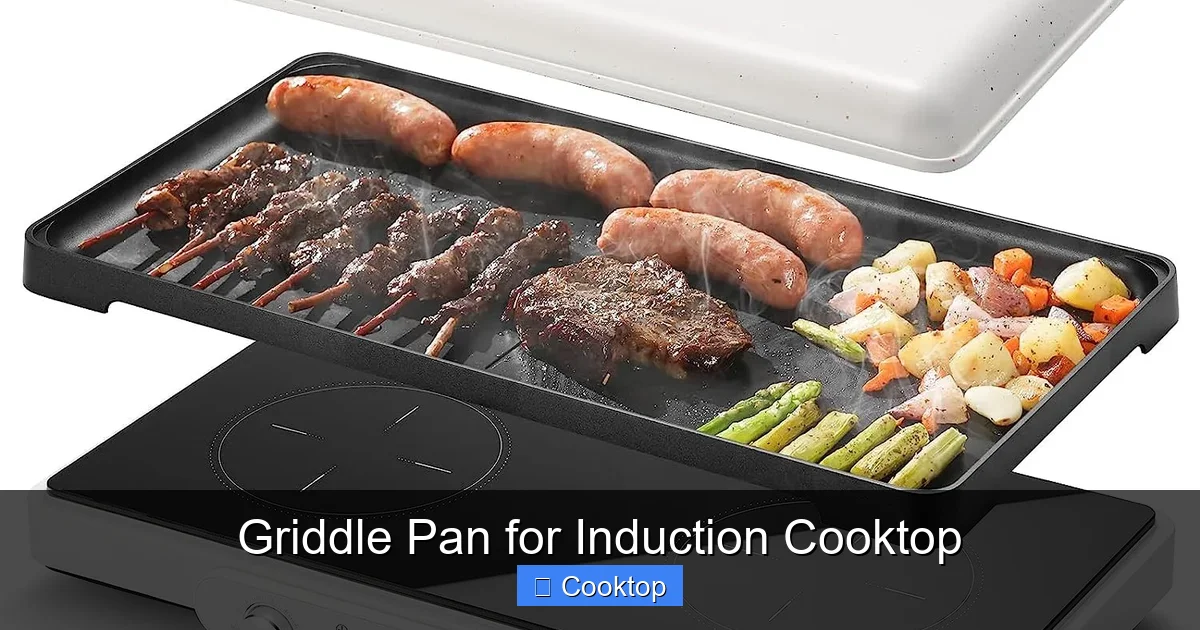
Choosing a griddle pan for induction cooktop use requires understanding magnetic materials and heat distribution. To get professional results, you need a flat, ferromagnetic base that connects efficiently with the induction coil to ensure even heating and no cold spots.
Have you ever wondered why some pans just won’t heat up on your fancy new induction stove? It can be a bit frustrating. You put your favorite pan on the burner, wait a few minutes, and… nothing. No heat. No sizzle. This happens because induction cooking doesn’t use a flame or a heating element. Instead, it uses magnetism to heat the pan directly. That is why finding the right griddle pan for induction cooktop is so important.
A griddle is a kitchen superstar. It gives you a huge, flat surface to cook multiple things at once. Imagine making a whole batch of pancakes or a dozen grilled cheese sandwiches without having to flip them in small batches. When you pair that convenience with the speed and precision of induction, you have a powerhouse setup. But not every flat pan will work. You need something that “talks” to your cooktop.
In this guide, we are going to walk through everything you need to know. We will cover the best materials, what to look for when shopping, and how to keep your griddle in top shape. Whether you are a pro chef or someone who just wants a better breakfast, this guide will help you pick the perfect tool for your kitchen.
Key Takeaways
- Material Matters: Only ferromagnetic materials like cast iron, carbon steel, or induction-ready stainless steel work.
- Flat Bottoms are Essential: A perfectly flat base ensures maximum contact with the induction surface for efficient heating.
- Size Compatibility: Match the pan size to your burner diameter to avoid energy waste or uneven cooking.
- Heat Management: Induction heats up fast; use medium heat to prevent warping or burning your food.
- Versatility: A good induction griddle can handle everything from pancakes and eggs to searing steaks and smash burgers.
- Maintenance: Proper seasoning for cast iron or gentle cleaning for non-stick surfaces extends the life of your pan.
📑 Table of Contents
How Induction Heating Works with Griddle Pans
Before we dive into the pans, let’s quickly chat about the science. Induction cooktops use copper coils under the glass surface. These coils create a magnetic field. When you place a magnetic pan on top, the field causes the atoms in the metal to vibrate rapidly. This vibration creates heat. The cooktop itself doesn’t get hot; the pan does.
The Magnet Test
The easiest way to tell if a griddle pan for induction cooktop use is compatible is the “Magnet Test.” Grab a simple refrigerator magnet and hold it to the bottom of the pan. If the magnet sticks firmly, you are good to go! If it slides off or doesn’t stick at all, that pan will never heat up on an induction stove. This is why aluminum or copper pans won’t work unless they have a special magnetic plate bonded to the bottom.
Why Flatness is Everything
On a gas stove, a slightly warped pan doesn’t matter much because the flame wraps around the metal. On an induction stove, the connection is all about contact. If your griddle pan has a bowed bottom or a gap, the magnetic field won’t transfer heat efficiently. This leads to “cold spots” where your eggs might stay raw while the edges are burnt. Always look for a pan with a heavy, flat base.
Best Materials for an Induction Griddle Pan
Not all metals are created equal. Depending on what you like to cook, you might prefer one material over another. Here are the most common options for a griddle pan for induction cooktop.
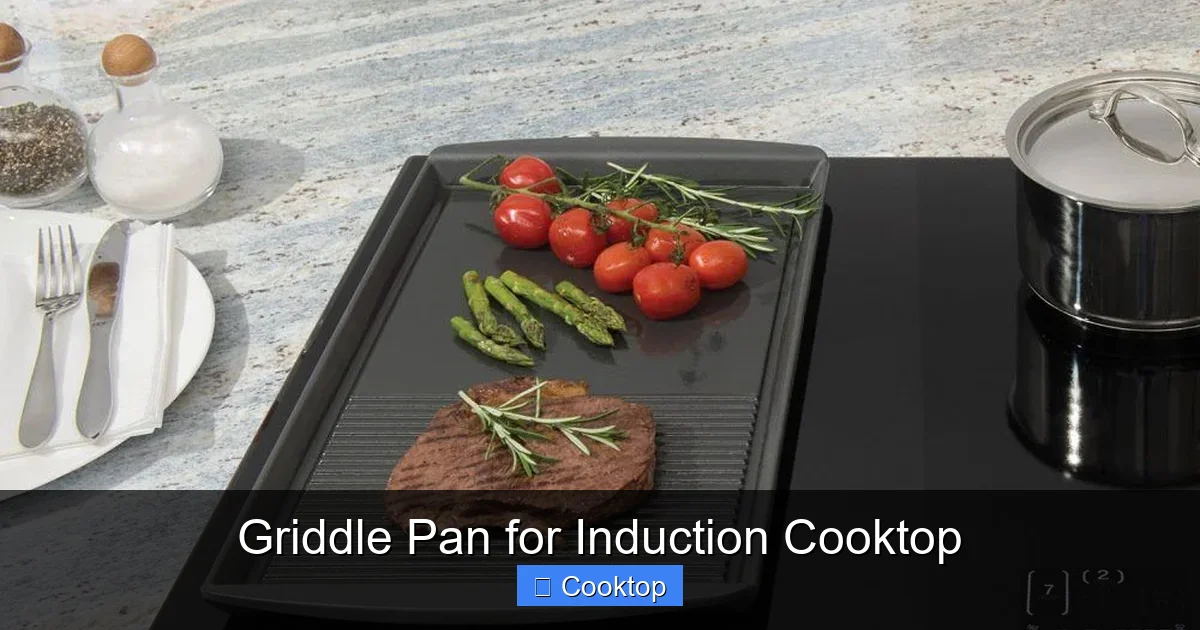
Visual guide about Griddle Pan for Induction Cooktop
Image source: sinks-taps.com
Cast Iron: The Heavy Hitter
Cast iron is a classic for a reason. It is naturally magnetic, making it perfect for induction. It holds heat incredibly well, which means once it gets hot, it stays hot. This is ideal for searing meat or making smash burgers. If you love the rugged feel of traditional cookware, you might also want to look into the best cast iron skillet for induction cooktop for your smaller searing needs.
Carbon Steel: The Chef’s Choice
Carbon steel is like a mix between cast iron and stainless steel. It is lighter than cast iron but still magnetic. It responds to temperature changes faster, meaning you can turn the heat down and the pan will cool off more quickly. It requires seasoning, but once it’s seasoned, it becomes naturally non-stick.
Stainless Steel: The Clean Look
Stainless steel is durable and looks great. However, not all stainless steel is magnetic. Many high-end brands add a magnetic layer to the bottom specifically for induction. These are great for those who want a low-maintenance pan that won’t rust. If you are building a full set, checking out the best stainless steel cookware for induction cooktop can help you coordinate your kitchen.
Non-Stick Coatings: The Easy Way
Non-stick griddles are a dream for eggs and pancakes. They usually have an aluminum core for heat spread and a magnetic steel plate on the bottom to work with the induction coil. They are easy to clean, but be careful not to overheat them, as high heat can damage the coating.
What to Look for When Buying a Griddle Pan
When you start shopping, you will see a lot of options. To make sure you get a griddle pan for induction cooktop that actually works, keep these factors in mind.
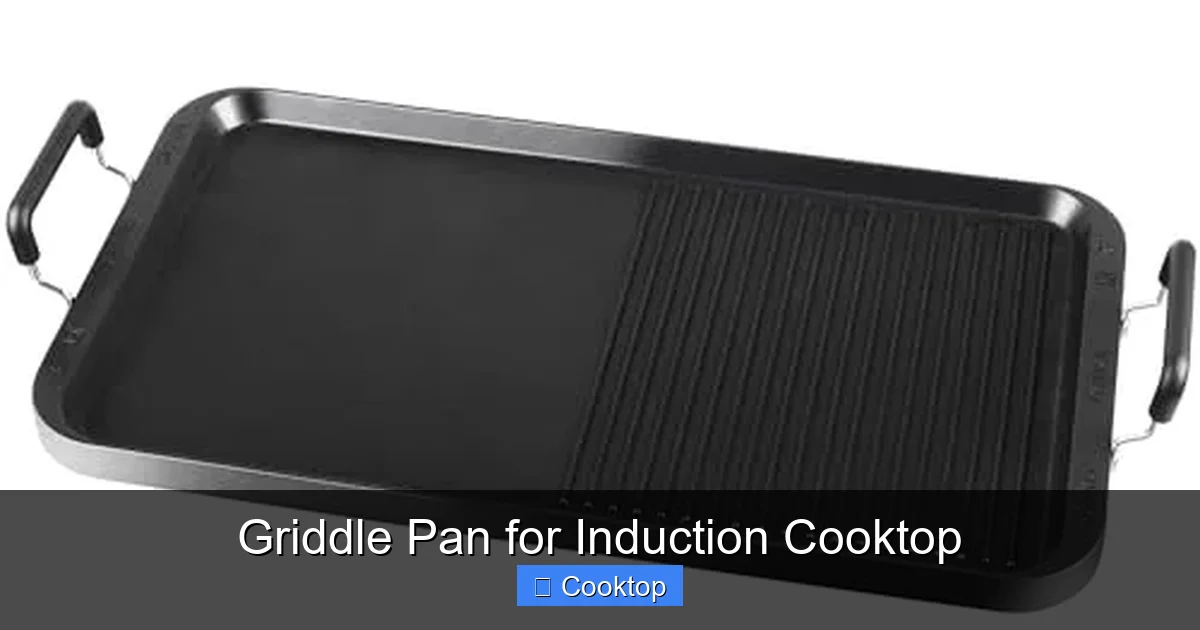
Visual guide about Griddle Pan for Induction Cooktop
Image source: m.media-amazon.com
Weight and Thickness
Avoid thin, flimsy pans. Thin metal tends to warp when it hits high temperatures. A warped pan on an induction stove is a recipe for uneven cooking. Look for “heavy-duty” or “thick-gauge” descriptions. A thicker base distributes heat more evenly across the surface, preventing those annoying hot spots.
Handle Design
Since griddles are often large, they can get heavy. Look for sturdy handles. Some griddles have “stay-cool” handles, which are great for safety. Others have integrated handles that are part of the cast iron. Just remember that if the handle is metal, it will get hot! Always keep oven mitts nearby.
Size and Surface Area
Think about your cooktop layout. Do you have one large burner or several small ones? If you have a wide surface, a large rectangular griddle is great. If you have a smaller space, a square or circular griddle might be better. Some people prefer a best double burner griddle for induction cooktop to cover two zones at once, allowing for more cooking space.
Practical Tips for Cooking on an Induction Griddle
Cooking on induction is a bit different than using gas or electric. Here are some pro tips to get the most out of your griddle pan for induction cooktop.
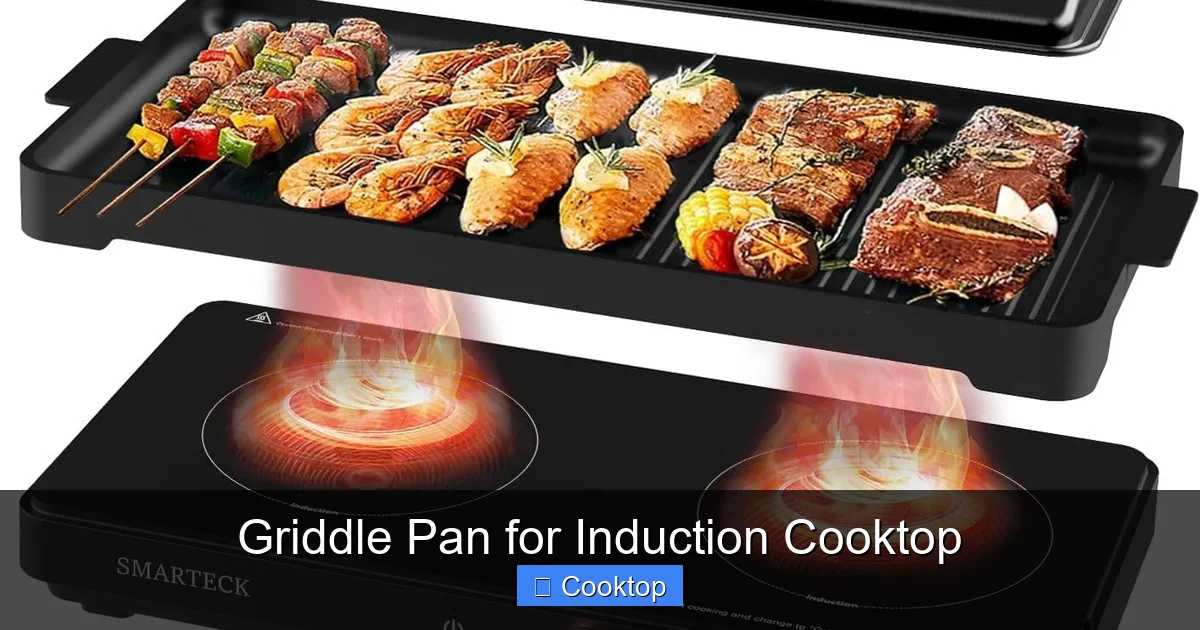
Visual guide about Griddle Pan for Induction Cooktop
Image source: m.media-amazon.com
Preheat Slowly
Induction is incredibly fast. If you jump straight to “High,” you might shock the metal, which can cause warping. Start on a medium setting and let the pan heat up gradually. This ensures the heat spreads evenly across the entire surface before you add your oil or butter.
Using the Right Fats
For cast iron or carbon steel, use an oil with a high smoke point, like avocado or grapeseed oil. This prevents the oil from burning and smoking up your kitchen. If you are using a non-stick griddle, a small amount of butter or a light spray is all you need.
Managing Heat Zones
Remember that the heat is strongest directly over the coil. If you are cooking a large batch of pancakes, rotate your food. Move the items from the center to the edges to ensure everything cooks at the same rate. If you notice one side is cooking faster, simply adjust your pan’s position slightly.
Cleaning and Maintenance
Cleaning depends on the material:
- Cast Iron/Carbon Steel: Wash with warm water and a brush. Avoid harsh soaps. Dry immediately and apply a thin layer of oil to prevent rust.
- Stainless Steel: Use a non-abrasive sponge and soap. For tough stains, a bit of baking soda and water works wonders.
- Non-Stick: Use a soft sponge and mild soap. Never use metal scrubbers, as they will scratch the coating and ruin the pan.
Common Mistakes to Avoid
Even experienced cooks make mistakes when switching to induction. Here are a few things to avoid when using your griddle pan for induction cooktop.
Using the Wrong Pan
As mentioned, using a pure aluminum or glass pan will simply not work. Don’t waste your time trying to “force” it. Always check for the induction symbol (usually a coil icon) on the packaging.
Overheating the Surface
Because induction is so efficient, it’s easy to accidentally overheat the pan. This can lead to burnt food or, in the case of non-stick pans, toxic fumes from the coating. Use a medium-high setting for searing and medium-low for delicate items like omelets.
Sliding the Pan
Induction surfaces are glass. Sliding a heavy cast iron griddle across the glass can cause scratches. Always lift the pan to move it rather than sliding it. This keeps your cooktop looking brand new for years.
Comparing Griddle Pans vs. Grill Pans
You might be wondering: “Should I get a griddle or a grill pan?” It depends on what you want to eat!
The Griddle Pan
A griddle is completely flat. It is designed for “contact cooking.” This means the food touches the surface entirely. It is perfect for:
- Pancakes and Crepes
- Grilled Cheese and Paninis
- Eggs and Omelets
- French Toast
- Smashed Burgers
The Grill Pan
A grill pan has raised ridges. This allows fat to drip away from the food and creates those beautiful charred sear marks. It is better for:
- Steaks and Pork Chops
- Grilled Vegetables (Zucchini, Peppers)
- Halloumi Cheese
- Chicken Breasts
Conclusion
Adding a griddle pan for induction cooktop to your kitchen is a game-changer. It expands your cooking possibilities and makes breakfast time much less stressful. By choosing the right material—whether it’s the ruggedness of cast iron, the versatility of carbon steel, or the ease of non-stick—you can bring restaurant-quality grilling right to your stovetop.
Just remember the golden rules: make sure it’s magnetic, keep the bottom flat, and heat it up gradually. With these simple steps, you will be flipping perfect pancakes and searing juicy burgers in no time. Your induction cooktop is a powerful tool; now you have the right pan to unlock its full potential. Happy cooking!
Frequently Asked Questions
Can I use a regular griddle pan on an induction stove?
Only if the pan is made of a ferromagnetic material. You can check this by seeing if a magnet sticks to the bottom; if it doesn’t, the pan will not work on an induction cooktop.
Will a cast iron griddle scratch my induction glass top?
It can if you slide it. To prevent scratches, always lift the griddle pan to move it rather than sliding it across the glass surface.
Why is my induction griddle heating unevenly?
This is usually caused by a warped pan bottom or using a pan that is too small for the burner. Ensure your pan is perfectly flat and matches the size of your induction zone for the best results.
Do I need to season an induction griddle pan?
If it is made of cast iron or carbon steel, yes, seasoning is necessary to create a non-stick surface and prevent rust. Stainless steel and non-stick pans do not require seasoning.
Can I use a non-stick griddle on high heat?
It is not recommended. High heat can degrade the non-stick coating and may release harmful fumes. Stick to medium or medium-high heat for non-stick cookware.
Which is better for induction: Carbon Steel or Cast Iron?
Cast iron is better for extreme heat retention and searing, while carbon steel is lighter and responds faster to temperature changes. Both are excellent for induction, so choose based on your preference for weight and speed.