Range Hood for Gas Cooktop
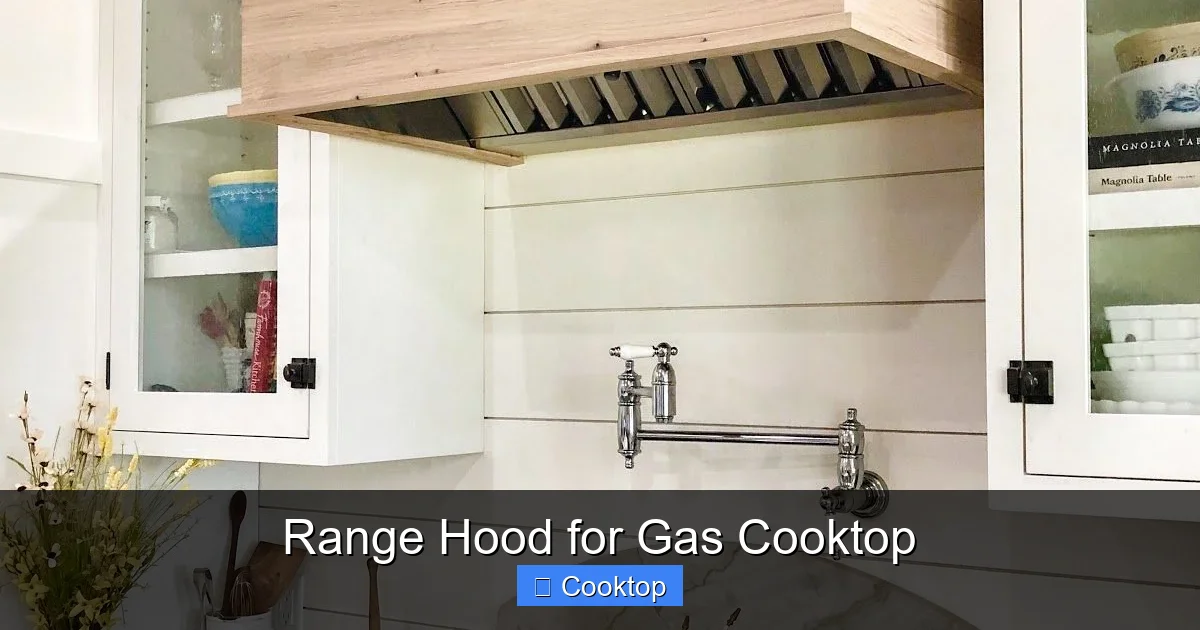
A range hood for a gas cooktop is essential for keeping your kitchen clean and safe. It removes harmful fumes, grease, and odors during cooking. Whether you choose a ducted or ductless model, the right hood ensures a healthier and more pleasant cooking experience.
Key Takeaways
- Ventilation is key: A range hood for gas cooktops must efficiently remove smoke, steam, and grease to maintain air quality.
- Ducted vs. ductless: Ducted hoods vent outdoors, while ductless models use filters—each has pros and cons depending on your kitchen setup.
- Size matters: Match the hood’s width to your cooktop (e.g., 30-inch hoods for standard stoves) for optimal airflow.
- Noise levels: Look for quieter models if you prefer a peaceful kitchen environment while cooking.
- Filter maintenance: Ductless hoods require regular filter cleaning or replacement to stay effective.
- Style and space: Wall-mounted, island, or over-the-range designs fit different kitchen layouts and aesthetics.
📑 Table of Contents
Why a Range Hood for Gas Cooktops is Essential
Cooking with a gas cooktop can fill your kitchen with smoke, grease, and lingering odors. Without proper ventilation, these elements linger in the air, making your space feel cramped and unpleasant. A **range hood for gas cooktop** isn’t just a luxury—it’s a necessity. It actively removes airborne particles, chemical fumes, and moisture, ensuring your kitchen stays fresh and safe.
Imagine simmering a sauce or searing a steak. The heat and smoke naturally rise, but without a hood, they settle on your cabinets, walls, and even your clothes. Over time, this buildup can lead to mold, stains, and a musty smell. A range hood tackles this problem by pulling contaminants away before they spread. Plus, it prevents grease from dripping onto surfaces, reducing cleaning time and effort.
Beyond comfort, safety is a major factor. Excessive moisture from cooking can create slip hazards, especially near stoves. A range hood helps dry the air, minimizing risks. It also reduces the chance of inhaling harmful substances like carbon monoxide or volatile organic compounds (VOCs) released during high-heat cooking. For households with children or pets, this added layer of protection is invaluable.
How Range Hoods Work for Gas Cooktops
At their core, range hoods use fans to create airflow. When you turn on the hood, the fan draws in air from the cooking area and pushes it through filters or ductwork. For gas cooktops, this process is critical because gas flames produce more smoke and nitrogen dioxide than electric ones. The hood captures these particles, improving indoor air quality.
There are two main types: **ducted** and **ductless**. Ducted hoods vent air outside through a pipe, while ductless models recirculate air through filters. Both work for gas cooktops, but the choice depends on your kitchen’s layout and local building codes. Ducted hoods are often more powerful but require professional installation. Ductless options are easier to install but may need more frequent filter cleaning.
Types of Range Hoods for Gas Cooktops
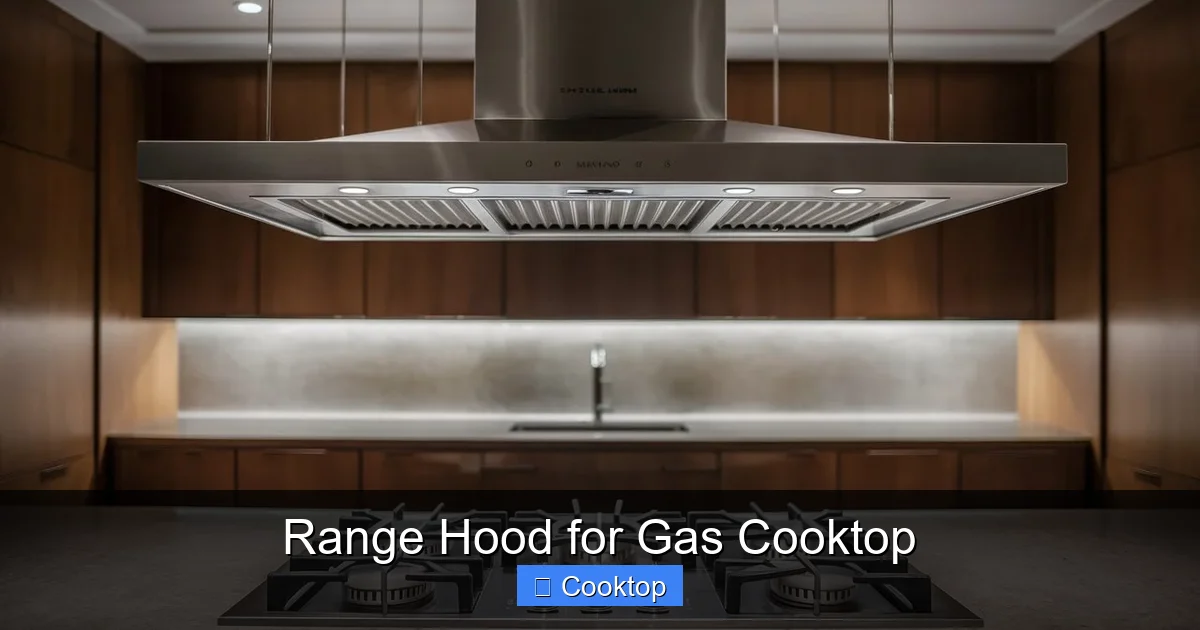
Visual guide about Range Hood for Gas Cooktop
Image source: howguide.net
Not all range hoods are created equal. Understanding the different types helps you choose the best fit for your needs.
Ducted vs. Ductless Range Hoods
Ducted hoods are the traditional choice. They connect to an external vent, usually through the wall or roof, expelling air and odors outside. This method is highly effective, especially for heavy cooking. However, installation can be complex and may require modifications to your home’s structure.
Ductless hoods, on the other hand, use charcoal or grease filters to trap contaminants before releasing clean air back into the kitchen. They’re easier to install and don’t need external venting, making them ideal for renters or those with limited space. The downside? Filters need regular replacement, and they may not handle high-volume cooking as well as ducted models.
Wall-Mounted, Island, and Over-the-Range Hoods
Range hoods come in various styles to match your kitchen design. Wall-mounted hoods are versatile and can be installed anywhere, while island hoods are perfect for central cooking areas. Over-the-range models sit above your cooktop, saving space but requiring precise measurements.
Each style has trade-offs. Wall-mounted hoods offer flexibility but may block cabinet space. Island hoods are stylish but might not cover all burners if placed too far. Over-the-range hoods are compact but can interfere with upper cabinets. Consider your cooktop’s size and kitchen layout when deciding.
Key Features to Look for in a Range Hood
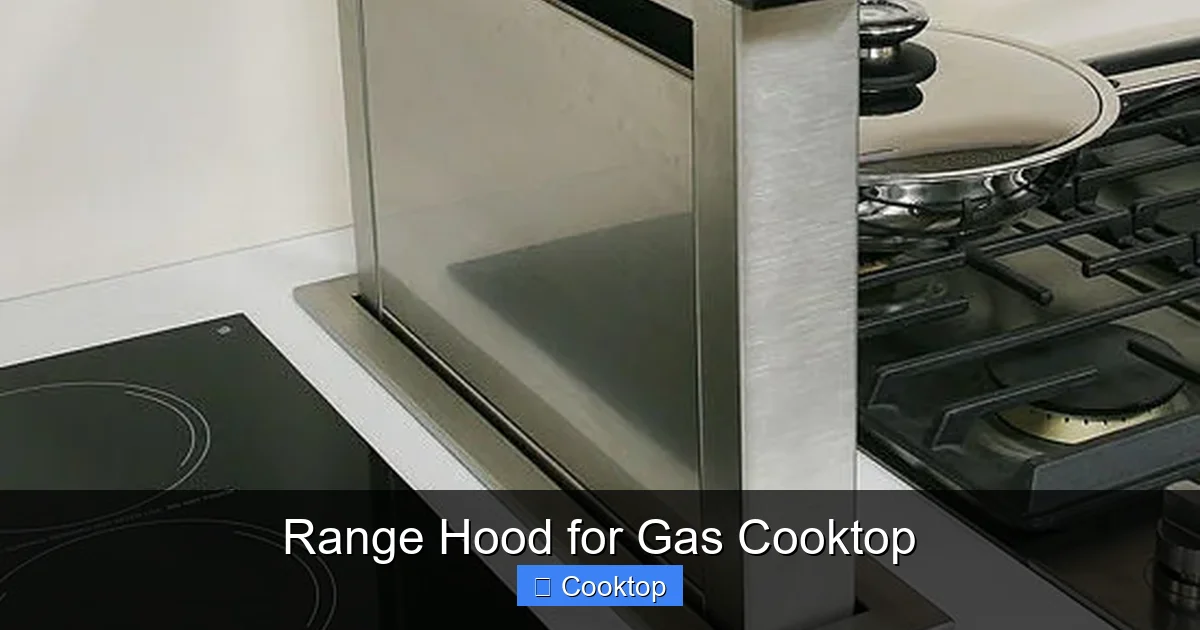
Visual guide about Range Hood for Gas Cooktop
Image source: i.pinimg.com
When shopping for a **range hood for gas cooktop**, focus on features that maximize performance and convenience.
CFM (Cubic Feet per Minute) and Hood Size
CFM measures how much air a hood can move. For gas cooktops, aim for a hood with at least 300 CFM for standard use. Larger hoods (36-42 inches wide) are better for high-heat cooking or commercial-grade stoves. Matching the hood size to your cooktop ensures efficient ventilation.
Noise Levels and Decibel Ratings
A loud hood can ruin the cooking experience. Most models range from 50 to 90 decibels. Look for hoods labeled as “quiet” or under 70 dB if noise is a concern. Some brands offer sound-dampening technology to reduce humming or whirring.
Filter Types and Maintenance
Ductless hoods rely on filters to trap grease and odors. Common filter types include charcoal (for odors) and grease (for particles). Charcoal filters need replacement every 6-12 months, while grease filters can be washed. Some models combine both for better performance. Always check maintenance requirements before purchasing.
Smart Technology and Lighting
Modern hoods often include smart features like touch controls, timers, or even app connectivity. LED lighting is another luxury—bright, energy-efficient bulbs illuminate your cooking area. These extras add convenience but may increase the price.
Installation Tips for a Range Hood for Gas Cooktops
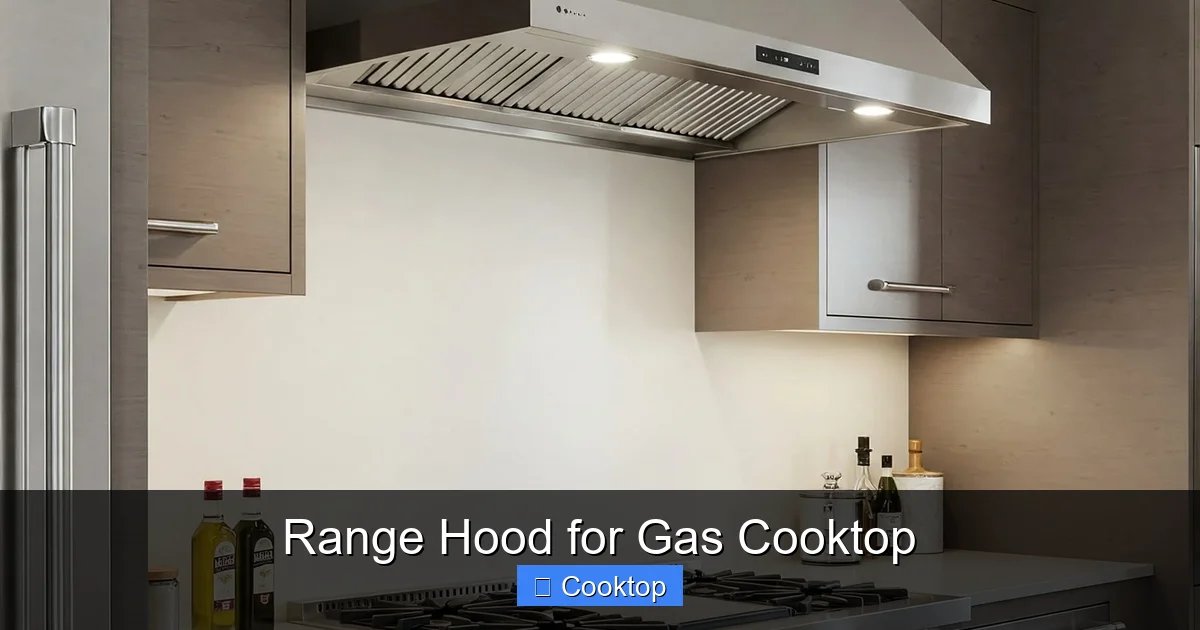
Visual guide about Range Hood for Gas Cooktop
Image source: smartcooklab.com
Proper installation ensures your hood works efficiently. Here’s what to consider:
DIY vs. Professional Installation
Ductless hoods are often DIY-friendly, but ducted models usually require a professional. Improper installation can lead to leaks, poor airflow, or safety hazards. If you’re unsure, hire a licensed contractor.
Electrical and Ventilation Requirements
Ensure your electrical panel can handle the hood’s power needs. Ducted hoods may need a dedicated circuit, while ductless models might work with standard outlets. For venting, check local codes—some areas require specific duct sizes or materials.
Positioning for Maximum Coverage
Mount the hood directly above your cooktop for optimal airflow. If you have multiple burners, choose a wide hood or multiple units. Avoid placing it too high or low, as this disrupts airflow.
Maintenance and Cleaning for Longevity
A range hood for gas cooktop won’t last if neglected. Regular upkeep keeps it functioning well.
Cleaning Filters and Ductwork
For ductless hoods, clean or replace filters as recommended. Grease buildup reduces efficiency. For ducted hoods, check the ductwork for grease or debris. Use a vacuum or brush to remove particles.
When to Replace Parts
Filters in ductless hoods wear out over time. Signs of replacement include reduced airflow, bad smells, or visible damage. Fans and motors may also fail after years of use. Replace worn parts promptly to avoid breakdowns.
Choosing the Right Range Hood for Your Gas Cooktop
With so many options, selecting the best **range hood for gas cooktop** can feel overwhelming. Consider these factors:
Budget and Value
Prices vary based on size, features, and brand. Entry-level hoods start around $200, while high-end models with smart tech can exceed $1,000. Balance your budget with long-term benefits like energy efficiency or durability.
Brand Reputation and Warranty
Stick to reputable brands like Broan-NuTone, Hood Master, or Fantech. Check customer reviews for reliability. A good warranty (1-5 years) covers parts or labor, giving you peace of mind.
Compatibility with Your Cooktop
Ensure the hood fits your cooktop’s dimensions and mounting style. Some hoods are designed for specific stove models. If unsure, consult the manufacturer or a professional.
Energy Efficiency
Look for ENERGY STAR® certified hoods. They use less electricity while maintaining strong performance. This saves money and reduces your carbon footprint.
Conclusion
A **range hood for gas cooktop** is a smart investment for any kitchen. It improves air quality, enhances safety, and makes cooking more enjoyable. Whether you choose a ducted or ductless model, prioritize features like CFM, noise levels, and maintenance ease. By following the tips in this guide, you’ll find a hood that meets your needs and lasts for years. Don’t skip this essential appliance—your kitchen (and health) will thank you!
Frequently Asked Questions
Do I need a range hood for a gas cooktop?
Yes, a range hood for gas cooktop is highly recommended. Gas cooking produces more smoke and odors than electric, making ventilation crucial for air quality and safety.
What’s the difference between ducted and ductless hoods?
Ducted hoods vent air outside, offering powerful cleaning but requiring installation. Ductless models use filters to recirculate air, making them easier to install but needing regular maintenance.
How often should I clean or replace filters?
For ductless hoods, clean or replace filters every 3-6 months, depending on usage. If you cook frequently, you may need to do this monthly.
Can a range hood reduce noise from my gas cooktop?
Absolutely. A good range hood pulls heat and fumes away, reducing the need to crank up burners and minimizing noise from sizzling or popping.
How do I know if my range hood is the right size?
Choose a hood that’s at least as wide as your cooktop. For example, a 30-inch hood works for a standard gas stove. Higher CFM ratings are better for heavy cooking.
Are range hoods energy-efficient?
Many modern hoods are energy-efficient, especially ENERGY STAR® models. They use less power while maintaining strong airflow, saving on electricity bills.