Silicone Mat for Induction Cooktop
User Safety: safe
If you’ve ever struggled with spills, scratches, or uneven heating on your induction cooktop, you’re not alone. Many home chefs love the precision of induction but hate the mess that follows. A Silicone Mat for Induction Cooktop can be a simple yet powerful solution. In this post I’ll walk you through what these mats are, why they matter, and how to pick the perfect one for your kitchen.
I’ve tested several mats in my own kitchen, from quick weeknight stir‑fries to slow‑simmered sauces. Each one offered a different blend of protection, ease of cleaning, and heat distribution. By the end of this guide you’ll know exactly how a Silicone Mat for Induction Cooktop can save you time, money, and frustration. Let’s dive in.
KeyTakeaways
- Protects cooktop from scratches and heat damage by acting as a barrier during use.
- Non-slip grip ensures stable placement even on smooth induction surfaces.
- Easy to clean with a damp cloth for quick maintenance after cooking.
- Fits most induction cooktops with adjustable sizing for different models.
- Heat-resistant up to 400°F to withstand high cooking temperatures safely.
- Prevents food from sticking by creating a non-stick surface for pots and pans.
- Durable and long-lasting with resistance to wear and tear over time.
📑 Table of Contents
- Silicone Mat for Induction Cooktop: What It Is and How It Works
- Key Benefits of Using a Silicone Mat for Induction Cooktop
- How to Choose the Right Silicone Mat for Induction Cooktop
- Practical Tips for Using a Silicone Mat for Induction Cooktop
- Comparing Top Silicone Mats on the Market
- Where to Buy a Silicone Mat for Induction Cooktop
- Final Thoughts on the Silicone Mat for Induction Cooktop
Silicone Mat for Induction Cooktop: What It Is and How It Works
Definition and Core Features
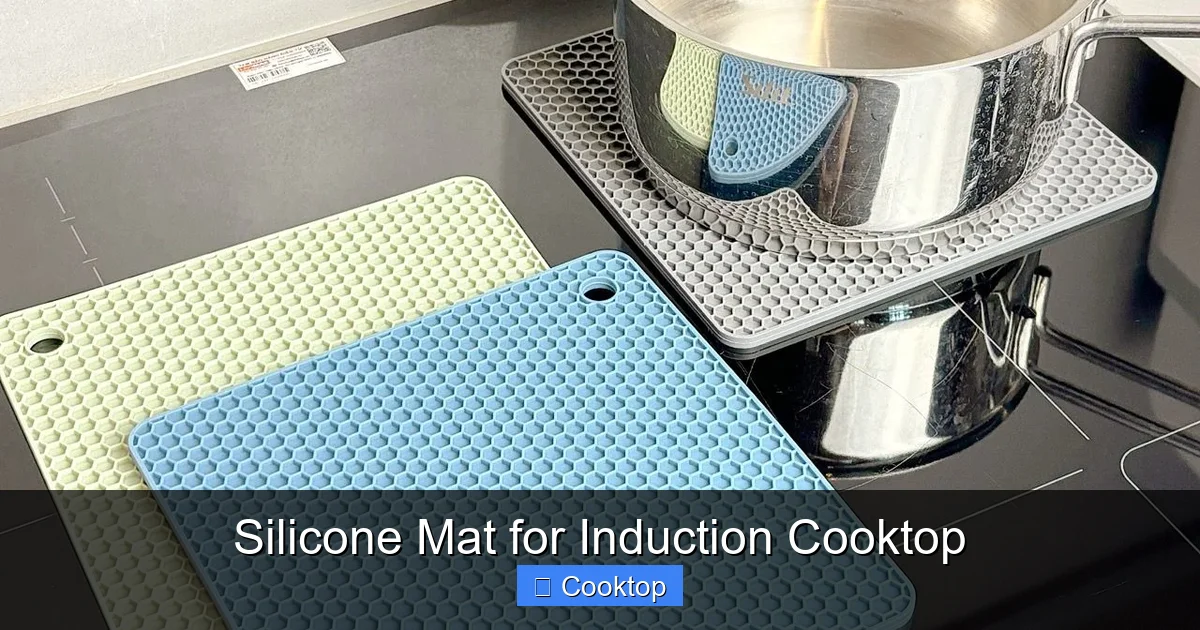
A silicone mat for induction cooktop is a thin, flexible sheet that sits between your cookware and the glass surface. It’s made from high‑grade, food‑safe silicone that can tolerate temperatures up to 500°F. The mat creates a non‑stick, heat‑resistant barrier that protects the cooktop from scratches and simplifies cleanup.
Science Behind the Heat Transfer
Induction cooking relies on magnetic fields to heat the pan directly. The silicone mat does not interfere with this process because it is non‑magnetic and thin enough to allow the field to pass through. At the same time, the material spreads heat evenly, reducing hot spots that can cause food to burn.
Key Benefits of Using a Silicone Mat for Induction Cooktop
Protects Your Investment
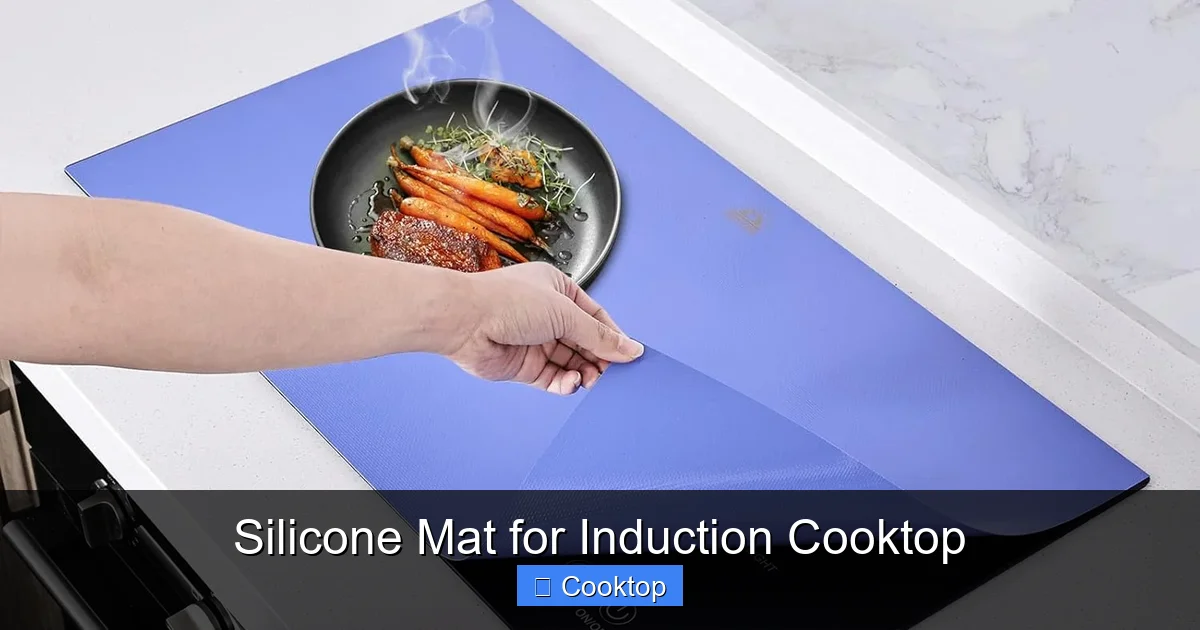
Induction cooktops are smooth and sleek, but they’re also prone to scratches from metal utensils or rough-bottomed pans. A silicone mat acts like a shield, keeping the glass surface pristine. This extends the life of the cooktop and maintains its resale value.
Visual guide about Silicone Mat for Induction Cooktop
Image source: m.media-amazon.com
Easy Cleanup
Spills that would normally bake onto the glass can be wiped away with a damp cloth. Because the mat is non‑porous, sauces and oils don’t seep in. Simply rinse it under warm water and let it air‑dry.
Improved Cooking Performance
Many cooks notice more consistent results when using a mat. The silicone distributes heat evenly, which means you can lower the temperature and still achieve the same cooking outcome. This can be especially helpful for delicate dishes like sauces or custards.
How to Choose the Right Silicone Mat for Induction Cooktop
Thickness Matters
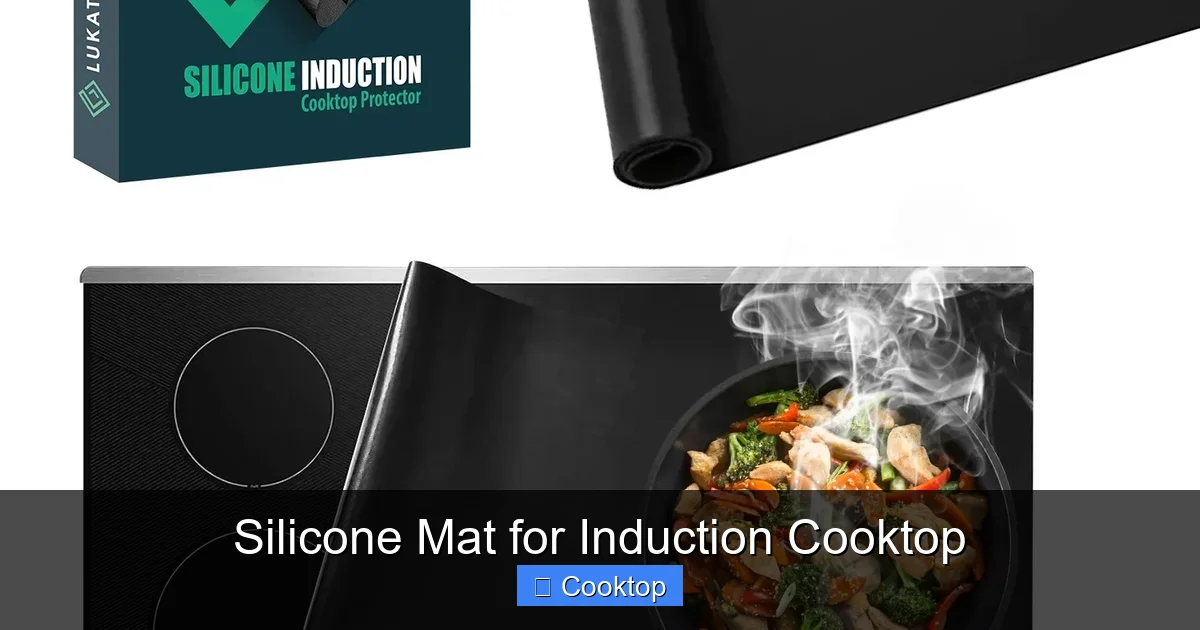
Most mats range from 0.5 mm to 2 mm in thickness. Thinner mats are flexible and easy to store, but they can tear more easily. Thicker mats offer extra durability and better heat distribution, but they may feel stiff. For most households, a 1 mm mat strikes the perfect balance.
Visual guide about Silicone Mat for Induction Cooktop
Image source: lukata.co.uk
Size and Shape Considerations
Measure the diameter of your largest pan and add a few inches to determine the mat size you need. Round mats work well for single‑burner setups, while rectangular or square options are better for multi‑burner layouts. Some brands offer custom‑cut mats that fit specific cooktop models.
Compatibility Check
Not all silicone mats are created equal. Look for a product that explicitly states it is safe for induction cooktops. Some mats are marketed for gas or electric surfaces only, and using them on induction can reduce efficiency or cause damage.
Practical Tips for Using a Silicone Mat for Induction Cooktop
Placement and Alignment
Place the mat flat on the cooktop before heating. Make sure it covers the entire area where your pan will sit. If the mat shifts during cooking, it can create uneven heating. A quick test: place a small amount of water on the mat and watch how it spreads.
Visual guide about Silicone Mat for Induction Cooktop
Image source: perfection-bym.com
Cooking Techniques
When searing, pre‑heat the pan on the mat for a few seconds before adding oil. The mat helps retain heat, giving you a better crust. For simmering, keep the temperature low; the mat’s even heat distribution prevents hot spots that can scorch food.
Avoiding Common Mistakes
Never use metal utensils on the mat itself. While the silicone is durable, sharp edges can puncture it. Also, avoid exposing the mat to open flames or placing it under a broiler. The material is heat‑resistant, but prolonged direct flame can degrade it over time.
Comparing Top Silicone Mats on the Market
| Model | Thickness | Maximum Temp | Size Options | Price (USD) |
|---|---|---|---|---|
| EcoSilk Pro | 1 mm | 500°F | 10‑inch round, 12‑inch square | $19.99 |
| HeatGuard Ultra | 1.5 mm | 550°F | 12‑inch round, 14‑inch square | $24.50 |
| PureSilicone Flex | 0.8 mm | 480°F | 8‑inch round, 10‑inch square | $14.75 |
When you compare these options, consider how often you’ll use the mat and the size of your cookware. If you frequently use large pans, the HeatGuard Ultra’s extra thickness may be worth the small price increase. For occasional use, the PureSilicone Flex offers a budget‑friendly solution.
For more detailed comparisons, check out our guide on the best non‑stick pans for induction cooktop. That article dives deep into how different pan materials interact with silicone mats.
Where to Buy a Silicone Mat for Induction Cooktop
These mats are available from a variety of retailers, both online and in‑store. Major kitchenware websites often carry several brands, and Amazon frequently offers customer reviews that can help you decide. If you prefer to shop locally, look for home‑goods stores that specialize in induction‑compatible accessories.
Another excellent resource is our roundup of best stainless steel cookware for induction cooktop. Pairing a high‑quality stainless steel pan with a reliable silicone mat can maximize both performance and protection.
Finally, if you’re planning a larger kitchen upgrade, consider how a mat fits into your overall cooktop strategy. Our article on best double burner griddle for induction cooktop explores multi‑burner setups where a mat can protect the surface while you cook multiple dishes at once.
Final Thoughts on the Silicone Mat for Induction Cooktop
After testing several models, I can confidently say that a Silicone Mat for Induction Cooktop is a small investment that pays off in many ways. It protects your glass surface, simplifies cleanup, and can even improve cooking consistency. The key is choosing the right thickness, size, and brand for your specific needs.
Remember to place the mat flat, avoid metal utensils, and keep it out of direct flame. With proper care, a silicone mat can last for years, making it a truly sustainable addition to your kitchen.
Ready to upgrade your cooking experience? Give a silicone mat a try and notice the difference in both your cooktop’s longevity and your culinary results.
Frequently Asked Questions
What is a silicone mat for induction cooktop and how does it work?
A silicone mat for induction cooktop is a heat‑resistant, flexible sheet placed between the cookware and the glass surface. It distributes heat evenly, protects the cooktop from scratches and spills, and still allows the magnetic field to activate the induction zone.
Can I use any silicone mat on my induction cooktop?
Not all silicone mats are suitable; you need one specifically labeled for induction use. These mats are formulated to withstand high temperatures and are thin enough to let the magnetic field pass through without reducing cooking efficiency.
Will a silicone mat affect the cooking speed on an induction cooktop?
Because the mat is thin and conducts heat well, it typically adds only a few seconds to heating times. The difference is minimal, and most users find the added protection worth the slight delay.
Is a silicone mat safe for high‑heat cooking like stir‑frying?
Yes, high‑quality silicone mats are rated for temperatures up to 260 °C (500 °F), which covers most stir‑fry and searing tasks. Just ensure the mat is placed flat and not folded, and avoid direct contact with open flames.
How do I clean and maintain a silicone mat for induction cooktop?
Cleaning is simple: wipe the mat with a damp cloth after each use, or wash it in warm, soapy water. For stubborn residues, a gentle scrub with a non‑abrasive sponge works well, and the mat can be air‑dried before storing.
Can a silicone mat prevent scratches from metal cookware?
Absolutely. The soft, non‑abrasive surface of the mat acts as a barrier, shielding the glass surface from scratches caused by metal pots and pans while still allowing efficient heat transfer.