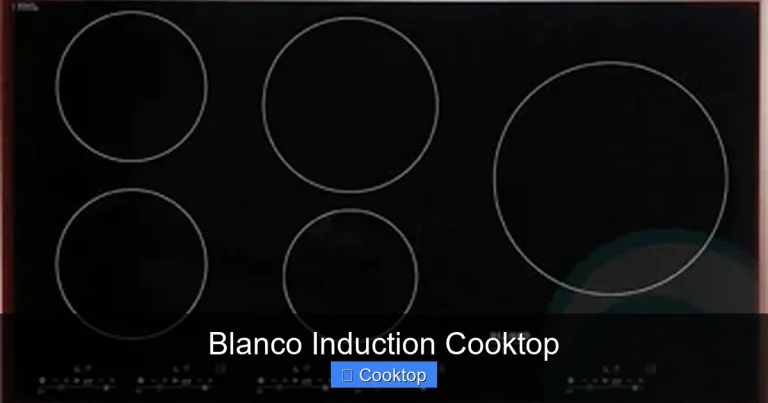
Non Stick Frying Pan for Induction Cooktop
Finding the right non stick frying pan for induction cooktop can transform your cooking experience. These specially designed pans ensure optimal heat distribution while preventing food from sticking. From material selection to maintenance tips, we cover everything you need to choose the perfect pan for your kitchen.
Key Takeaways
- Induction compatibility is essential: Not all pans work on induction cooktops; magnetic materials like stainless steel or cast iron bases are required.
- Non stick coating quality matters: Premium coatings like ceramic or titanium-infused surfaces offer better durability and food release than basic Teflon.
- Size and shape affect performance: Choose a pan diameter that matches your burner size for efficient heat transfer and cooking space.
- Heat distribution prevents hot spots: Multi-ply construction and magnetic base materials ensure even cooking temperatures across the surface.
- Proper maintenance extends lifespan: Avoid metal utensils, high heat, and abrasive cleaners to preserve your pan’s non stick properties.
- Budget-friendly options exist: Quality non stick frying pans for induction cooktops are available at various price points without sacrificing performance.
- Ergonomic handles improve safety: Stay-cool handles and secure grip designs make handling easier and safer during cooking.
📑 Table of Contents
Understanding Induction Cooktops and Pan Compatibility
Induction cooktops have revolutionized modern kitchens with their incredible efficiency and precise temperature control. Unlike traditional gas or electric stoves, induction technology uses electromagnetic fields to generate heat directly in the cookware itself. This means your pan becomes the heat source, making cooking faster and more energy-efficient.
However, this innovative technology comes with specific requirements. Your pan must have magnetic properties to work properly on an induction cooktop. Simply put, if a magnet sticks to the bottom of your pan, it will work. If not, you’ll need to invest in a non stick frying pan specifically designed for induction compatibility.
The benefits of induction cooking extend beyond just speed. Since there’s no open flame or hot electric coil, these cooktops remain relatively cool to the touch. They also provide instant heat adjustments, allowing you to go from simmering to boiling in seconds. For these reasons, finding the right non stick frying pan for induction cooktop becomes crucial for maximizing your cooking potential.
Why Magnetic Materials Matter
The science behind induction cooking relies on magnetic permeability. When alternating electrical currents pass through copper coils beneath the glass surface, they create magnetic fields. These fields interact with ferromagnetic materials in your cookware, causing them to vibrate rapidly and generate heat.
Common induction-compatible materials include:
- Cast iron – Naturally magnetic and excellent heat retention
- Stainless steel – Must contain magnetic properties (check with magnet test)
- Carbon steel – Lightweight alternative to cast iron with good magnetic properties
- Enameled steel – Provides non stick surface with induction compatibility
What Makes a Great Non Stick Frying Pan for Induction?
When shopping for a non stick frying pan designed for induction cooktops, several key factors determine quality and performance. The marriage of induction compatibility with superior non stick technology creates a powerful cooking tool that can handle everything from delicate eggs to sticky pancakes.
The foundation of a great pan lies in its construction. High-quality pans typically feature multiple layers: a magnetic stainless steel or iron base for induction compatibility, aluminum or copper layers for heat distribution, and a top non stick coating for food release. This multi-layer approach addresses the common issue of hot spots that plague cheaper alternatives.
Essential Features to Consider
Before making your purchase, evaluate these critical aspects:
Base Construction: Look for fully-clad or encapsulated bases that extend from the bottom up the sides. This design prevents warping and ensures even heat distribution.
Handle Design: Ergonomic handles should stay cool during cooking and provide a secure grip. Rivet construction versus welded handles affects both durability and cleaning ease.
Weight Balance: A well-balanced pan feels comfortable in hand and won’t tip easily when empty. Too heavy or too light can both present handling challenges.
Lid Compatibility: Tempered glass lids with steam vents allow monitoring without lifting, while tight-fitting lids help retain moisture during cooking.
Material Selection for Optimal Performance
The material composition of your non stick frying pan significantly impacts its performance on induction cooktops. Modern manufacturers have developed sophisticated combinations that address multiple cooking needs simultaneously.
Aluminum remains the gold standard for heat conduction, but pure aluminum won’t work on induction. Instead, look for hard-anodized aluminum with a stainless steel induction base. This combination provides rapid heating with excellent non stick properties and full induction compatibility.
Stainless steel construction offers durability and induction readiness but may require more careful heat management. Some premium brands incorporate copper layers between stainless steel for enhanced heat distribution properties.
Coating Technologies Explained
Today’s non stick coatings go far beyond traditional Teflon. Understanding the differences helps you make informed decisions:
Ceramic Coatings: Made from inorganic materials that create a naturally slick surface. These coatings are typically PFOA-free and offer excellent food release, though they may wear faster than other options.
Hard-Anodized Surfaces: Electrochemically hardened aluminum creates an extremely durable surface that resists scratches and corrosion while maintaining non stick properties.
Titanium-Reinforced Coatings: Combine ceramic with titanium particles for enhanced durability. These pans can withstand metal utensils better than standard non stick options.
Seasoned Cast Iron: Traditional cast iron develops natural non stick properties through seasoning. While requiring more maintenance, these pans last decades with proper care.
Size and Design Considerations
Choosing the right size for your non stick frying pan for induction cooktop depends on your cooking habits and family size. Common diameters range from 8-inch for single servings to 12-inch for family meals.
Consider your typical cooking scenarios when selecting size. Do you often cook for one or two people? A 9 or 10-inch pan might suffice. Larger families or meal prep enthusiasts benefit from 11 or 12-inch options.
Shape considerations include sloped sides for easy flipping versus straight sides for sauces and liquid retention. The pan’s depth affects its versatility – shallow pans excel at searing while deeper pans handle sauces and stews better.
Maximizing Your Induction Burner
To get the most from your induction cooktop, match your pan size to the burner. Using a small pan on a large burner wastes energy and may cause unstable heating. Conversely, oversized pans on small burners won’t heat evenly.
Most induction cooktops feature differently sized burners:
- Small burners (6-8 inches) – Perfect for sauces and small portions
- Medium burners (9-10 inches) – Ideal for everyday cooking tasks
- Large burners (11+ inches) – Best for family meals and large-batch cooking
Maintenance and Longevity Tips
Your investment in a quality non stick frying pan for induction cooktop deserves proper care to maximize its lifespan. While modern coatings are more durable than ever, they still require thoughtful usage and cleaning practices.
Hand washing remains the gentlest approach for most non stick pans. If using a dishwasher, ensure your specific model is dishwasher-safe and place it away from other items that might cause scratching. Avoid abrasive sponges, steel wool, or harsh chemical cleaners that can damage the coating.
Heat management plays a crucial role in preserving your pan’s integrity. Most non stick coatings perform best at medium heat or below. High temperatures can cause discoloration, reduce non stick effectiveness, and potentially release harmful fumes.
Extending Your Pan’s Life
Follow these simple practices to keep your pan performing like new:
Use Appropriate Utensils: Wood, silicone, or plastic utensils protect the non stick surface. Metal tools, while sometimes safe with reinforced coatings, should generally be avoided.
Proper Preheating: Allow your induction cooktop to reach desired temperature before adding oil. This prevents sticking and ensures even heating.
Oil Selection: Choose oils with high smoke points like avocado, canola, or refined olive oil. These won’t break down at cooking temperatures and complement non stick surfaces.
Storage Solutions: Hang pans or store with protective layers between them. Avoid stacking heavy items that might scratch the coating.
Top Features for Everyday Cooking Success
The best non stick frying pan for induction cooktop combines practical features with reliable performance. Whether you’re preparing breakfast, lunch, or dinner, these attributes make daily cooking more enjoyable and successful.
Oven safety expands your cooking possibilities beyond stovetop preparation. Many quality pans safely transition from induction cooktop to oven, handling temperatures up to 400°F or higher. This feature enables finishing dishes in the oven after initial stovetop searing.
Pouring spouts and drainage features enhance convenience when serving or transferring food. Thoughtfully placed spouts allow easy sauce pouring without drips, while slightly sloped designs facilitate effortless food release.
Professional-Grade Features for Home Cooks
Modern home cooks deserve access to professional features that simplify meal preparation:
Temperature Indicators: Some premium pans include heat-sensitive elements that change color when optimal cooking temperature is reached.
Measurement Markings: Built-in volume indicators help with portion control and recipe accuracy, especially useful for sauces and liquids.
Integrated Helpers: Features like egg poaching rings, steam vents, or built-in timers add functionality without extra kitchen clutter.
Dishwasher Integration: Brands now design entire collections with coordinated shapes and sizes that nest efficiently in dishwashers.
Investing in a quality non stick frying pan for induction hob pays dividends in daily cooking satisfaction. These specialized tools bridge the gap between technological advancement and practical kitchen needs.
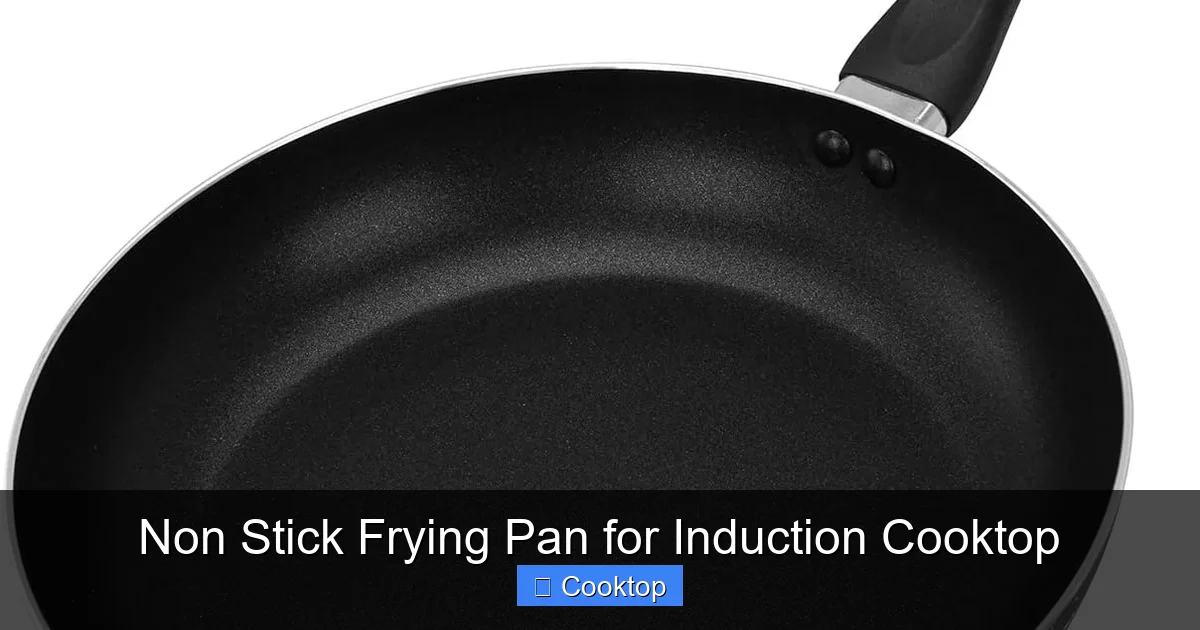
Visual guide about Non Stick Frying Pan for Induction Cooktop
Image source: images-na.ssl-images-amazon.com
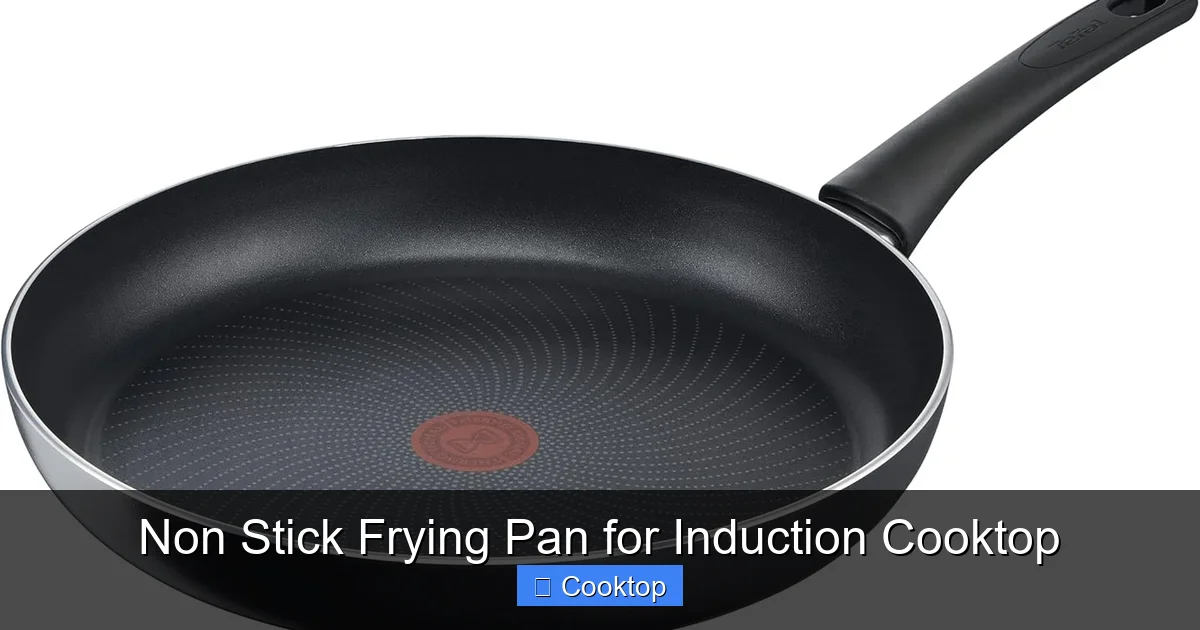
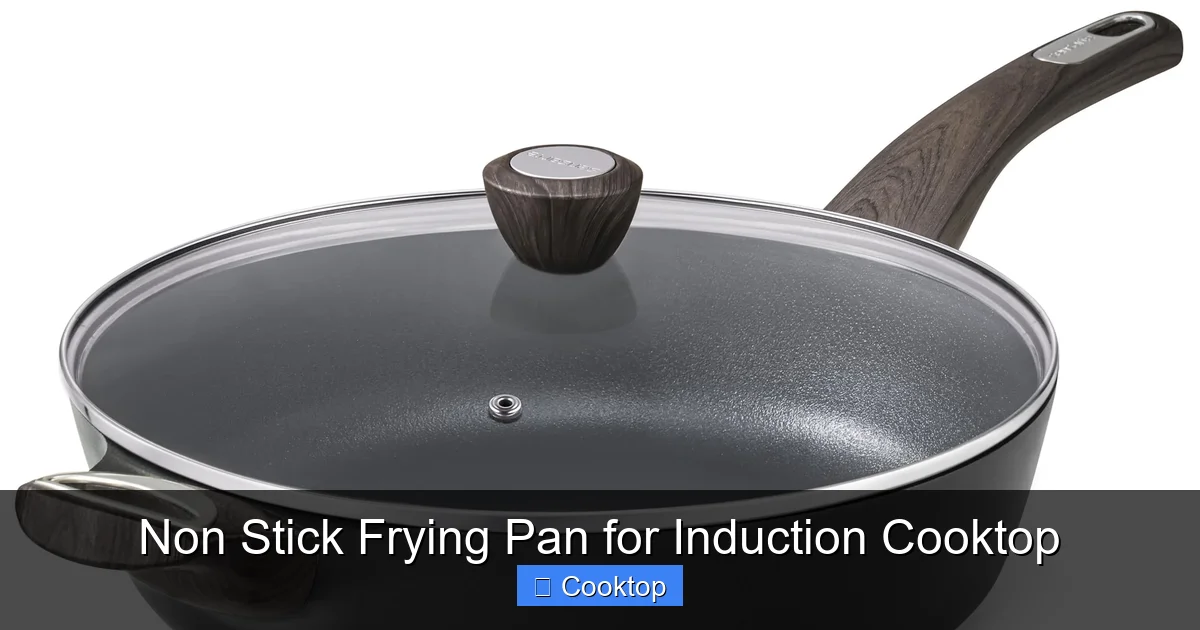
Visual guide about Non Stick Frying Pan for Induction Cooktop
Image source: m.media-amazon.com
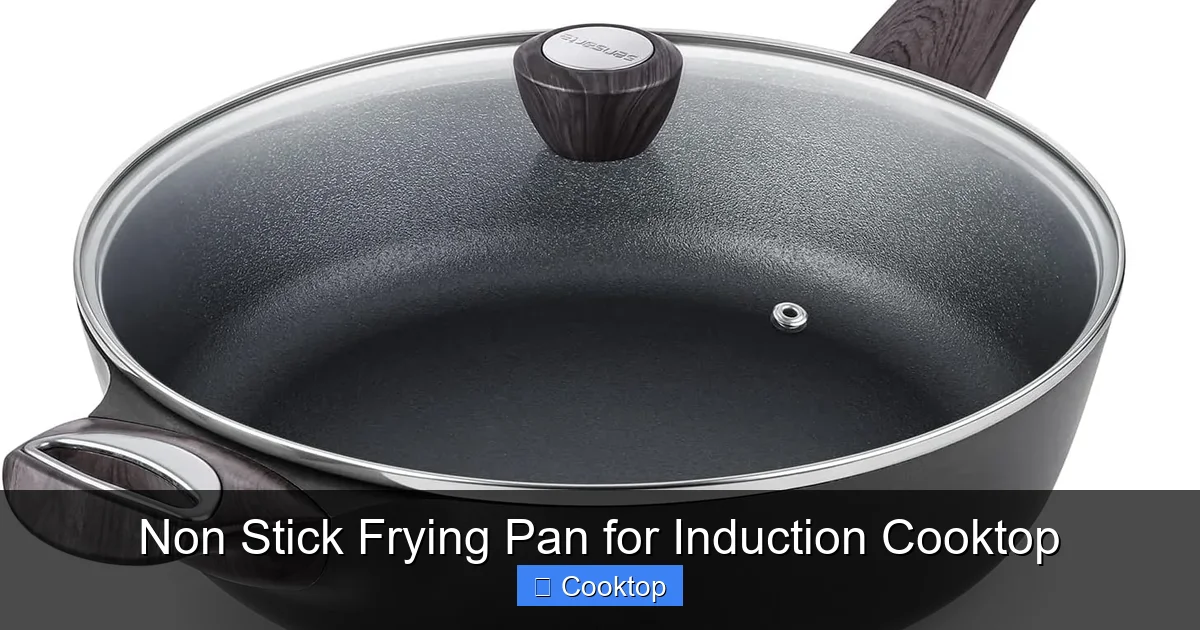
Visual guide about Non Stick Frying Pan for Induction Cooktop
Image source: assets.wfcdn.com
For those seeking comprehensive solutions, exploring complete non stick cookware sets for induction cooktops offers coordinated performance across multiple cooking vessels. Similarly, understanding optimal pans for egg preparation helps you master specific cooking techniques with confidence.
Making the Right Choice for Your Kitchen
Selecting the perfect non stick frying pan for induction cooktop doesn’t have to be overwhelming. Start by identifying your primary cooking needs and frequency of use. Weekend omelet enthusiasts have different requirements than weekday stir-fry makers.
Budget considerations play a role, but remember that quality often correlates with longevity. A $50 pan that lasts ten years costs less annually than a $20 pan requiring replacement every two years. Consider warranty coverage and customer reviews when evaluating long-term value.
Brand reputation matters significantly in cookware purchases. Established manufacturers typically offer better customer support, replacement parts, and consistent quality control. However, emerging brands sometimes provide innovative features at competitive prices.
Testing Before Committing
If possible, test your potential purchase before committing. Many kitchen supply stores allow hands-on evaluation. Check weight balance, handle comfort, and overall feel. Online purchases should include generous return policies for peace of mind.
Read recent reviews focusing on long-term performance rather than initial impressions. Look for patterns in complaints about coating durability, handle security, or warping issues. User experiences with induction-specific performance provide valuable insights into real-world functionality.
Consider your existing cookware collection when adding new pieces. Will this pan complement your current setup? Does it fill a gap in sizes or capabilities? Thoughtful additions create more versatile cooking possibilities.
Frequently Asked Questions
What makes a frying pan compatible with induction cooktops?
A frying pan works on induction cooktops if it contains magnetic materials such as cast iron, magnetic stainless steel, or has a magnetic base layer. You can test compatibility by seeing if a magnet sticks firmly to the pan’s bottom.
Can I use any non stick pan on my induction cooktop?
Not necessarily. While many non stick pans are induction-compatible, you must verify the base contains magnetic materials. Aluminum pans with non magnetic bases won’t work unless they have a stainless steel induction disk attached.
How do I clean and maintain my non stick frying pan?
Hand wash with mild soap and soft sponges. Avoid abrasive cleaners, steel wool, and high heat. Let the pan cool completely before washing, and dry thoroughly to prevent water spots or mineral buildup on the surface.
What’s the difference between ceramic and traditional non stick coatings?
Ceramic coatings are made from inorganic materials and are typically PFOA-free, while traditional coatings often contain PTFE. Ceramic coatings may wear faster but offer excellent food release, whereas PTFE coatings tend to last longer with proper care.
Why does my non stick pan warp on induction?
Uneven heating from incompatible pan sizes or poor construction can cause warping. Choose pans with fully-clad or encapsulated bases that distribute heat evenly. Also, avoid heating empty pans on high settings which can create thermal stress.
How long should a quality non stick frying pan last?
With proper care, premium non stick frying pans for induction cooktops can last 5-10 years. Factors affecting lifespan include usage frequency, heat levels, utensil choices, and cleaning methods. Regular maintenance significantly extends operational life.