Induction Cooktop with Low Power Consumption
Discover how an induction cooktop with low power consumption can transform your kitchen. These efficient appliances use magnetic fields to heat cookware directly, reducing wasted energy and lowering your monthly utility bills.
Have you ever stood in your kitchen, staring at your electric stove, and wondered if there was a better way to cook? We have all been there. You want delicious meals, but you also want to keep your energy bills from skyrocketing. If you are looking for a way to cook faster while using less electricity, you might want to look into an induction cooktop with low power consumption.
Induction cooking is not just a fancy trend. It is a game-changer for anyone who loves to cook but cares about efficiency. Unlike traditional electric or gas stoves, induction uses magnetism to heat your food. This means the energy goes straight into your pan instead of heating up the air in your kitchen. It is smart, fast, and incredibly easy on your wallet in the long run.
In this guide, I want to walk you through everything you need to know about induction technology. We will talk about why it uses less power, how it works, and how you can choose the right one for your home. Whether you are a professional chef or someone who just wants to make a quick pasta dish, understanding these benefits will help you make a better choice for your kitchen.
Key Takeaways
- Energy Efficiency: Induction technology transfers heat directly to the pan, minimizing energy loss to the surrounding air.
- Faster Cooking: Because the pan itself becomes the heat source, boiling water and sautéing happen much faster.
- Lower Utility Bills: An induction cooktop with low power consumption helps reduce overall household electricity usage.
- Precision Control: You get instant temperature changes, similar to gas but with much better efficiency.
- Safety First: The cooktop surface stays cooler, making it a safer choice for families with children.
📑 Table of Contents
How Induction Technology Saves Energy
You might be wondering, “How can a stove actually use less power?” It sounds almost too good to be true, right? To understand this, we have to look at how heat is transferred. Traditional electric stoves use a heating element that gets red hot. That heat then has to travel from the element, through the glass, and into your pot. A lot of that heat escapes into your kitchen, making the room hot and wasting electricity.
The Magic of Magnetism
An induction cooktop works differently. Under the glass surface, there is a coil of copper wire. When you turn the stove on, an alternating current flows through this coil. This creates a magnetic field. When you place a magnetic pan on top, that field induces an electric current directly inside the metal of the pan. In simple terms, the pan becomes the heating element!
Because the pan is doing the heating, there is almost no wasted energy. This direct transfer is why an induction cooktop with low power consumption is so much more efficient than a standard electric stove. You aren’s heating the air; you are heating the food.
Comparing Energy Loss
Think about it this way. When you use a gas stove, a huge amount of heat escapes around the sides of the pan. When you use a traditional electric stove, the stovetop stays hot for a long time even after you turn it off. With induction, the energy goes exactly where it needs to go. This precision means you can cook faster, which means the stove is on for less time. Less time on the stove equals less power used.
The Real Benefits of Low Power Induction Cooking
Switching to induction is about more than just saving a few cents on your electric bill. It changes the way you experience cooking. If you are looking to upgrade your kitchen, you should consider how these benefits fit your lifestyle.
Faster Cooking Times
One of the most amazing things about induction is the speed. Because the heat is generated inside the pan, water boils much faster than it would on a gas or traditional electric stove. This is a huge time-saver on busy weeknights. If you are someone who loves to meal prep, this speed is a lifesaver.
Better Temperature Control
Have you ever tried to melt chocolate on a stove, only to have it burn because the heat was too high? Induction solves this. You can set it to a very low, precise temperature. The heat responds instantly when you turn the dial up or down. It is almost as responsive as gas, but much more efficient.
A Cooler Kitchen Environment
Since the cooktop itself does not get hot (only the pan does), your kitchen stays much cooler. This is great during the summer months. It also means your kitchen stays cleaner because there is less ambient heat to stir up dust or grease-laden air. If you are planning a kitchen remodel, you might even want to look into the best 30 inch induction cooktop with downdraft options to keep your workspace sleek and cool.
Choosing the Right Cookware for Efficiency
Here is a little secret: an induction cooktop is only as efficient as the pans you use. Since the technology relies on magnetism, not every pot will work. If you try to use a copper or aluminum pan, nothing will happen! The stove won’s even turn on.
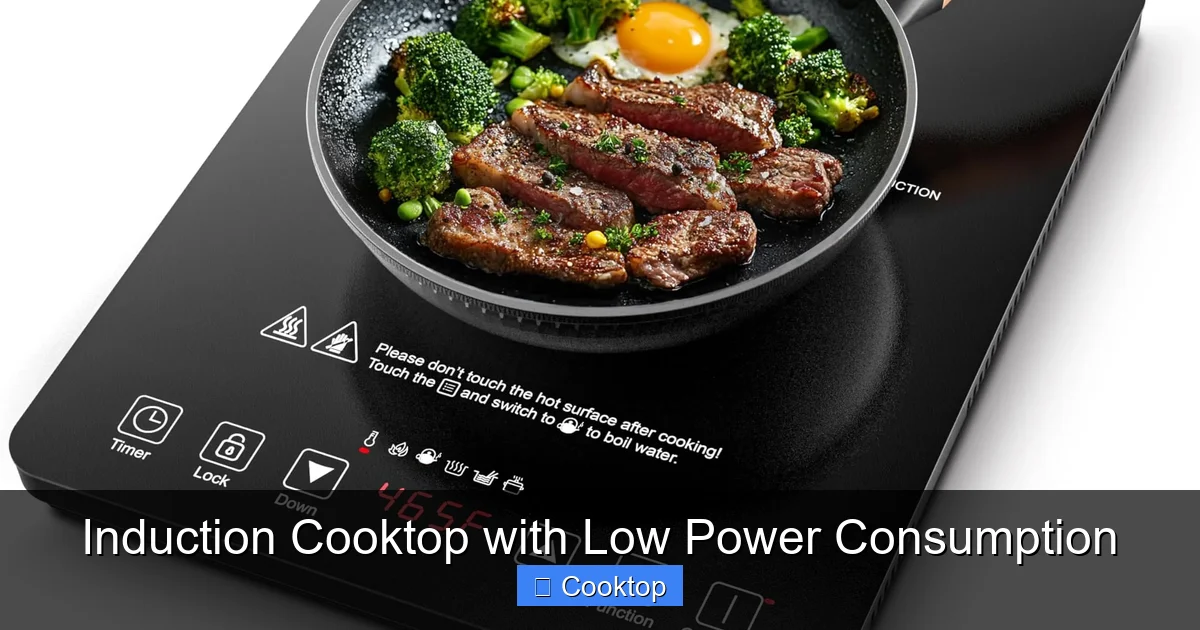
Visual guide about Induction Cooktop with Low Power Consumption
Image source: m.media-amazon.com
The Magnet Test
How do you know if your pans are induction-ready? It is actually very easy. Grab a simple kitchen magnet and hold it to the bottom of your pot. If the magnet sticks firmly to the bottom, your pan will work perfectly. If it doesn’t stick, it won’t work on an induction surface.
Recommended Materials
For the best results, you should look for cookware made of cast iron or magnetic stainless steel. These materials are excellent at conducting the energy provided by the magnetic field. If you want to make sure you are getting the best performance, it is a good idea to check out a guide on the best pots and pans for induction cooking to ensure you are getting the most out of your new appliance.
Using the right tools is vital. If you use a pan that is too small for the burner, you might waste some energy, but the biggest issue is-inefficiency. A well-fitted, heavy-bottomed pan will distribute the heat evenly, preventing hot spots and ensuring your food cooks perfectly every time.
Common Myths About Induction Cooktops
Whenever I talk to people about switching to induction, they often have a few concerns. I like to debunk these myths because once you know the truth, you will see why so many people are making the switch.
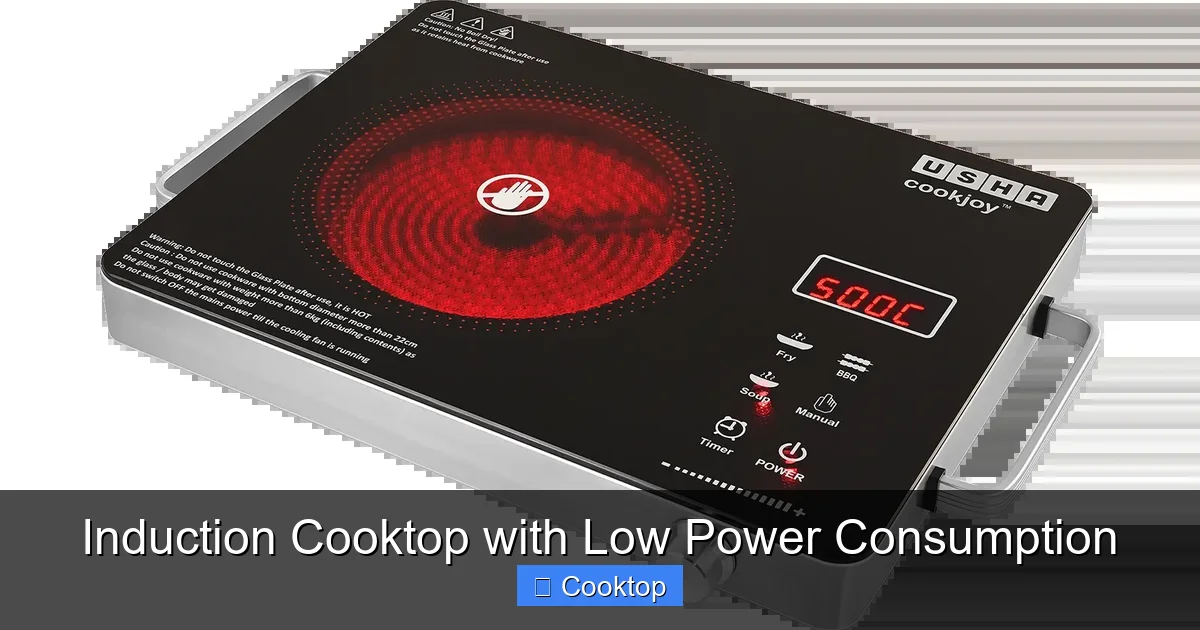
Visual guide about Induction Cooktop with Low Power Consumption
Image source: media.tatacroma.com
“It is too expensive to even start”
While it is true that induction cooktops can have a higher upfront cost than basic electric ones, you have to look at the long-term savings. Because they are so much more efficient, you will see a reduction in your monthly electricity-related costs. Plus, the durability of these appliances often means they last much longer than cheaper alternatives.
“It is difficult to cook with”
“It is not safe for my home”
Some people worry about the magnetic-style-heating being dangerous. But induction is actually one of the safest ways to cook. There is no open flame, and the cooktop itself stays relatively cool to the touch. If you remove the pan, the heat source effectively stops. This makes it a fantastic choice for households with young children.
Tips to Maximize Your Energy Savings
Even if you have an induction cooktop with low power consumption, there are ways you can be even more mindful of your energy use. It is all about small habits!
- Match Pan Size to Burner Size: Using a tiny pan on a large burner wastes energy. Try to match the diameter of your pan to the size of the-cooking zone.
- Keep Lids On: Just like with traditional cooking, using a lid helps trap heat and cooks your food much faster. This means the stove stays on for less time.
- Use the Right Cookware: As we discussed, using high-quality-magnetic cookware ensures that almost all the energy goes into your food rather than escaping through the sides of the pan.
- Clean Regularly: A clean-looking cooktop is easy to see, but a clean-working-sensor is even better. Keeping the-surface clean ensures the sensors work perfectly to manage power-flow.
If you are looking for specific-setup advice, you might find it helpful to look into the best hybrid gas stove with induction cooktop options. These allow you you to keep the familiarity of gas while enjoying the efficiency of induction when you need it.
Conclusion
Switching to an induction cooktop with low power consumption is one of the smartest moves you can make for your kitchen and your wallet. You get faster cooking times, better temperature control, and a much safer environment for your family. While there is a small learning curve regarding which pans to use, the benefits far outweigh the minor adjustments.
By choosing induction, you are not just upgrading your cooking experience; you are making a conscious choice to use energy more wisely. So, the next time you are thinking about a kitchen renovation or a new appliance, give induction a serious look. Your cooking—and your utility bill—will thank you!
Frequently Asked Questions
Does an induction cooktop use more electricity than gas?
Actually, induction is much more efficient than gas. While gas loses a lot of heat to the surrounding air, induction transfers energy directly to the pan, meaning less total electricity is needed to reach the same temperature.
Can I use my old-fashioned-pots on induction?
Only if they are magnetic! You can test your pots by seeing if a magnet sticks to the bottom. If it sticks, you are good to go. If not, you may need to invest in some new cookware.
Is induction cooking safe for kids?
< actually, it is much safer than gas or traditional electric stoves. The cooktop surface doesn' actually gets hot from an internal element; it only gets warm from the heat transferred back from the pan, which significantly reduces the risk of accidental burns.
Why is my induction pan making a buzzing sound?
A slight humming or buzzing sound is normal. It is caused by the magnetic field interacting with the metal in your pan. This is nothing to worry about and is a sign that the induction-process is working!
Do I need to change my kitchen ventilation for induction?
Not necessarily. Since induction produces much less ambient heat than gas, you might not even need heavy-duty-ventilation. However,-it is always a good idea to check your local building codes and your specific-cooktop-manual.
How do I clean an induction cooktop?
Cleaning is incredibly easy! Since the surface itself doesn’1 get as hot, food is less likely to burn onto the glass. You can usually just use a soft cloth and a gentle-all-purpose cleaner to keep it looking brand new.