Glass Cooktop Stove
Discover everything you need to know about a glass cooktop stove, from benefits and features to cleaning tips and top cookware picks. This guide helps you choose, install, and care for the perfect unit.
If you’ve ever stared at a sleek, shiny surface in a kitchen showroom and wondered what it is, you’re not alone. That glossy top is often a glass cooktop stove. It looks like a piece of art, but it’s actually a powerful cooking surface that can transform the way you prepare meals.
Key Takeaways
- Sleek Appearance: A glass cooktop stove adds a modern, seamless look to any kitchen.
- Easy Cleaning: The smooth surface wipes clean quickly and resists spills.
- Precise Heat Control: Fine temperature settings let you simmer sauces or sear steaks with confidence.
- Energy Efficiency: Induction models heat only the cookware, saving energy.
- Safety Features: Child locks and residual‑heat indicators keep your home safe.
- Compatibility: Works with a wide range of flat‑bottom cookware when used properly.
📑 Table of Contents
What Is a Glass Cooktop Stove?
A glass cooktop stove is a flat, glass‑covered heating surface that uses either electric elements or induction technology to generate heat. Unlike traditional coil burners, the heat comes from elements that are hidden beneath the glass. The result is a smooth, easy‑to‑clean cooking area that looks modern and luxurious.
How It Works
Inside a glass cooktop stove, each burner contains a heating coil or an induction coil. When you turn the knob, electricity flows through the coil, creating a magnetic field (in induction models) or simply heating the element (in electric models). The heat then transfers to the cookware placed on top. Because the glass itself stays relatively cool, spills are less likely to burn onto the surface. This glass cooktop stove can be found in both electric and induction variants, giving you flexibility.
Types of Glass Cooktop Stove
There are two main types you’ll encounter:
- Electric coil – uses resistive heating elements that glow red when hot.
- Induction – creates a magnetic field that directly heats the pot, offering faster response and greater energy efficiency.
Whether you pick an electric or induction glass cooktop stove, the surface remains smooth and sleek. Both types can be found in a glass cooktop stove design, but the feel and performance differ noticeably.
Top Benefits of a Glass Cooktop Stove
Sleek Design
One of the biggest draws of a glass cooktop stove is its minimalist look. The flat surface blends seamlessly with countertops, giving your kitchen a clean, high‑end appearance. It’s a far cry from the bulky, raised burners of older ranges. A glass cooktop stove can increase your home’s resale value.
Visual guide about Glass Cooktop Stove
Image source: lifesaversoftware.com
Easy Cleaning
Because the surface stays cool and is smooth, wiping it down after cooking is a breeze. Most spills don’t stick, and a simple damp cloth usually does the trick. For stubborn bits, a ceramic cooktop scraper can lift them without scratching. A glass cooktop stove can stay spotless with regular maintenance.
Precise Temperature Control
Modern glass cooktop stove units offer fine‑tuned temperature knobs or touch‑screen controls. Whether you need a gentle simmer or a rapid boil, you can dial in the exact heat level you want, which is especially helpful for delicate sauces. This glass cooktop stove offers precise temperature control for serious cooks.
How to Choose the Right Glass Cooktop Stove
Size and Burn Layout
Measure the space where you plan to install the unit. Glass cooktop stove models come in widths from 30 inches up to 48 inches, and they can have anywhere from four to nine burn zones. Think about how many pots you typically use at once. When you shop for a glass cooktop stove, consider the number of burn zones and their placement.
Visual guide about Glass Cooktop Stove
Image source: public-domain-image.com
Power Levels and Zones
Look for a unit that offers a wide range of wattage. Some glass cooktop stove models have a dedicated “boost” zone that can deliver up to 3,000 watts for rapid heating. If you love searing steaks, that extra power can be a game‑changer. A glass cooktop stove with a boost zone can handle high‑heat tasks with ease.
Safety Features
Child‑lock functions, residual‑heat indicators, and automatic shut‑off timers are common safety extras. These features help prevent accidents and give you peace of mind, especially in busy households. A glass cooktop stove typically includes these safety extras.
Installation and Maintenance Tips
Preparing the Countertop
Before installing a glass cooktop stove, make sure the countertop can support its weight. Most units weigh between 30 and 50 pounds, so a sturdy cabinet or a dedicated cutout is required. The opening must be precisely measured to avoid gaps. A glass cooktop stove typically requires a cutout that matches the manufacturer’s specifications.
Visual guide about Glass Cooktop Stove
Image source: c.pxhere.com
Electrical Requirements
These units typically need a dedicated 240‑volt circuit. If you’re not comfortable working with electricity, hire a licensed electrician. Improper wiring can damage the appliance or create a fire hazard.
Professional vs DIY Installation
While some DIY‑savvy homeowners can handle the cutout and hookup, most manufacturers recommend professional installation. It ensures the unit is level, properly sealed, and meets local building codes. A glass cooktop stove installation is best left to professionals for optimal safety.
Cleaning and Care for Glass Cooktop Stove
Daily Wipe‑Down
After each cooking session, let the surface cool for a few minutes, then wipe it with a soft, damp cloth. Avoid abrasive pads; they can dull the finish over time.
Removing Stubborn Stains
For burnt‑on residue, apply a little cooking oil or a specialized glass cooktop cleaner. Let it sit for a minute, then use a ceramic cooktop scraper to lift the stain gently. Rinse with a clean, damp cloth.
Using the Right Cleaner
Never use ammonia‑based cleaners, bleach, or steel wool. These can etch the glass and cause permanent damage. Instead, opt for a pH‑neutral glass cooktop cleaner or a mixture of water and mild dish soap. Using the right cleaner keeps your glass cooktop stove looking brand new.
Cookware Compatibility and Tips
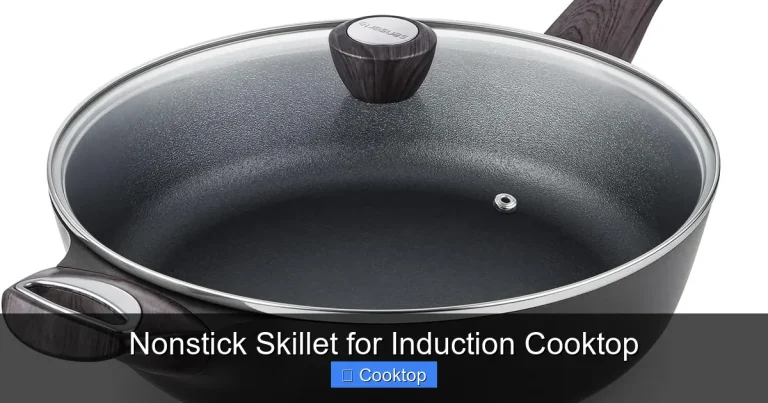
Not all pots and pans work on a glass cooktop stove. The bottom of the cookware must be flat and made of a magnetic material for induction models, or simply have a smooth, flat base for electric models.
Best Pots and Pans
For a comprehensive list of recommended cookware, check out our guide on best cookware to use on glass cooktop. Generally, stainless steel, cast iron (with a flat base), and certain non‑stick pans work well.
Avoiding Scratches
Even though the glass is tough, dragging heavy pots can leave scratches. Always lift cookware rather than sliding it across the surface. If you need to move a heavy pot, place a silicone mat underneath to protect the glass. Using the right cookware on your glass cooktop stove protects the surface and extends its life.
Final Thoughts
Investing in a glass cooktop stove can elevate both the look and functionality of your kitchen. With sleek aesthetics, easy cleaning, and precise heat control, it’s a compelling choice for modern home cooks. When you decide on a glass cooktop stove, you’re investing in a modern cooking experience. A glass cooktop stove offers sleek looks, easy cleaning, and precise heat. Many home chefs love the glass cooktop stove because it combines style and function. If you’re ready to upgrade, explore the glass cooktop stove options that fit your space and budget.
Frequently Asked Questions
What is a glass cooktop stove?
A glass cooktop stove is a flat, glass‑covered cooking surface that uses electric or induction heating. It offers a sleek look and easy cleaning compared to traditional coil burners.
Can you use any pot on a glass cooktop stove?
Not any pot works; the bottom must be flat and compatible with the heating method. For induction models, the pot must be magnetic.
How do I clean a glass cooktop stove?
Wipe the surface with a damp cloth after it cools, and use a ceramic cooktop scraper for stubborn residue. Avoid abrasive cleaners that can scratch the glass.
Do glass cooktop stoves need special installation?
Yes, they require a precise cutout and a dedicated electrical circuit. Professional installation is recommended to ensure safety and proper function.
Is a glass cooktop stove energy efficient?
Induction models are generally more energy efficient than electric coil models because they heat only the cookware. This can reduce overall energy consumption.
What are the main benefits of a glass cooktop stove?
They provide a modern aesthetic, easy cleaning, and precise temperature control. Many users also appreciate the smooth surface that resists spills and burns.