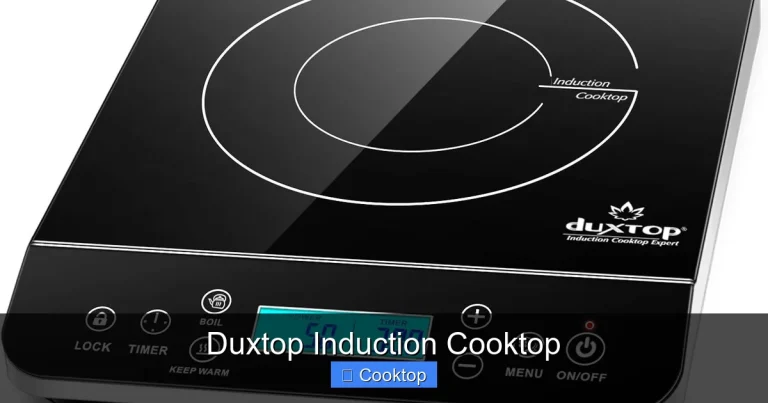
Induction Cooktop Range
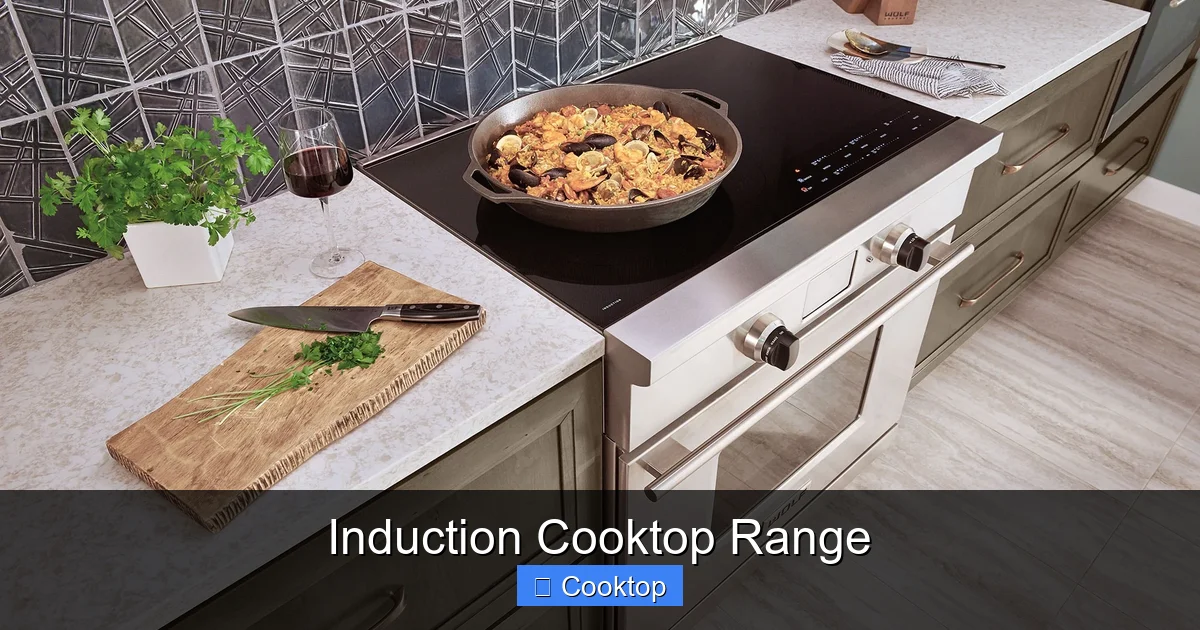
Induction cooktop ranges combine cutting-edge technology with unmatched efficiency, offering lightning-fast heating and precise temperature control. These sleek, modern appliances are perfect for any kitchen, delivering fuel savings, easy cleanup, and enhanced safety features. Whether upgrading or building new, an induction cooktop range is a smart investment for tech-savvy cooks who value speed and versatility.
[Featured Image Placeholder]
Key Takeaways
- Energy Efficiency: Induction cooktops convert up to 84% of energy into heat, far surpassing traditional electric or gas stoves.
- Precise Temperature Control: Digital panels and touch controls allow exact heat adjustments, ideal for delicate recipes.
- Safety First: Only heats compatible cookware, reducing fire risks and keeping stove tops cool to touch.
- Space-Saving Design: Slim profiles fit various kitchen layouts, from compact apartments to luxury homes.
- Easy Maintenance: Smooth surfaces resist spills and stains, making daily cleaning a breeze.
- Compatibility Matters: Requires magnetic cookware (stainless steel, cast iron), so check your pots and pans first.
- Instant Heat Response: Boil water in seconds and adjust heat levels immediately, no waiting for burners to heat up or cool down.
📑 Table of Contents
Understanding the Induction Cooktop Range
An induction cooktop range represents the future of cooking technology, blending advanced electromagnetic heating with the convenience of a built-in stove. Unlike traditional gas or electric ranges, induction cooktops use magnetic fields to generate heat directly in your cookware. This means faster heating, precise control, and a surface that stays cool when not in use.
What Makes It Different?
Conventional stoves heat the burner first, then transfer heat to your pot. Induction skips this step by creating an alternating magnetic field that induces eddy currents in ferromagnetic cookware, generating heat through resistance. The result? Heat on demand, with no wasted energy warming up unnecessary components.
Benefits of Choosing an Induction Cooktop Range
Switching to an induction cooktop range can transform your cooking experience. Here’s why so many chefs and home cooks are making the switch:
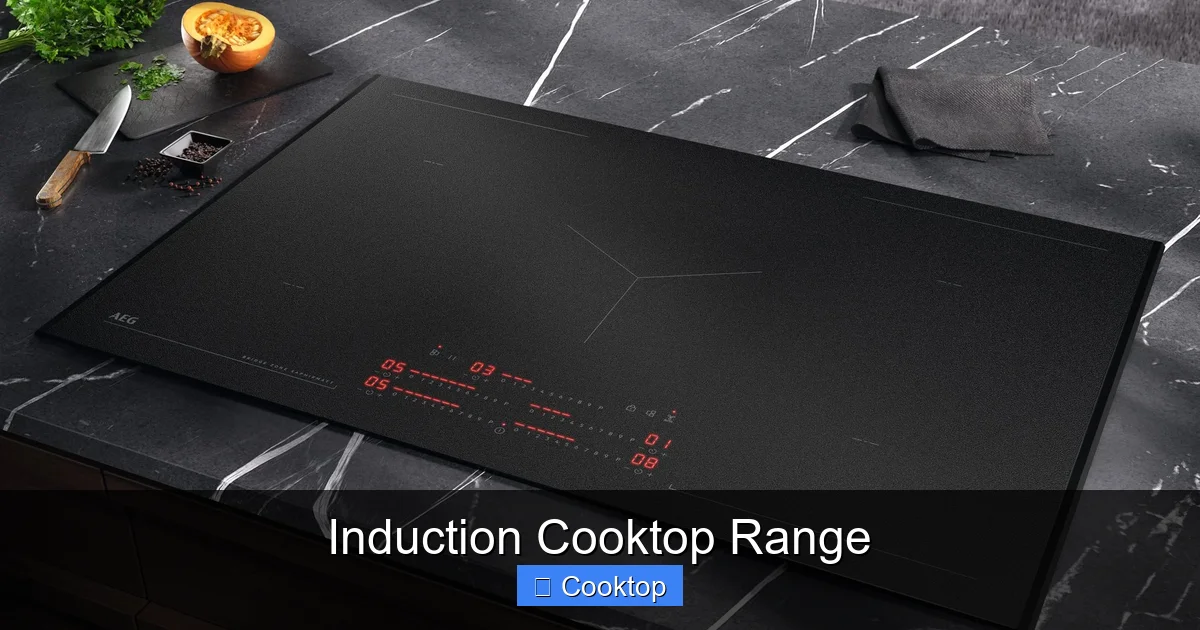
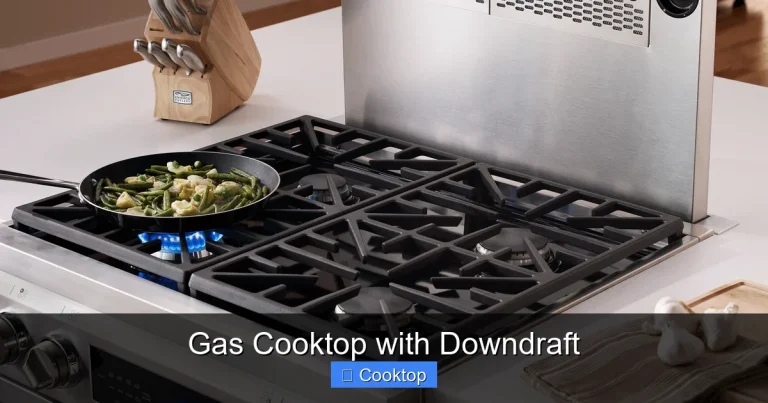
Visual guide about Induction Cooktop Range
Image source: good-design.org
Speed and Efficiency
Induction heating is incredibly fast. Water boils in under two minutes, and pans reach searing temperatures almost instantly. This speed isn’t just convenient—it’s efficient. Induction units use up to 84% of energy for cooking, compared to 40% for electric and 25% for gas. You’ll notice shorter cooking times and lower utility bills.
Safety and Cleanliness
Since the cooktop itself doesn’t get hot unless cookware is present, burn risks are minimal. Spills land on a relatively cool surface, and sticky residues are easier to wipe away. Plus, induction only works with magnetic pots and pans, so if you forget to turn it off, nothing happens when you remove the cookware.
How Does an Induction Cooktop Work?
The science behind induction might sound complex, but the process is surprisingly straightforward:
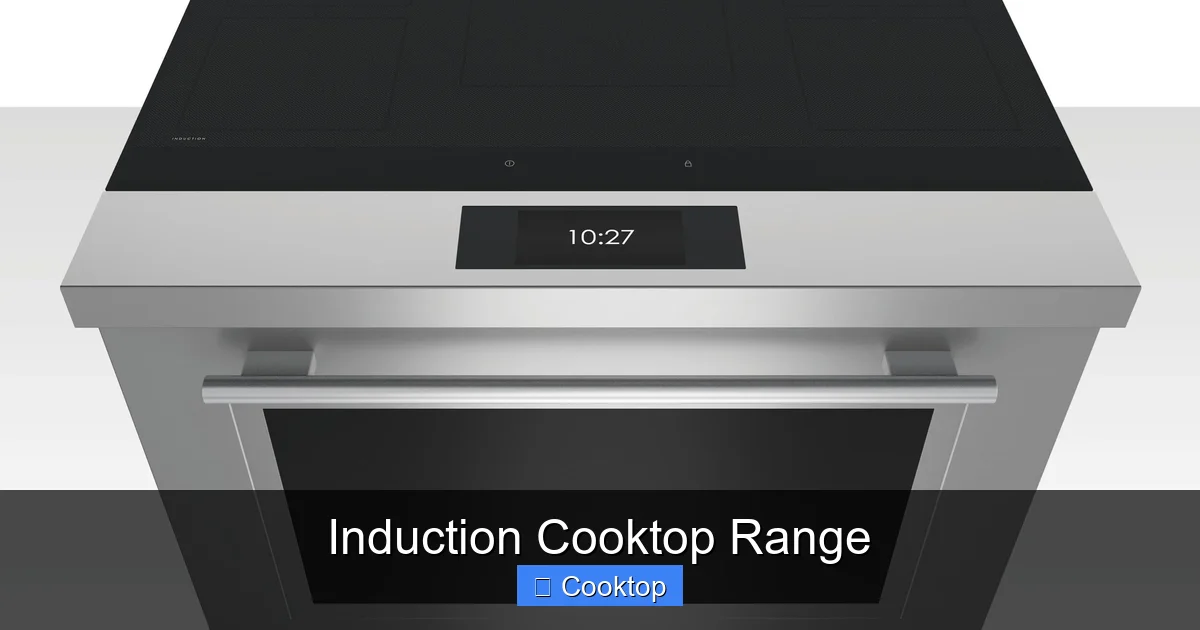
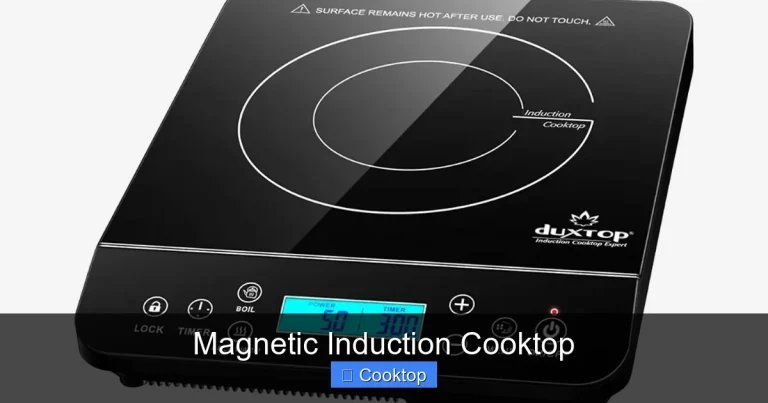
Visual guide about Induction Cooktop Range
Image source: subzero-wolf.com
Magnetic Energy Conversion
When you activate an induction cooktop, it sends a high-frequency electromagnetic field beneath the glass surface. If you place a magnet-compatible pot on top, these fields interact with the metal, creating electrical currents called eddy currents. These currents produce heat within the pan itself—not the stove—which is then transferred to your food.
Why It Feels Different
Because there’s no open flame or exposed heating element, you won’t see flames or glowing coils. Instead, you’ll feel heat building in your pan within seconds. The lack of ambient heat also means less moisture buildup in your kitchen and reduced overall cooking smells.
Choosing the Right Induction Cooktop Range
With so many models available, selecting the perfect induction cooktop requires balancing performance, size, and personal preferences:
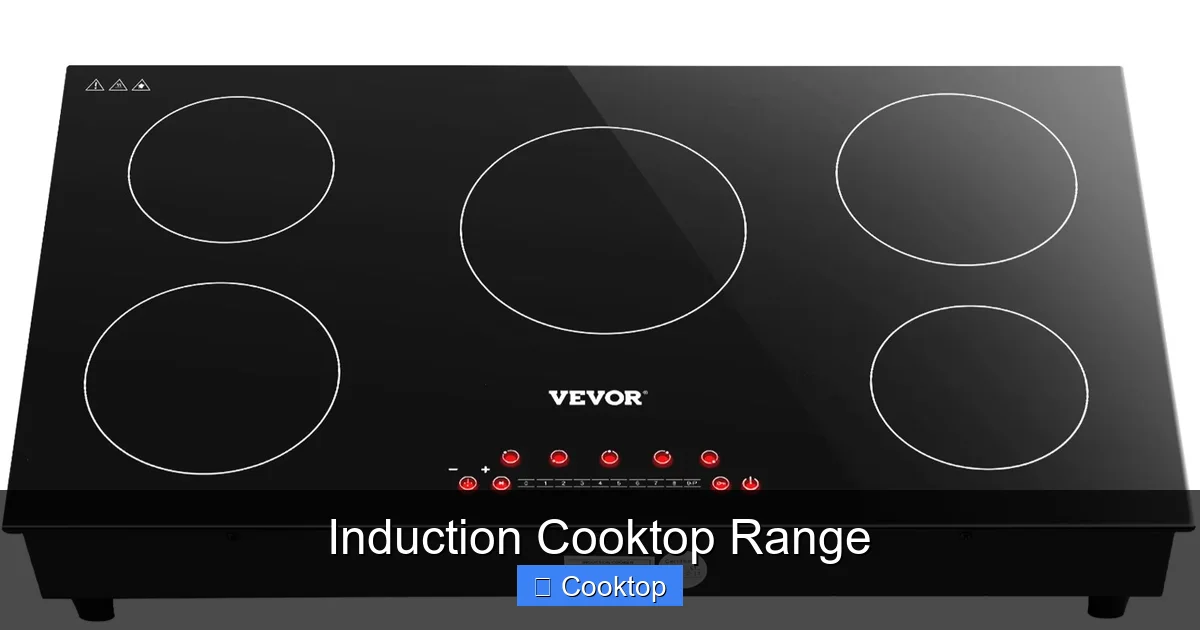
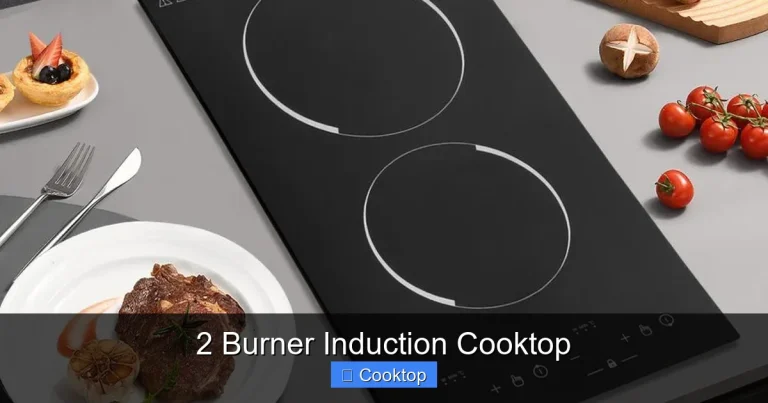
Visual guide about Induction Cooktop Range
Image source: image.vevor.com
Size and Configuration
Standard induction ranges come in 30-inch widths with four burners, but compact 2-burner options exist for smaller kitchens. Consider how often you cook multiple dishes simultaneously. Larger families might prefer dual-fuel ovens paired with big cooktops, while singles may opt for sleek single-wall designs.
Power Output and Features
Look for wattage between 2,000 to 7,000 watts per zone for powerful performance. High-end models offer smart connectivity via apps, timer settings, and preset modes for specific foods like pasta or vegetables. Some even include residual heat indicators or automatic pan detection.
Maintaining Your Induction Cooktop Range
One of the biggest perks of induction cooking is low maintenance. However, proper care extends your appliance’s lifespan:
Cleaning Tips
Immediately wipe up spills to prevent sticking. Use a gentle cleaner and soft cloth—abrasive pads can scratch the glass. Avoid harsh chemicals that could damage protective coatings. Always ensure the surface is dry before turning on the unit again.
Troubleshooting Common Issues
If your cooktop isn’t heating, double-check that your pot is magnetic. Non-magnetic materials (like aluminum or copper) won’t trigger induction. Also, verify that the burner is selected and the control knob is turned properly. For persistent problems, consult your owner’s manual or contact customer support.
Maximizing Your Induction Cooking Experience
To get the most out of your induction cooktop range, consider these practical tips:
Select Compatible Cookware
Invest in magnetic-safe pots made from stainless steel or cast iron. You can test compatibility by placing a magnet on the bottom—if it sticks firmly, it’ll work. Many manufacturers now produce induction-ready cookware lines specifically designed for optimal heat distribution and response.
Adjust Heat Settings Gradually
Because induction heats so quickly, start at lower settings and slowly increase as needed. This prevents scorching and ensures even cooking. For sautéing onions or searing steaks, medium-high heat usually suffices without overwhelming your recipe.
Frequently Asked Questions
Is an induction cooktop safe for everyday use?
Yes, induction cooktops are extremely safe. They only activate when magnetic cookware is present, and the surface remains cool unless a pot is heating. There are no open flames or exposed elements, significantly reducing fire hazards.
What type of cookware works best with induction?
You’ll need pots and pans made from magnetic materials like stainless steel or cast iron. Simply test with a magnet—if it sticks strongly to the bottom, it’s compatible. Aluminum and copper cookware won’t work unless fitted with a magnetic base.
How do I clean my induction cooktop?
Because the surface doesn’t get hot, spills are easier to manage. Wipe them up immediately with a damp cloth, then use a mild cleaner and soft sponge. Avoid abrasive tools that could scratch the glass. Dry thoroughly before next use.
Can I use an induction cooktop with a wok?
Absolutely, as long as your wok is magnetic. Round-bottomed woks work especially well on induction because they conform closely to the heating zone. Just ensure the base makes full contact for even heating.
Do I need professional installation for an induction range?
While professional installation is recommended for best results, some models come with DIY setup guides. However, electrical requirements vary by model, so check if your kitchen has the proper wiring and outlet before purchasing.
Will an induction cooktop save me money on energy bills?
Definitely. Induction heating is far more efficient than gas or electric methods, converting most energy directly into cooking heat. You’ll see noticeable reductions in monthly energy usage, especially when cooking frequently or hosting large meals.