Ceramic Cooktop Cleaner
Keeping your ceramic cooktop looking new is easier than you think. A good Ceramic Cooktop Cleaner removes stains, grease, and scratches while protecting the surface. Use the right product and simple steps to maintain a spotless kitchen every day.
Modern kitchens love the sleek look of ceramic cooktops. These glass‑top ranges offer a smooth surface that is easy to wipe clean. Yet, without the right care, they can become a magnet for stains, grease, and scratches. That’s where a dedicated Ceramic Cooktop Cleaner comes in. This specialized cleaner is designed to dissolve baked‑on food, lift oil, and protect the delicate glaze. In this guide, we walk you through why a proper cleaner matters, how to pick the best one, and the exact steps to keep your cooktop shining. Whether you are a daily home cook or an occasional baker, these tips will help you maintain a flawless surface that lasts for years.
Key Takeaways
- Point 1: Regular cleaning prevents permanent stains and keeps the glass smooth.
- Point 2: Choose a non‑abrasive Ceramic Cooktop Cleaner that protects the finish.
- Point 3: Follow a step‑by‑step guide for safe and effective cleaning every week.
- Point 4: Avoid harsh chemicals and rough scrubbers that can damage the surface.
- Point 5: For product recommendations, see our Ceramic Cooktop Cleaning Cream review.
- Point 6: Pairing the right cookware extends the life of your cooktop, as shown in our Best Cookware For Ceramic Glass Cooktop 2 guide.
- Point 7: Explore more options in our Cookware For Ceramic Cooktop article.
📑 Table of Contents
Understanding Ceramic Cooktops
Ceramic cooktops are made from a glass‑ceramic material. This material combines glass and ceramic particles to create a hard, smooth surface. It conducts heat well but remains cool to the touch when not heating. The surface is smooth, which makes cleaning easier than traditional metal tops. However, the smoothness also means that scratches can be more visible.
The main advantage of ceramic cooktops is their aesthetic appeal. They give a modern, seamless look to any kitchen. They also heat up quickly and cool down fast, which saves energy. Yet, the glass surface can be sensitive to high heat, abrasive cleaners, and sharp utensils. Understanding these traits helps you choose the right Ceramic Cooktop Cleaner and care routine.
What Makes Ceramic Unique
The glass‑ceramic material is engineered to resist thermal shock. It can handle sudden temperature changes better than plain glass. The surface is also non‑porous, which means it does not absorb liquids. This makes spills easy to wipe away if cleaned promptly. However, the non‑porous nature also means that stains can set if left unattended.
Common Challenges
One common issue is burnt food residue. Because the surface is smooth, food can stick and burn quickly. Another problem is oil buildup, especially around the burners. Over time, a film can develop that reduces the sleek appearance. Additionally, the glaze can wear if you use harsh chemicals or metal scrubbers. Knowing these challenges helps you select a cleaner that tackles each issue without harming the finish.
Why a Specialized Ceramic Cooktop Cleaner Matters
Not every household cleaner works well on ceramic glass. Many general-purpose cleaners contain ammonia or bleach, which can etch the surface. A specialized Ceramic Cooktop Cleaner is formulated with mild surfactants and pH‑balanced acids. These ingredients break down grease and burnt residue while being safe for the glaze.
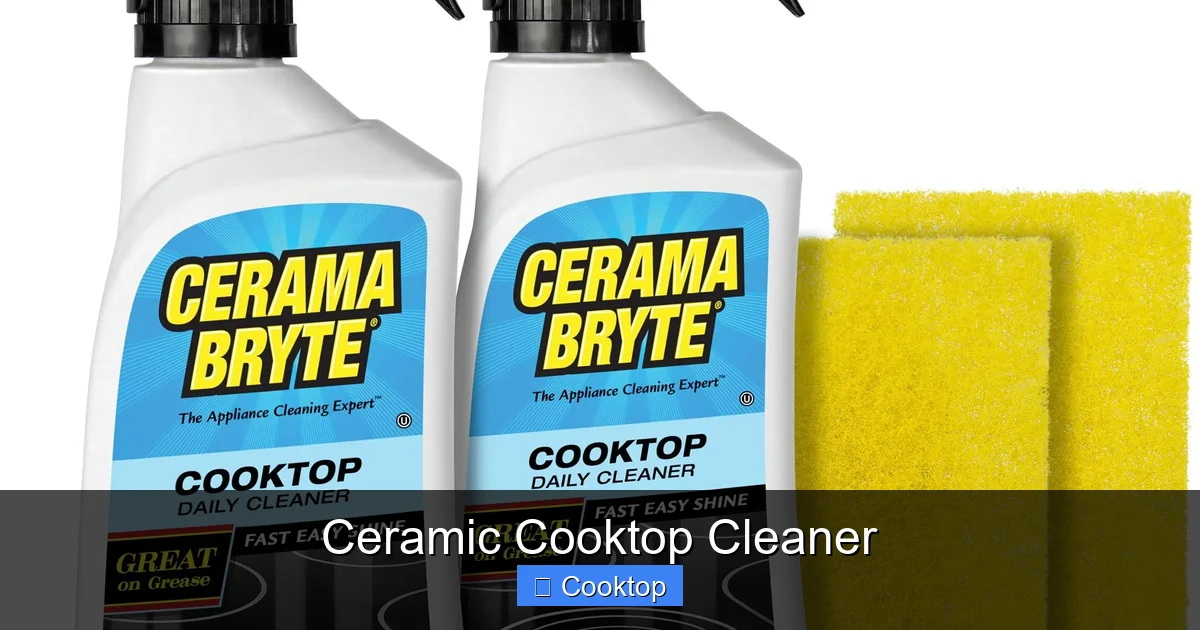
Visual guide about Ceramic Cooktop Cleaner
Image source: m.media-amazon.com
Using the right cleaner also protects the warranty of your cooktop. Manufacturers often require that you use recommended products to keep the warranty valid. A dedicated cleaner helps you avoid voiding the warranty due to damage caused by inappropriate chemicals.
Benefits Over General Cleaners
A Ceramic Cooktop Cleaner typically includes a protective coating that repels future stains. This coating can make daily wiping easier and reduce the need for deep cleaning. General cleaners may leave residue that attracts dust and grime over time. The specialized formula also tends to dry without streaks, leaving a clear, glossy finish.
What a Good Cleaner Should Do
First, it should dissolve baked‑on food without scratching. Second, it should cut through oil and grease in one application. Third, it should leave a thin protective layer that prevents new stains. Finally, it should be safe for all types of ceramic surfaces, including those with decorative patterns. Look for products that are labeled “ceramic‑safe” or “glass‑top compatible.”
How to Choose the Right Cleaner
Selecting a Ceramic Cooktop Cleaner can feel overwhelming with so many options on the market. Start by checking the ingredient list. Look for mild surfactants, citric acid, or acetone as active ingredients. These components are effective yet gentle on the glass.
Visual guide about Ceramic Cooktop Cleaner
Image source: carbona.com
Next, consider the form of the cleaner. Sprays are convenient for quick touch‑ups. Gels work well for deeper stains because they stay in place. Powders can be useful for heavy buildup but may require more rinsing. Choose a form that matches your cleaning habits.
Reading user reviews can also guide your choice. Many homeowners mention whether the product leaves streaks or damages the finish. For a trusted option, see our Ceramic Cooktop Cleaning Cream review. This article compares several top‑rated formulas and highlights pros and cons.
Ingredients to Look For
Citric acid is a natural degreaser that safely removes burnt food. It also helps to polish the surface without harsh chemicals. Sodium lauryl sulfate (SLS) is a gentle surfactant that lifts oil and dirt. Finally, a small amount of isopropyl alcohol can help cut through stubborn residues.
Ingredients to Avoid
Avoid cleaners that contain ammonia, bleach, or abrasive particles. These can etch the glass and cause permanent scratches. Also steer clear of solvents like acetone in high concentrations, as they can degrade the protective glaze.
Step‑by‑Step Cleaning Guide
Even the best Ceramic Cooktop Cleaner will not work if you skip the preparation steps. Follow this simple routine weekly to keep your cooktop in top shape.
Visual guide about Ceramic Cooktop Cleaner
Image source: arnoldproducts.co.nz
Gather Your Supplies
You will need the Ceramic Cooktop Cleaner, a soft microfiber cloth, a non‑abrasive sponge, and warm water. Keep a bucket handy for rinsing cloths. If you have a spray bottle, you can mix the cleaner with water according to the label instructions.
Prepare the Cooktop
Turn off the cooktop and let it cool completely. Remove any pots, pans, or accessories from the surface. This prevents accidental scratches during cleaning.
Apply the Cleaner
Spray or apply the cleaner evenly across the surface. Focus on areas with visible stains or grease buildup. Let the product sit for the time recommended on the label—usually two to five minutes. This dwell time allows the ingredients to break down residues.
Wipe and Rinse
Using a soft microfiber cloth, gently wipe the surface in circular motions. The cloth will lift loosened grime without scratching. For stubborn spots, a damp, non‑abrasive sponge can be used. Rinse the cloth frequently in warm water to avoid spreading dirt. After cleaning, wipe the surface again with a clean, dry cloth to remove any residue.
Final Touch
Once the cooktop is dry, you can apply a protective spray if your cleaner includes one. This extra layer helps repel future stains. Finally, place any accessories back, and your cooktop is ready for the next cooking session.
Maintaining Your Cooktop’s Shine
Daily habits make a huge difference in how often you need deep cleaning. A quick wipe after each use can prevent buildup. Use a damp cloth with mild soap for everyday cleaning. Avoid leaving food to sit for long periods, as this can cause permanent marks.
Weekly, perform the full cleaning routine described above. This ensures that any oil or residue is removed before it hardens. In addition, check the burners and heating elements for crumbs. A small brush or toothpick can clear debris from the orifices.
When selecting new cookware, refer to our Best Cookware For Ceramic Glass Cooktop 2 guide. The right pots and pans protect the surface and improve heat distribution. Also, explore more options in our Cookware For Ceramic Cooktop article. Using compatible cookware reduces the risk of scratches and overheating.
Daily Habits
Wipe spills immediately with a soft cloth. Avoid using abrasive scrubbers or steel wool. Keep the surface free of sharp objects that could cause scratches.
Weekly Deep Clean
Follow the step‑by‑step guide each week. Use the Ceramic Cooktop Cleaner to remove any buildup. After cleaning, inspect the surface for any signs of wear.
Seasonal Check
At the start of each season, do a more thorough inspection. Look for cracks, chips, or discoloration. If you notice any damage, consult the manufacturer before attempting repairs.
Common Mistakes to Avoid
Many homeowners inadvertently damage their ceramic cooktops with everyday habits. The most frequent mistake is using harsh chemicals like oven cleaners. These products contain strong acids that can etch the glass. Another error is scrubbing too hard with metal sponges. Even a tiny scratch can become a visible mark over time.
Neglecting heat zones is also problematic. Leaving a heavy pot on medium heat for a long time can cause scorching. Always use the correct heat setting for each dish. Finally, some people forget to let the cooktop cool before cleaning. Hot surfaces can crack if exposed to sudden temperature changes.
Using Harsh Chemicals
Stick to cleaners specifically designed for ceramic glass. If you are unsure, test the product on an inconspicuous area first. Wait 24 hours to see if any discoloration occurs.
Scrubbing Too Hard
Use only soft, non‑abrasive cloths or sponges. Gentle circular motions are enough to lift grime. If a stain persists, apply more cleaner and let it sit longer rather than aggressive scrubbing.
Neglecting Heat Zones
Avoid placing heavy lids directly on the glass. Use trivets or silicone mats when possible. Keep the burners clear of debris to ensure even heating.
In conclusion, a Ceramic Cooktop Cleaner is an essential tool for any kitchen with a glass‑top range. By understanding the unique properties of ceramic surfaces, selecting the right cleaner, and following a simple cleaning routine, you can keep your cooktop looking brand new. Remember to avoid common mistakes, maintain daily habits, and refer to trusted resources like our Ceramic Cooktop Cleaning Cream review and cookware guides. With these practices, your ceramic cooktop will remain a sleek, reliable centerpiece of your cooking space for years to come.
Frequently Asked Questions
Why is a specialized Ceramic Cooktop Cleaner better than a general kitchen cleaner?
A specialized Ceramic Cooktop Cleaner is pH‑balanced and contains gentle surfactants that lift grease without etching the glass. General kitchen cleaners often contain ammonia or bleach, which can damage the delicate glaze and cause streaks or scratches.
How often should I clean my ceramic cooktop?
Daily wipe‑downs keep the surface free of spills. A weekly deep clean using a Ceramic Cooktop Cleaner ensures built‑up residue is removed and the protective layer is maintained.
Can I use vinegar on my ceramic cooktop?
Vinegar is acidic and can etch the glass over time. It is best to stick with cleaners specifically formulated for ceramic surfaces to avoid damage.
What should I do if the cleaner leaves streaks?
Streaks often result from using too much product or not rinsing properly. Try a second wipe with a clean, damp microfiber cloth and then dry the surface with a separate cloth.
Is it safe to use a scouring pad on a ceramic cooktop?
No. Even fine‑grade scouring pads can scratch the glass. Always use soft, non‑abrasive cloths or sponges for cleaning.
How can I protect my cooktop from future stains?
Apply a protective spray after cleaning, keep the surface dry, and use compatible cookware. Refer to our Best Cookware For Ceramic Glass Cooktop 2 guide for recommendations.