Small Induction Cooktop
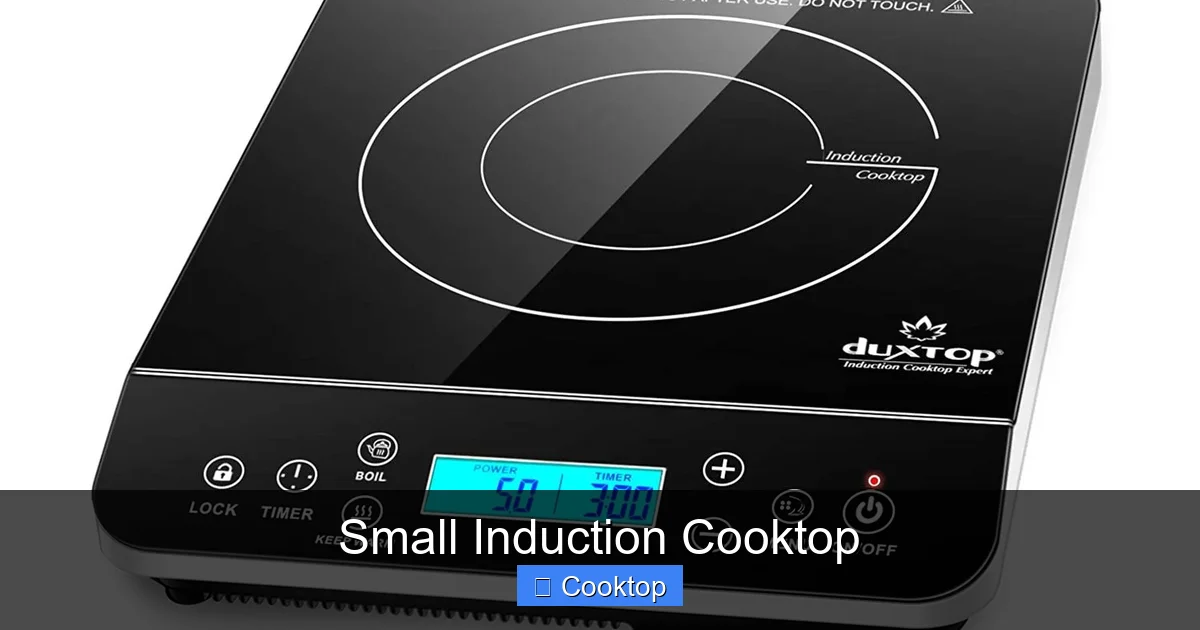
Small Induction Cooktop units are compact, energy‑efficient, and respond instantly to magnetic cookware. They make cooking in tight spaces safer and more precise than traditional gas or electric burners.
Key Takeaways
- Compact Design: Fits easily in apartments, dorms, and small kitchens without sacrificing performance.
- Instant Heat: Provides rapid temperature rise and precise control for efficient cooking.
- Energy Saving: Uses up to 90 % less electricity compared to conventional electric coils.
- Safety Features: Cool‑to‑touch surface and automatic shut‑off reduce burn and fire risks.
- Portability: Lightweight units can be moved between locations, ideal for renters.
- Easy Maintenance: Smooth glass surface wipes clean quickly, no grubby grates to scrub.
📑 Table of Contents
Understanding Small Induction Cooktops
When you think about modern cooking, a Small Induction Cooktop often pops into mind as a space‑saving hero. These units are designed to sit on a countertop, usually measuring between 9 and 12 inches across, making them perfect for apartments, dorms, or as a supplemental burner in a larger kitchen. Unlike traditional electric coils or gas burners, a Small Induction Cooktop uses electromagnetic fields to heat your pots directly, which means no wasted heat and a cooler surrounding surface.
Imagine a tiny kitchen in a city loft where every inch counts. A Small Induction Cooktop can sit on a small table, letting you boil water, sauté vegetables, or fry eggs without needing a full‑size range. For renters who can’t install gas lines, this compact solution provides the convenience of a full‑size induction system without the installation hassle. If you are new to induction, our guide on using an induction cooktop can help you get started with confidence.
Why Size Matters
The small footprint of these cooktops is not just about saving space; it also influences power. Most Small Induction Cooktops operate between 1200 and 1800 watts, delivering enough heat for single‑pan cooking while staying energy‑efficient. They often feature a single burn zone, but some models offer dual burners in a compact frame. This flexibility lets you adapt the unit to different cooking tasks without overwhelming a tiny kitchen.
Another advantage is portability. Many units weigh less than 10 pounds, with built‑in handles that make it easy to move them from one countertop to another. This is especially useful if you host gatherings and need an extra heat source in a different room. The lightweight design also means you can store the cooktop vertically or under a cabinet when not in use.
How the Technology Works
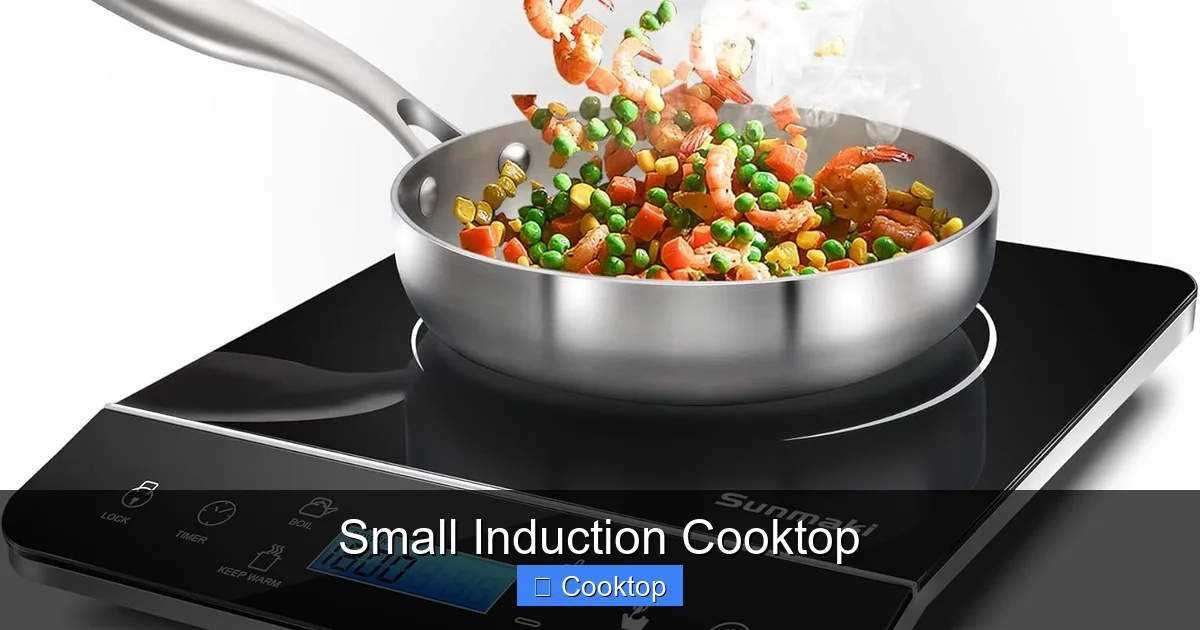
At the heart of a Small Induction Cooktop is a copper coil wrapped around a ferrite core. When you turn the unit on, an alternating current flows through the coil, creating a rapidly changing magnetic field. This field penetrates the bottom of magnetic cookware—think cast iron or stainless steel—and causes the metal molecules to vibrate. The friction from this vibration generates heat directly inside the pan, not in the air or on the cooktop surface.
Visual guide about Small Induction Cooktop
Image source: m.media-amazon.com
Because heat is generated inside the pot, the surface of the cooktop remains relatively cool. This cool‑to‑touch feature is a big safety win, especially in homes with children. It also means you can wipe away spills instantly without waiting for the surface to cool down. The rapid heating also translates to faster boiling times, which can save both time and energy.
Modern Small Induction Cooktops often include digital control panels that let you set exact temperature levels. Some even have preset modes for simmering, boiling, or keeping food warm. These controls are responsive because the electromagnetic system reacts instantly to changes in power, giving you precise cooking control that gas or electric coils simply cannot match.
Power and Efficiency
One common question is whether a small unit can handle larger tasks. While a Small Induction Cooktop may not match the wattage of a full‑size range, many models still deliver 1500–1800 watts, which is comparable to a standard electric skillet. This power level is enough for most everyday cooking, including boiling water, searing steaks, and slow‑cooking sauces.
Energy efficiency is another big draw. Since heat is generated only where it’s needed, you can expect up to 90 % efficiency. That means less wasted electricity and lower utility bills. For example, heating a liter of water on a Small Induction Cooktop can take under 3 minutes, whereas the same task on a conventional electric coil might take 5–6 minutes.
Key Benefits of Choosing a Small Induction Cooktop
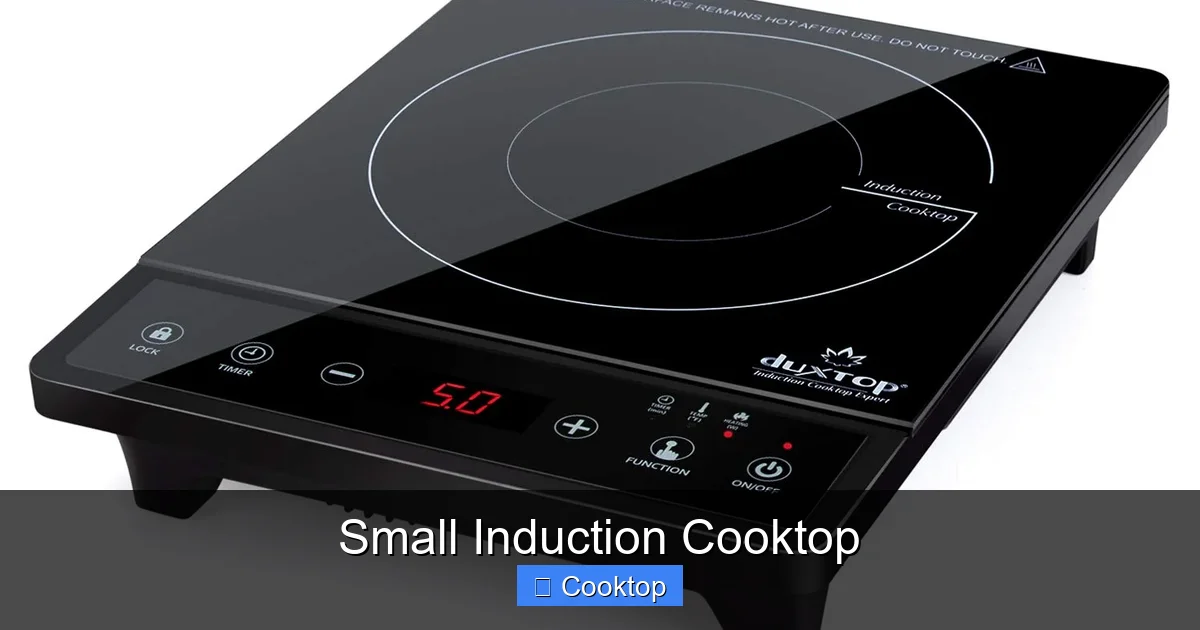
When you compare a Small Induction Cooktop to other heating methods, the advantages stack up quickly. First, the speed. Because the magnetic field reacts instantly, you get heat the moment you turn the knob. This speed is especially noticeable when you need to bring a pan of water to a boil or quickly sear thin cuts of meat.
Visual guide about Small Induction Cooktop
Image source: images-na.ssl-images-amazon.com
Second, safety. The surface stays cool unless a pot is present, which reduces the risk of accidental burns. Many models also include child‑lock features and automatic shut‑off if no cookware is detected. These built‑in safeguards give peace of mind in busy households.
Third, precision. Digital controls let you set temperature down to a single degree, making tasks like melting chocolate or keeping a sauce at a perfect simmer much easier. You won’t have the temperature fluctuations that gas burners sometimes experience.
Fourth, cleaning. The glass‑ceramic surface is smooth and flat, so food spills slide right off. You only need a soft cloth and mild detergent; no scrubbing required. This ease of cleaning is a huge plus for anyone who dislikes deep cleaning after every use.
Finally, portability and flexibility. Many Small Induction Cooktops are designed to be taken on camping trips, road trips, or used in office kitchens. Their lightweight build means you can store them in a closet when not needed, keeping your workspace clutter‑free.
Environmental Impact
Choosing a Small Induction Cooktop also aligns with greener living habits. The high efficiency means less overall electricity consumption, which reduces your carbon footprint. Over a year, the energy savings can be significant compared to using a traditional electric range. Additionally, because the cooktop stays cool, it generates less ambient heat in your kitchen, reducing the need for air‑conditioning during hot months.
Selecting the Right Small Induction Cooktop
Finding the perfect unit depends on your specific needs. Start by measuring the available countertop space. Most Small Induction Cooktops are between 9 and 12 inches wide, but always double‑check the dimensions to ensure a comfortable fit.
Visual guide about Small Induction Cooktop
Image source: seriouseats.com
Next, consider the wattage. If you plan to cook larger pots or frequently use heavy pans, aim for a model with at least 1500 watts. For lighter tasks like boiling eggs or making coffee, a 1200‑watt unit may be sufficient. Some models also offer variable power settings, letting you adjust the heat as needed.
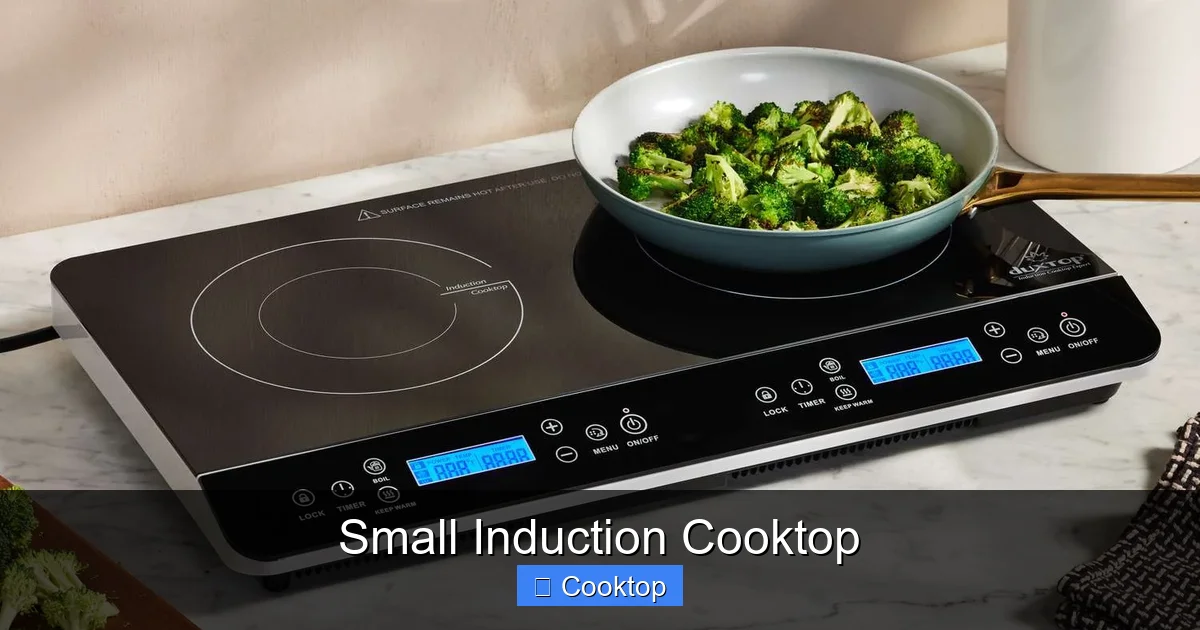
The number of burners is another factor. Single‑burner models are ideal for small spaces, while dual‑burner designs provide more flexibility without taking up much extra room. If you often cook for a small family or host occasional gatherings, a dual‑burner Small Induction Cooktop might be the best investment.
Control type matters too. Touch‑sensitive panels are sleek and easy to clean, but some users prefer physical knobs for tactile feedback. Look for models with LED displays, which are easy to read even in low light. Some units also feature a “pause” function, letting you temporarily stop heating without resetting the temperature.
Brand reputation and warranty can save you headaches down the line. Research customer reviews to see how durable the unit feels and whether the support team is responsive. A warranty of at least one year is standard, but some premium models offer longer coverage.
Popular Features to Look For
When shopping, keep an eye out for safety certifications such as UL or CE. Automatic shut‑off, overheat protection, and child‑lock features add layers of safety. Some models also include an “auto‑detect” function that adjusts power output based on the size and material of the cookware.
Look for units with a smooth glass surface that is resistant to scratches. While no surface is completely scratch‑proof, a high‑quality ceramic glass can withstand daily use. Some manufacturers also offer a “fade‑resistant” surface that keeps the look bright over time.
If you plan to travel, choose a model with a built‑in carry handle and a power cord that is detachable. A compact storage case can be a nice extra, keeping the cords and accessories organized.
Using and Maintaining Your Small Induction Cooktop
Once you have your Small Induction Cooktop, proper usage ensures longevity and consistent performance. Always use magnetic cookware—cast iron, enameled steel, or stainless steel work best. Non‑magnetic materials like aluminum or copper will not heat up, no matter how high you turn the knob.
Before you start cooking, make sure the surface is clean and dry. Food particles can cause scratches, and moisture can affect the magnetic field’s efficiency. A soft, damp cloth is enough to wipe away grease; avoid abrasive sponges that could damage the glass.
When you are cooking, keep the pan centered over the coil for even heating. Most Small Induction Cooktops have a slight indentation where the magnetic field is strongest, which helps prevent the pan from sliding. If you need to move the pan, lift it completely off the surface; sliding can cause micro‑scratches.
After each use, allow the cooktop to cool for a few seconds before cleaning. While the surface stays cool, it’s still good practice to avoid thermal shock. Use a non‑abrasive cleaner or a mixture of water and mild dish soap. For stubborn residue, a warm cloth can loosen food particles without harsh chemicals.
One tip many users appreciate: place a silicone mat or a piece of parchment paper under pots that may leave mineral deposits. This protects the glass and makes cleanup even easier. Also, keep the ventilation vents clear of dust; blocked vents can cause the unit to overheat.
If you encounter issues, first check that your cookware is compatible. If the display shows an error code, consult the manual for troubleshooting steps. Some problems, like persistent humming noises, may indicate a faulty coil and require professional service.
Advanced Maintenance Tips
For deeper cleaning, avoid using glass cleaners that contain ammonia. These chemicals can degrade the protective coating on the cooktop surface. Instead, a solution of equal parts water and white vinegar works well for removing mineral buildup.
Periodically, inspect the power cord and plug for wear. A damaged cord should be replaced immediately to prevent electrical hazards. If you store the unit for an extended period, disconnect it from the power source and keep it in a dry environment.
Finally, consider using a dedicated surge protector for your Small Induction Cooktop. Power spikes can damage the electronic components, and a surge protector adds an extra layer of safety for your investment.
Advanced Uses and Accessories
Once you’re comfortable with the basics, a Small Induction Cooktop opens up a world of creative cooking possibilities. Because the heat is instantaneous, you can achieve precise results that were once only possible with professional equipment.
One popular technique is using a wok on a Small Induction Cooktop. Although many woks are thick, the high heat response of induction means you can stir‑fry vegetables quickly without waiting for the oil to reach the right temperature. Position the wok near the edge of the coil to maximize the heat zone while keeping the center slightly cooler for delicate ingredients.
Boiling water for pasta or soups is another area where a Small Induction Cooktop shines. The rapid boil reduces waiting time, which is a huge benefit when you’re short on time. For best results, use a pot with a flat bottom and a diameter that matches the coil size.
Accessories can expand the functionality of your unit. A silicone mat for induction cooktop protects your pans from scratches and catches drips, making cleanup a breeze. Griddle pans designed for induction allow you to cook pancakes or bacon without the need for a separate stove top. Many users also appreciate a dedicated pot for induction cooktop, as these designs often feature a magnetic base that ensures optimal heat transfer.
If you love experimenting with coffee, a stovetop espresso maker can be used on a Small Induction Cooktop. The even heat distribution helps extract flavors evenly, giving you a richer brew than you might get on a gas stove. Just monitor the pressure and temperature closely, as the rapid heating can cause the water to boil quickly.
For those who enjoy canning, a canning pot for induction cooktop makes preserving fruits and vegetables simple. The consistent heat ensures proper sterilization without hot spots that could compromise your preserves.
Many enthusiasts also turn to portable induction cooktops for outdoor activities. A Small Induction Cooktop can be powered by a battery pack or a portable generator, making it perfect for camping, boating, or even a backyard barbecue. The safety of a cool surface and instant heat control makes it a favorite among outdoor cooks.
Choosing the Right Accessories
When selecting accessories, look for products specifically marketed for induction use. For example, a silicone mat for induction cooktop is thicker than regular kitchen mats, providing a buffer against heat and scratches. Similarly, a stainless steel griddle for induction cooktop offers even heating and easy cleanup.
Consider the size of your cooktop when buying accessories. A large griddle might overhang the coil, leading to uneven heating. Measure your Small Induction Cooktop’s surface and compare it to the accessory dimensions before purchasing.
Finally, keep a spare power cord on hand. cords can fray over time, especially if you move the unit frequently. Having a replacement ensures you won’t be left without a working cooktop during a cooking session.
Conclusion
A Small Induction Cooktop is more than just a compact heating solution; it’s a gateway to faster, safer, and more precise cooking experiences. Whether you live in a studio apartment, a dorm room, or simply need a secondary burner, the benefits of this technology are hard to ignore. Its energy efficiency, quick heating, and safety features make it a smart addition to any modern kitchen.
By selecting a model that matches your wattage needs, control preferences, and accessory requirements, you can enjoy years of reliable performance. Proper maintenance—like using magnetic cookware, cleaning the glass surface gently, and keeping vents clear—will keep your cooktop operating at peak efficiency.
Explore the many uses, from stir‑frying with a wok to canning your garden harvest, and discover how a Small Induction Cooktop can transform your cooking routine. With the right knowledge and a few handy accessories, you’ll find that this small appliance delivers big results, one delicious dish at a time.
Frequently Asked Questions
What is a Small Induction Cooktop?
A Small Induction Cooktop is a compact, countertop cooking device that uses electromagnetic fields to heat magnetic cookware directly, providing fast and efficient heating in a limited footprint.
How does a Small Induction Cooktop save energy?
It converts up to 90 % of electricity into heat for the pan, compared with 30‑40 % for traditional electric coils, resulting in lower power consumption and reduced utility bills.
Can I use any type of cookware on a Small Induction Cooktop?
No. The cooktop requires magnetic cookware such as cast iron, enameled steel, or stainless steel. Non‑magnetic materials like aluminum or copper will not work.
What size of Small Induction Cooktop do I need?
Measure your countertop space. Most Small Induction Cooktops range from 9 to 12 inches wide. Choose a single‑burner model for basic tasks or a dual‑burner version if you need more flexibility.
How do I clean a Small Induction Cooktop?
Wipe the glass surface with a soft, damp cloth and mild detergent after each use. Avoid abrasive sponges and harsh chemicals. For stubborn spots, a mixture of water and white vinegar works well.
Is a Small Induction Cooktop safe for households with children?
Yes. The surface remains cool to the touch when no magnetic pan is present, and many models include child‑lock and automatic shut‑off features for added safety.