Radiant Cooktop
Radiant cooktops blend efficiency and versatility, offering even heat distribution through radiant heat technology. They work with various cookware, provide energy savings, and simplify kitchen cooking. Choosing the right model depends on your cooking style, space, and budget.
Key Takeaways
- What is a Radiant Cooktop: Uses radiant heat elements beneath a smooth surface to heat cookware indirectly for even cooking results.
- Energy Efficiency: Radiant technology reduces energy waste compared to traditional electric coils by using 80-90% efficiency rates.
- Cookware Compatibility: Works with any flat-bottomed pots and pans, including stainless steel, aluminum, and ceramic.
- Quiet Operation: Operates silently unlike gas flames, making it ideal for open-concept kitchens.
- Easy Maintenance: Smooth surfaces are simple to clean but require gentle tools to avoid scratches.
- Design Flexibility: Available in portable, built-in, and wall-mounted styles to fit any kitchen layout.
📑 Table of Contents
- Understanding Radiant Cooktop Technology
- Benefits of Choosing a Radiant Cooktop
- Types of Radiant Cooktops Available
- Choosing the Right Radiant Cooktop for Your Needs
- Maintenance and Cleaning Tips for Radiant Cooktops
- Real-World Applications and Cooking Tips
- Conclusion: Is a Radiant Cooktop Right for You?
Understanding Radiant Cooktop Technology
Radiant cooktops represent a modern cooking innovation that combines the best of electric heating with sleek design. Unlike traditional electric coil stoves, these units use radiant heat elements positioned beneath a smooth, flat surface to transfer heat efficiently to your cookware.
How Radiant Heat Works
The technology relies on infrared radiation to heat pans directly. When you turn on the cooktop, electrical currents flow through heating elements located under a glass or ceramic surface. These elements emit radiant energy that penetrates the bottom of your pot or pan, creating even heat distribution throughout the cooking vessel.
Comparing Radiant to Other Cooktop Types
Radiant cooktops sit comfortably between traditional electric coils and advanced induction systems. While induction cooktops use magnetic fields to directly heat metal pans, radiant units heat the surface first, then transfer that heat to cookware. This makes them compatible with more types of pans but slightly less responsive than induction models.
Visual Design and Surface Materials
Most radiant cooktops feature a sleek glass or ceramic top that provides a modern aesthetic. The surface remains cool to the touch during operation, and the smooth finish makes cleaning effortless. Some models incorporate touch controls and LED indicators for added convenience.
Benefits of Choosing a Radiant Cooktop
Radiant cooktops offer several compelling advantages that make them a popular choice for modern kitchens. Their combination of performance, safety, and style creates a cooking experience that appeals to both novice and experienced chefs.
Visual guide about Radiant Cooktop
Image source: imgix.doingmoretoday.com
Energy Efficiency and Cost Savings
These cooktops operate at impressive energy efficiency ratings, converting up to 90% of electrical energy into heat. This efficiency translates to lower utility bills over time. For example, heating a pan of water on a radiant cooktop typically uses less energy than traditional coil models.
Even Heat Distribution
The radiant system ensures consistent heat across the entire cooking surface. This eliminates hot spots that can cause uneven cooking, resulting in perfectly cooked meals every time. Whether you’re sautéing vegetables or boiling pasta, the even heat distribution improves overall cooking quality.
Safety Features for Modern Homes
Safety is a top priority with radiant cooktops. The smooth surface remains cool during operation, reducing burn risks. Many models include automatic shut-off features if no cookware is detected, preventing unnecessary heating. The flat design also eliminates gaps where spills can collect and create hazards.
Quiet Operation for Any Kitchen
Unlike gas stoves that produce constant flame sounds, radiant cooktops operate silently. This makes them perfect for open-concept living spaces or kitchens adjacent to quiet areas like bedrooms. The absence of noise enhances the cooking experience without disrupting household activities.
Types of Radiant Cooktops Available
The market offers several varieties of radiant cooktops to suit different needs and preferences. Each type brings unique characteristics that cater to specific cooking styles and kitchen requirements.

Visual guide about Radiant Cooktop
Image source: 2sao.vietnamnetjsc.vn
Ceramic Glass Radiant Cooktops
These are the most common type, featuring a smooth ceramic glass surface. They offer excellent heat retention and quick response times. Brands like Schott Ceran pioneered this technology, creating durable surfaces that resist scratches and heat damage.
Electric Radiant Cooktops
Traditional electric radiant models use coil-like elements beneath the glass surface. While less common than ceramic versions, they still provide reliable heating performance. These units often come in portable formats for flexibility in kitchen layout.
Hybrid Radiant Models
Some newer models combine radiant heating with additional technologies like infrared elements. These hybrid systems offer enhanced performance and faster heating times. They’re particularly popular in professional kitchen settings where speed and efficiency matter most.
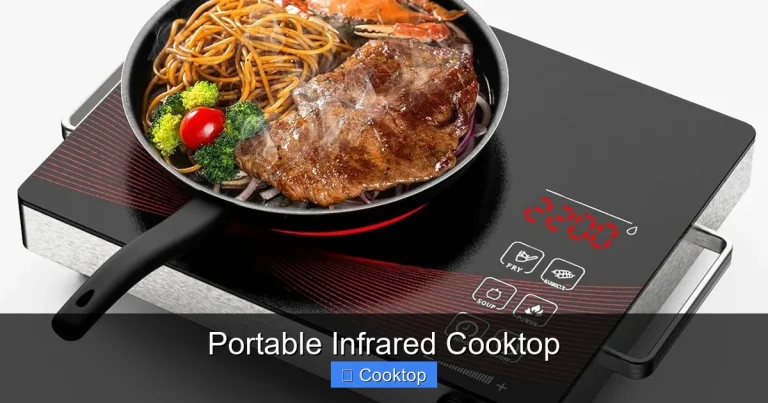
Portable Radiant Units
For renters or those with limited kitchen space, portable radiant cooktops provide excellent functionality. These compact units plug into standard electrical outlets and fold away when not in use. They’re perfect for dorm rooms, RVs, or small apartments.
Choosing the Right Radiant Cooktop for Your Needs
Selecting the ideal radiant cooktop requires understanding your specific cooking habits and kitchen constraints. Consider these factors before making your purchase decision.
Visual guide about Radiant Cooktop
Image source: i.pinimg.com
Size and Installation Requirements
Measure your available space carefully before choosing a model. Built-in units require proper cutout dimensions, while portable versions need only a stable, heat-resistant surface. Single burner options work well for small kitchens, whereas 4-burner models suit larger families.
Power Output and Performance
Higher wattage radiant cooktops heat faster and maintain temperature more consistently. Look for models with multiple power settings to accommodate different cooking methods. For example, low settings work well for simmering, while high settings excel at searing.
Additional Features to Consider
Modern radiant cooktops include smart features like timer functions, residual heat indicators, and keep-warm settings. Some models offer child locks for safety and pre-programmed cooking modes for common dishes. These features enhance convenience and cooking precision.
Budget Considerations
Prices vary significantly based on size, features, and brand reputation. While premium models offer advanced technology, basic units still provide reliable performance. Consider long-term energy savings when evaluating cost versus benefit.
Maintenance and Cleaning Tips for Radiant Cooktops
Caring for your radiant cooktop properly ensures years of reliable service and maintains its attractive appearance. Follow these simple maintenance practices for optimal performance.
Daily Cleaning Routine
After each use, allow the surface to cool completely before cleaning. Wipe away spills immediately using a soft cloth or sponge. For stubborn residues, use warm soapy water followed by a thorough rinse. Avoid abrasive cleaners that can scratch the surface.
Tackling Stubborn Stains
For baked-on food particles, fill a pan with water and place it on the cooktop over low heat. The steam helps loosen stuck-on residue. For ceramic surfaces, specialized cleaners like those mentioned in our ceramic cooktop cleaner guide work wonders.
Preventing Scratches and Damage
Never slide pans across the surface – always lift and place them properly. Use appropriate cookware sizes to avoid overheating edges. When heating empty pans, do so briefly to prevent thermal shock damage.
Using Proper Tools
Invest in a dedicated scraper tool like those found in our glass cooktop scraper collection. These tools safely remove stuck-on debris without damaging the surface. Regular maintenance prevents minor issues from becoming major problems.
Real-World Applications and Cooking Tips
Radiant cooktops excel in various culinary scenarios. Understanding their strengths helps maximize performance in daily cooking routines.
Perfect for Weeknight Meals
The even heating makes sautéing, stir-frying, and one-pot meals particularly effective. Set precise temperatures for delicate sauces or high heat for searing meats. The responsive controls allow quick adjustments during cooking.
Ideal for Baking and Simmering
Maintain consistent low temperatures for slow-cooked stews or gentle simmering of soups. The stable heating prevents scorching and ensures even cooking throughout.
Professional Kitchen Applications
Many commercial kitchens prefer radiant cooktops for their durability and ease of cleaning. The flat surfaces facilitate efficient workspace organization and reduce maintenance time between service periods.
Energy-Saving Cooking Techniques
Place lids on pots to reduce cooking time by up to 70%. Use appropriately sized pans for each burner to minimize energy waste. Preheat only when necessary – many dishes benefit from starting with cool cookware.
Conclusion: Is a Radiant Cooktop Right for You?
Radiant cooktops offer an excellent balance of performance, safety, and convenience for modern kitchens. Their energy efficiency, even heating, and easy maintenance make them appealing choices for many home cooks. Whether upgrading from older electric models or seeking a reliable replacement for gas, consider how radiant technology aligns with your cooking style and kitchen needs.
For those interested in exploring different cooktop technologies, our comprehensive guides on Schott Ceran Cooktops and induction cooktop ratings provide valuable insights. Compare features, read user reviews, and select the model that best fits your culinary goals and lifestyle requirements.
Frequently Asked Questions
What is a radiant cooktop and how does it differ from induction?
A radiant cooktop uses infrared heating elements beneath a glass or ceramic surface to transfer heat to cookware. Unlike induction cooktops that use magnetic fields to directly heat metal pans, radiant models heat the surface first then transfer that heat. This makes radiant units compatible with more types of cookware but slightly less responsive than induction models.
Can I use any type of pan on a radiant cooktop?
Yes, radiant cooktops work with virtually any flat-bottomed cookware including stainless steel, aluminum, cast iron, and ceramic. The key requirement is a flat base that makes full contact with the heated surface. Avoid warped or uneven pans that may create hot spots or inefficient heating.
How do I clean burn-on stains from my radiant cooktop?
For stubborn stains, let the surface cool completely first. Use a soft scraper tool like those recommended in our glass cooktop scraper guide to gently remove residue. For ceramic models, specialized cleaners available at most kitchen supply stores work effectively. Always clean in the direction of the grain for best results.
Are radiant cooktops safer than gas stoves?
Generally yes, radiant cooktops offer several safety advantages over gas. The smooth surface stays cooler during operation, reducing burn risks. There are no open flames to worry about, and many models include automatic shut-off features when no cookware is detected. The flat design also eliminates gaps where spills could create slip hazards.
How long do radiant cooktops typically last?
With proper care, radiant cooktops can last 10-15 years or more. The glass or ceramic surfaces are durable but may develop scratches over time from improper cleaning or using the wrong tools. Regular maintenance including immediate spill cleanup and using appropriate cookware sizes helps extend the unit’s lifespan significantly.
Do radiant cooktops save energy compared to traditional electric coils?
Yes, radiant cooktops are significantly more energy efficient than electric coil models, converting approximately 80-90% of electrical energy into usable heat. They also heat up faster and maintain temperature more consistently, reducing overall cooking time and energy consumption. For optimal efficiency, always use appropriately sized pans and cover pots when possible.