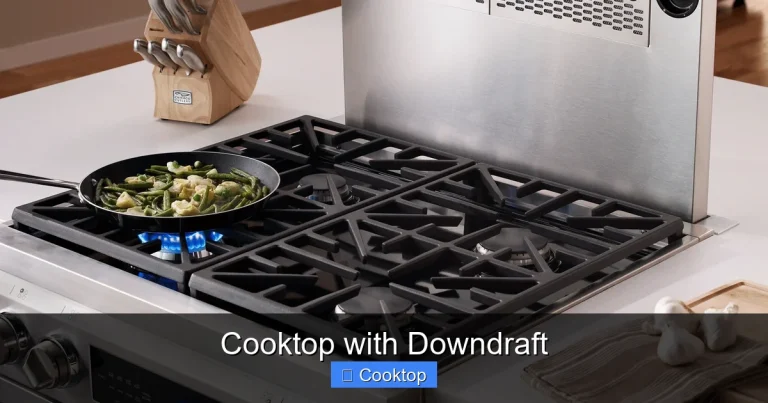
Scraper for Glass Cooktop
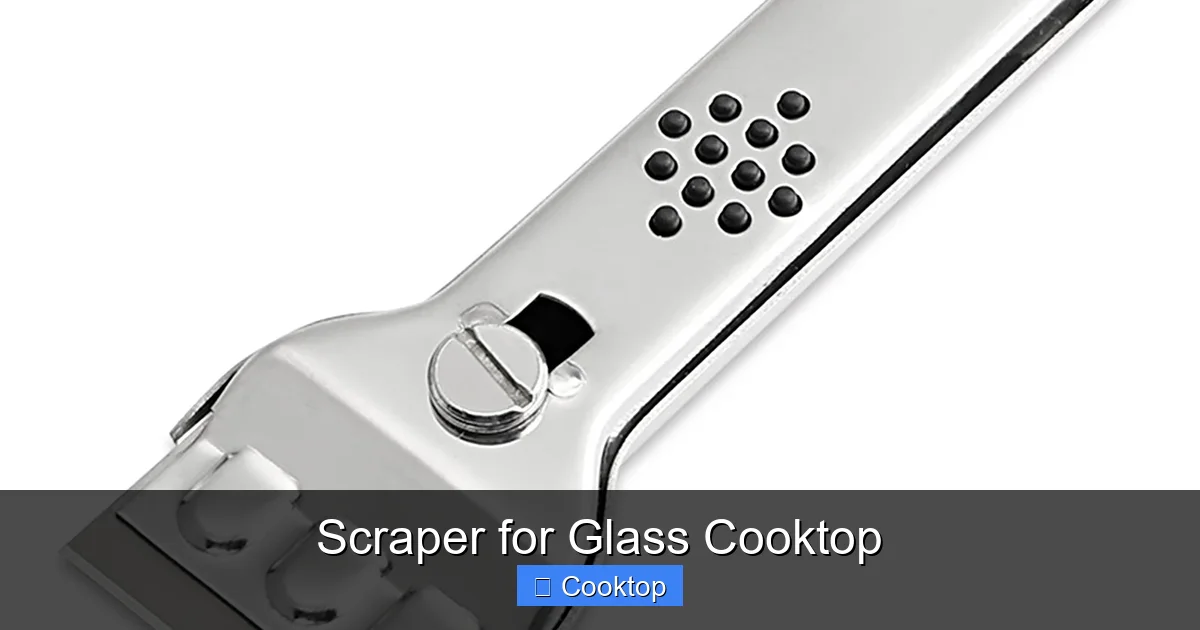
A glass cooktop scraper is an essential tool for keeping your smooth-top stove clean and sparkling. It safely removes food spills and stains without scratching the delicate glass surface when used correctly. With the right technique and a quality scraper, you can maintain your cooktop’s appearance and longevity effortlessly.
[Featured Image Placeholder]
Key Takeaways
- Material Matters: Choose a scraper with a soft, non-abrasive blade like silicone or wood to protect your glass cooktop from scratches.
- Warm Surfaces Work Best: Always scrape spills while the cooktop is still warm, not cold, for easier cleanup.
- Use Gentle, Circular Motions: Apply light pressure in circular motions to lift stains without grinding them into the surface.
- Avoid Metal Tools: Never use metal scrapers or harsh abrasives, as they can permanently damage the glass.
- Clean Immediately: Address spills right after cooking to prevent stubborn residue that’s harder to remove later.
- Pair With Proper Cookware: Using the right cookware for ceramic glass cooktop reduces messy spills in the first place.
- Regular Maintenance: Clean your scraper after each use and store it safely to ensure it’s ready for the next cleanup task.
📑 Table of Contents
Introduction: Why You Need a Glass Cooktop Scraper
Modern glass cooktops are sleek, stylish, and incredibly efficient, but they come with a catch. Those beautiful smooth surfaces can quickly turn into a messy canvas of spilled sauce, baked-on cheese, or stubborn syrup streaks. While daily cleaning helps, sometimes you need a specialized tool to tackle the toughest residues without damaging your investment. Enter the humble yet mighty glass cooktop scraper.
This simple tool is often the difference between a spotless stove and a frustrating scrub session. Whether you’ve just boiled over a pot of pasta sauce or accidentally left a spill to dry, a good scraper can save you time and elbow grease. But not all scrapers are created equal, and using the wrong one can leave scratches that no amount of cleaning can fix.
In this guide, we’ll walk you through everything you need to know about choosing, using, and caring for your glass cooktop scraper. From material options to safe techniques, you’ll be a pro at keeping your cooktop looking brand new in no time.
Choosing the Right Glass Cooktop Scraper
Material Options and Their Benefits
The first thing to consider when selecting a glass cooktop scraper is the material. Your cooktop’s glass surface is delicate, so your scraper needs to be gentle yet effective. Here are the most common options:
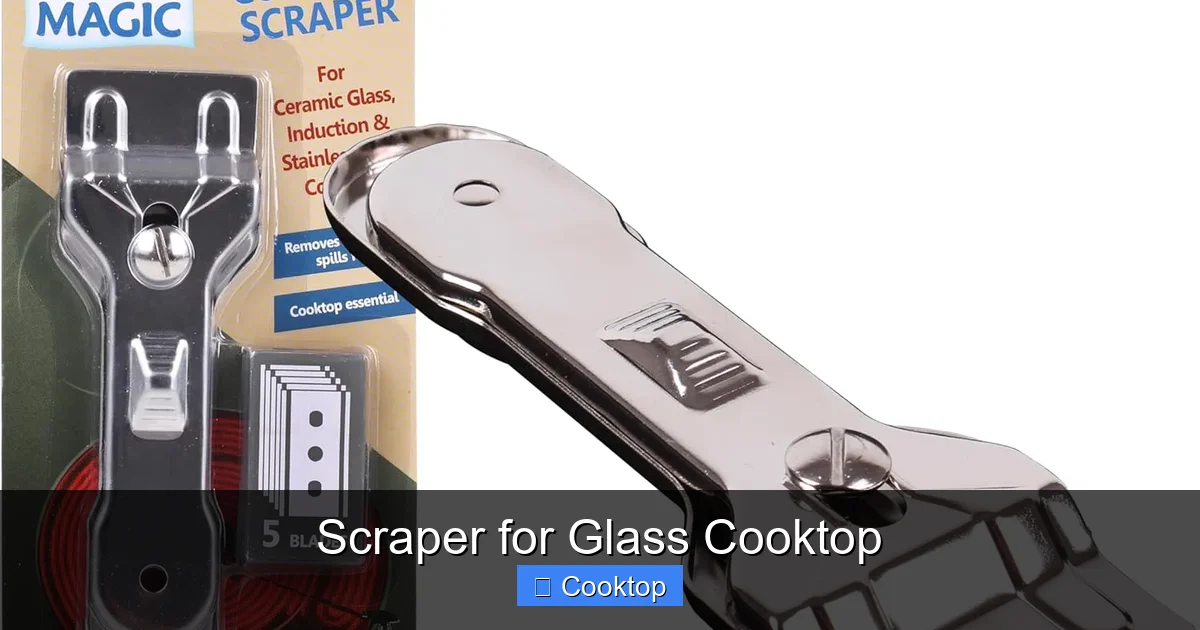
Visual guide about Scraper for Glass Cooktop
Image source: m.media-amazon.com
Silicone scrapers are flexible, heat-resistant, and safe for even the most sensitive glass surfaces. They’re also easy to clean and often come in vibrant colors that make them easy to spot in your drawer. The downside? They may not be as effective on very stubborn, baked-on spills.
Wooden or bamboo scrapers offer a natural alternative. They’re gentle on glass and have a slight texture that can help lift residue. However, they require more care—avoid soaking them in water, as they can warp over time.
Nylon scrapers strike a balance between durability and gentleness. They can handle tougher spills but still won’t scratch your cooktop. Look for ones with a slightly curved edge for better contact with the surface.
Plastic scrapers are affordable and widely available, but be sure to choose high-quality ones. Cheap plastic can crack or scratch your glass, so opt for thicker, reinforced blades.
Blade Design and Ergonomics
Beyond material, pay attention to the scraper’s design. A comfortable grip is essential, especially if you plan to use it regularly. Look for ergonomic handles that fit naturally in your hand. The blade should be thin and flexible to conform to the curves of your cooktop, ensuring full contact with the surface.
Some scrapers come with a warped or angled blade, which can make them more effective at lifting stubborn spots. Others have a straight edge for precision work. Consider your typical mess level when choosing between these styles.
How to Use a Glass Cooktop Scraper Safely
Step-by-Step Cleaning Process
Using a glass cooktop scraper is simple once you know the right technique. Follow these steps for best results:
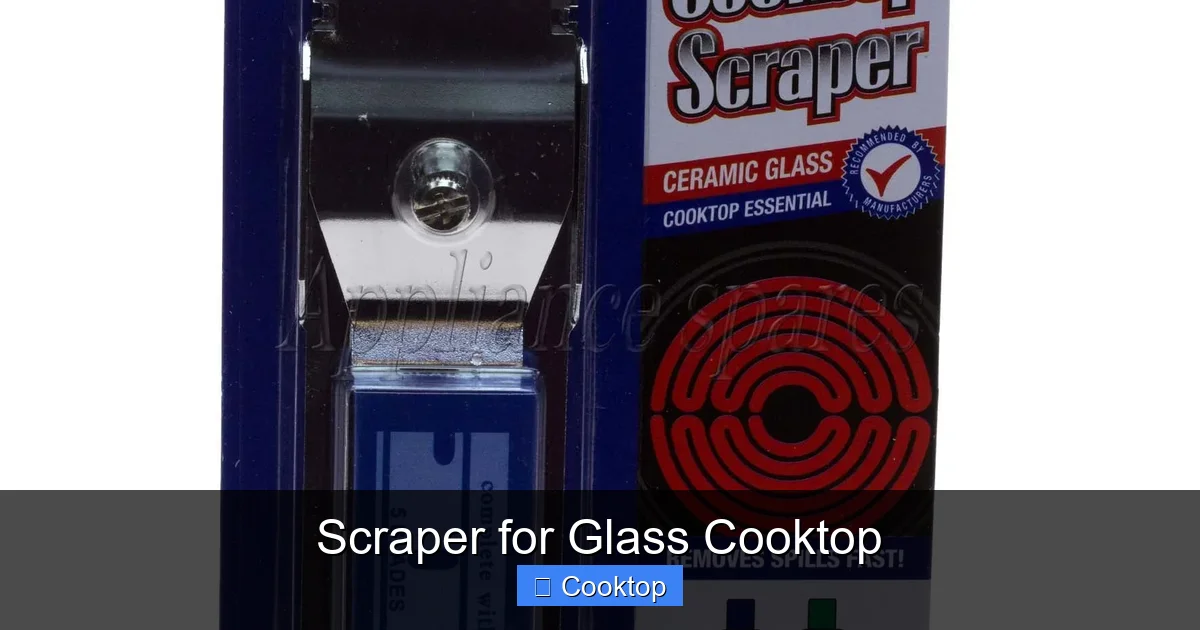
Visual guide about Scraper for Glass Cooktop
Image source: lvb.co.za
- Turn off and cool slightly: Never attempt to scrape a scorching-hot cooktop. Wait until it’s cool enough to touch comfortably.
- Remove loose debris: Use a damp cloth or paper towel to wipe away any large chunks before scraping.
- Apply gentle pressure: Start at one corner and work your way across the surface in slow, steady strokes.
- Use circular motions: This helps break up sticky residue without pushing it around.
- Clean the blade frequently: Wipe the scraper on a paper towel after each pass to avoid spreading gunk back onto the surface.
Remember, less is more. If a spot isn’t coming up easily, don’t press harder. Instead, let a little warmth and time do the work. You can always come back to it after letting a cleaning solution sit for a few minutes.
Tips for Different Types of Spills
Not all spills are the same, and your scraping strategy should adapt accordingly:
For sticky syrup or honey, a silicone scraper works wonders. The flexible blade can glide under the residue without leaving streaks.
Baked-on cheese or egg might need a bit more patience. Try spraying the area with water and letting it sit for a few minutes before scraping.
Greasy stains can be tackled with a scraper followed by a degreasing cleaner. Avoid harsh chemicals directly on the glass, though—always test in an inconspicuous area first.
Maintenance and Care for Your Scraper
Cleaning Your Tool
Just as important as using your scraper correctly is keeping it clean. After each use, rinse it with warm, soapy water and dry it thoroughly. For silicone or plastic models, you can even pop them in the dishwasher for a thorough clean.
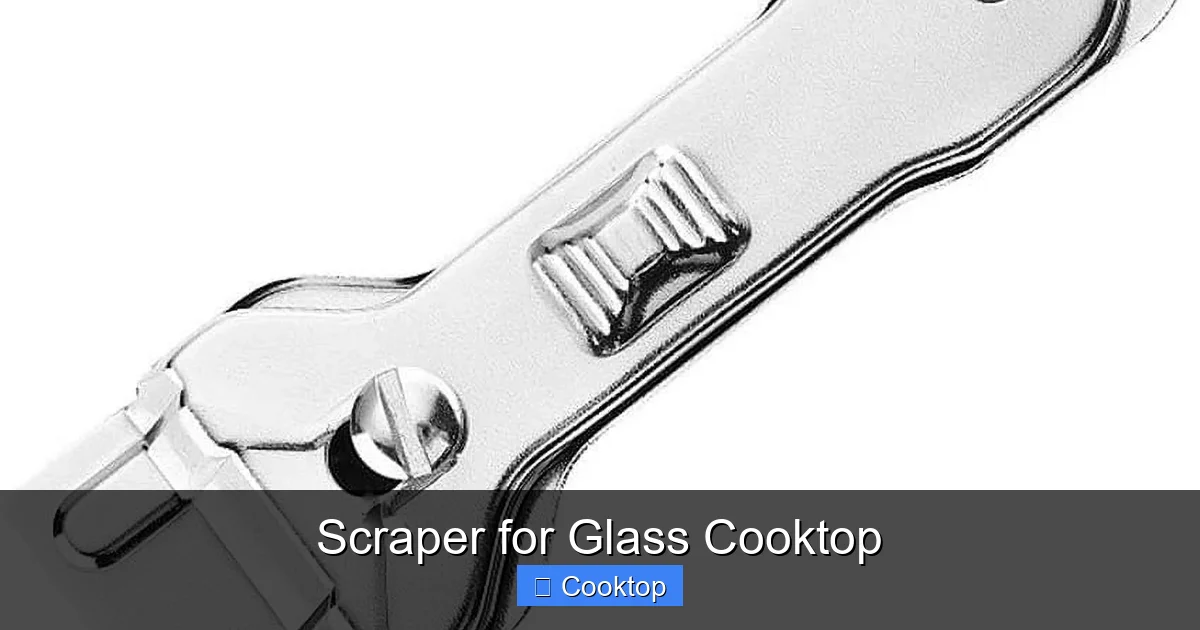
Visual guide about Scraper for Glass Cooktop
Image source: i5.walmartimages.com
If your scraper has a wooden handle, hand-wash it gently and allow it to air dry completely to prevent warping. Store it in a dry place to avoid any buildup of bacteria or odors.
When to Replace Your Scraper
Over time, even the best scrapers wear out. Replace yours if you notice:
- Cracks or splits in the blade or handle
- A dulled or overly stiff blade that no longer flexes
- Persistent odors or stains that won’t come out
Having a backup scraper on hand is a smart idea, especially if you cook frequently. It’s better to have two affordable tools than to risk damaging your cooktop with a worn-out one.
Common Mistakes to Avoid
Using the Wrong Tools
One of the biggest mistakes people make is reaching for the wrong tool. Metal spatulas, abrasive sponges, or even old credit cards might seem like handy options, but they can cause irreversible damage to your glass cooktop. Always stick to a dedicated scraper designed for smooth-top stoves.
Applying Too Much Pressure
It’s tempting to press hard when tackling a tough spill, but excessive force is unnecessary and dangerous. Not only can it scratch the surface, but it can also bend or break your scraper. Light, consistent pressure is far more effective and safer for both your tool and your appliance.
Ignoring Manufacturer Guidelines
Every cooktop manufacturer has its own recommendations for cleaning and maintenance. Some may even void your warranty if you use certain abrasive tools. Check your owner’s manual and follow the guidelines provided. When in doubt, a quick call to the manufacturer’s customer service can save you from costly mistakes.
Pairing Your Scraper with the Right Cookware
Believe it or not, your choice of cookware plays a huge role in how clean your cooktop stays. Pots and pans with smooth, flat bottoms distribute heat evenly and reduce the chances of boiling over or spilling.
Check out the best rated pots and pans for glass cooktop to find options that minimize mess and maximize performance. Heavy-bottomed saucepans and wide-based skillets are particularly good choices for preventing catastrophic spills.
Additionally, using lids on your pots can contain splatters, and stirring occasionally helps prevent hot spots that lead to burning. These small habits, combined with a good scraper, will keep your cooktop looking pristine with minimal effort.
Conclusion: Make Your Glass Cooktop Work for You
A quality glass cooktop scraper is more than just a cleaning tool—it’s an investment in the longevity and beauty of your kitchen’s centerpiece. By choosing the right one, using it correctly, and pairing it with smart cooking habits, you’ll spend less time cleaning and more time enjoying your space.
With these tips in mind, you’re ready to tackle any spill, stain, or stubborn residue with confidence. Remember, a little prevention through proper cookware and careful cooking goes a long way, but when accidents happen, you’ll be prepared to restore your cooktop to its original shine.
Frequently Asked Questions
What is a glass cooktop scraper used for?
A glass cooktop scraper is designed to safely remove food spills, stains, and residue from smooth-top stove surfaces without scratching the glass. It’s especially useful for tackling sticky, baked-on, or greasy messes that regular wiping can’t handle.
Can I use a metal scraper on my glass cooktop?
No, metal scrapers can scratch and permanently damage the delicate glass surface of your cooktop. Always use a scraper made from non-abrasive materials like silicone, wood, or high-quality plastic.
How do I clean my glass cooktop scraper?
Most glass cooktop scrapers can be hand-washed with warm, soapy water and dried thoroughly. Silicone and plastic models are often dishwasher-safe, while wooden handles should be gently hand-washed to prevent warping.
When should I replace my glass cooktop scraper?
Replace your scraper if you notice cracks, a dulled blade, or persistent odors. Worn-out tools are less effective and may even harm your cooktop, so it’s better to invest in a new one periodically.
Will using a scraper void my cooktop’s warranty?
Using a proper glass cooktop scraper as directed by the manufacturer will not void your warranty. However, using abrasive or metal tools can cause damage that may not be covered. Always refer to your owner’s manual for specific guidelines.
How often should I use a glass cooktop scraper?
You should use a glass cooktop scraper whenever you encounter a spill or stain that doesn’t come off with regular wiping. For maintenance, a quick scrape after cooking followed by a final wipe-down can keep your cooktop looking its best.