Canner for Induction Cooktop
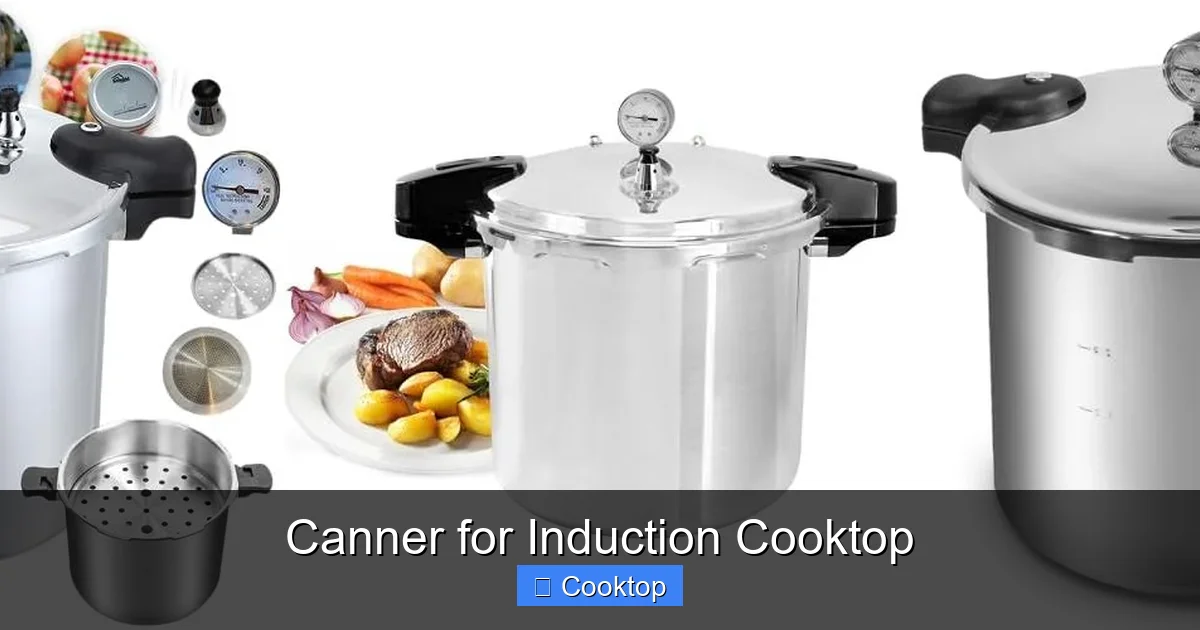
Choosing the right canner for induction cooktop use is all about finding a pot with a magnetic base. Since induction uses magnetism to heat, you need a canner made of stainless steel or cast iron to ensure safe and efficient processing.
So, you want to start canning, but you have a sleek induction stove. You might be wondering, “Can I actually use a canner for induction cooktop?” The short answer is yes! But there is a little bit of a learning curve. Not every pot works on an induction surface, and since canning involves high heat and pressure, you want to get this right.
Canning is a wonderful way to preserve the flavors of summer all year long. Whether you are putting up spicy pickles or hearty tomato sauce, the process is rewarding. However, induction cooking works differently than gas or electric. It doesn’t use a flame or a heating element to warm the pot. Instead, it uses magnetic fields. This means your canner needs to be “magnetic” to get the job done.
In this guide, we will walk you through everything you need to know. We will talk about the best materials, what to avoid, and how to make sure your canning process is safe and efficient. Let’s dive into the world of induction canning!
Key Takeaways
- Magnetic Base is Key: Your canner must be made of a ferromagnetic material like stainless steel to work on induction.
- Size Matters: Ensure the canner base matches the size of your induction burner to avoid uneven heating.
- Safety First: Always follow USDA guidelines for pressure canning to ensure food safety.
- Material Choice: High-quality stainless steel is the gold standard for durability and induction compatibility.
- Avoid Aluminum: Pure aluminum canners will not work on induction without a special adapter disk.
- Heat Control: Induction offers precise temperature control, which is a huge advantage for maintaining steady canning heat.
📑 Table of Contents
How Induction Cooking Affects Your Canner Choice
Before you buy a new pot, it is important to understand how your stove works. An induction cooktop uses a copper coil under the glass surface. This coil creates a magnetic field. When you place a magnetic pot on top, the field excites the atoms in the metal, creating heat directly in the pot. The stovetop itself doesn’t get hot; the pot does.
The Magnet Test
The easiest way to tell if your current canner will work is the “magnet test.” Take a simple refrigerator magnet and hold it to the bottom of your canner. If the magnet sticks firmly, you are good to go! If it slides right off, that canner will not work on your induction stove. This is why many old aluminum canners aren’t compatible.
Why Material Matters
Most traditional canners are made of aluminum because it is cheap and heats quickly. However, aluminum is not magnetic. If you try to use a standard aluminum canner, the stove simply won’t turn on. To use a canner for induction cooktop, you need materials like stainless steel or cast iron. These materials respond to the magnetic field and provide the consistent heat needed for safe processing.
Best Materials for a Canner for Induction Cooktop
When shopping for a canner, you will see a lot of options. Some are heavy, some are light, and some are very expensive. For canning, stability and heat distribution are the most important factors.
Visual guide about Canner for Induction Cooktop
Image source: gatheredinthekitchen.com
Stainless Steel: The Top Choice
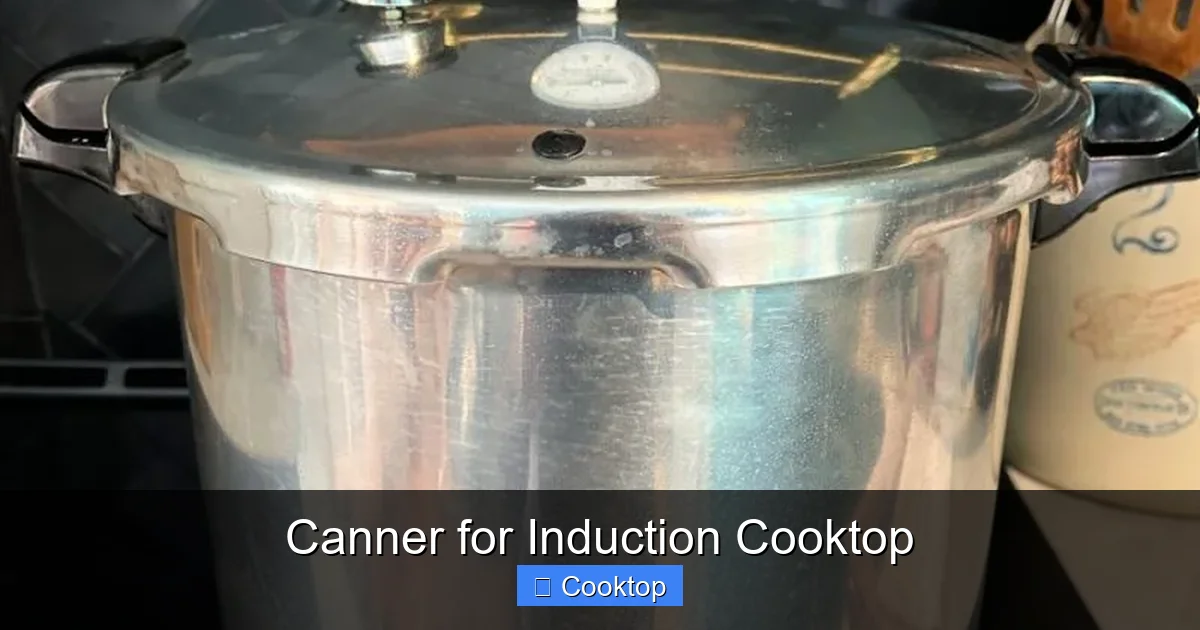
Stainless steel is widely considered the best material for induction canning. It is durable, non-reactive, and usually magnetic. Many high-end brands create “tri-ply” or “clad” pots. This means they have a layer of aluminum or copper sandwiched between two layers of stainless steel. This gives you the magnetic properties of steel and the great heat distribution of aluminum.
If you are looking for other kitchen essentials to match your setup, checking out the best stainless steel cookware for induction cooktop can help you build a complete, compatible kitchen set.
Cast Iron: The Heavy Hitter
Cast iron is naturally magnetic and works perfectly with induction. While you won’t find many “pressure canners” made of cast iron, some people use large cast iron pots for water-bath canning. Just be aware that cast iron takes longer to heat up, but it holds that heat very well once it gets going.
What About Aluminum?
As mentioned, aluminum doesn’t work on induction. Some people use an “induction interface disk.” This is a flat metal plate that sits between the stove and the pot. While this works, it is not always recommended for pressure canning. These disks can create “hot spots” or uneven heating, which can be dangerous when you are trying to maintain a very specific pressure level.
Water Bath Canning vs. Pressure Canning on Induction
Depending on what you are canning, you will need a different type of pot. The requirements for a canner for induction cooktop change based on the method you use.
Visual guide about Canner for Induction Cooktop
Image source: tonytantillo.com
Water Bath Canning
Water bath canning is used for high-acid foods like jams, jellies, and most pickles. For this, you just need a large pot that can hold your jars with about an inch or two of water over the tops. A large stainless steel stock pot is perfect here. If you need a massive pot for big batches, looking for the best 12 qt stock pot for induction cooktop is a great place to start.
Pressure Canning
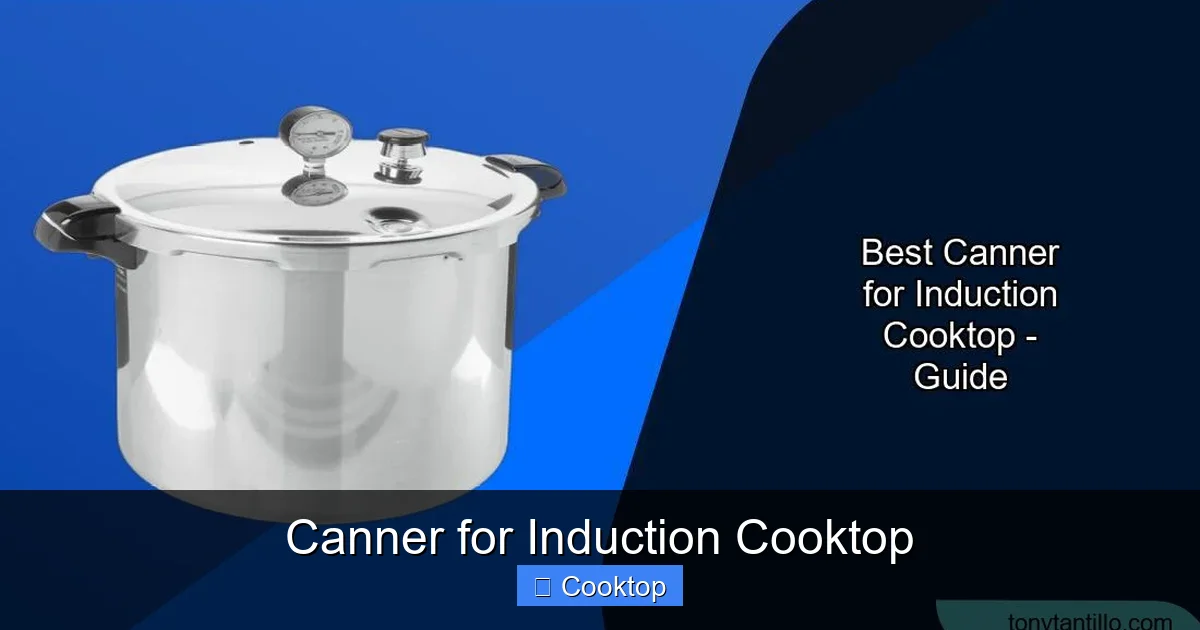
Pressure canning is required for low-acid foods like beans, meats, and most vegetables. This process requires a specialized pot that can seal tightly and build up pressure to reach temperatures above 212°F (100°C). This is the only way to kill botulism spores. When buying a pressure canner, ensure the manufacturer explicitly states it is induction-compatible. Look for a thick, flat bottom to ensure maximum contact with the induction burner.
Practical Tips for Successful Induction Canning
Using an induction stove can actually make canning easier if you know a few tricks. The precision of induction is a huge advantage over gas or electric coils.
Visual guide about Canner for Induction Cooktop
Image source: m.media-amazon.com
Matching the Burner Size
One common mistake is using a pot that is much larger than the burner. If your canner is 16 inches wide but your burner is only 8 inches, the heat may be concentrated in the center. This can lead to uneven heating and potentially cause your pressure gauge to fluctuate. Try to find a burner that closely matches the diameter of your canner’s base.
Managing the “Power Boost”
Many induction stoves have a “Power Boost” feature. While it’s great for boiling water quickly, be careful when using it with a heavy canner. Rapid temperature spikes can sometimes cause the pot to warp or the stove to shut off as a safety precaution. It is often better to use a medium-high setting to bring the pot up to temperature gradually.
Preventing Glassware Shock
Since induction heats the pot so quickly, the temperature difference between the pot and your jars can be extreme. Always make sure your jars are warmed slightly or that you add them to the water slowly to prevent the glass from cracking due to thermal shock.
Safety Precautions for Induction Canning
Canning is a science. When you change the heat source, you must remain vigilant about safety.
Monitoring the Pressure
If you are pressure canning, the most important thing is the pressure gauge. Induction stoves are very precise, but they can sometimes cycle on and off to maintain a temperature. This can cause the pressure to dip slightly. Keep a close eye on your gauge and adjust your heat setting to ensure the pressure stays constant throughout the entire processing time.
Weight and Stability
Canners full of water and jars are incredibly heavy. Ensure your induction cooktop can handle the weight. Most modern glass tops are very strong, but it is always a good idea to place the canner gently. Avoid sliding the pot across the glass, as the heavy weight of a canner can scratch the surface.
Ventilation and Steam
Canning creates a massive amount of steam. Because induction stoves are often built into countertops, the steam can sometimes get trapped under the lip of the counter or affect the electronics of the stove. Always use your kitchen vent fan on high to keep the moisture out of your kitchen.
Choosing the Right Canner: A Buyer’s Checklist
If you are heading to the store or shopping online, use this checklist to make sure you get the right canner for induction cooktop use:
- Is it magnetic? (Check the description or use a magnet).
- Is the bottom flat? (Warped bottoms won’t heat evenly on induction).
- Is it the right size? (Ensure it fits your burner and your jars).
- Is it food-grade stainless steel? (Avoid materials that might react with acidic foods).
- Does it have a reliable locking mechanism? (Crucial for pressure canners).
- Is it rated for the weight? (Ensure the handles are sturdy enough for a full load).
While you are upgrading your cookware, you might also want to look into other versatile pieces. For example, finding the best pots and pans for induction cooking will ensure that every other meal you make is just as efficient as your canning projects.
Conclusion
Switching to an induction cooktop doesn’t mean you have to give up the joy of home canning. By choosing a magnetic, flat-bottomed stainless steel canner, you can enjoy the benefits of fast heating and precise temperature control. Whether you are doing simple water bath canning for jams or heavy-duty pressure canning for stews, the right equipment makes all the difference.
Remember to always test your pots with a magnet, match your pot size to your burner, and follow safety guidelines to the letter. With the right canner for induction cooktop, you can preserve your favorite foods with confidence and ease. Happy canning!
Frequently Asked Questions
Can I use an aluminum canner on an induction stove?
No, pure aluminum is not magnetic and will not work on induction. You would need to use an induction interface disk, but stainless steel is a safer and more efficient choice for canning.
Will a stainless steel canner work on all induction stoves?
Most will, but not all stainless steel is magnetic. Some alloys are not ferromagnetic, so you should always perform the magnet test before purchasing to be sure.
Is induction canning safer than gas canning?
In some ways, yes, because there is no open flame and the surface stays cooler. However, you must still be just as careful with pressure levels and processing times to ensure food safety.
Does the size of the induction burner matter?
Yes, it does. If the burner is much smaller than the canner, you may experience uneven heating, which can lead to inconsistent pressure during the canning process.
Can I use a slow cooker or electric canner instead?
Yes, electric canners are a great alternative if you don’t have a compatible pot for your induction stove. They are designed specifically for canning and maintain temperature automatically.
How do I prevent my induction cooktop from scratching?
To protect your glass surface, place the canner down gently and avoid sliding it. You can also ensure the bottom of your canner is clean and free of debris before placing it on the stove.