Induction Cooktop Griddle
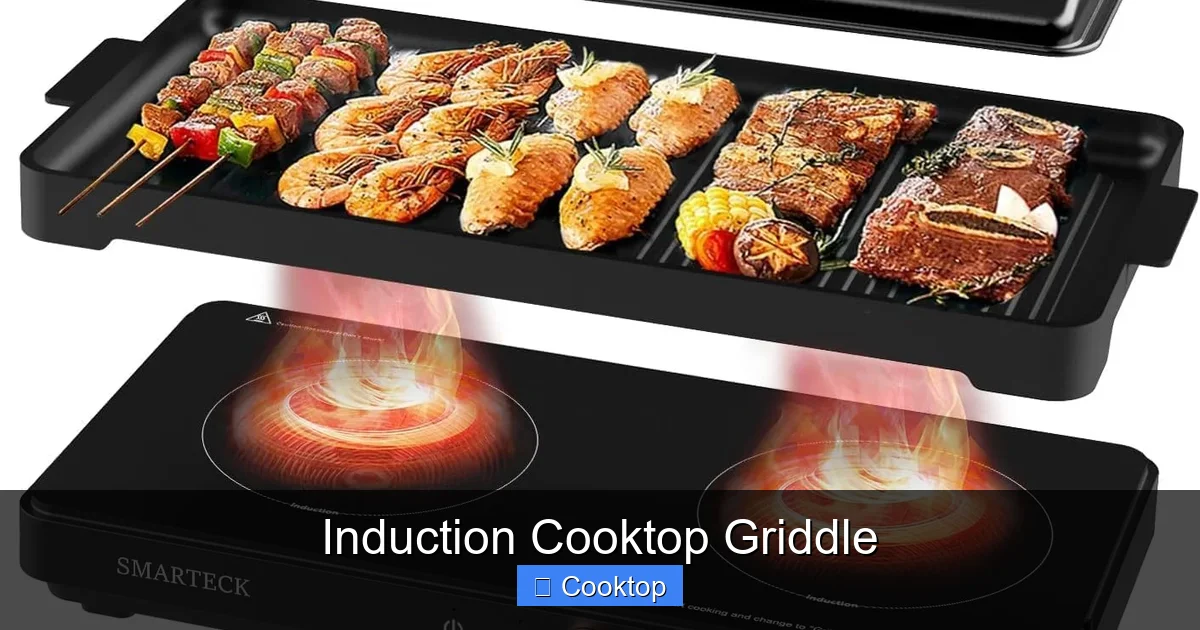
An Induction Cooktop Griddle combines the precision of induction heating with a large, flat cooking surface, ideal for pancakes, burgers, stir‑fries, and more. This guide explains what it is, why it’s worth owning, how to choose the right model, and how to keep it performing like new.
When you first hear the term Induction Cooktop Griddle, you might picture a bulky appliance that only professional chefs use. In reality, this versatile kitchen tool brings the speed and efficiency of induction heating to a spacious, flat cooking surface that fits right on your existing cooktop. Whether you’re making breakfast for a crowd or searing steaks for a dinner party, an Induction Cooktop Griddle can transform everyday meals into restaurant‑quality dishes.
An Induction Cooktop Griddle brings the speed and efficiency of induction heating directly to the cooking surface, so it heats up almost instantly and stays evenly hot across the whole area. Unlike traditional gas or electric burners that heat the air first, the electromagnetic field creates heat inside the metal itself, giving you precise temperature control and minimal energy waste.
In the sections that follow, we’ll explore the many benefits of an Induction Cooktop Griddle, look at the different materials and sizes available, share tips for choosing the perfect model, and provide simple maintenance routines plus a few favorite recipes to get you started.
Key Takeaways
- Fast, even heating: Induction transfers energy directly to the griddle, eliminating hot spots and reducing pre‑heat time.
- Versatile cooking surface: A single Induction Cooktop Griddle handles breakfast, lunch, and dinner tasks from eggs to seared steaks.
- Energy efficient: Because heat is generated in the metal itself, less power is wasted compared to traditional gas or electric burners.
- Easy to clean: Smooth, flat surfaces and compatible materials (stainless steel, cast iron, non‑stick) simplify wiping down after use.
- Safety features: No open flame, automatic shut‑off when cookware is removed, and cool‑to‑touch surroundings.
- Size matters: Choose a griddle that matches your induction zones and typical batch sizes for optimal performance.
- Maintenance extends life: Regular seasoning (for cast iron) or gentle cleaning (for non‑stick) keeps the surface in top shape.
📑 Table of Contents
- What Is an Induction Cooktop Griddle?
- Key Benefits of Using an Induction Cooktop Griddle
- Types and Materials of Induction Cooktop Griddles
- How to Choose the Right Induction Cooktop Griddle for Your Kitchen
- Care and Maintenance Tips for Longevity
- Delicious Recipes to Try on Your Induction Cooktop Griddle
- Conclusion
What Is an Induction Cooktop Griddle?
An Induction Cooktop Griddle is a flat, thick piece of metal—often stainless steel, cast iron, or aluminum with a non‑stick coating—designed to sit on one or more induction zones of your cooktop. When the induction burner is activated, it generates an alternating magnetic field that induces electric currents in the griddle’s base. Those currents produce heat directly in the metal, which then transfers to the food placed on top.
Because the heat source is the griddle itself, there’s no need for a flame or exposed heating element. This design yields several practical advantages:
- Rapid heat‑up: Most models reach cooking temperature in under 30 seconds.
- Uniform heat distribution: The entire surface stays at the same temperature, reducing the chance of burnt edges.
- Precise control: Adjusting the induction power changes the griddle temperature almost instantly.
- Cleaner cooking surface: No open flame means less smoke and fewer splatters.
Many home cooks appreciate that an Induction Cooktop Griddle can replace multiple pans. Instead of juggling a skillet, a griddle pan, and a frying pan, you have one large surface that can handle pancakes, bacon, grilled cheese, quesadillas, and even stir‑fried vegetables.
Key Benefits of Using an Induction Cooktop Griddle
Speed and Efficiency
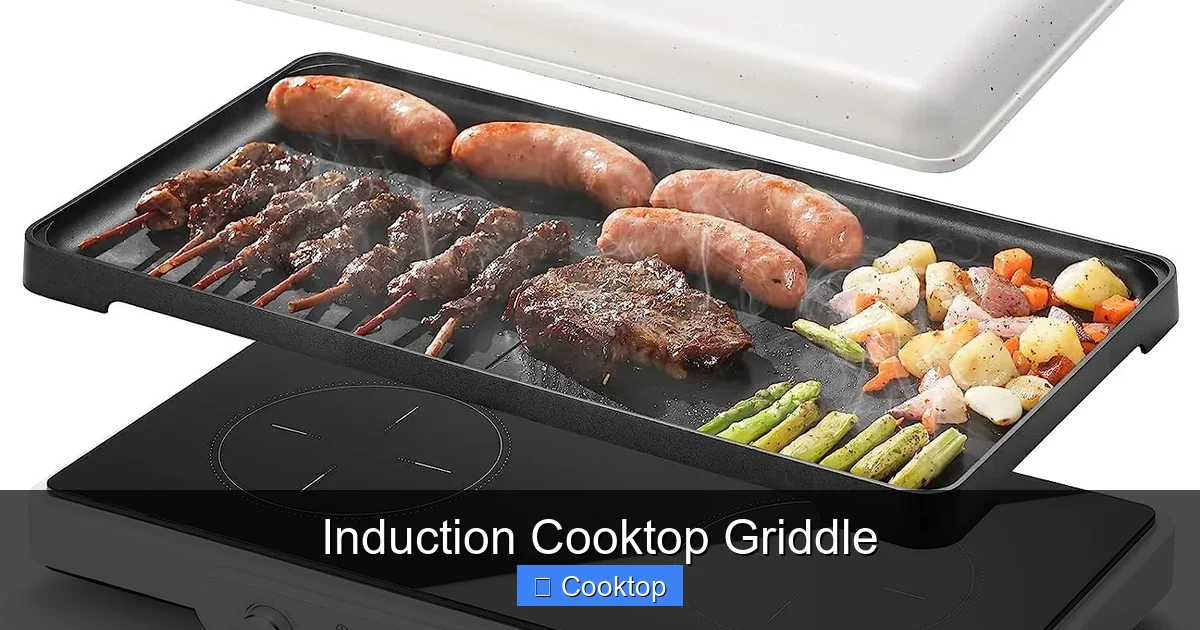
The direct heating method of an Induction Cooktop Griddle means virtually no pre‑heat lag. You can start cooking as soon as you place the griddle on the burner, saving both time and electricity. Studies show induction cooking can be up to 50% more energy‑efficient than traditional electric coils.
Visual guide about Induction Cooktop Griddle
Image source: assets.wfcdn.com
Even Cooking Results
Because the heat is generated uniformly across the metal base, hot spots are virtually eliminated. This is especially important for delicate foods like fish fillets or crepes, where uneven heat can cause tearing or overcooking.
Versatility for Multiple Meals
From breakfast to dinner, an Induction Cooktop Griddle adapts to a wide range of recipes:
- Breakfast: Pancakes, French toast, hash browns, omelets.
- Lunch: Grilled paninis, quesadillas, veggie burgers.
- Dinner: Steak strips, chicken fajitas, shrimp scampi, stir‑fried noodles.
- Dessert: Grilled fruit, s’mores, or even a quick crêpe‑style treat.
Safety and Cleanliness
Induction burners only energize when compatible cookware is detected. Remove the Induction Cooktop Griddle and the field shuts off instantly, reducing burn risks. The smooth surface also means food residues sit on top rather than getting baked into crevices, making wiping down a breeze.
Types and Materials of Induction Cooktop Griddles
When shopping for an Induction Cooktop Griddle, you’ll encounter several material options, each with its own strengths.
Visual guide about Induction Cooktop Griddle
Image source: m.media-amazon.com
Stainless Steel Griddles
Stainless steel models are durable, resistant to rust, and often feature a bonded aluminum or copper core for better heat distribution. They work well for high‑heat searing and are dishwasher safe. A popular choice is the griddle pan for induction cooktop that combines a stainless steel exterior with an aluminum core for quick response.
Cast Iron Griddles
Cast iron retains heat exceptionally well, making it ideal for foods that benefit from a steady, high temperature—think steak strips or smash burgers. These griddles require seasoning to maintain a non‑stick surface and prevent rust, but many cooks love the natural, chemical‑free cooking surface they provide.
Aluminum with Non‑Stick Coating
Lightweight aluminum griddles coated with a PTFE or ceramic non‑stick surface heat up quickly and are excellent for low‑fat cooking. They’re perfect for eggs, pancakes, and delicate fish. If you prefer a non‑stick option, check out our guide on the best non stick griddle for induction cooktop for top‑rated models.
Hybrid and Multi‑Zone Designs
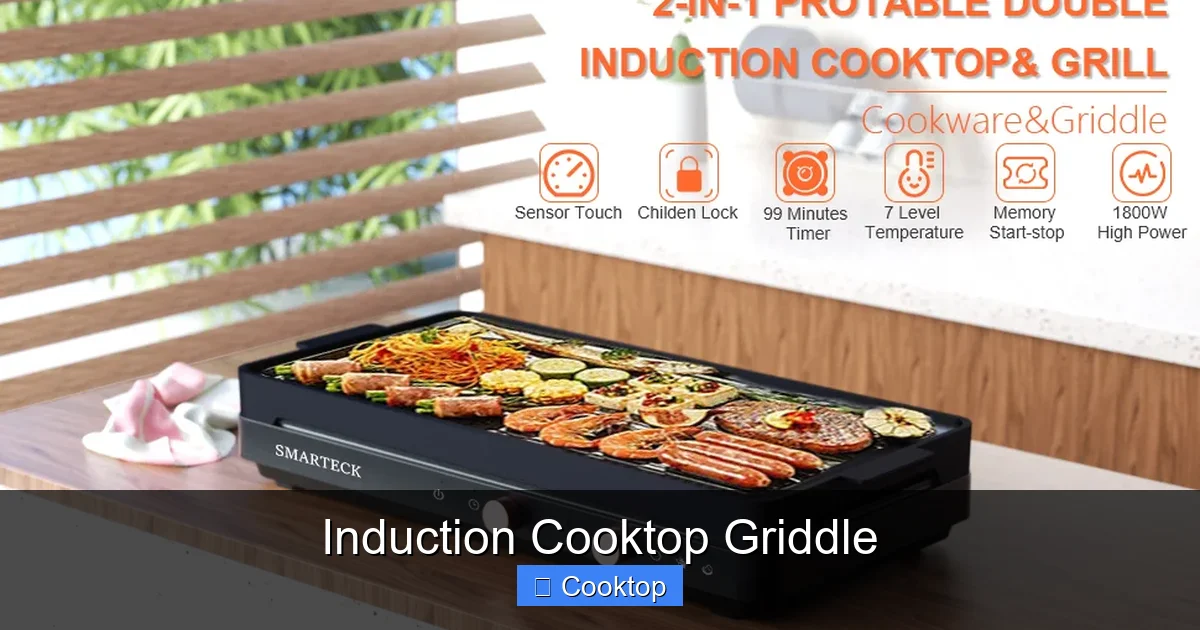
Some manufacturers produce griddles that span two or more induction zones, giving you a larger cooking area without needing a single oversized burner. These Induction Cooktop Griddle designs often feature a thick base with layered metals to ensure even heat across the extended surface.
How to Choose the Right Induction Cooktop Griddle for Your Kitchen
Assess Your Cooktop Layout
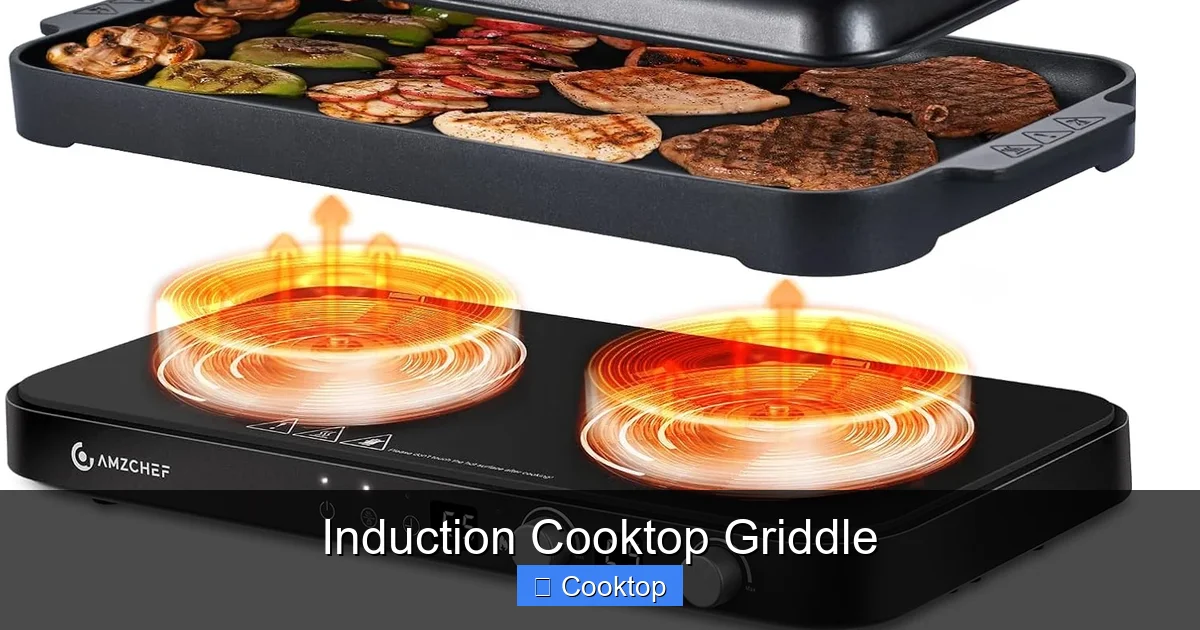
Measure the width and depth of your induction zones. Most residential cooktops have zones ranging from 6 to 8 inches in diameter. Choose a griddle that fits comfortably within those dimensions, leaving at least an inch of clearance on each side for easy placement and removal.
Visual guide about Induction Cooktop Griddle
Image source: m.media-amazon.com
Determine Your Typical Batch Size
If you regularly cook for four or more people, a griddle measuring at least 16 inches long by 10 inches wide will give you ample space. For smaller households or occasional use, a 12‑inch square model may be sufficient.
Consider Material Preferences
Think about the types of food you prepare most often:
- High‑heat searing and steak: Cast iron or stainless steel with a thick core.
- Low‑fat, quick‑cook items (eggs, pancakes): Aluminum with a reliable non‑stick coating.
- All‑around durability and easy maintenance: Fully clad stainless steel.
Check Compatibility and Power Requirements
Verify that the griddle’s base is ferromagnetic (a simple magnet test works). Also, look at the wattage rating of your induction cooktop; a griddle that draws too much power may trip a circuit if used alongside other high‑draw appliances.
Read Reviews and Warranty Info
Look for user feedback on heat distribution, ease of cleaning, and long‑term durability. A solid warranty (at least one year) indicates the manufacturer stands behind their product.
Care and Maintenance Tips for Longevity
Cleaning After Each Use
Allow the Induction Cooktop Griddle to cool slightly, then wipe away food residues with a soft sponge or cloth. For stuck‑on bits, soak the surface in warm, soapy water for a few minutes before gentle scrubbing. Avoid abrasive pads on non‑stick coatings.
Seasoning Cast Iron Griddles
If you own a cast iron model, apply a thin layer of vegetable oil or flaxseed oil after cleaning and heat it on low for 10‑15 minutes. This builds a protective polymerized layer that enhances non‑stick properties and prevents rust.
Storing Your Griddle
Store the griddle in a dry place. If stacking with other cookware, place a paper towel or silicone mat between surfaces to avoid scratches. For cast iron, a light coating of oil before storage helps maintain the seasoning.
Avoiding Thermal Shock
Never move a hot griddle directly from the burner to a cold surface or immerse it in icy water. Sudden temperature changes can warp the metal or crack coatings.
Delicious Recipes to Try on Your Induction Cooktop Griddle
Classic Buttermilk Pancakes
Preheat the griddle to medium‑low (about 325°F). Pour ¼‑cup batter per pancake, cook until bubbles form on the surface, then flip and cook another minute. Serve with maple syrup and fresh berries.
Smash Burgers
Set the griddle to high (around 425°F). Place a ball of ground beef (about 4 oz) on the surface, press firmly with a spatula for 10 seconds, then let it cook undisturbed for 2 minutes. Flip, add cheese, and cook another minute. Toast buns on the griddle for extra flavor.
Vegetable Stir‑Fry
Heat the griddle to medium‑high, add a splash of oil, then toss in sliced bell peppers, broccoli florets, and snap peas. Stir‑fry for 4‑5 minutes, add soy sauce and ginger, and finish with a sprinkle of sesame seeds.
Cheesy Quesadillas
Lay a tortilla on the griddle, sprinkle shredded cheese, cooked chicken, and sautéed onions, then top with another tortilla. Cook 2‑3 minutes per side until golden and the cheese melts. Cut into wedges and serve with salsa.
Fruit‑Glazed Salmon
Preheat to medium, place salmon fillets skin‑side down, cook 4‑5 minutes, flip, then brush with a mixture of honey, Dijon mustard, and lemon juice. Cook another 2‑3 minutes for a glossy finish.
Conclusion
An Induction Cooktop Griddle brings together the best of induction technology—speed, precision, and energy efficiency—with the versatility of a large, flat cooking surface. Whether you’re whipping up a weekend brunch, preparing a quick weeknight dinner, or entertaining guests, the right griddle can simplify your workflow and elevate the flavor of every dish.
By understanding the different materials, matching the size to your cooktop and cooking habits, and following simple care routines, you’ll enjoy years of reliable performance. So go ahead, give your induction cooktop the upgrade it deserves, and start sizzling your favorite foods on a top‑quality Induction Cooktop Griddle today.
Frequently Asked Questions
What size Induction Cooktop Griddle should I buy for a standard 30‑inch cooktop?
Look for a griddle that fits within one or two of your induction zones, typically 12 to 16 inches long and 8 to 12 inches wide. This leaves enough clearance for easy placement and removal while maximizing cooking area.
Can I use a cast iron Induction Cooktop Griddle on a glass‑top induction stove?
Yes, as long as the griddle’s base is flat and ferromagnetic, it works perfectly on glass‑top induction cooktops. Just avoid dragging it roughly to prevent scratching the surface.
How do I know if my griddle is induction‑compatible?
Place a magnet on the bottom of the griddle. If it sticks strongly, the cookware is induction‑ready. If the magnet barely holds or doesn’t stick, the griddle won’t work with induction burners.
Is it safe to use cooking spray on a non‑stick Induction Cooktop Griddle?
It’s best to avoid aerosol sprays, as they can leave a sticky residue that damages the non‑stick coating over time. Instead, use a small amount of oil or butter applied with a brush or paper towel.
How often should I re‑season a cast iron Induction Cooktop Griddle?
Re‑season whenever the surface looks dull, food starts to stick, or after cleaning with harsh detergents. A light oiling and heating session every few uses keeps the seasoning intact and the griddle performing well.