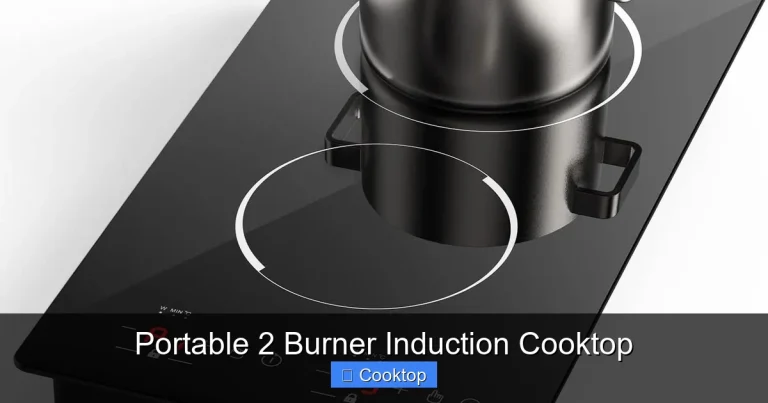
Induction Cooktop Ratings
Choosing the right induction cooktop can transform your cooking experience—boosting speed, precision, and safety. This guide dives into the latest induction cooktop ratings, breaking down key features, performance metrics, and real‑world user insights. Whether you’re a seasoned chef or a beginner, you’ll find everything you need to make an informed purchase that fits your style and budget.
Key Takeaways
- Energy Efficiency: Induction cooktops use up to 90% less energy than traditional gas or electric ranges.
- Precision Control: Digital dials and touch panels provide exact temperature settings for every dish.
- Safety Features: Most top models include auto‑shutdown, child lock, and residual‑heat alerts.
- Cookware Compatibility: Only ferromagnetic pots work—check the iron base or magnetic strip before buying.
- Maintenance Tips: A quick wipe‑down keeps the glass surface streak‑free and extends lifespan.
- Price Range: From budget-friendly 1‑burner units to premium 4‑burner professional models, there’s a rating for every wallet.
📑 Table of Contents
- Introduction: The Rise of Induction Cooktop Ratings
- What Are Induction Cooktop Ratings?
- Top Induction Cooktop Models According to Recent Ratings
- How to Read and Use Induction Cooktop Ratings
- Practical Tips for Maintaining Your Induction Cooktop
- Common Myths About Induction Cooktop Ratings Debunked
- Conclusion: Making an Informed Choice with Induction Cooktop Ratings
Introduction: The Rise of Induction Cooktop Ratings
When I first flipped the switch on my new induction cooktop, the instant heat change surprised me. No more waiting for the burner to warm up—heat appears the moment the pot touches the surface. That instant gratification has made induction technology a staple in kitchens worldwide. But with so many models on the market, how do you sift through the noise? That’s where induction cooktop ratings come in, giving you a clear, data‑driven snapshot of performance, safety, and value.
This article will walk you through the most important criteria used in professional ratings, highlight standout models, and share practical tips for choosing the best unit. By the end, you’ll be able to read a rating sheet like a pro and pick a cooktop that fits your cooking style and budget.
What Are Induction Cooktop Ratings?
Induction cooktop ratings are a systematic evaluation by experts and users that assess a range of factors: power output, temperature accuracy, response time, safety features, build quality, and user interface. Ratings are usually expressed in a numerical score or a star system, and they help simplify comparison across brands.
Key Metrics That Drive Ratings
- Wattage per Burner: Higher wattage means faster boiling and searing.
- Temperature Range: From simmer (100 °F) to high sear (500 °F).
- Response Time: The lag between button press and heat output.
- Safety Controls: Child lock, auto‑shutdown, and residual‑heat indicator.
- Build Materials: Tempered glass vs. ceramic, stainless steel frame, and insulation.
- Ease of Cleaning: Smooth surfaces and removable grates.
Top Induction Cooktop Models According to Recent Ratings
Here’s a snapshot of the highest‑scoring units from the latest consumer and expert reviews. These models consistently rank above 4.5 stars and perform well across all key metrics.
1. Bosch Schott Ceran Induction Cooktop
Power: 4 burners, 1800 W each.
Response: Instant heat change.
Safety: Child lock and automatic shut‑off.
Why it tops the list: The precision control panel and durable glass surface make it a favorite among chefs and home cooks alike.
2. Frigidaire Gallery 30‑inch Induction Cooktop
Power: 4 burners, 1800 W.
Interface: Touch‑pad with programmable settings.
Safety: High‑temperature alert and residual‑heat indicator.
Pro tip: Pair it with a canner for induction cooktop to expand your recipe repertoire.
3. Nuwave Pro Chef Induction Cooktop
Power: 4 burners, 1800 W.
Smart Features: Wi‑Fi connectivity for remote control.
Build: Stainless steel frame with tempered glass.
Best for: Tech‑savvy users who love to monitor cooking from their phone.
How to Read and Use Induction Cooktop Ratings
Ratings can feel like a maze until you know what to look for. Below is a step‑by‑step guide to interpreting these numbers and applying them to your personal needs.

Visual guide about Induction Cooktop Ratings
Image source: kitchenadvising.com
Step 1: Identify Your Cooking Style
- Quick Sauté: Look for high wattage and rapid response.
- Slow Simmer: A wide temperature range and stable heat are key.
- Professional Use: Durable construction and advanced safety features matter most.
Step 2: Cross‑Check Wattage and Size
Wattage is the engine of induction. A 1800 W burner can boil water in under a minute, while a 1200 W burner takes longer. Make sure the total wattage matches your power supply and kitchen layout.
Step 3: Verify Safety Features
Top‑rated units include child locks, auto‑shutdown, and heat‑sensing technology. If you have kids or pets, these features can prevent accidents.
Step 4: Check Cookware Compatibility
Only pots with ferromagnetic bases work. A quick test: place a magnet on the bottom of your pot; if it sticks, you’re good. For those who love a variety of pans, consider a induction cooktop with knobs that offers a broader selection of power settings.
Practical Tips for Maintaining Your Induction Cooktop
Keeping your induction surface pristine not only looks great but also extends its life. Follow these simple steps:
- Immediate Wipe‑Down: After cooking, let the surface cool slightly, then wipe with a damp cloth and mild cleaner.
- Avoid Abrasives: Never use steel wool or harsh scouring pads; they can scratch the glass.
- Use a Silicone Mat: A silicone mat for induction cooktop protects the surface from heavy pots and prevents scratches.
- Check for Residual Heat: Induction surfaces can stay hot for minutes—use a heat‑resistant mat or gloves when moving cookware.
Common Myths About Induction Cooktop Ratings Debunked
Let’s clear up some misconceptions that often skew consumer perceptions.
Myth 1: All Induction Cooktops Are the Same
False. While the basic principle is identical, ratings reveal differences in power, response time, and safety that matter for serious cooking.
Myth 2: Induction is Only for High‑End Kitchens
Wrong. Budget models with 1200 W burners still rank highly for their efficiency and safety, making induction accessible to everyone.
Myth 3: Induction Is Hard to Use
Not at all. Once you understand the interface—whether it’s touch or knobs—cooking is as intuitive as gas or electric.
Conclusion: Making an Informed Choice with Induction Cooktop Ratings
Induction cooktop ratings are your roadmap to a smarter kitchen. By focusing on wattage, safety, and build quality, you can match a top‑rated unit to your cooking style and budget. Remember to pair your cooktop with compatible cookware, keep it clean, and enjoy the instant, precise heat that induction brings.
Ready to upgrade? Dive into the reviews, test the controls, and let your culinary creativity flow—without the wait.
Frequently Asked Questions
What is the difference between a 1200 W and a 1800 W induction burner?
A 1200 W burner heats more slowly and is ideal for gentle simmering, while a 1800 W burner can bring water to a boil in under a minute and provides the quick heat needed for searing.
Do I need special cookware for induction?
Only pots with a magnetic base work. A simple magnet test will tell you if your cookware is compatible—stick the magnet to the bottom; if it stays, you’re set.
How safe is an induction cooktop compared to gas?
Induction is generally safer because the surface stays cooler and the heat is produced only where the pot touches the iron base. Many models also feature child locks and auto‑shutdown.
Can I use a non‑stick skillet on an induction cooktop?
Yes, as long as the base is ferromagnetic. Some non‑stick pans have a magnetic layer, but it’s best to check the manufacturer’s guidelines.
What maintenance does an induction cooktop require?
A quick wipe‑down after each use, avoiding abrasive cleaners, and using a silicone mat to protect the surface will keep it looking new and functioning optimally.
Are there induction cooktops with knobs instead of touch panels?
Absolutely. Models like the induction cooktop with knobs offer a traditional feel and can be easier to control for some users.