Scratch Resistant Cooktop
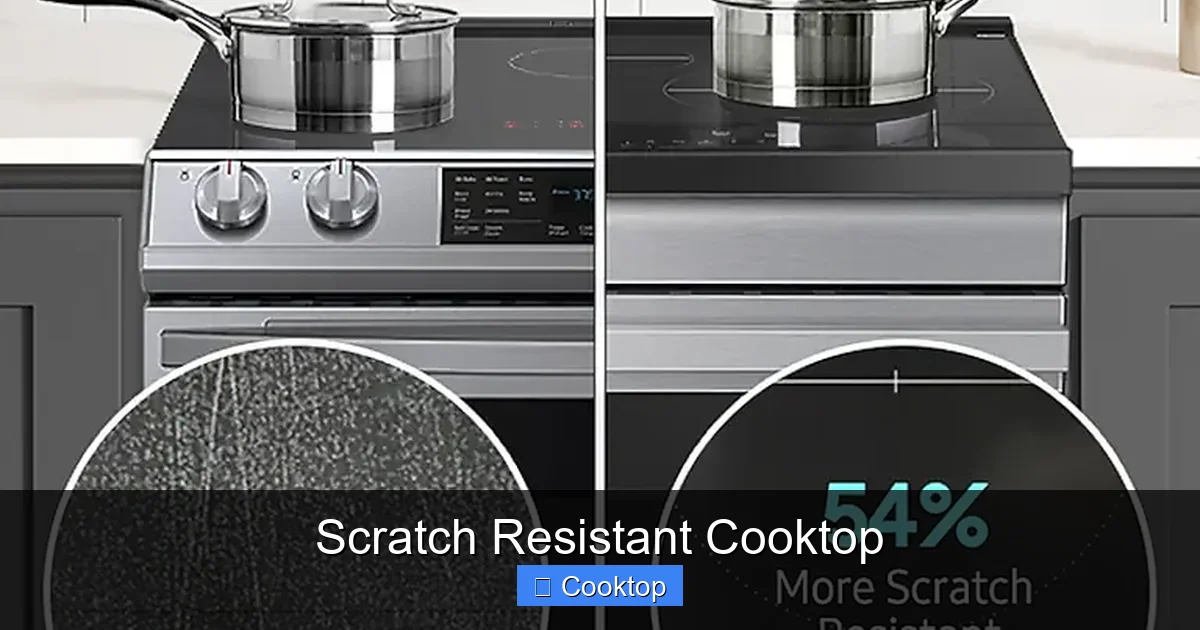
A scratch resistant cooktop offers a durable cooking surface that resists scratches from pots, pans, and utensils, keeping your kitchen looking sleek. Made from toughened glass, ceramic, or specialized coatings, it combines easy cleaning with long‑lasting performance. Ideal for busy households, it reduces maintenance while providing reliable heat distribution for everyday cooking.
Welcome to your ultimate guide on the scratch resistant cooktop. If you’ve ever cringed at the sight of a faint line across your cooking surface after a busy dinner prep, you know how frustrating it can be to keep a cooktop looking brand new. A scratch resistant cooktop solves that problem by offering a tough surface that stands up to daily wear and tear while still delivering the performance you need for everyday meals.
In this article we’ll explore what makes a cooktop scratch resistant, the benefits it brings to your kitchen, the materials and technology behind its durability, and how to pick the perfect model for your home. We’ll also share practical maintenance tips and debunk common myths so you can shop with confidence. By the end, you’ll have all the information you need to decide if a scratch resistant cooktop is the right upgrade for your kitchen.
Whether you’re a seasoned chef or someone who just enjoys quick weeknight meals, a scratch resistant cooktop can simplify your routine. It pairs especially well with scratch resistant cookware, creating a cohesive, low‑maintenance cooking zone. Let’s dive in and discover how this innovative surface can keep your cooking area looking pristine for years to come.
Key Takeaways
- Durable Surface: Resists everyday scratches, maintaining a smooth appearance for years.
- Easy Maintenance: Simple wipe‑down cleaning reduces time spent on upkeep.
- Versatile Compatibility: Works well with most cookware types, including stainless steel and cast iron.
- Heat Efficiency: Provides even heat distribution, improving cooking results.
- Modern Look: Adds a sleek, contemporary touch to any kitchen design.
- Cost‑Effective: Long lifespan offsets the initial investment over time.
📑 Table of Contents
What Is a Scratch Resistant Cooktop?
A scratch resistant cooktop is a cooking surface engineered to withstand the minor abrasions that occur during regular use. Unlike standard glass or ceramic cooktops that can show fine lines after repeated contact with pots and pans, this type features a hardened top layer that resists those marks. The goal is to keep the surface smooth and visually appealing while still providing an even cooking after cooking.
Definition and Core Features
The core feature of a scratch resistant cooktop is its protective surface layer. This layer is often made from tempered glass, a ceramic blend, or a specialized polymer coating. These materials are treated to increase hardness, measured on the Mohs scale, so everyday utensils are less likely to leave visible traces. In addition to scratch resistance, these cooktops retain the smooth, flat design that makes wiping spills simple.
How It Differs from Regular Cooktops
Regular cooktops, especially those made of standard glass ceramic, can develop micro‑scratches over time. Those scratches may not affect performance immediately, but they can dull the appearance and make cleaning a bit harder. A scratch resistant cooktop, by contrast, is built to minimize that wear from the start. While no surface is completely immune to damage, the enhanced hardness significantly extends the period during which the cooktop looks like new.
Benefits of a Scratch Resistant Cooktop
Choosing a scratch resistant cooktop brings several practical advantages that go beyond just looks. Let’s examine the key benefits that make this upgrade worthwhile for many home cooks.
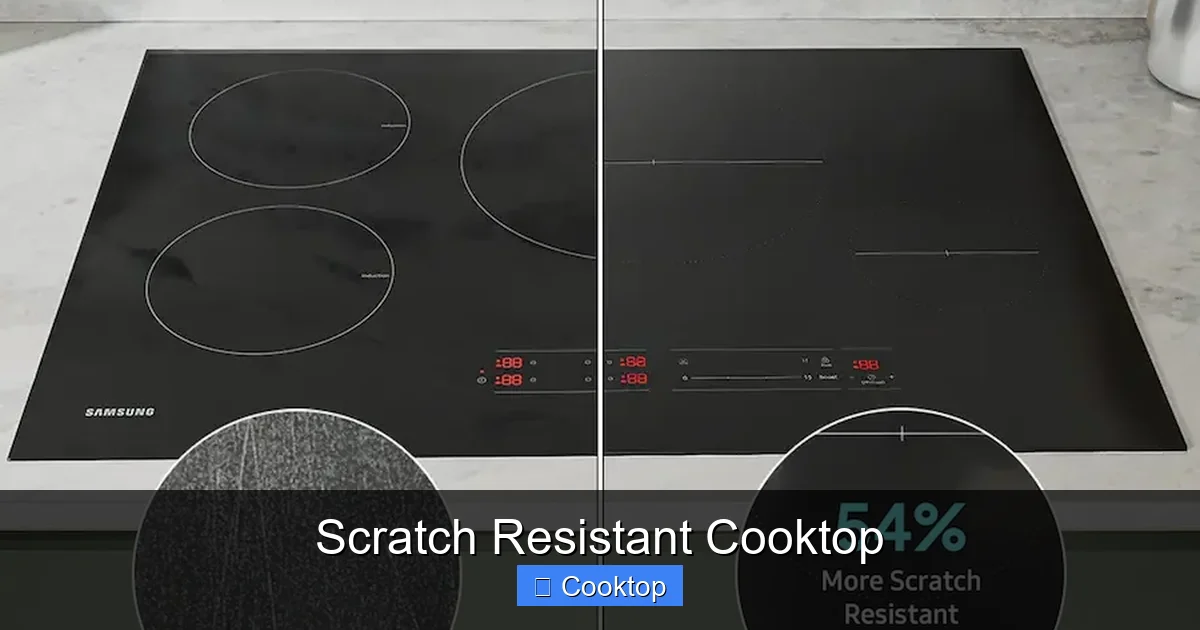
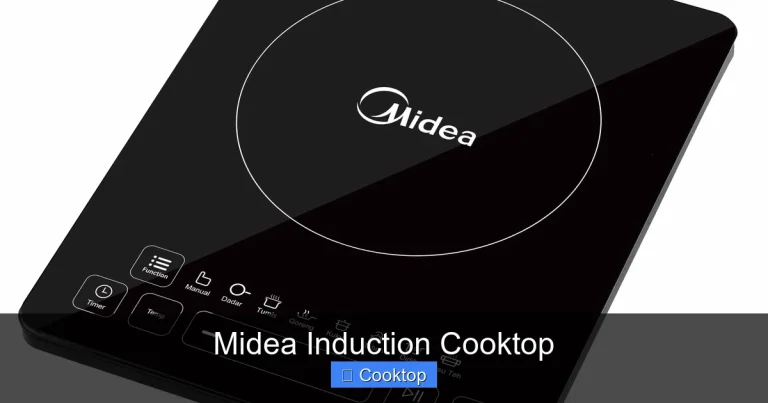
Visual guide about Scratch Resistant Cooktop
Image source: pisces.bbystatic.com
Durability and Longevity
The most obvious benefit is increased durability. Because the surface resists scratches, it maintains its structural integrity longer. This means fewer worries about replacing the cooktop prematurely due to cosmetic damage. Over the lifespan of the appliance, you’ll likely save money and reduce waste.
Easy Cleaning and Hygiene
A smooth, scratch‑free surface is easier to wipe clean. Food residues and spills have fewer places to hide, so a quick swipe with a damp cloth often does the job. This not only saves time but also helps maintain a hygienic cooking area, as bacteria have fewer crevices to accumulate.
Aesthetic Appeal
A pristine cooktop contributes to a modern kitchen look. Whether you have a contemporary design or a more traditional style, a surface that stays clear of scratches adds a touch of elegance. It also means your kitchen will look well‑kept even after years of use, which can be a plus if you ever decide to sell your home.
Heat Efficiency
Many scratch resistant cooktops are designed to distribute heat evenly across the surface. The hard top layer does not interfere with the underlying heating elements, so you get consistent temperatures for simmering, sautéing, or boiling. This efficiency can lead to better cooking results and potentially lower energy use.
Materials and Technology Behind Scratch Resistance
Understanding what makes a cooktop scratch resistant helps you appreciate its value and choose the right type for your needs. Manufacturers use a few key approaches to achieve this durability.
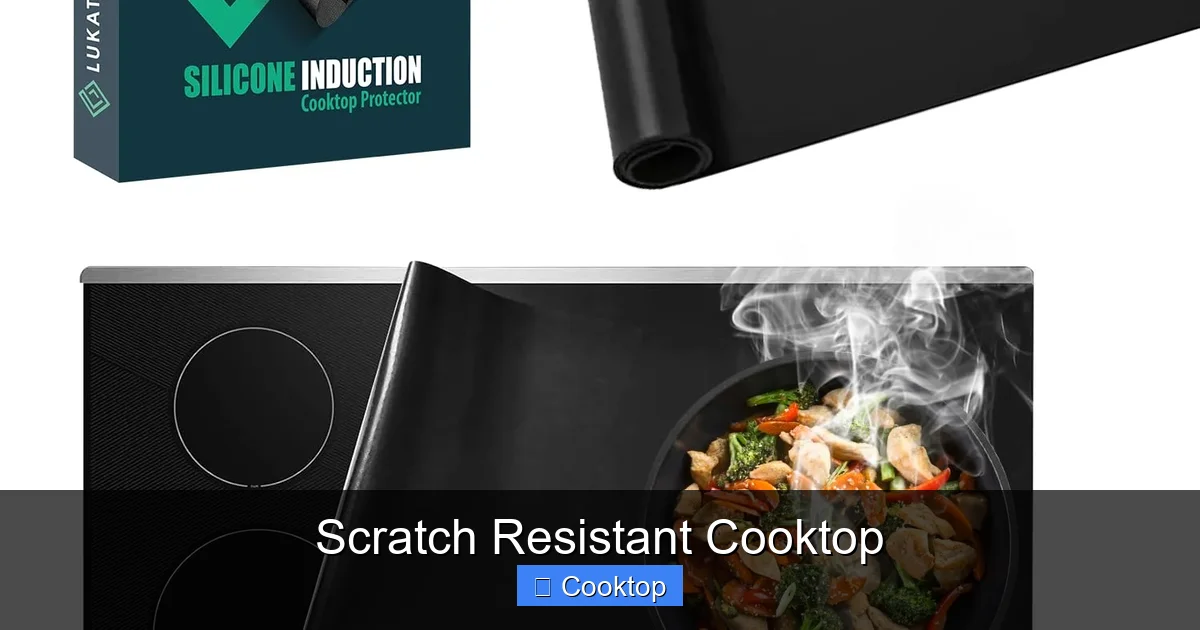
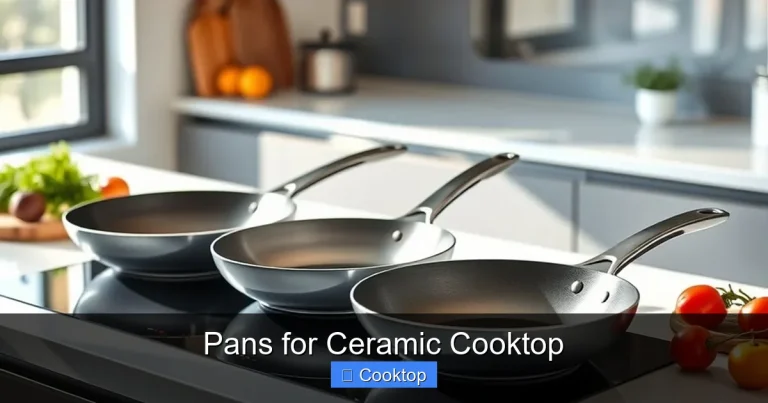
Visual guide about Scratch Resistant Cooktop
Image source: m.media-amazon.com
Tempered Glass Surfaces
Tempered glass is heated to high temperatures and then cooled rapidly, a process that increases its strength. This type of glass can withstand impacts and resists surface scratches better than regular glass. When used as a cooktop top layer, it provides a clear, smooth surface that is easy to clean while offering robust protection.
Ceramic Coatings
Some cooktops feature a ceramic-based coating applied over a glass substrate. This coating is formulated to be harder than the glass underneath, adding an extra barrier against scratches. Ceramic coatings also tend to be stain‑resistant, making them a popular choice for busy kitchens.
Advanced Polymer Layers
Innovative polymer layers are another route to scratch resistance. These synthetic materials are engineered to be both flexible and hard, absorbing minor impacts without showing marks. Polymer layers can be tinted or left clear, giving manufacturers flexibility in design while still delivering a durable surface.
How to Choose the Right Scratch Resistant Cooktop
With several options on the market, selecting the best scratch resistant cooktop for your kitchen involves considering size, burner layout, energy type, and budget. Here’s a step‑by‑step guide to help you make an informed decision.
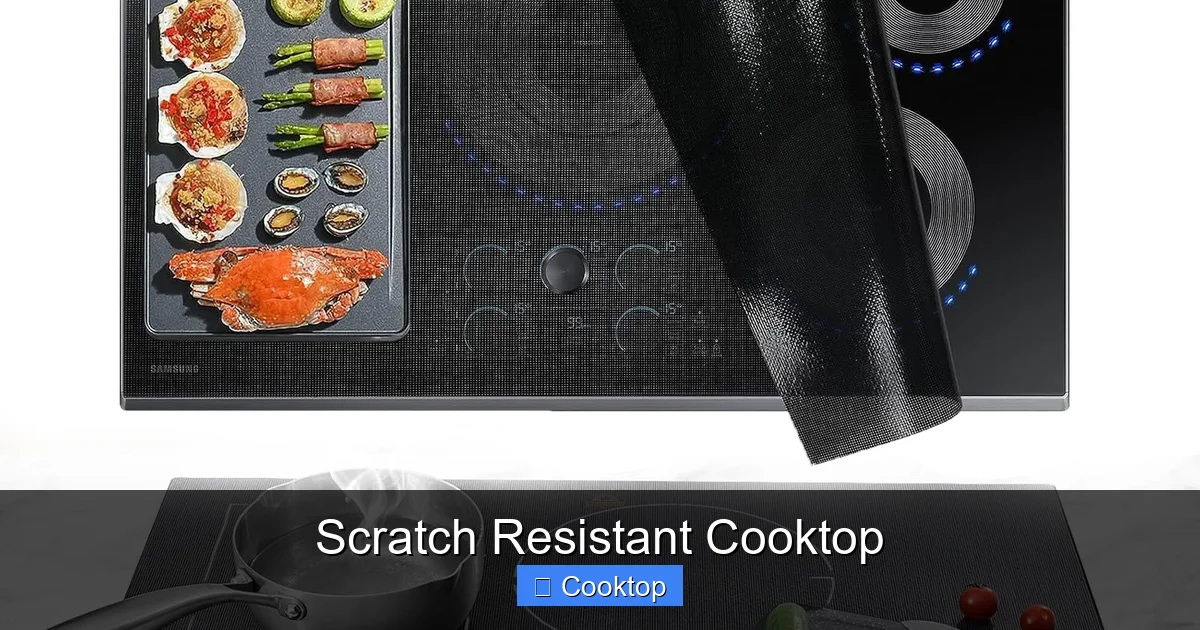
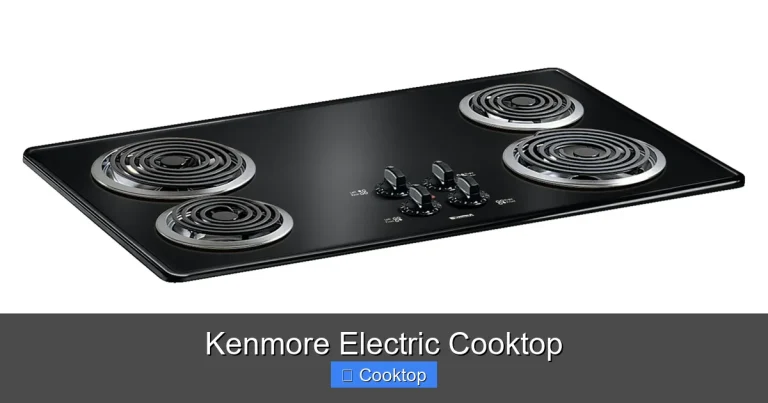
Visual guide about Scratch Resistant Cooktop
Image source: i5.walmartimages.com
Size and Burner Configuration
First, measure the space where the cooktop will go. Standard widths range from 30 to 36 inches, but compact models are available for smaller kitchens. Think about how many burners you typically use at once. A four‑burner layout suits most families, while avid cooks might prefer five or six burners for greater flexibility.
Compatibility with Cookware
Most scratch resistant cooktops work with a wide range of cookware, but it’s wise to check compatibility, especially if you have an induction model. Induction surfaces require magnetic‑based pots and pans, whereas electric and gas cooktops are more forgiving. If you already own a set of scratch resistant cookware, verify that it will perform well on the new surface.
Energy Type (Induction, Electric, Gas)
Scratch resistant technology is available across induction, electric, and gas cooktops. Induction models offer fast heating and precise temperature control, making them energy efficient. Electric coil or radiant versions provide steady heat and are often less expensive upfront. Gas cooktops give instant flame control and are favored by many professional chefs. Choose the type that matches your cooking style and utility connections.
Budget Considerations
Prices vary based on brand, features, and energy type. While scratch resistant cooktops may carry a slightly higher upfront cost than basic models, their longevity can offer better value over time. Determine your budget range and look for models that provide the best combination of durability, performance, and warranty coverage.
If you’re leaning toward an induction option, you might find our guide on how to use induction cooktop helpful for getting started with the new technology.
Maintenance and Care Tips
Even the toughest surface benefits from proper care. Follow these simple routines to keep your scratch resistant cooktop looking its best and to maximize its lifespan.
Daily Cleaning Routine
After each use, let the cooktop cool slightly, then wipe it down with a soft, damp cloth. For light spills, a few drops of mild dish soap mixed with water work well. Avoid abrasive scrubbers or harsh chemicals that could dull the finish over time.
Dealing with Stubborn Stains
For stuck‑on food or grease, apply a non‑abrasive cooktop cleaner and let it sit for a minute before gently wiping with a soft pad. For particularly tough spots, a dedicated ceramic cooktop cleaning cream can lift residues without scratching the surface. Always rinse the area with a clean, damp cloth afterward to remove any cleaner residue.
Preventing Scratches
Although the surface is resistant, taking a few precautions will keep it looking pristine longer. Lift pots and pans instead of sliding them across the cooktop. Use cookware with smooth, flat bottoms, and avoid dragging cast iron or stoneware unless the manufacturer explicitly states it’s safe. Placing a silicone mat or trivet under hot dishes can also protect the surface from thermal shock.
Recommended Products
In addition to the ceramic cooktop cleaning cream mentioned above, consider using a microfiber cloth for daily wiping. These cloths trap dust and lint without scratching. Some manufacturers also offer specialized polishing pads designed for their specific cooktop lines—check your user manual for recommendations.
Common Myths and Misconceptions
Let’s clear up a few misunderstandings that can cause confusion when shopping for a scratch resistant cooktop.
Myth 1: Scratch Resistant Means Indestructible
No cooktop surface is completely immune to damage. While scratch resistant cooktops stand up to everyday wear far better than standard models, they can still be chipped or cracked by heavy impacts or extreme temperature changes. Treat the surface with care, and it will serve you well for many years.
Myth 2: Special Cookware Is Required
Most scratch resistant cooktops work with standard cookware materials like stainless steel, aluminum, and enameled iron. The main exception is induction models, which require magnetic‑based pots and pans. Otherwise, you can continue using your existing set without worry.
Myth 3: It’s Only for High‑End Kitchens
Scratch resistant technology is available across a wide price range. You’ll find budget‑friendly options that still offer a durable surface, as well as premium models with extra features like touch controls or bridge elements. Whatever your kitchen style or budget, there’s likely a scratch resistant cooktop that fits.
Conclusion
A scratch resistant cooktop is a smart investment for anyone who values a clean, long‑lasting cooking surface. By resisting everyday scratches, it keeps your kitchen looking sleek while reducing the time and effort spent on maintenance. The technology behind these cooktops—whether tempered glass, ceramic coating, or advanced polymer layers—delivers durability without sacrificing performance or aesthetics.
When selecting a model, consider your kitchen’s size, your preferred energy type, and the compatibility with your existing cookware. Remember to follow simple care routines, such as wiping after each use and using non‑abrasive cleaners for stubborn spots, to preserve the surface’s integrity. Pairing your new cooktop with scratch resistant cookware can create a harmonious, low‑maintenance cooking zone that stands up to daily demands.
We hope this guide has given you the confidence to choose, use, and care for a scratch resistant cooktop that will serve your household for many meals to come. Happy cooking!
Frequently Asked Questions
What makes a cooktop scratch resistant?
A scratch resistant cooktop features a hardened top layer—often tempered glass, a ceramic coating, or a polymer blend—that is engineered to withstand minor abrasions from pots, pans, and utensils. This layer increases the surface hardness, reducing the likelihood of visible scratches during normal use.
Can I use cast iron cookware on a scratch resistant cooktop?
Yes, you can use cast iron on most scratch resistant cooktops, but it’s best to lift the pot rather than slide it across the surface to avoid potential marks. Some manufacturers provide specific guidelines, so checking your user manual is recommended.
How often should I clean my scratch resistant cooktop?
For optimal appearance and hygiene, wipe down the cooktop after each use with a soft, damp cloth. Perform a deeper clean with a non‑abrasive cleaner or ceramic cooktop cleaning cream as needed, depending on how frequently you cook and the types of foods you prepare.
Does a scratch resistant cooktop affect cooking performance?
No. The scratch resistant layer is designed to be thin and transparent to heat, so it does not interfere with the underlying heating elements. You’ll still enjoy even heat distribution and responsive temperature control.
Is a scratch resistant cooktop worth the extra cost?
For many home cooks, the added durability and reduced maintenance make the higher upfront price worthwhile. Over time, the cooktop’s longer lifespan and better appearance can provide greater value compared to a standard model that may show wear sooner.
What should I do if I notice a small scratch on the surface?
If a minor scratch appears, clean the area thoroughly and assess whether it affects performance. Most superficial scratches are purely cosmetic and won’t impact cooking. For deeper marks, consult the manufacturer’s warranty or service options, as significant damage may require professional attention.