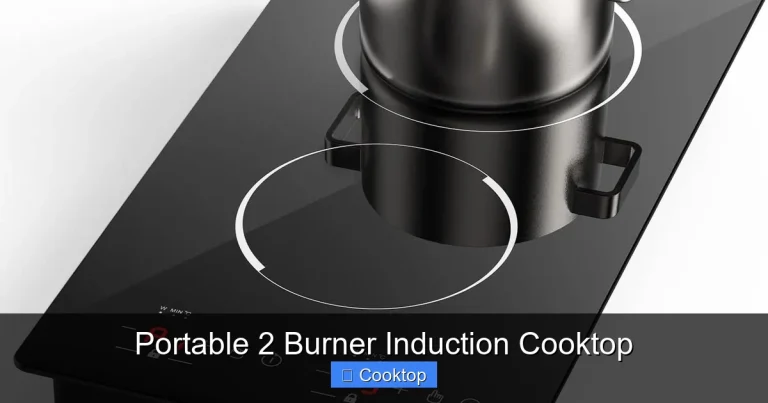
4 Burner Induction Cooktop
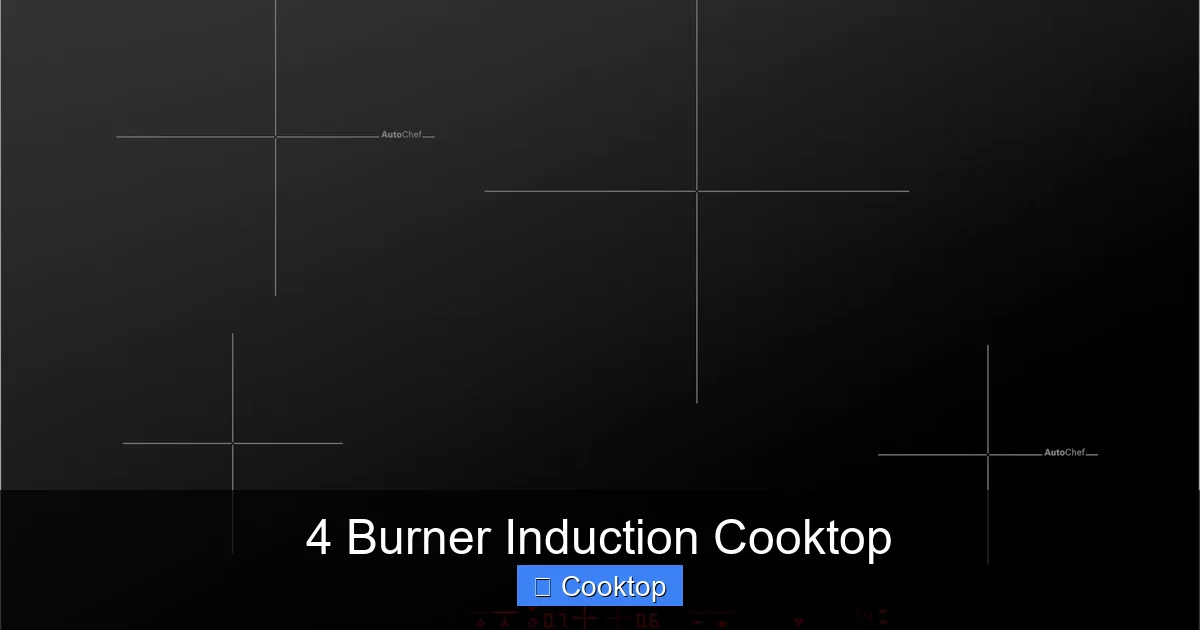
A 4 Burner Induction Cooktop offers rapid, efficient cooking with independent temperature zones, making it ideal for busy households and avid home chefs. It heats only the cookware, saving energy and keeping the kitchen cooler, while providing sleek, modern aesthetics and easy cleanup.
4 Burner Induction Cooker>
Welcome to your guide on the 4 Burner Induction Cooktop. If you’ve ever wished you could boil water in seconds, keep a sauce at a perfect simmer while searing a steak, and still have two burners free for side dishes, this appliance might be exactly what you need. In the following sections we’ll explore how induction works, why a four‑burner layout is a game‑changer, what to look for when buying, how to install and use it, and how to keep it running smoothly for years.
Key Takeaways
- Speed and Precision: Induction technology heats pans instantly and allows fine temperature adjustments for perfect results.
- Energy Efficiency: Up to 90% of energy goes directly to the pot, reducing waste and lowering utility bills.
- Safety Features: The surface stays cool, and most models include auto‑shutoff, child lock, and pan detection.
- Versatile Cooking Zones: Four independent burners let you simmer, boil, sauté, and sear simultaneously.
- Easy Maintenance: Smooth glass‑ceramic surface wipes clean; no grates or burners to scrub.
- Modern Design: Sleek, flush‑mount look complements contemporary kitchens and saves counter space.
📑 Table of Contents
How Induction Cooking Works
Induction cooking uses electromagnetic fields to generate heat directly inside ferrous cookware. When you place a magnetic pot or pan on the cooking zone, an alternating current flows through a copper coil beneath the glass surface, creating a fluctuating magnetic field. This field induces electric currents (eddy currents) in the pan, which resist the flow and produce heat. Because the heat is created in the pan itself, the cooktop surface stays relatively cool, and energy transfer is highly efficient.
If you’re new to this technology, you might want to learn how to use an induction cooktop for the basics of turning it on, selecting power levels, and recognizing compatible cookware.
Why Induction Beats Traditional Gas or Electric
- Speed: Water boils up to 50% faster than on a gas burner.
- Control: Temperature changes are instantaneous; you can go from a rolling boil to a gentle simmer in seconds.
- Safety: No open flame, and the surface only heats when a compatible pan is present.
- Cleanliness: Spills don’t bake onto a hot surface; they can be wiped away immediately.
Advantages of a 4 Burner Induction Cooktop
A four‑burner layout gives you the flexibility of a full‑size range without the bulk. You can run multiple cooking processes at once, which is especially helpful when preparing meals for a family or entertaining guests.
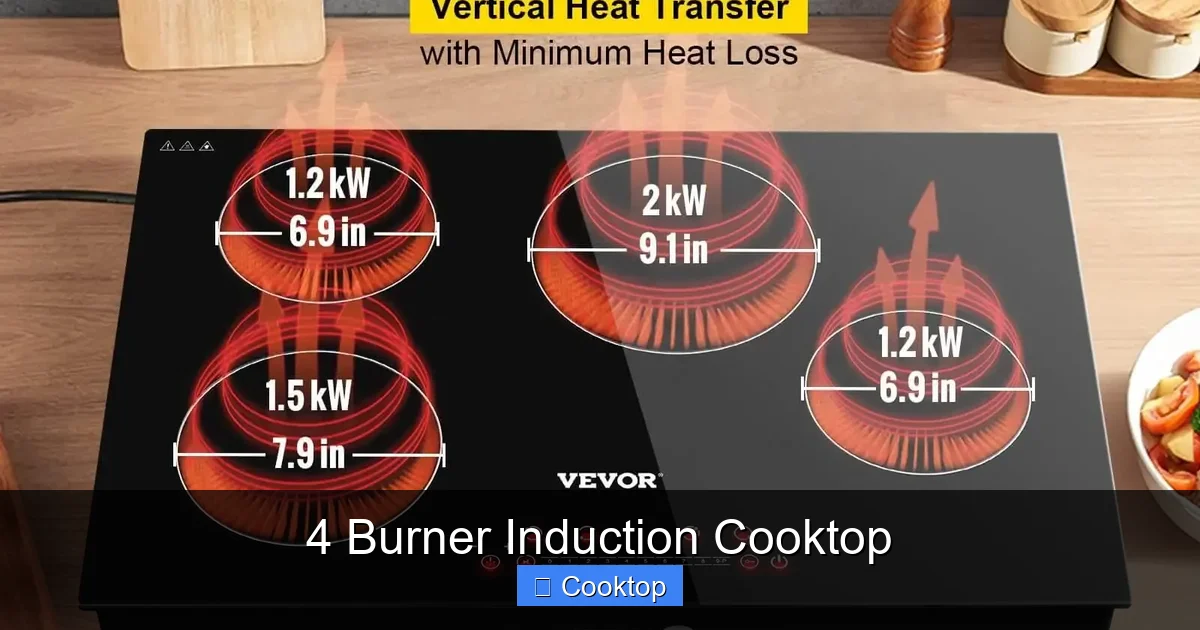
Visual guide about 4 Burner Induction Cooktop
Image source: diy-ideas.oss-accelerate.aliyuncs.com
Multitasking Made Easy
Imagine you’re making a pasta dinner: one burner boils water, another sautés garlic and onions, a third simmers the sauce, and the fourth keeps bread warm. With independent power controls, each zone can be set to a different level without affecting the others.
Energy Savings
Because each burner only draws power when a pan is present, you avoid wasting energy on idle zones. Over a year, this can translate into noticeable savings on your electricity bill, especially if you frequently cook with multiple pots.
Space‑Efficient Design
Many 4 burner induction cooktops are designed to sit flush with the countertop, giving a built‑in look that saves valuable counter space. This is ideal for small kitchens or open‑plan living areas where you want the appliance to blend seamlessly.
Key Features to Look For
When shopping for a 4 Burner Induction Cooktop, consider these essential features to ensure you get the best performance and longevity.
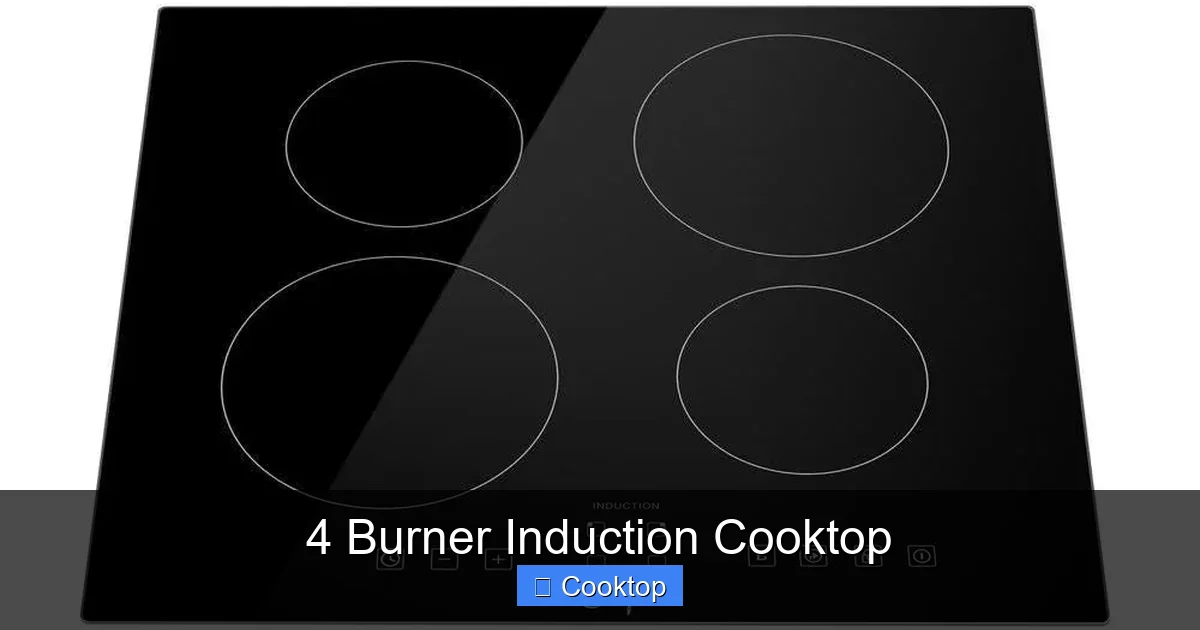
Visual guide about 4 Burner Induction Cooktop
Image source: therangehoodstore.com
Power Levels and Boost Functions
Look for models offering at least nine power levels plus a boost function that temporarily increases output for rapid boiling. A boost of 3000 W or more on a single zone can bring a large pot of water to a boil in under two minutes.
Pan Detection and Auto‑Shutoff
Sensors that detect whether a pan is present prevent the burner from heating empty glass, enhancing safety. Auto‑shutoff after a period of inactivity (usually 1–2 hours) adds peace of mind.
Control Interface
Touch controls are common, but some cooks prefer physical knobs for tactile feedback. If you like knobs, check out options like an induction cooktop with knobs for a more traditional feel.
Bridge or FlexZone Capability
A bridge function lets you combine two adjacent zones into one larger cooking area, perfect for using a griddle or large roasting pan. Some models offer a FlexZone that automatically adapts to the size and shape of your cookware.
Build Quality and Warranty
Stainless‑steel frames and reinforced glass‑ceramic surfaces resist scratches and impacts. A warranty of at least two years on parts and labor indicates the manufacturer’s confidence in durability.
Compatible Cookware
Induction works only with ferrous (magnetic) materials. To get the most out of your cooktop, invest in high‑quality magnetic stainless steel or cast‑iron pans. For recommendations, you can check out our guide to the best non‑stick pans for induction cooktops.
Installation and Setup Tips
Proper installation ensures safety, optimal performance, and compliance with local electrical codes.
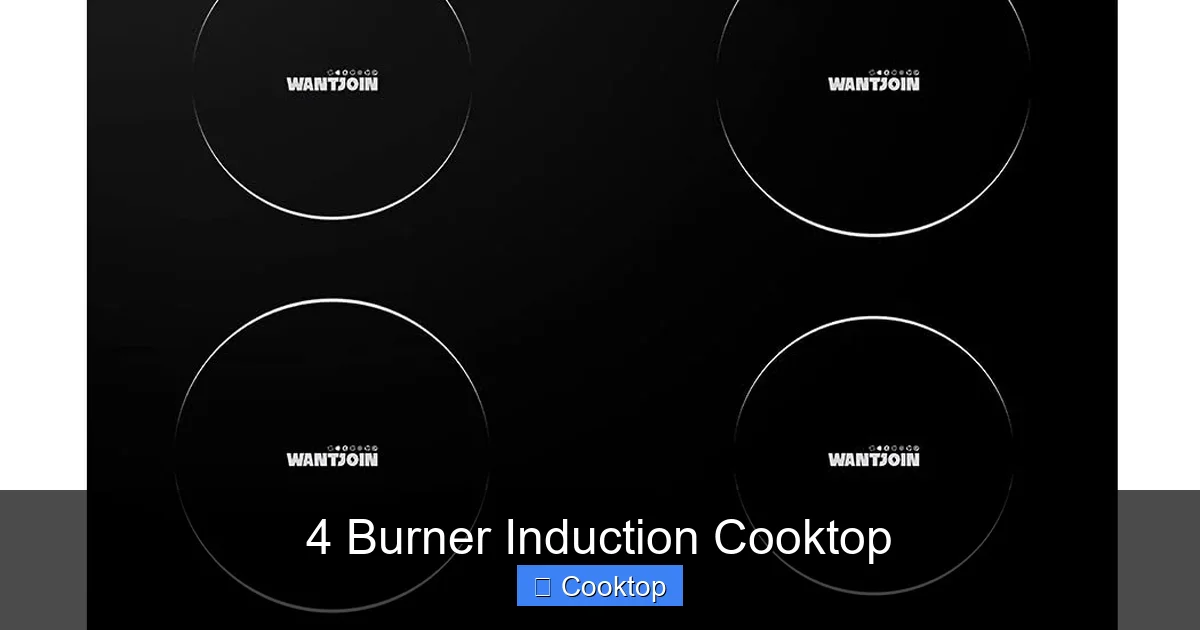
Visual guide about 4 Burner Induction Cooktop
Image source: m.media-amazon.com
Electrical Requirements
Most 4 burner induction cooktops require a dedicated 240‑volt circuit with a capacity of 30–50 amps, depending on the total wattage. Before purchasing, review the wattage requirements for induction cooktops to confirm your home’s electrical panel can support the load.
Ventilation Considerations
Although induction produces less ambient heat than gas, you still need adequate ventilation to remove cooking odors and moisture. A range hood with a minimum of 200 CFM is recommended for typical home use.
Countertop Preparation
Measure the cut‑out dimensions carefully; most units need a slightly recessed opening to sit flush. Use a template provided by the manufacturer and ensure the surrounding countertop material can bear the weight (usually 30–50 lb).
Professional vs. DIY Installation
If you’re comfortable working with high‑voltage wiring and have the necessary tools, a DIY install is possible. However, hiring a licensed electrician guarantees that the circuit is correctly sized, grounded, and up to code—especially important for appliances that draw significant power.
Cooking Tips and Best Practices
Getting the most out of your 4 Burner Induction Cooktop involves a few simple habits.
Start with Dry, Flat‑Bottomed Pans
Warped or uneven bases reduce contact with the glass surface, leading to inefficient heating. Always ensure your cookware sits flat and is dry before placing it on the burner.
Use the Boost Function Wisely
The boost setting draws maximum power for a short time. Use it for tasks like bringing water to a boil or searing meat, then revert to a regular power level to maintain temperature and save energy.
Leverage Independent Zones
Assign each burner a specific task based on its power range. For example, use the two front zones for high‑heat searing and the rear zones for low‑heat simmering or keeping food warm.
Avoid Sliding Pans
Sliding a hot pan across the glass can cause micro‑scratches. Lift and place the cookware instead.
Experiment with Temperature Settings
Induction allows precise low‑temperature cooking, perfect for melting chocolate, making custards, or sous‑vide style techniques. Start at the lowest setting and increase gradually until you achieve the desired result.
Maintenance and Troubleshooting
Keeping your cooktop in top shape extends its life and ensures consistent performance.
Daily Cleaning Routine
After each use, let the surface cool slightly, then wipe with a soft damp cloth and a mild cleaner. For stubborn residues, use a non‑abrasive scrub pad designed for glass‑ceramic surfaces.
Preventing Scratches
Never use steel wool or harsh abrasives. If you notice a light scratch, a specialized cooktop polishing compound can often minimize its appearance.
Dealing with Error Codes
Most models display error codes when something is amiss—such as incompatible cookware, overheating, or a sensor fault. Refer to the user manual for the meaning of each code; common fixes include removing the pan, waiting for the unit to cool, or resetting the power.
When to Call a Professional
If the cooktop fails to heat, shows persistent error codes, or you notice unusual noises or smells, disconnect the power and contact a qualified technician. Attempting to repair internal electronics yourself can be dangerous and may void the warranty.
Is a 4 Burner Induction Cooktop Right for You?
Consider your cooking habits, kitchen layout, and budget. If you frequently prepare multi‑component meals, value speed and precision, and want a sleek, easy‑to‑clean surface, a four‑burner induction unit is a strong contender. For smaller households or occasional cooks, a two‑burner portable model might suffice, but the added zones of a 4 burner cooktop provide flexibility that pays off over time.
Remember to factor in the cost of compatible cookware and any necessary electrical upgrades. When those pieces are in place, you’ll enjoy a cooking experience that’s faster, safer, and more energy‑efficient than traditional gas or electric ranges.
Conclusion
The 4 Burner Induction Cooktop brings modern technology to the heart of the kitchen, delivering rapid heat, exact temperature control, and a cool‑to‑the‑touch surface. By understanding how induction works, selecting the right features, installing it properly, and following simple cooking and maintenance practices, you can transform your everyday meals into culinary successes. Whether you’re simmering a delicate sauce, searing a steak, or keeping side dishes warm, the four independent zones give you the freedom to cook exactly the way you want—efficiently, safely, and with style.
Frequently Asked Questions
What size cookware works best with a 4 burner induction cooktop?
Use pans with a flat, magnetic base that matches the size of the cooking zone. Ideally, the pan’s diameter should be within 1‑2 inches of the zone’s marked area for optimal coupling and efficiency.
Can I use aluminum or copper pans on an induction cooktop?
Standard aluminum or copper pans won’t work because they aren’t magnetic. However, many manufacturers clad these metals with a stainless‑steel layer, making them induction‑compatible.
How much electricity does a 4 burner induction cooktop consume?
Consumption varies by model and usage, but a typical unit draws between 3000 and 7200 watts total when all zones are at high power. Actual energy use depends on how long and at what power level you cook.
Is it safe to leave an induction cooktop on unattended?
Most modern units have auto‑shutoff and pan‑detection features that turn off the burner if no pan is detected or after a set period of inactivity, making them safer to leave briefly unattended.
Do I need special cleaning products for the glass‑ceramic surface?
No special chemicals are required. A mild dish soap and soft cloth are sufficient for daily cleaning; for tougher spots, use a cleaner specifically formulated for glass‑ceramic cooktops.
Can I install a 4 burner induction cooktop myself?
If you have experience with high‑voltage wiring and the necessary tools, a DIY install is possible. However, hiring a licensed electrician is recommended to ensure the circuit is correctly sized, grounded, and up to code.