Single Burner Cooktop
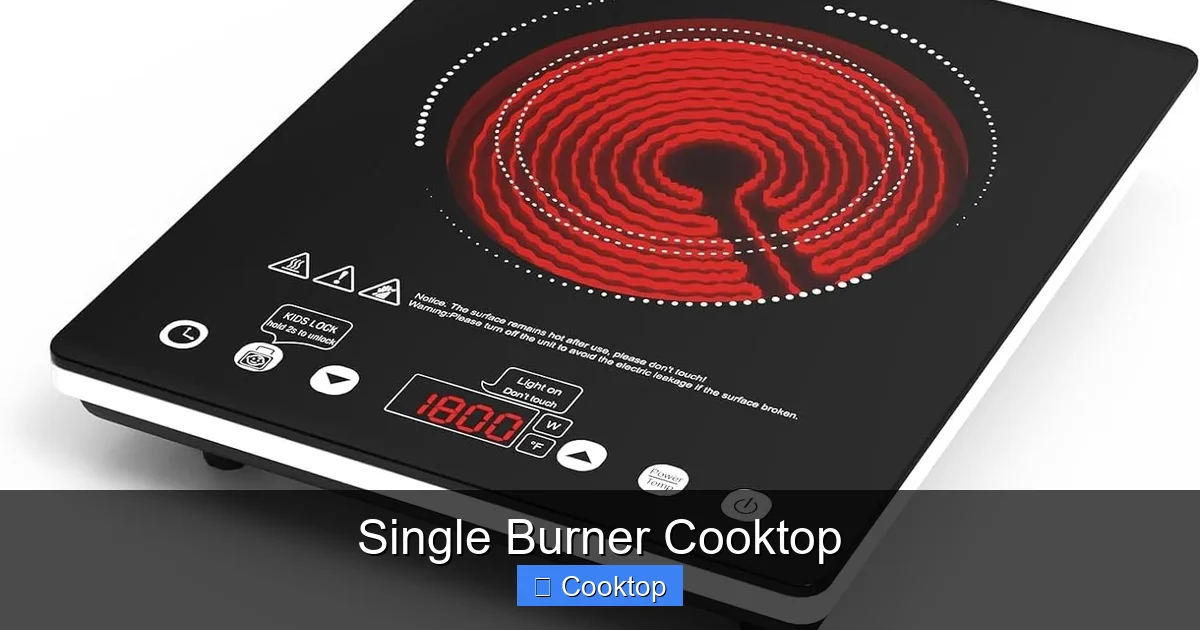
Single burner cooktops are the ideal solution for compact kitchens, dorm rooms, or anyone who needs efficient cooking without a full stove. This guide covers the main types—electric, induction, and gas—helps you choose the right model, and offers practical installation and maintenance tips.
Have you ever struggled with a cramped kitchen or a cramped dorm? A single burner cooktop can transform your cooking experience. In this article, we’ll walk through what a single burner cooktop is, the different types you’ll find on the market, how to pick the right one, and the best practices for setup, use, and cleaning. By the end, you’ll know exactly which single burner cooktop fits your lifestyle, budget, and space.
Key Takeaways
- Space Efficiency: A single burner cooktop saves counter space while delivering powerful heat.
- Type Matters: Electric, induction, and gas options each have unique benefits and trade‑offs.
- Installation: Proper setup ensures safety and extends the life of your cooktop.
- Maintenance: Daily cleaning keeps surfaces shiny and prevents buildup.
- Energy Use: Induction cooktops are the most energy‑efficient choice for most users.
📑 Table of Contents
What Is a Single Burner Cooktop?
A single burner cooktop is a standalone cooking surface that features one heating zone. Unlike a full stove, it doesn’t have multiple burners or a separate oven. The single zone can reach high temperatures, making it perfect for sautéing, boiling, and quick meals. Because it’s so compact, it fits comfortably on most countertops, in small apartments, or even on a kitchen island.
Why Choose a Single Burner?
Space is the biggest advantage. A single burner takes up less room than a full stove, giving you more counter space for prep. It’s also lighter and often less expensive. If you cook for one or two people, you won’t miss the extra burners.
Common Features
Most single burners come with basic controls—either knobs or touch panels. Some models add a timer, temperature lock, or even a built‑in safety shut‑off. The surface material can be ceramic, stainless steel, or glass‑ceramic, each with its own look and feel.
Types of Single Burner Cooktops
When you’re shopping, you’ll encounter three main types: electric, induction, and gas. Each offers a different cooking experience.
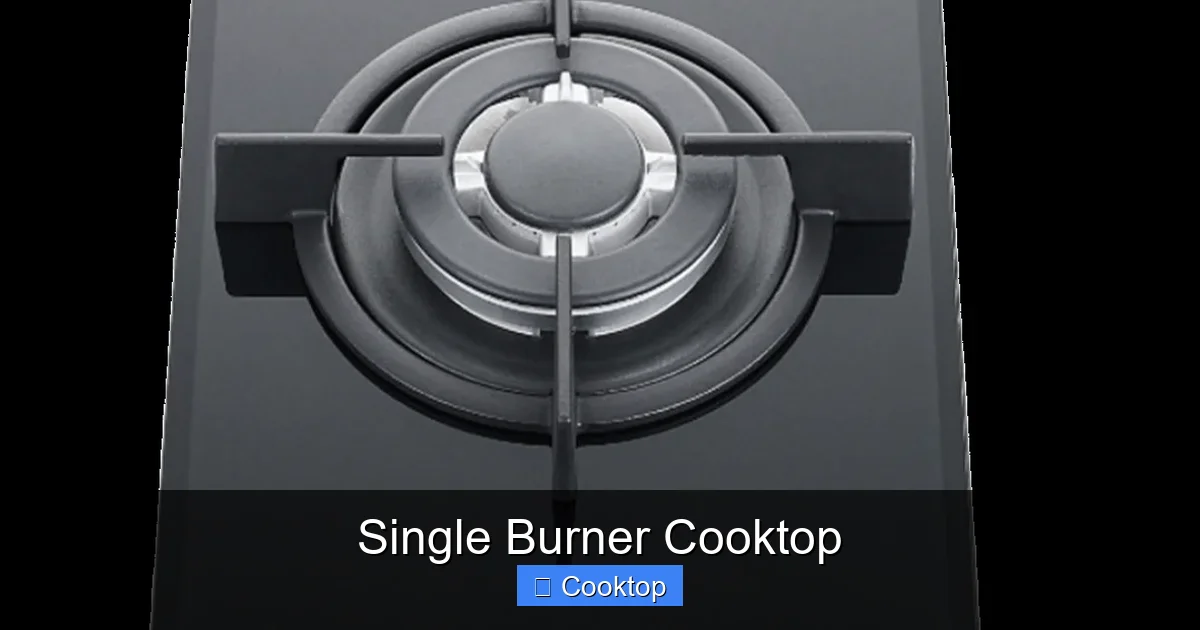
Visual guide about Single Burner Cooktop
Image source: danielaappliances.com.au
Electric Single Burner Cooktops
Electric models use a heating element that sits beneath a glass or ceramic surface. They’re straightforward to use and safe for kids because the surface stays cooler than the element. If you’re looking for a budget option, an electric single burner cooktop is a solid choice.
For more detail on electric options, check out our Single Burner Electric Cooktop guide.
Induction Single Burner Cooktops
Induction cooktops use electromagnetic fields to heat pots directly. The surface never gets truly hot, which makes it safer and faster. Cooking on induction is 10–20% more energy‑efficient than electric. If you value speed and efficiency, an induction single burner cooktop is ideal.
Want to learn how to use one? Read How To Use Induction Cooktop for step‑by‑step guidance.
Gas Single Burner Cooktops
Gas models offer instant flame control and a direct heat source. The flame is visible, so you can see the temperature. Gas single burners are great for those who enjoy the classic stovetop feel. They also work well with cast iron and stainless steel cookware.
Choosing Between Them
Consider your kitchen wiring, energy costs, and cooking style. Electric is easy to install but slower. Induction is fast and clean but needs compatible cookware. Gas gives you a traditional flame but requires a gas line.
How to Choose the Best Single Burner Cooktop
Below are the key factors to keep in mind when selecting a single burner cooktop. We’ll also highlight top picks in each category.
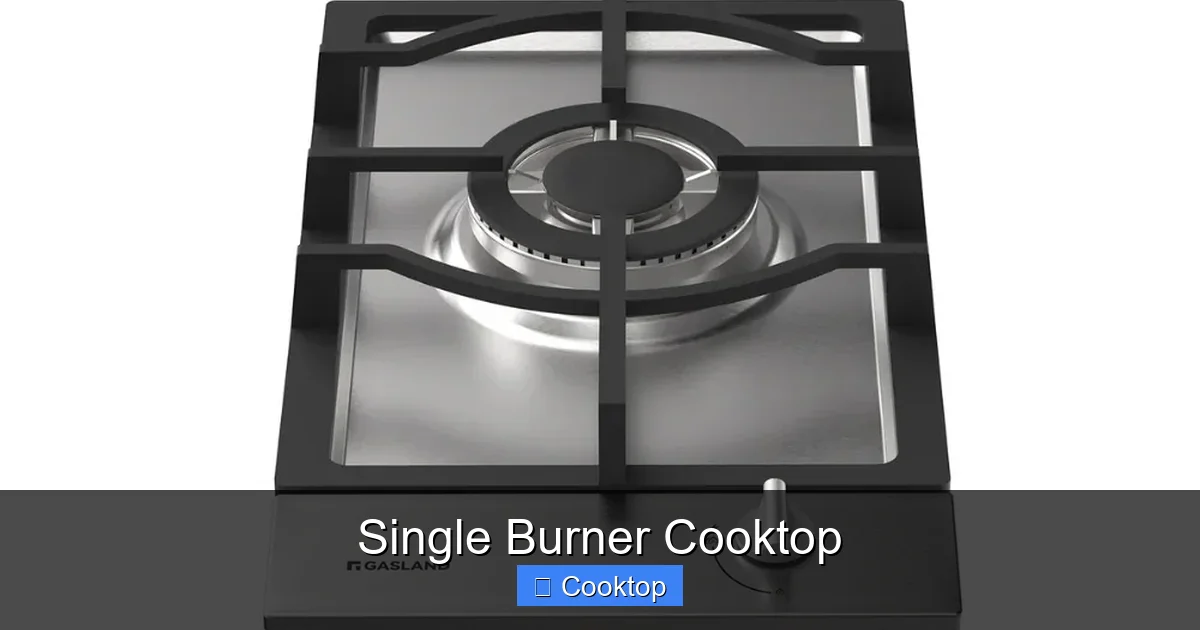
Visual guide about Single Burner Cooktop
Image source: gaslandchef.com.au
1. Power & Wattage
Look for a cooktop with at least 1500 watts for electric models and 1800–2200 watts for induction. Higher wattage means quicker heating and more versatility.
2. Surface Material
Glass‑ceramic surfaces are sleek and easy to wipe, but they can crack. Stainless steel is durable and looks modern. Choose a material that matches your kitchen décor and your cleaning habits.
3. Control Type
Knob controls are simple and familiar, but touch panels offer precise temperature settings. Some models combine both, giving you flexibility.
4. Safety Features
Check for child lock, automatic shut‑off, and overheat protection. These features are especially useful if you have kids or pets around the kitchen.
5. Space & Dimensions
Measure your countertop space before buying. A standard single burner is about 12–14 inches wide, but some models are narrower for micro‑kitchens.
Top Picks
- Best Single Burner Induction Cooktop Built In 2 – Energy‑efficient and sleek.
- Best Single Burner Induction Cooktop Built In – Great for small apartments.
Installation and Use Tips
Installing a single burner cooktop is usually straightforward, but there are a few steps you should follow to keep everything safe and functional.
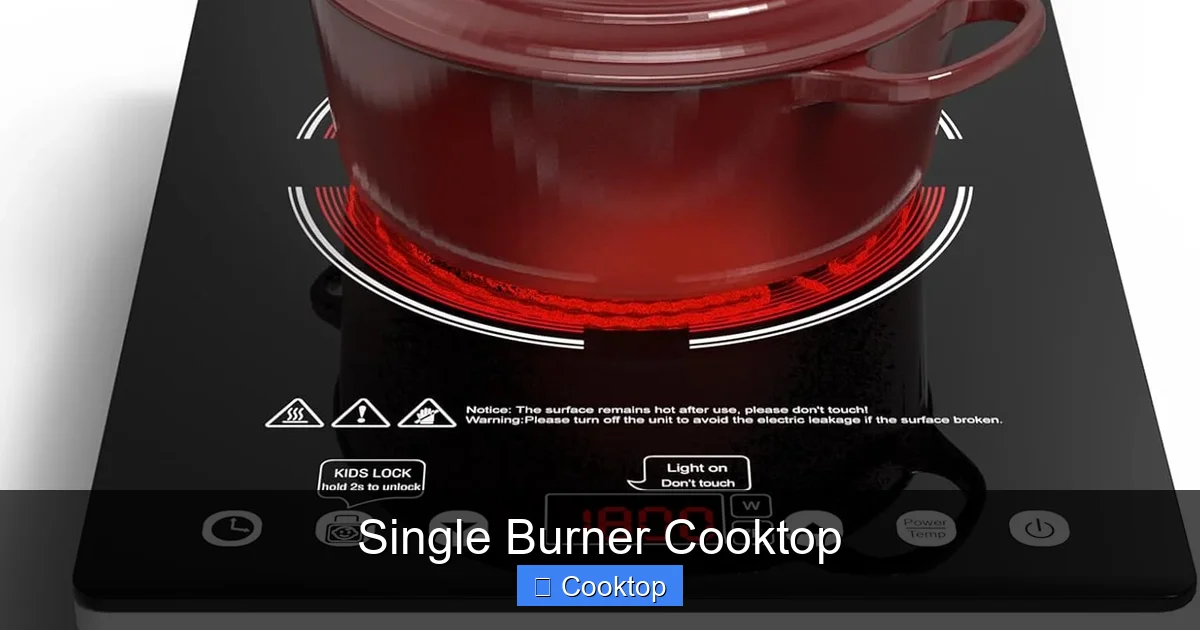
Visual guide about Single Burner Cooktop
Image source: m.media-amazon.com
Electric Cooktop Installation
1. Turn off the power at the breaker. 2. Remove the old stove or countertop section. 3. Connect the wiring to the new cooktop according to the manufacturer’s instructions. 4. Secure it in place and test the power.
Induction Cooktop Installation
Because induction requires a stable surface, make sure the countertop is level. Some models come with a drop‑in design that fits into an existing cavity, while others need a custom cutout.
Gas Cooktop Installation
Gas models require a gas line. If you don’t have one, you’ll need a professional plumber to install a line. Test for leaks with a soap solution before using.
Using Your Cooktop Safely
Always use compatible cookware—induction needs magnetic bottoms. Keep flammable items away from the heat zone. If you’re using gas, never leave the flame unattended.
Cleaning Tips
1. Let the surface cool completely. 2. Wipe with a damp cloth or a specialized cleaner like Ceramic Cooktop Cleaning Cream for induction and electric. 3. For gas, wipe the flame area with a damp cloth. 4. Inspect the burner for debris after each use.
Maintenance and Longevity
Keeping your single burner cooktop in top shape extends its life and keeps it looking brand new. Here are some regular care steps.
Daily Cleaning
Use a soft cloth or sponge. Avoid abrasive pads that scratch the surface. For stubborn stains, a mild dish soap solution works well.
Deep Cleaning
Every few months, use a dedicated cleaner—ceramic cooktop cream for electric and induction, or a gentle degreaser for gas. Make sure the cleaner is safe for the surface material.
Check for Damage
Inspect the surface for cracks or chips. If you find a crack, stop using it immediately and replace it to avoid electrical hazards.
Replace Burners When Needed
Burners can wear out over time. If a burner stops heating or shows signs of damage, contact the manufacturer for a replacement part or a service call.
Store Properly in Small Spaces
If you have a portable single burner, store it in a dry place to prevent rust. Cover it with a soft cloth when not in use.
Conclusion
Choosing the right single burner cooktop can make a huge difference in how you cook daily. Whether you go electric, induction, or gas, a single burner offers the convenience of a full stove without the bulk. By paying attention to power, surface material, and safety features, you’ll find a cooktop that fits your kitchen and your cooking style. Remember to install it correctly, use compatible cookware, and keep it clean—then enjoy fast, efficient meals every day.
Frequently Asked Questions
What is the best type of single burner cooktop for small kitchens?
Induction single burners are usually the best choice for small kitchens because they’re fast, energy‑efficient, and have a sleek design that saves counter space.
Can I use a regular pot on an induction single burner?
Induction requires cookware that is magnetic. If your pot has a stainless steel or cast‑iron base, it will work. Otherwise, you’ll need induction‑compatible cookware.
Is a gas single burner safer than an electric one?
Both can be safe when used correctly. Gas offers instant control but requires careful handling of open flames. Electric burners are generally considered safer for households with children, as the surface stays cooler.
How often should I clean my single burner cooktop?
Daily wipes after each use keep the surface pristine. A deeper clean with a suitable cleaner every few months helps prevent buildup and keeps the surface shiny.
What should I do if my single burner cooktop stops heating?
First, check the power source or gas line for issues. If everything appears fine, the burner element may need replacement. Contact the manufacturer for service or a replacement part.
Do single burner cooktops come with warranties?
Most reputable brands offer a limited warranty ranging from one to five years, covering manufacturing defects. Always read the warranty terms before purchasing.