How to Cook Omaha Steak Scalloped Potatoes in Oven

Cooking Omaha Steak scalloped potatoes in the oven is a foolproof way to create a rich, creamy side dish that pairs perfectly with your favorite steak. This simple recipe requires just a few basic ingredients and follows straightforward steps to achieve a golden, bubbling finish every time. Whether you’re hosting a special dinner or preparing a weeknight meal, these oven-baked scalloped potatoes are sure to impress.
Key Takeaways
- Preparation Time: Prep time is minimal, with most of the work involving slicing and layering the potatoes.
- Potato Selection: Use starchy potatoes like Russets for the creamiest texture, or Yukon Golds for a slightly more robust bite.
- Oven Temperature: Bake at 350°F (175°C) to ensure even cooking without burning the cheese or cream mixture.
- Layering Technique: Thinly slice potatoes and layer them evenly with cheese and cream for consistent results.
- Cooking Time: Plan for 1.5 to 2 hours of baking time, depending on the depth of your baking dish.
- Resting Period: Let the scalloped potatoes rest for 10-15 minutes after baking to allow the layers to set properly.
- Freezing Option: These scalloped potatoes can be assembled ahead of time and frozen for later use, making them ideal for meal prep.
📑 Table of Contents
Introduction: A Match Made in Heaven
When it comes to pairing the perfect side dish with a succulent Omaha Steak, few combinations rival the richness and comfort of classic scalloped potatoes. These creamy, cheesy layers of thinly sliced potatoes baked to golden perfection are not just a side—they’re a star on the dinner plate. Whether you’re celebrating a special occasion or simply craving a cozy meal at home, learning how to cook Omaha Steak scalloped potatoes in the oven is a skill every home cook should master.
Scalloped potatoes are a timeless classic, and for good reason. They bring together the heartiness of potatoes, the richness of cream, and the melty goodness of cheese to create a dish that’s both satisfying and indulgent. The beauty of making them in the oven is that they require minimal attention once they’re in the oven, allowing you to focus on preparing your steak or other main course.
This guide will walk you through everything you need to know to make the perfect batch of scalloped potatoes. From selecting the right potatoes to achieving that ideal creamy consistency, we’ll cover all the bases to ensure your dish turns out flawlessly every time.
Ingredients You’ll Need
Creating Omaha Steak scalloped potatoes in the oven starts with gathering the right ingredients. While the exact proportions may vary based on your preferences, here’s a solid foundation for a delicious batch:

Visual guide about How to Cook Omaha Steak Scalloped Potatoes in Oven
Image source: i.pinimg.com
Core Ingredients
You’ll need a few staple items to build the flavors in your scalloped potatoes. First, choose your potatoes—Russet or Yukon Gold work best for this recipe. You’ll also need heavy cream or half-and-half for that luxurious texture, plus a blend of shredded cheese such as cheddar, mozzarella, or a combination of both.
Don’t forget the essentials like salt and black pepper to season the layers, and a touch of garlic powder or onion powder for an extra depth of flavor. If you’re looking to add a little sophistication, consider sprinkling in some fresh thyme or chopped chives for a burst of herbaceous freshness.
Optional Enhancements
For those who want to elevate their scalloped potatoes, there are plenty of ways to customize the recipe. A splash of white wine when heating the cream adds a subtle complexity, while a pinch of nutmeg can enhance the overall flavor profile. Some cooks even add a layer of caramelized onions or crispy bacon for a delightful twist.
If you’re preparing these potatoes as part of a larger meal, you might also consider adding a layer of thinly sliced onions or even some diced apples for a touch of sweetness that balances the richness of the cream and cheese.
Preparing Your Potatoes
One of the most important steps in making Omaha Steak scalloped potatoes in the oven is properly preparing your potatoes. The key here is uniformity—slicing the potatoes to an even thickness ensures they cook at the same rate, preventing some pieces from becoming mushy while others remain undercooked.

Visual guide about How to Cook Omaha Steak Scalloped Potatoes in Oven
Image source: recipeandcook.com
Slicing Techniques
Use a mandoline slicer or a sharp knife to cut your potatoes into rounds that are about 1/8 inch thick. If you’re using a knife, place the potato on a stable cutting board and slice steadily to maintain even thickness. This step can take a bit of practice, but the end result is worth the effort.
Once sliced, give your potatoes a quick rinse under cold water to remove excess starch. This helps prevent the slices from sticking together and ensures a creamier final dish. After rinsing, pat them dry with a clean kitchen towel or paper towels to remove as much moisture as possible.
Pre-Cooking Options
Some cooks prefer to parboil the potato slices for a few minutes before layering them in the baking dish. This step can help reduce the overall baking time and ensures the potatoes are fully cooked through. However, if you don’t mind waiting a bit longer, you can skip this step and rely on the cream and heat to soften the potatoes during baking.
Layering and Assembly
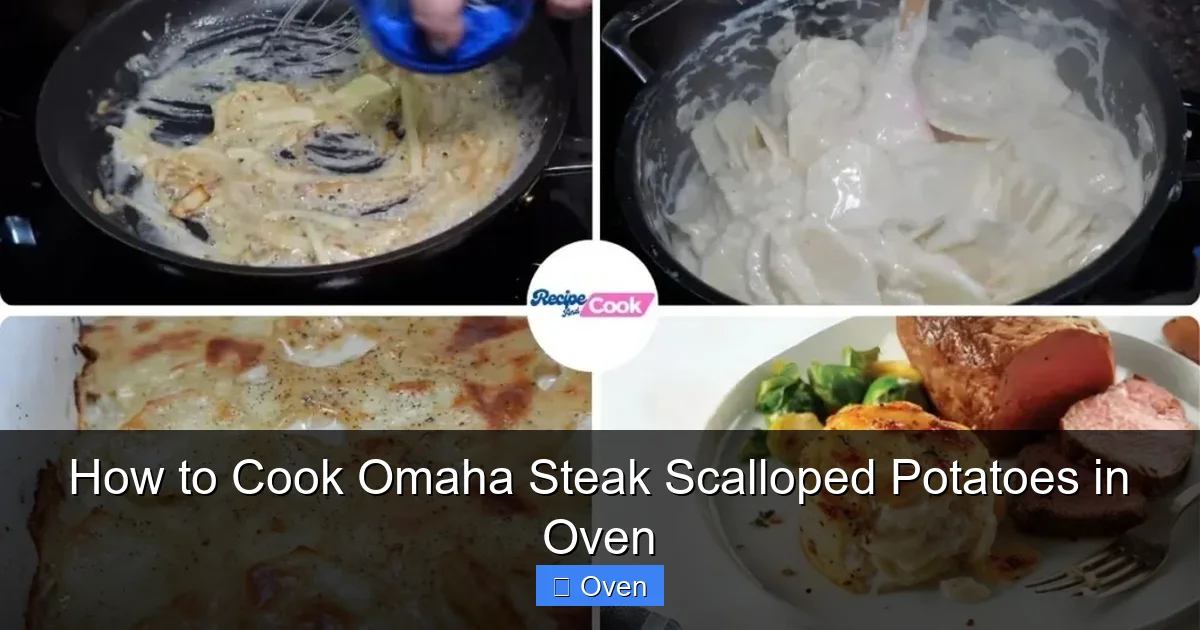
With your potatoes prepped and ready, it’s time to assemble your scalloped potatoes in the oven. The layering process is crucial for achieving that perfect balance of creamy sauce and melted cheese throughout the dish.
Visual guide about How to Cook Omaha Steak Scalloped Potatoes in Oven
Image source: recipeandcook.com
Building the Layers
Start by spreading a thin layer of cream or milk at the bottom of your baking dish. This prevents the potatoes from sticking and helps create a moist environment. Arrange a single layer of potato slices slightly overlapping, then sprinkle with salt, pepper, and a bit of cheese before adding the next layer.
Continue layering until you’ve used up all your potatoes, finishing with a generous amount of cheese on top. The cheese will melt and form a delicious crust as it bakes, so don’t be shy with the amount you use. For an extra golden top, you can also sprinkle some grated Parmesan or a mix of breadcrumbs over the final layer.
Adding the Cream Mixture
Once your layers are complete, pour the cream mixture over the top, ensuring it seeps down into the layers. You can use a spoon to help distribute the cream evenly if needed. The cream should be enough to just cover the potatoes, so avoid adding too much liquid that might make the dish overly soggy.
Baking to Perfection
Now comes the waiting game—letting your scalloped potatoes bake to golden perfection in the oven. This is where the magic happens, transforming simple ingredients into a rich, bubbling side dish.
Setting the Oven and Baking Time
Preheat your oven to 350°F (175°C) before placing your dish inside. Cover the baking dish with aluminum foil for the first hour to trap steam and help the potatoes cook through. After that, remove the foil and continue baking uncovered for an additional 30-60 minutes, or until the top is golden brown and the potatoes are fork-tender.
The exact baking time can vary depending on your oven and the depth of your baking dish, so it’s always a good idea to check for doneness by piercing a few potato slices with a fork. They should offer no resistance when probed, indicating they’re fully cooked.
Monitoring and Finishing Touches
During the final stages of baking, keep an eye on the cheese topping. If it starts to brown too quickly, you can loosely tent it with additional foil to prevent burning. Once your scalloped potatoes are done, remove them from the oven and let them rest for about 10-15 minutes before serving. This resting period allows the layers to settle slightly and makes the dish easier to slice and serve.
Serving and Storing Your Dish
Your Omaha Steak scalloped potatoes in the oven are now ready to be served alongside your perfectly cooked steak. The creamy, cheesy layers make for a luxurious side that complements the savory flavors of any cut of steak.
Pairing with Steak
For the ultimate pairing, serve these scalloped potatoes with a juicy ribeye, filet mignon, or sirloin. The richness of the potatoes balances out the char and juiciness of the meat, creating a meal that’s both indulgent and satisfying. You can also garnish the potatoes with fresh herbs like parsley or chives for a pop of color and freshness.
Storing Leftovers
If you have leftovers (which is rare with this dish!), store them in an airtight container in the refrigerator for up to 3-4 days. To reheat, you can either microwave individual portions or reheat the entire dish in the oven at 350°F until warmed through. For a crispier top, you can add a sprinkle of cheese or breadcrumbs before reheating.
Tips for Success
Making the perfect batch of Omaha Steak scalloped potatoes in the oven is easier when you know a few insider tips. These small adjustments can make a big difference in both flavor and texture.
Choosing the Right Potatoes
While many types of potatoes can work for scalloped potatoes, starchy varieties like Russets yield the creamiest results. Yukon Golds are another excellent choice, offering a slightly waxy texture that holds up well during baking. Avoid waxy potatoes like red or new potatoes, as they may not soften properly and could turn mushy.
If you’re looking to reduce the calorie content, consider using a mix of starchy and waxy potatoes. This combination gives you the best of both worlds—a creamy base with a bit of substance from the waxy varieties.
Cheese and Cream Choices
The type of cheese you choose can significantly impact the flavor and texture of your scalloped potatoes. Sharp cheddar adds a robust, tangy flavor, while mozzarella provides that gooey, stretchy texture we all love. For a gourmet touch, try using a blend of Gruyère and Parmesan for a nutty, slightly sweet undertone.
When it comes to the cream mixture, heavy cream or half-and-half will give you the richest results. If you’re looking for a lighter option, evaporated milk or a mix of milk and sour cream can work well. Just be sure to adjust the seasoning accordingly, as lower-fat options may require more salt to achieve the same level of flavor.
Frequently Asked Questions
Can I make Omaha Steak scalloped potatoes in the oven ahead of time?
Yes, you can prepare the scalloped potatoes up to a day in advance. Assemble the dish and refrigerate it, then bake when ready. You may need to add a bit more cream or increase the baking time slightly to ensure everything heats through properly.
How do I know when the potatoes are fully cooked?
The best way to check for doneness is to insert a fork into several potato layers. They should offer little to no resistance when pierced, and the edges should be golden brown. If the top is browning too quickly, you can tent it with foil for the remaining baking time.
Can I freeze scalloped potatoes for later?
Absolutely! Assemble the dish in a freezer-safe container and freeze for up to three months. Thaw overnight in the refrigerator before baking as usual. You may need to add a bit more cream or extend the baking time to ensure even heating.
What’s the difference between scalloped and au gratin potatoes?
Scalloped potatoes are typically made with cream and onions, while au gratin potatoes include cheese as part of the cream mixture and are topped with additional cheese. Both are delicious, but scalloped potatoes tend to be creamier and less cheesy overall.
Can I use a different type of potato?
Starchy potatoes like Russets or Yukon Golds work best for scalloped potatoes because they break down slightly during baking, creating that creamy texture. Waxy potatoes can be used but may not soften as much, resulting in a slightly chunkier dish.
Can I add proteins to the scalloped potatoes?
While scalloped potatoes are traditionally a side dish, you can certainly add proteins like cooked and shredded chicken, crumbled bacon, or sautéed mushrooms. Just be mindful of how these additions might affect the overall creaminess of the dish.