How to Cook Marinated Chicken Breasts in the Oven
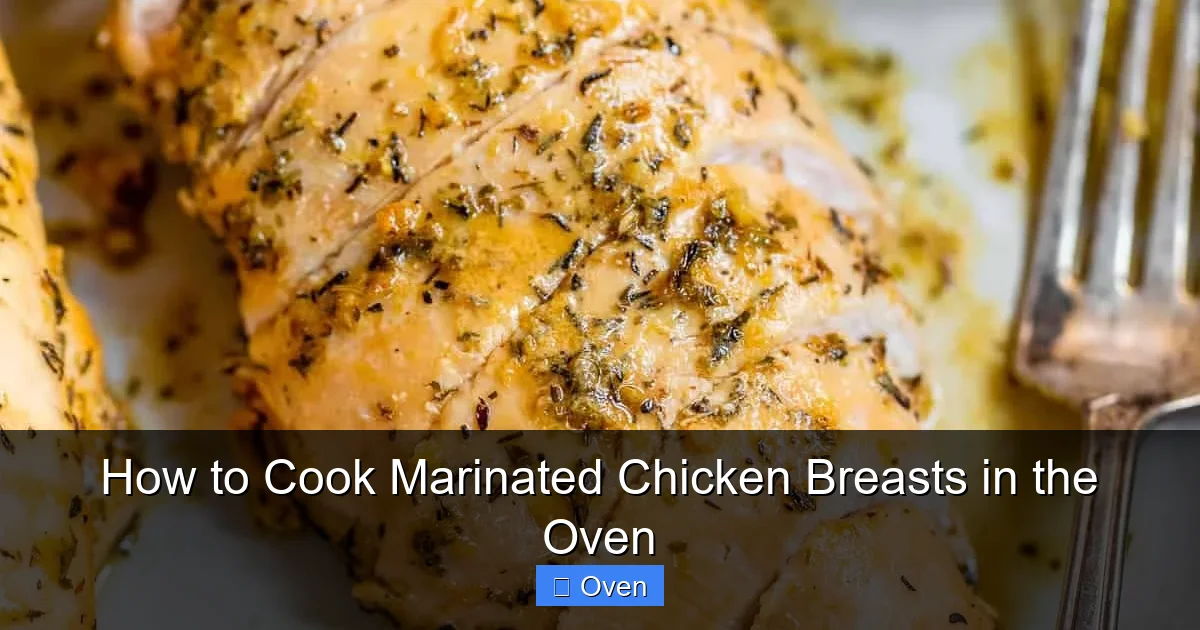
Cooking marinated chicken breasts in the oven is simple and delivers juicy, flavorful results every time. With the right technique and marinade, you can create restaurant-quality chicken at home with minimal effort.
Key Takeaways
- Proper marinating time: For best results, marinate chicken breasts for at least 30 minutes, but ideally 2-4 hours or overnight for maximum flavor absorption.
- Preheating is crucial: Always preheat your oven to ensure even cooking and proper searing of the chicken surface.
- Temperature control: Bake at 375-400°F for optimal results – high enough to brown but not so high that the chicken dries out.
- Don’t overcrowd: Give chicken breasts space in the baking dish for proper air circulation and even cooking.
- Use a meat thermometer: Chicken is safe to eat when internal temperature reaches 165°F, ensuring perfect doneness without drying.
- Rest before slicing: Let cooked chicken rest for 5-10 minutes to redistribute juices for maximum moisture and flavor.
📑 Table of Contents
Introduction to Marinated Oven Chicken
There’s nothing quite like the aroma of perfectly seasoned chicken roasting in the oven. Marinated chicken breasts are a versatile and delicious option for weeknight dinners, meal prep, or special occasions. The beauty of marinating chicken is that it infuses the meat with flavor while tenderizing it, ensuring juicy results every time.
Whether you’re a cooking novice or a seasoned home chef, learning how to cook marinated chicken breasts in the oven is a skill that will elevate your culinary repertoire. This guide will walk you through everything you need to know, from selecting the right cuts of chicken to creating flavorful marinades and achieving perfect oven temperature for that ideal sear and interior doneness.
Choosing the Right Chicken
The foundation of great marinated chicken breasts starts with quality ingredients. Not all chicken is created equal, and making the right choice at the grocery store can make a significant difference in your final dish.
Understanding Chicken Breast Cuts
When shopping for chicken breasts, you’ll typically find two main options: boneless, skinless chicken breasts and split chicken breasts (which include the bone and sometimes skin). For marinated chicken breasts in the oven, boneless, skinless cuts work best as they absorb marinade more evenly and cook more quickly.
Look for chicken breasts that are uniform in thickness for more consistent cooking. If you find breasts that vary in thickness, you can pound them to an even thickness using a meat mallet. This helps prevent thin areas from drying out while thicker parts cook through.
Fresh vs. Frozen
While fresh chicken is ideal, frozen chicken can work well too if properly thawed. When using frozen chicken, thaw it completely in the refrigerator overnight before marinating. Never marinate frozen chicken as the marinade won’t penetrate properly, and never refreeze previously frozen chicken for food safety reasons.
When purchasing fresh chicken, look for meat that is pink, not gray or dull, with no unpleasant odor. The packaging should be intact without excessive liquid, which can indicate improper storage or that the chicken is nearing its expiration date.
Creating Flavorful Marinades
The marinade is what transforms ordinary chicken breasts into something extraordinary. A good marinade typically contains three essential components: acid, oil, and seasonings. The acid helps tenderize the meat, the oil keeps it moist, and the seasonings provide flavor.
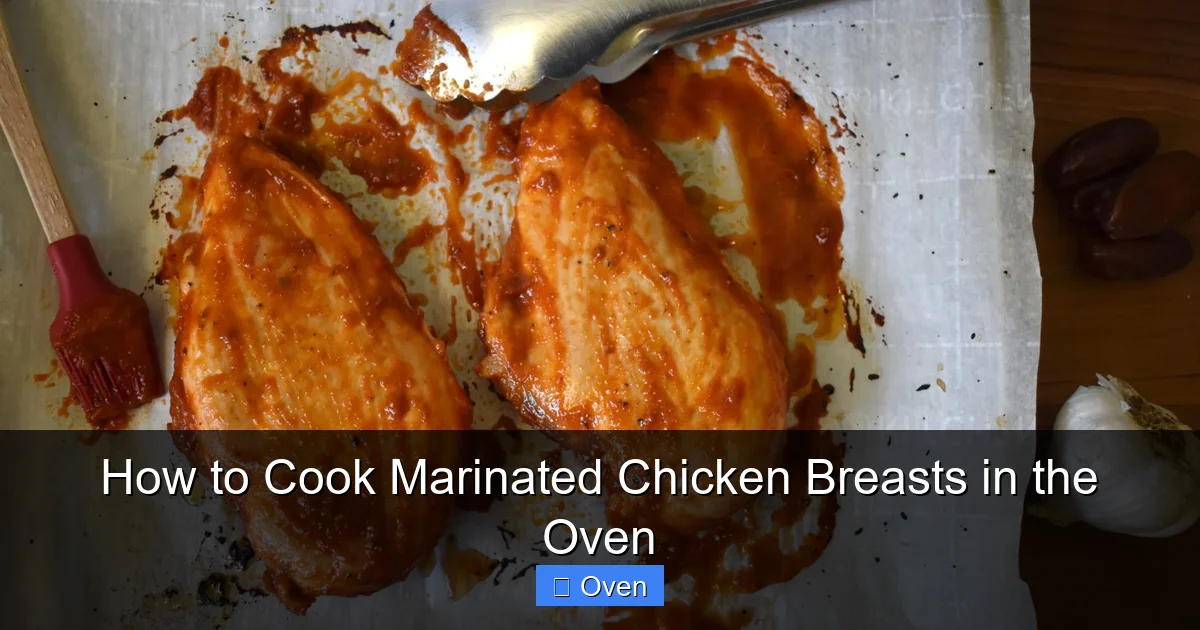
Visual guide about How to Cook Marinated Chicken Breasts in the Oven
Image source: recipes.net
Acid Components
Common acidic ingredients used in marinades include:
- Lemon juice or lime juice
- Vinegar (balsamic, red wine, apple cider, rice vinegar)
- Yogurt or buttermilk
- Wine or beer
These acidic components break down proteins in the chicken, making it more tender while allowing flavors to penetrate deeper into the meat.
Oil Components
Healthy fats help carry flavors and keep the chicken moist during cooking. Good options include:
- Olive oil (extra virgin for salads, regular for cooking)
- Avocado oil
- Sesame oil
- Coconut oil
When combining acid and oil, remember that oil and water don’t naturally mix. To create a stable emulsion, you can whisk vigorously or add an emulsifier like mustard or mayonnaise to your marinade.
Seasoning Components
This is where you can get creative with flavors. Consider including:
- Herbs (fresh or dried): rosemary, thyme, oregano, basil, parsley
- Spices: garlic powder, onion powder, paprika, cayenne pepper, black pepper
- Aromatics: fresh garlic, ginger, shallots, onions
- Sweeteners: honey, brown sugar, maple syrup
- Salty elements: soy sauce, Worcestershire sauce, salt
Sample Marinade Recipes
Here are a few tried-and-true marinade recipes to get you started:
Classic Herb Marinade
- 1/4 cup olive oil
- 3 tablespoons lemon juice
- 2 cloves garlic, minced
- 1 teaspoon dried oregano
- 1 teaspoon dried thyme
- 1/2 teaspoon black pepper
- 1/2 teaspoon salt
Asian-inspired Marinade
- 1/4 cup soy sauce
- 2 tablespoons sesame oil
- 1 tablespoon rice vinegar
- 1 tablespoon honey
- 2 cloves garlic, minced
- 1 teaspoon fresh ginger, grated
- 1/2 teaspoon red pepper flakes (optional)
Spicy BBQ Marinade
- 1/2 cup BBQ sauce
- 1/4 cup apple cider vinegar
- 2 tablespoons olive oil
- 1 tablespoon Worcestershire sauce
- 1 teaspoon smoked paprika
- 1/2 teaspoon cayenne pepper
- 1 teaspoon brown sugar
Marinating Techniques
Proper marinating is essential for flavorful chicken. Follow these techniques for best results:
Marinating Time Guidelines
Chicken breasts benefit from marinating, but there’s such a thing as too much time. Here are some general guidelines:
- Minimum: 30 minutes for light flavor
- Optimal: 2-4 hours for good flavor penetration
- Maximum: 8-12 hours (or overnight) for intense flavor
Marinating for more than 12 hours isn’t recommended as the acid in the marinade can start to break down the texture of the chicken, making it mushy rather than tender.
Marinating Methods
There are several effective ways to marinate chicken:
Zip-top Bag Method
This is often the most convenient method. Place the chicken in a zip-top bag, add the marinade, squeeze out excess air, seal, and massage the bag to ensure the chicken is well-coated. Place the bag in a shallow dish in case of leaks and refrigerate.
Marinating Dish Method
Use a glass or non-reactive metal dish (avoid aluminum, which can react with acidic marinades). Place the chicken in the dish and pour the marinade over it, turning to coat all sides. Cover with plastic wrap or a lid and refrigerate.
Vacuum Sealing Method
If you have a vacuum sealer, this is an excellent option for marinating. The vacuum process helps the marinade penetrate more deeply into the chicken. Simply place the chicken and marinade in a vacuum bag, seal, and refrigerate.
Marinating Tips
- Always marinate chicken in the refrigerator, never at room temperature
- Turn the chicken occasionally during marinating for even coverage
- If using a marinade containing citrus or vinegar, limit marinating time to prevent the acid from “cooking” the chicken surface
- For stronger flavors, pierce the chicken several times with a fork before marinating
- Reserve some marinade before adding raw chicken if you plan to use it as a sauce
Oven Cooking Methods
Once your chicken is properly marinated, it’s time to cook it in the oven. The right technique will ensure juicy, flavorful results with a nicely browned exterior.
Preparation Before Cooking
Before putting the chicken in the oven, follow these steps:
- Remove chicken from the refrigerator about 20-30 minutes before cooking to take the chill off
- Preheat your oven to 375-400°F (190-200°C)
- Line a baking sheet with parchment paper or foil for easy cleanup
- Place a wire rack on the baking sheet if you want air to circulate around the chicken for more even cooking
- Pat the chicken dry with paper towels for better browning
- Season lightly with salt and pepper if desired
Basic Oven-Baking Method
This is the simplest method for cooking marinated chicken breasts:
- Place the marinated chicken breasts on a prepared baking sheet
- Bake at 375°F (190°C) for 20-30 minutes
- Flip the chicken halfway through cooking
- Check for doneness using a meat thermometer
- Let rest before serving
High-Heat Method for Better Browning
If you prefer a more browned exterior with juicy interior:
- Preheat oven to 400-425°F (200-220°C)
- Place marinated chicken on a baking sheet or in a baking dish
- Bake for 15-20 minutes
- Reduce temperature to 375°F (190°C) and continue cooking until done
- Check internal temperature and rest before serving
Using a Convection Oven
Convection ovens circulate hot air for faster, more even cooking. When using a convection oven:
- Reduce the temperature by 25°F compared to a conventional oven
- Check for doneness 5-10 minutes earlier than the recipe suggests
- Use a shallow pan to allow air circulation
Checking for Doneness
The most reliable way to check if chicken is done is by using a meat thermometer. Insert it into the thickest part of the breast without touching bone. The chicken is safe to eat when the internal temperature reaches 165°F (74°C).
Other indicators of doneness include:
- Juices should run clear when pierced, not pink
- The meat should be white throughout with no pink areas
- Firm to the touch but still slightly springy
Remember that the temperature will continue to rise by about 5°F after removing from the oven, so pull it out when it reaches 160-162°F (71-72°C) for perfectly cooked chicken.
Serving and Storage
Proper serving and storage techniques will help you enjoy your marinated chicken breasts at their best and prevent food waste.
Resting the Chicken
After removing the chicken from the oven, let it rest for 5-10 minutes before slicing or serving. This allows the juices to redistribute throughout the meat, resulting in moister chicken. Tent the chicken loosely with foil during resting to keep it warm.
Serving Suggestions
Marinated oven chicken breasts are incredibly versatile and pair well with numerous side dishes:
- With roasted vegetables like broccoli, carrots, or potatoes
- Over rice, quinoa, or couscous
- In salads or grain bowls
- With pasta or in wraps
- As a protein for sandwiches or tacos
If you’re looking for other ways to prepare chicken, you might also enjoy learning how to cook chicken breast tenders in the air fryer for a crispy result. Cooking chicken tenders in the air fryer provides a great alternative to oven-baked methods with excellent texture and flavor.
Storage Guidelines
To store leftover marinated chicken:
- Cool completely before refrigerating
- Store in an airtight container in the refrigerator for up to 4 days
- For longer storage, freeze for up to 3 months
- When reheating, warm gently in the oven at 300°F (150°C) to prevent drying
If you need to reheat leftover chicken, check out our guide on how to properly reheat chicken to maintain moisture and flavor. The same principles apply to reheating marinated chicken breasts.
Meal Prep Ideas
Cooked marinated chicken breasts are perfect for meal prep:
- Portion into meal prep containers with vegetables and grains
- Slice for salads and wraps
- Shred for sandwiches, tacos, or casseroles
- Freeze individual portions for quick future meals
Troubleshooting Common Issues
Even with the best intentions, sometimes things don’t go perfectly. Here are solutions to common problems when cooking marinated chicken breasts in the oven:
Chicken is Dry
If your chicken turns out dry, consider these solutions for next time:
- Reduce cooking temperature slightly to 350-375°F (175-190°C)
- Check doneness earlier to prevent overcooking
- Use a meat thermometer for accuracy
- Try brining the chicken before marinating for extra moisture
- Choose marinades with oil content to help retain moisture
Chicken is Undercooked
To ensure chicken is fully cooked:
- Always use a meat thermometer
- Check the thickest part of the breast
- If undercooked, return to oven at 350°F (175°C) until internal temperature reaches 165°F (74°C)
- Cover with foil if browning too quickly
Uneven Cooking
If parts of your chicken are cooked while others remain raw:
- Pound chicken to uniform thickness before marinating
- Arrange chicken in a single layer without overlapping
- Turn halfway through cooking
- Use an oven thermometer to verify accurate temperature
Marinade Didn’t Penetrate Well
For better flavor absorption:
- Extend marinating time (up to 8 hours)
- Pierce chicken with fork before marinating
- Use acidic marinades like those containing citrus or vinegar
- Massage marinade into chicken periodically during marinating
Alternative Cooking Methods
While the oven is a fantastic way to cook marinated chicken breasts, there are other methods you might consider depending on your preferences and available equipment:
Grilling Marinated Chicken
Grilling adds a wonderful smoky flavor to marinated chicken. Preheat your grill to medium-high heat (around 400°F). Grill chicken for 6-8 minutes per side, depending on thickness, until internal temperature reaches 165°F.
Stovetop Method
For a quicker cooking time, you can pan-sear marinated chicken breasts. Heat a tablespoon of oil in a skillet over medium-high heat. Cook for 5-7 minutes per side until golden brown and cooked through.
Air Fryer Method
If you’re interested in alternative cooking methods, cooking chicken in an air fryer is another excellent option. Air fryers cook chicken quickly while creating a crispy exterior. Preheat the air fryer to 375°F, place the marinated chicken in the basket, and cook for 15-20 minutes, flipping halfway through.
Slow Cooker Method
For a hands-off approach, try cooking marinated chicken in a slow cooker. Place chicken in the slow cooker and cook on low for 4-6 hours or on high for 2-3 hours, until internal temperature reaches 165°F.
Conclusion
Cooking marinated chicken breasts in the oven is a simple yet powerful technique that delivers consistently delicious results. By choosing quality chicken, creating flavorful marinades, and following proper marinating and cooking techniques, you can transform ordinary chicken into something extraordinary.
The versatility of this cooking method makes it perfect for busy weeknights, meal prep, or entertaining guests. With the tips and recipes in this guide, you’ll be well-equipped to create juicy, flavorful marinated chicken that will become a go-to in your recipe rotation.
Experiment with different marinade combinations and cooking methods to find what works best for your taste preferences and schedule. Remember that practice makes perfect, and before long, you’ll be cooking marinated chicken breasts in the oven like a pro.
Frequently Asked Questions
How long should I marinate chicken breasts?
For optimal flavor and tenderness, marinate chicken breasts for at least 30 minutes, though 2-4 hours is ideal. Avoid marinating for more than 12 hours as the acid can start to break down the texture.
What temperature should I cook marinated chicken breasts?
Preheat your oven to 375-400°F (190-200°C) for best results. This temperature range ensures the chicken cooks through while developing a nicely browned exterior.
How do I know when chicken breasts are fully cooked?
The most reliable method is using a meat thermometer. Chicken is safe to eat when the internal temperature reaches 165°F (74°C) in the thickest part of the breast.
Can I use the leftover marinade as a sauce?
Only if you set aside some marinade before adding the raw chicken. Never reuse marinade that has touched raw chicken without thoroughly boiling it first for at least 1 minute to kill any bacteria.
Should I cover chicken breasts while baking?
It’s generally not necessary to cover chicken breasts while baking as you want the surface to brown. However, if you notice the top browning too quickly, you can loosely tent with foil.
Can I cook frozen marinated chicken breasts?
It’s best to thaw chicken completely before marinating and cooking. If you must cook from frozen, increase cooking time by 50% and check internal temperature reaches 165°F (74°C).