How to Bake Salmon with Skin in the Oven

Learn how to bake salmon with skin in the oven—an easy, fool‑proof method that keeps the fish moist and the skin delightfully crisp. From prep tricks to seasoning ideas, this guide turns any home cook into a salmon pro.
Key Takeaways
- Prep first: Pat the skin dry and score it to prevent curling.
- Temperature matters: Bake at 400°F for even cooking and a golden skin.
- Seasoning combo: Salt, pepper, lemon, and herbs create depth.
- Check doneness: Use a fork or thermometer—145°F is safe.
- Pair smart: Complement with rice, veggies, or a bright salad.
- Leftovers work: Flake and toss into wraps or salads.
- Clean up easy: Line the pan with parchment to save time.
📑 Table of Contents
Introduction
Salmon is a pantry staple that can feel intimidating when you’re trying to cook it perfectly. The trick? Keeping the skin crispy while the flesh stays buttery and moist. Baking salmon with skin in the oven is the simplest way to achieve that contrast, and it requires almost no hands‑on time. In this guide, I’ll walk you through every step—from choosing the right fillet to plating a show‑stopper dinner.
Choosing the Right Fillet
Fresh vs. Frozen
Fresh salmon has a bright, pink flesh and a mild scent. Frozen cuts are convenient and often cheaper, but thawing is essential. Let it sit in the fridge overnight or run cold water over the package for a quick defrost.

Visual guide about How to Bake Salmon with Skin in the Oven
Image source: i.pinimg.com
Thickness Matters
Fillets 1‑1.5 inches thick bake evenly. If your cut is thinner, reduce the time by 1–2 minutes. Thicker pieces might need a slightly lower temperature (375°F) to avoid burning the skin.
Skin Check
Ask your fishmonger for skin‑on fillets. The skin should feel firm and have a slight sheen. A wrinkled or discolored skin indicates older fish.
Preparation Steps
Pat Dry for Crispy Skin
Use paper towels to blot the skin. Moisture is the enemy of crispness. A dry skin will brown nicely, while a wet one will steam.
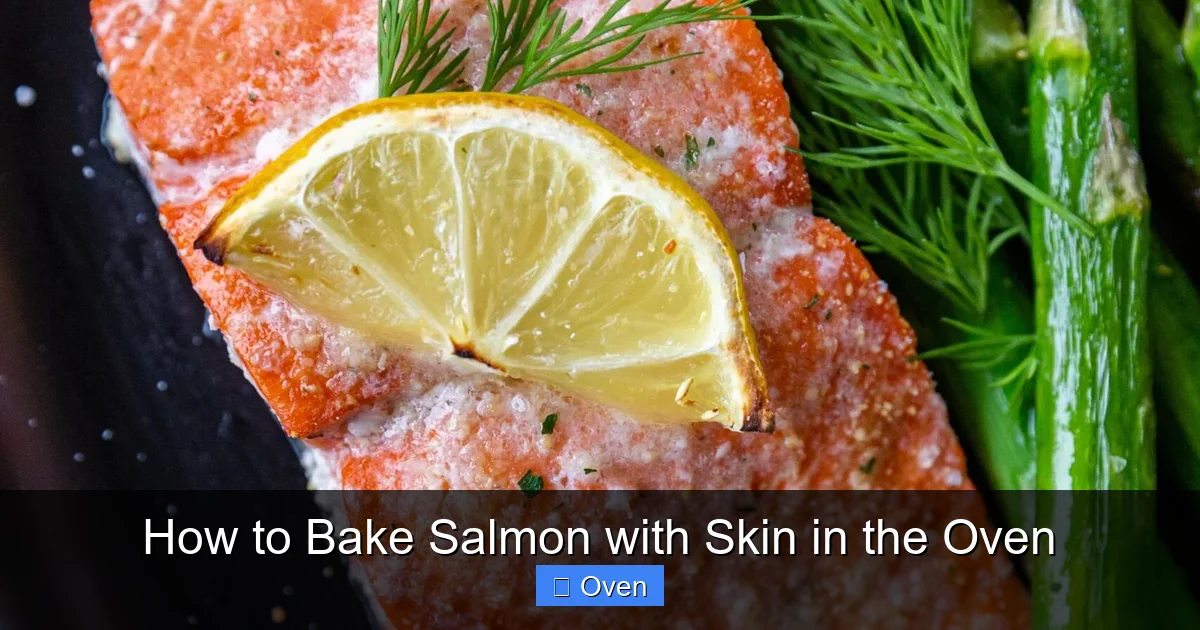
Visual guide about How to Bake Salmon with Skin in the Oven
Image source: cdn.momsdish.com
Score the Skin
With a sharp knife, make shallow cuts 1/4 inch apart across the skin. Avoid slicing the flesh. This step prevents the skin from curling during baking.
Seasoning Basics
Simple seasoning goes a long way. Combine:
- 1 tsp salt
- ½ tsp black pepper
- 1 tbsp olive oil or melted butter
- Lemon zest or a few lemon slices on top
- Fresh herbs (dill, parsley, or thyme)
Rub the mixture over the skin side, then sprinkle the herbs on top.
Cooking Method
Preheat the Oven
Set your oven to 400°F (200°C). This temperature ensures a quick sear on the skin while the interior cooks gently.
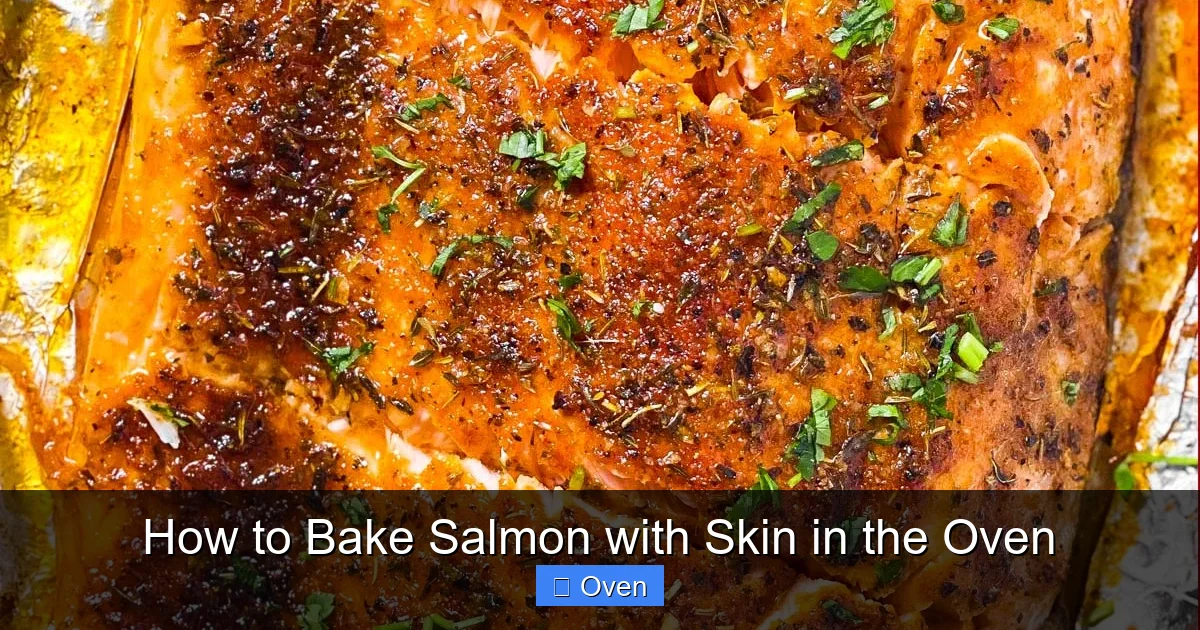
Visual guide about How to Bake Salmon with Skin in the Oven
Image source: savorynothings.com
Use the Right Baking Sheet
A rimmed baking sheet lined with parchment paper or aluminum foil makes cleanup a breeze. Place the fillet skin side up.
Bake Time
Cook for 12–15 minutes, depending on thickness. A quick test: insert a fork into the thickest part; the flesh should be opaque and flake easily. If you have a digital thermometer, aim for 145°F.
Optional Broil Finish
For extra crispness, switch to broil for 1–2 minutes at the end. Watch closely—skin can burn quickly.
Serving Ideas
Classic Pairings
- Brown rice for a nutty base.
- A squeeze of fresh lemon over the salmon brightens the dish.
- Steamed or roasted veggies add color and nutrition.
Quick Side: Sticky Rice
If you want a comforting side, try sticky rice in your rice cooker. The sticky texture pairs wonderfully with the flaky salmon.
Salad Twist
Top a bed of mixed greens with the baked salmon, drizzle with a vinaigrette, and sprinkle feta for a Mediterranean vibe.
Leftover Hacks
Flaked salmon is a great addition to salads, tacos, or even a breakfast scramble. Store leftovers in an airtight container in the fridge for up to 2 days.
Common Mistakes & How to Avoid Them
- Not drying the skin – leads to soggy texture.
- Over‑seasoning – overpower the delicate fish.
- Leaving the salmon too long – dries out the flesh.
- Skipping the score – results in curling skin.
Conclusion
Baking salmon with skin in the oven is a quick, fool‑proof method that delivers a restaurant‑style result. With a few simple steps—drying, scoring, seasoning, and baking—you’ll master the perfect balance of crispy skin and tender fish. Pair it with your favorite rice or veggies, and you’ve got a wholesome, impressive meal.
Frequently Asked Questions
Can I use a different oven temperature?
Yes. 375°F works for thicker fillets, while 425°F will cook thinner cuts faster. Just keep an eye on the skin to avoid burning.
What if the salmon skin doesn’t get crispy?
Make sure the skin is dry and score it. If it still stays soggy, try broiling for the last minute.
Can I bake salmon with skin on a foil sheet?
Absolutely. Foil helps the skin stay crisp and makes cleanup easier.
Should I marinate the salmon?
A quick 15‑minute marinate with soy sauce, garlic, and ginger adds depth, but it’s optional.
How do I know when the salmon is done?
Use a fork to test flakiness or a thermometer reading 145°F for safe consumption.
What’s a good side dish for baked salmon?
Steamed asparagus, quinoa, or a fresh cucumber salad work beautifully with baked salmon.