How to Cook Frozen Flounder Fillets in the Oven
Discover the easiest way to bake frozen flounder fillets in the oven. From thawing tricks to seasoning blends, this guide covers every step to achieve a tender, flaky fish that’s ready in under 30 minutes.
Key Takeaways
- Quick Prep: No thawing needed—just rinse, pat dry, and season.
- Perfect Temperature: Bake at 400°F for even cooking and a golden crust.
- Seasoning Flexibility: Use herbs, citrus, or a breadcrumb crust for varied flavors.
- Pairings: Serve with roasted veggies, rice, or a fresh salad for a balanced plate.
- Safety Tip: Check internal temp at 145°F to ensure fish is fully cooked.
- Time Saver: Prep all seasonings ahead; the fillets cook in 12–15 minutes.
- Leftovers: Store in an airtight container for up to 2 days; reheat gently.
📑 Table of Contents
Introduction
Nothing beats the convenience of frozen fish, especially when you’re craving a healthy dinner but have limited time. Flounder is a mild‑flavored, white‑meat fish that cooks quickly and pairs well with a wide range of seasonings. Baking it in the oven is a fool‑proof method that keeps the fillets moist and delivers a slightly crispy edge—perfect for busy evenings or last‑minute meal prep.
In this guide, I’ll walk you through every step—from choosing the right fillets to plating the final dish. Whether you’re a seasoned cook or a kitchen newbie, these tips will help you master the art of oven‑baked frozen flounder fillets.
Why Oven‑Baked Frozen Flounder Is a Game Changer
Convenience at Its Best
Frozen fillets arrive already cleaned and portioned, so you can skip the prep that usually takes up a chunk of your cooking time. No need to thaw overnight or spend minutes filleting and gutting. Just grab them from the freezer, and you’re ready to season.
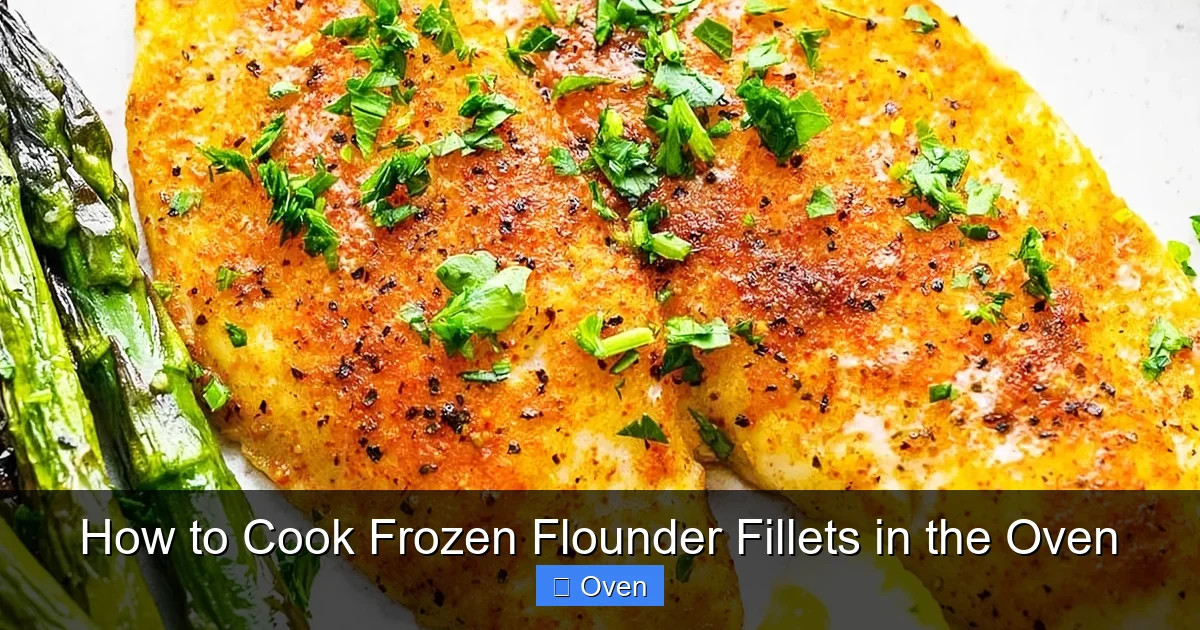
Visual guide about How to Cook Frozen Flounder Fillets in the Oven
Image source: recipes.net
Nutrition You Can Count On
Flounder is low in calories, high in protein, and packed with omega‑3 fatty acids. Baking keeps the fat content minimal—especially if you keep the skin on and trim excess fat before cooking.
Versatile Flavor Platform
Because flounder has a subtle taste, it absorbs seasonings beautifully. From lemon‑garlic to Mexican‑style taco seasoning, the possibilities are endless. In fact, you can even adapt the recipe for a quick lunch by adding a side of rice or quinoa.
Choosing the Right Fillets
Look for Fresh‑Frozen
Buy fillets that are labeled “fresh‑frozen” rather than “pre‑seasoned” if you want full control over flavors. Fresh‑frozen fillets retain more natural moisture and are less likely to be over‑cooked during storage.
Check for Proper Packaging
Sealed, vacuum‑packed fillets usually stay fresher longer. Avoid packages with water sloshing around—this can indicate thaw‑freeze cycles.
Size Matters
Standard fillets are around 6–8 ounces. Thicker cuts require a few extra minutes, while thinner pieces finish faster. Keep this in mind when setting your oven timer.
Pre‑Cooking Prep: No Thawing Needed
Rinse and Dry
Give the fillets a quick rinse under cold water to remove any ice crystals. Pat them dry with paper towels—dry fillets cook more evenly.
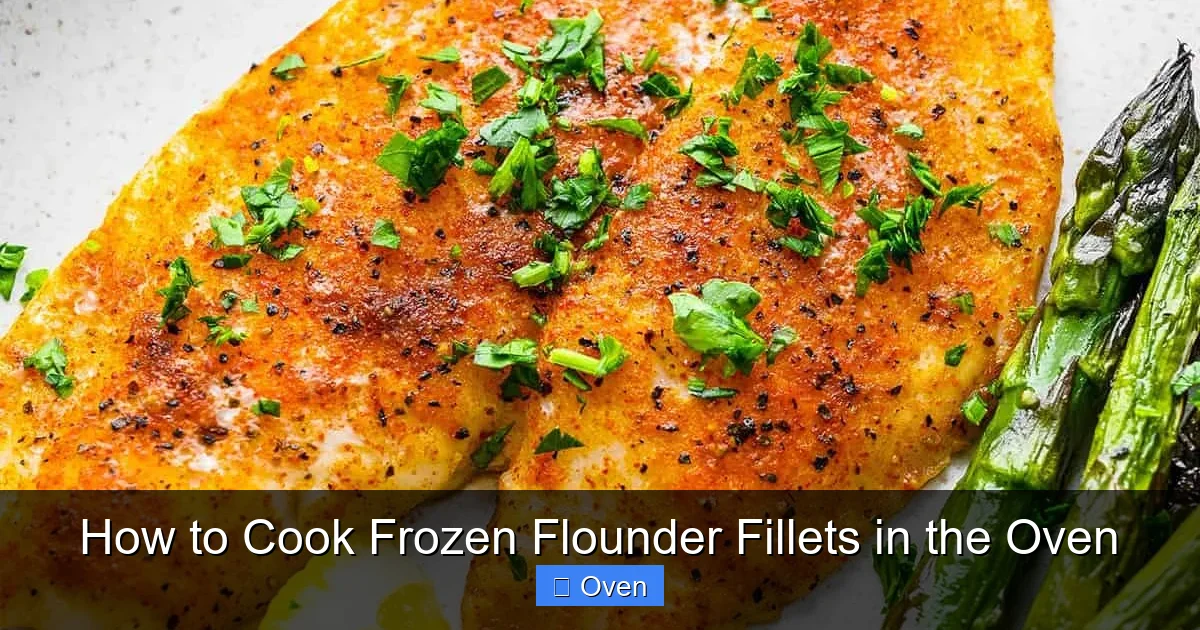
Visual guide about How to Cook Frozen Flounder Fillets in the Oven
Image source: wholesomeyum.com
Seasoning Options
Here are three easy seasoning blends you can try:
- Classic Lemon‑Herb: 1 tbsp olive oil, zest of one lemon, 1 tsp dried thyme, 1 tsp dried parsley, salt, pepper.
- Spicy Cajun: 1 tbsp olive oil, 1 tsp paprika, ½ tsp cayenne, ½ tsp garlic powder, ½ tsp onion powder, salt, pepper.
- Breadcrumb Crunch: 1 tbsp butter, 1 cup panko breadcrumbs, 1 tbsp grated Parmesan, 1 tsp dried oregano.
Simply rub the oil or butter onto the fillets, then sprinkle your chosen blend. If you’re in a hurry, a pinch of salt and pepper will do the trick.
Oven Settings for Perfect Results
Preheat the Oven
Set your oven to 400°F (200°C). This temperature cooks the fish quickly while creating a slight crust on the surface.
Use the Right Baking Sheet
A rimmed baking sheet lined with parchment paper or a silicone mat prevents sticking and makes cleanup a breeze.
Cooking Time
Place the fillets on the sheet and bake for 12–15 minutes. A good rule of thumb is 4 minutes per half‑inch of thickness. For thicker fillets, add a couple more minutes.
Check for Doneness
Use a fork to test the thickest part. The flesh should be opaque and flake easily. If you have a food thermometer, aim for 145°F (63°C).
Creative Pairings and Serving Ideas
Side Dish Suggestions
- Roasted Vegetables: Toss broccoli, bell peppers, and carrots in olive oil, salt, and pepper; roast at 400°F for 20 minutes.
- Herb Rice: Cook jasmine or brown rice with a bay leaf and a splash of lemon juice.
- Fresh Salad: Mix arugula, cherry tomatoes, and a light vinaigrette for a crisp contrast.
Plating Tips
Place the fillet in the center, drizzle any pan juices over it, and garnish with fresh herbs or a wedge of lemon. A simple splash of olive oil adds shine.
Time‑Saving Hacks for Busy Nights
Batch Seasoning
Prepare your seasoning mix in advance and store it in a small container. This saves minutes when you’re ready to cook.
Use a Food Processor
To create a breadcrumb crust quickly, pulse panko, Parmesan, and herbs together. Spread on the fillets before baking.
Pre‑Cooked Veggies
Keep frozen mixed vegetables in the freezer. Toss them in olive oil and seasonings, then roast alongside the fish.
Storing and Reheating Leftovers
Cool the fillets to room temperature, then store in an airtight container in the fridge for up to 2 days. To reheat, place in a 350°F oven for 5–7 minutes or microwave on low for 1 minute, checking frequently.
Conclusion
Cooking frozen flounder fillets in the oven is a straightforward, reliable way to enjoy a healthy, flavorful meal without the fuss. By following these simple steps—rinsing, seasoning, baking at 400°F, and pairing with complementary sides—you’ll always have a tasty dinner ready in under 30 minutes. Now that you know the basics, feel free to experiment with different seasoning blends and sides to keep dinner exciting. Happy cooking!
Frequently Asked Questions
Can I bake frozen flounder fillets in a convection oven?
Yes! Convection ovens circulate hot air, so you might need to reduce the temperature by about 25°F and shorten the cooking time by a few minutes.
Do I need to thaw the fillets before baking?
No, frozen fillets can go straight into the oven. Just rinse and dry them first.
What if my fillets are very thin?
Thin fillets will cook in 8–10 minutes. Keep an eye on them to avoid overcooking.
Can I use fresh flounder instead of frozen?
Absolutely. Fresh fillets require slightly less time—about 10–12 minutes at 400°F.
Is it safe to cook fish at 400°F?
Yes. 400°F is a common baking temperature that cooks fish evenly while keeping the interior moist.
How can I make the fillets extra crispy?
After seasoning, coat the fillets lightly with panko breadcrumbs before baking. The breadcrumbs will crisp up, giving a delightful texture.