How to Cook Salmon Fillet in Oven with Skin

Master the perfect oven‑baked salmon fillet with crisp skin in just minutes. This step‑by‑step guide shows you how to season, lay out the fillet skin‑side down, and bake at the ideal temperature for juicy, flaky results every time, while keeping the skin deliciously crunchy.
How to Cook Salmon Fillet in Oven with Skin
There’s something comforting about the smell of salmon roasting in the oven—rich, buttery, and just a hint of caramelized crispness from the skin. I still remember the first time I tried it: a simple family dinner that turned into a weekend tradition. The secret? Keeping the skin on and letting the oven do the work. In this post, I’ll walk you through everything you need to know to master how to cook salmon fillet in oven with skin, from selecting the perfect piece to plating it like a pro.
Whether you’re a busy professional looking for a quick weeknight meal or a weekend chef who loves to experiment, this guide will give you clear, step‑by‑step instructions. You’ll learn how to achieve that coveted crispy skin while keeping the flesh tender and flaky. Ready to turn an ordinary fillet into a restaurant‑quality dish? Let’s dive in.
Key Takeaways
- Preheat oven: Set to 400°F for even cooking.
- Season simply: Salt, pepper, and lemon juice enhance flavor.
- Skin-side down: Keeps flesh moist and crisp.
- Check doneness: Reach 145°F internal or flake easily.
- Rest before serving: Lets juices redistribute for tender fillets.
- Serve immediately: Pair with fresh herbs or a light sauce.
📑 Table of Contents
Choosing the Right Salmon Fillet
Fresh vs. Frozen
Both fresh and frozen salmon work, but they have different prep needs. Fresh fillets usually have a brighter color and firmer texture. If you opt for frozen, be sure to thaw slowly in the refrigerator overnight; this helps retain moisture and prevents the skin from becoming rubbery.
Skin On, Skin Good
The skin acts as a natural barrier, protecting the delicate flesh from over‑cooking. It also turns wonderfully crisp when baked at the right temperature. Look for fillets with the skin intact and a thin layer of fat—this fat renders into flavor.
Size and Thickness Matter
Standard fillets are about 1‑inch thick. Thicker cuts (1½‑2 inches) need a slightly longer cooking time, while thinner pieces can dry out quickly. Use a ruler or your finger to gauge thickness and adjust the oven time accordingly.
Preparing the Fillet for the Oven
Pat Dry for Crunchy Skin
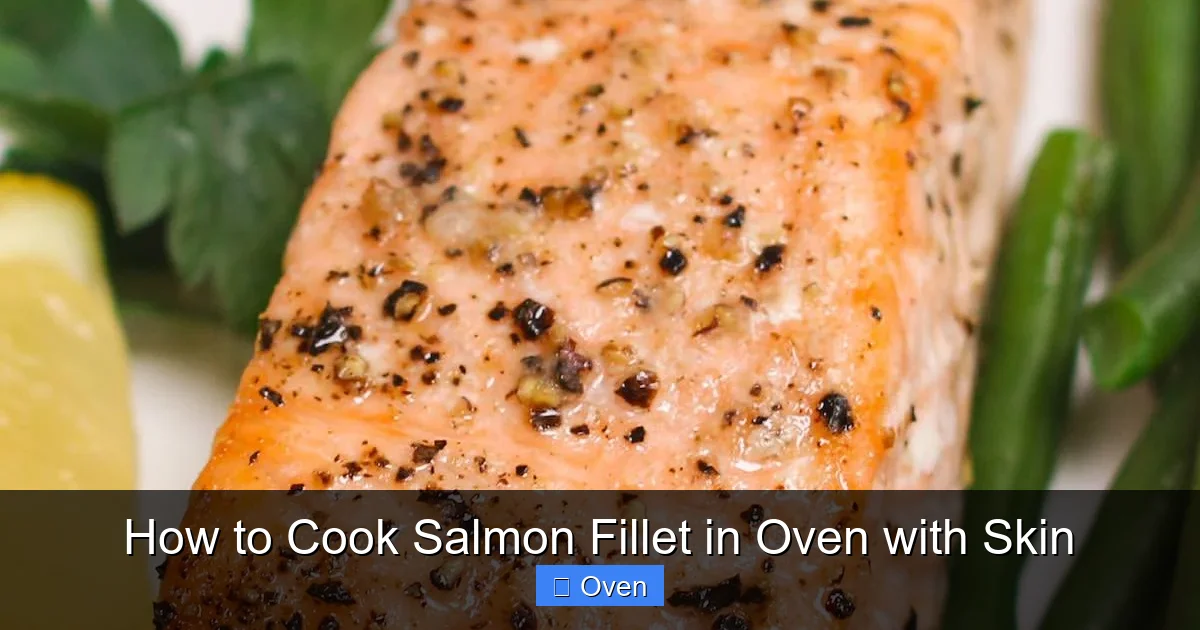
Moisture is the enemy of crispiness. Grab a paper towel and gently pat the skin side dry. This simple step can make the difference between soggy and perfectly crunchy.
Visual guide about How to Cook Salmon Fillet in Oven with Skin
Image source: tipbuzz.com
Seasoning Basics
Simple is often best. A drizzle of olive oil, a pinch of sea salt, and freshly cracked black pepper are all you need. For extra flavor, add a sprinkle of lemon zest, garlic powder, or fresh herbs like dill or thyme.
Optional Marinades
- Maple‑Soy Glaze: Mix equal parts maple syrup and soy sauce, add a dash of ginger, and brush on before baking.
- Honey‑Mustard: Combine honey, Dijon mustard, and a splash of apple cider vinegar for a sweet‑tangy coat.
Whatever you choose, keep the seasoning light on the skin side so it can crisp up nicely.
Cooking Techniques: Oven Settings and Times
Preheat to the Sweet Spot
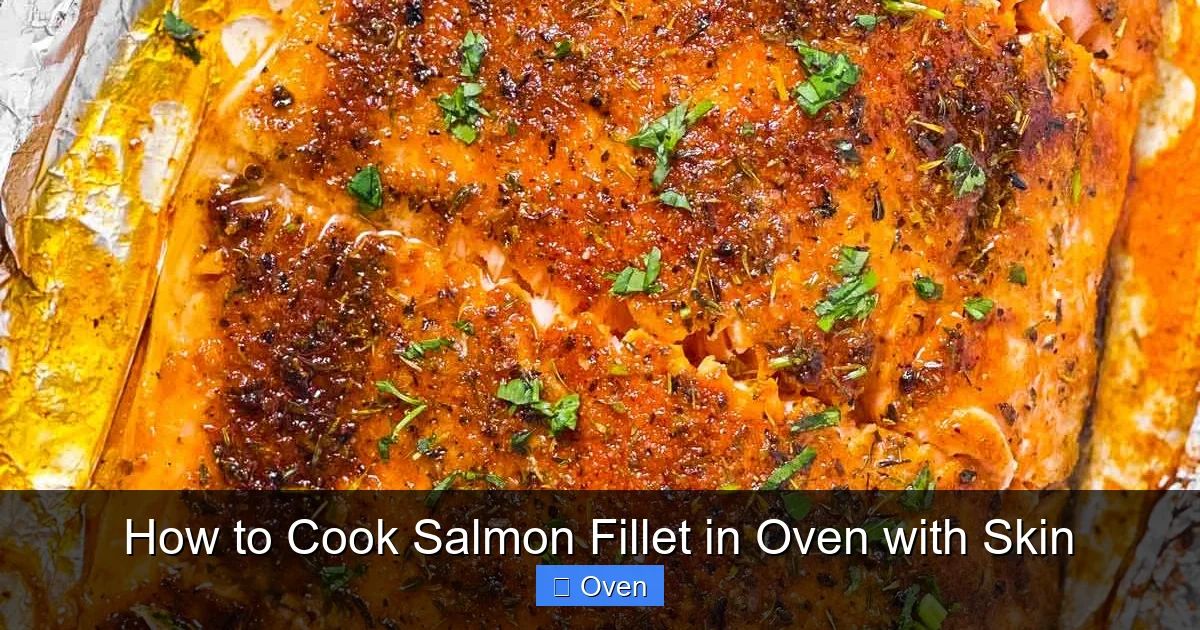
Most chefs recommend a hot oven—around 425°F (220°C). This temperature gives the skin a quick burst of heat, sealing in juices and creating that golden crust.
Visual guide about How to Cook Salmon Fillet in Oven with Skin
Image source: savorynothings.com
Direct Baking vs. Foil Pack
For the crispiest skin, place the fillet skin‑side down on a greased baking sheet or a cast‑iron skillet. If you prefer a more gentle bake, wrap the fillet loosely in foil, but note that the skin won’t get as crunchy.
Timing Guide
| Thickness | Oven Temp | Cooking Time |
|---|---|---|
| ½ inch | 425°F | 8‑10 minutes |
| 1 inch | 425°F | 12‑14 minutes |
| 1½ inch | 425°F | 16‑18 minutes |
Remember the 10‑minute rule: the fish is done when it flakes easily with a fork and the internal temperature reaches 145°F (63°C).
Finishing Touches
Once out of the oven, let the fillet rest for 2‑3 minutes. This allows the juices to redistribute and the skin to stay crisp. A squeeze of fresh lemon juice right before serving adds a bright finish.
Tips for Perfect Crispy Skin
Use a Hot, Oiled Surface
Heat a skillet in the oven for a few minutes before placing the salmon skin‑side down. A thin coating of oil prevents sticking and promotes browning.
Press Gently
After laying the fillet skin‑side down, press it gently with a spatula for 10 seconds. This eliminates air pockets and ensures even contact.
Avoid Overcrowding
Give each piece breathing room. If the pan is too crowded, steam will trap moisture and the skin won’t crisp.
Check Early
Start checking a couple of minutes before the recommended time. Ovens vary, and you don’t want to overcook the delicate flesh.
Serving Ideas and Pairings
Simple Side Dishes
- Roasted Asparagus: Toss with olive oil, salt, and lemon zest; roast alongside the salmon for 10 minutes.
- Quinoa Salad: Mix cooked quinoa with chopped cucumber, cherry tomatoes, and a light vinaigrette.
- Garlic Mashed Potatoes: Creamy potatoes balance the richness of the fish.
Flavor Boosters
A dollop of herb yogurt sauce (Greek yogurt, dill, lemon juice, and a pinch of salt) adds cool creaminess. For a more indulgent touch, drizzle a spoonful of brown butter over the fillet just before serving.
Wine Pairings
A crisp white wine such as Sauvignon Blanc or a light Pinot Noir complements the buttery flavor without overwhelming the delicate fish.
Common Mistakes & How to Fix Them
Skin Sticks to the Pan
If this happens, gently slide a thin spatula under the skin and lift it off. The meat will still be delicious, but you may need to crisp the skin separately under the broiler.
Dry or Overcooked Flesh
Overcooking is the biggest foe. Use a timer, check the internal temperature early, and remember that the fish continues to cook for a minute or two after you remove it from the oven.
Uneven Cooking
Rotate the pan halfway through the bake if your oven has hot spots. This ensures both sides receive equal heat.
Flavorless Skin
Season the skin side with a pinch of salt before baking. Salt draws out moisture, helping it become crispy and flavorful.
Conclusion
Cooking salmon fillet in oven with skin is a straightforward technique that yields impressive results. By selecting a good quality fillet, patting the skin dry, using a hot oven, and watching the clock, you’ll achieve a perfectly crisp skin and tender, flaky flesh every time. Pair it with simple sides, a splash of lemon, and perhaps a glass of white wine, and you have a meal that feels both elegant and comforting.
Now that you know how to cook salmon fillet in oven with skin, it’s time to fire up that oven and give it a try. Trust me—once you’ve tasted that golden crust, you’ll never go back to bland, skinless salmon again.
Looking for more oven tips? Check out our guide on the best pan to cook turkey in oven for selecting the perfect bakeware, or explore how long to cook salmon steak in an air fryer here. Happy cooking!
Frequently Asked Questions
How long should I cook salmon fillet in the oven with skin?
For a 1-inch thick salmon fillet with skin, bake at 400°F (200°C) for about 12–15 minutes. The skin should be crisp and golden, and the internal temperature should reach 125–130°F (52–54°C) for medium-rare to medium doneness.
Do I need to score the salmon skin before baking?
Yes, scoring the skin with shallow diagonal cuts helps prevent curling and allows heat and seasoning to penetrate evenly. Be careful not to cut into the flesh—just pierce the skin and a tiny bit of the fat layer.
How do I get crispy salmon skin when baking in the oven?
Start by patting the fillet very dry, then season the skin generously with salt and place it skin-side down on a rimmed baking sheet lined with parchment or a silicone mat. Bake at a high temperature (400–425°F) for the first 8–10 minutes to crisp the skin before checking for doneness.
What’s the best way to season salmon fillet with skin for oven baking?
Sprinkle the flesh side with salt, pepper, and optional herbs like dill or garlic powder, while the skin side gets a light coat of oil and coarse salt to enhance crispiness. Avoid heavy marinades on the skin, as they can steam it instead of crisping it.
Can I cook salmon fillet with skin in a regular oven without a broiler?
Absolutely! A standard oven works perfectly—just ensure it’s fully preheated and use a hot baking sheet or pan to help crisp the skin. For extra crispiness, place the fillet on the top rack during the last 2–3 minutes if needed, but watch closely to avoid overcooking.
How do I know when salmon fillet with skin is fully cooked?
Use a meat thermometer to check that the thickest part reaches 125–130°F for ideal tenderness, or gently flake the flesh with a fork—it should be opaque but still slightly translucent in the center. The skin should be golden, crisp, and easily separate from the flesh when sliced.