How Long to Bake Salmon at 350 in the Oven
Wondering how long to bake salmon at 350 in the oven? Generally, a 1‑inch fillet needs about 12‑15 minutes, while thicker portions may require 18‑20 minutes. Follow our simple guide for perfectly cooked salmon every time.
Key Takeaways
- Basic rule: 12‑15 minutes per inch of thickness at 350°F.
- Check doneness: Flesh should flake easily and reach 145°F internal temperature.
- Prep matters: Pat dry, season well, and use a parchment‑lined pan for easy cleanup.
- Cover or not: Tenting with foil keeps moisture; uncovering creates a crisp top.
- Rest time: Let salmon rest 3‑5 minutes before serving for juices to redistribute.
- Freezer tip: No‑thaw baked salmon is possible—just add a few extra minutes.
- Side pairings: Pair with roasted veggies, rice, or a fresh salad for a complete meal.
📑 Table of Contents
Introduction
Salmon is a kitchen superstar—rich in omega‑3s, quick to cook, and endlessly versatile. Yet, many home cooks still ask the same question: how long to bake salmon at 350 in the oven? The answer isn’t a one‑size‑fits‑all number; it depends on thickness, whether the fish is fresh or frozen, and the texture you crave.
In this friendly guide, I’ll walk you through everything you need to know—from the science of heat transfer to practical tips that turn a simple fillet into a restaurant‑quality plate. Grab a sheet pan, your favorite seasonings, and let’s demystify the perfect bake time.
Understanding the Basics of Baking Salmon at 350°F
Why 350°F?
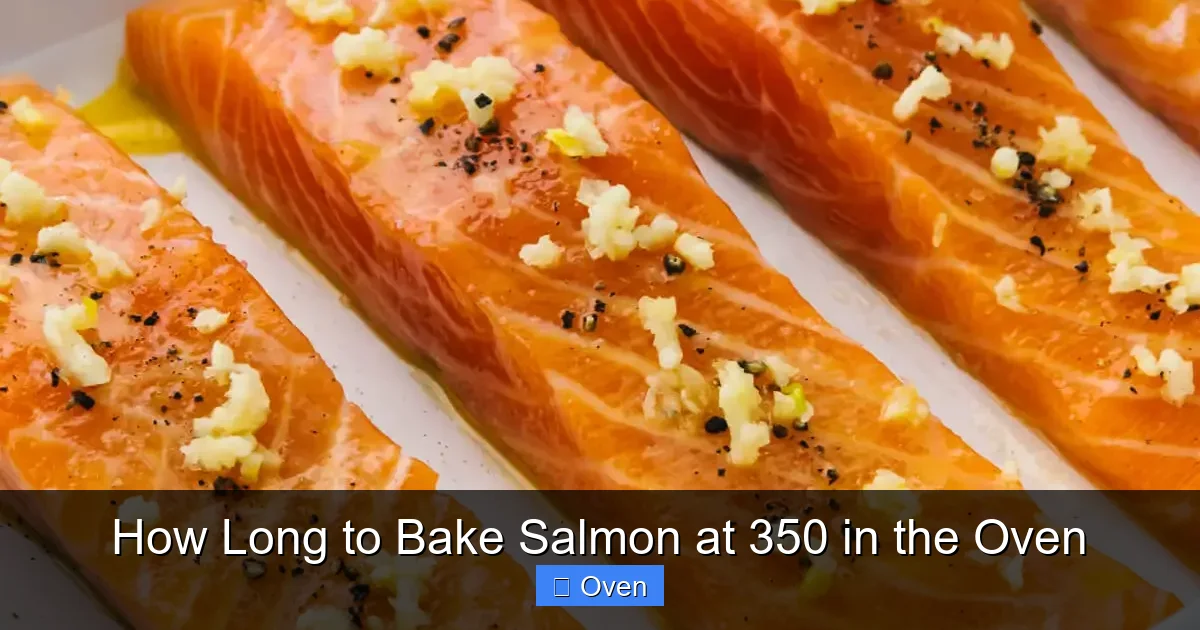
350°F is a moderate oven temperature that cooks salmon gently enough to stay moist but hot enough to develop a subtle crust. It’s the sweet spot for most home ovens, allowing the fish to finish evenly without drying out.
Visual guide about How Long to Bake Salmon at 350 in the Oven
Image source: i2.wp.com
The Role of Thickness
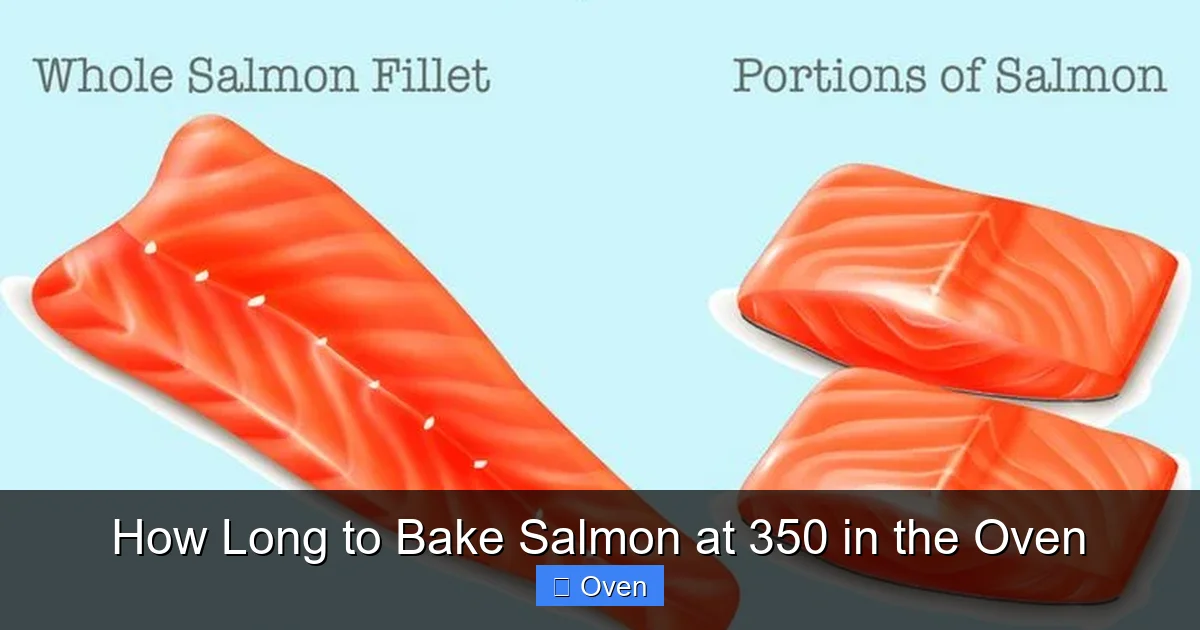
Thickness is the single biggest factor. A good rule of thumb is 12‑15 minutes per inch of fillet. Here’s a quick reference:
- 1‑inch thick: 12‑15 minutes
- 1½‑inch thick: 18‑20 minutes
- 2‑inch thick (salmon steak): 22‑25 minutes
If you’re unsure, simply measure the thickest part with a ruler before you start.
Fresh vs. Frozen
Fresh salmon needs the standard timing above. Frozen fillets can go straight to the oven, but add 3‑5 extra minutes and check for doneness a few minutes early.
Step‑by‑Step Guide to Baking Salmon at 350°F
1. Gather Your Tools
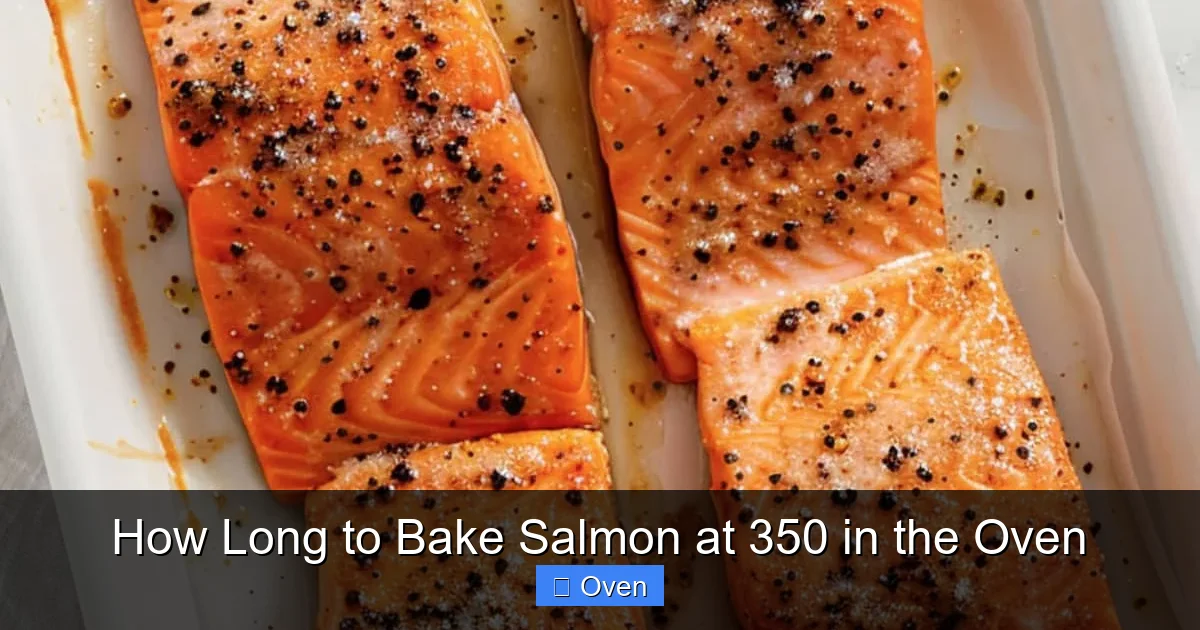
You’ll need a rimmed baking sheet, parchment paper or foil, a meat thermometer, and a brush for oil or melted butter.
Visual guide about How Long to Bake Salmon at 350 in the Oven
Image source: theforkbite.com
2. Prep the Fish
- Pat the salmon dry with paper towels.
- Brush lightly with olive oil or melted butter.
- Season with salt, pepper, and any aromatics you love—lemon zest, dill, garlic powder, or a pinch of smoked paprika.
3. Choose Your Cooking Vessel
Line the sheet with parchment for easy cleanup, or use a lightly greased glass dish. If you prefer a crisp top, place the fillet on a wire rack set over the sheet.
4. Bake
Slide the pan into the pre‑heated oven and set a timer based on thickness (see chart above). Resist the urge to open the door early; every peek lets heat escape.
5. Test for Doneness
Insert an instant‑read thermometer into the thickest spot. When it reads 145°F, the salmon is safe to eat. If you like it a shade less done, pull it out at 140°F; it will finish cooking during the rest period.
6. Rest and Serve
Let the fish rest 3‑5 minutes. This tiny pause lets juices settle, giving you a moist bite every time.
Tips & Tricks for Perfectly Baked Salmon
Use a Foil Tent for Moisture
Cover the fillet loosely with foil for the first half of cooking. This traps steam and prevents the top from drying out. Remove the foil halfway through to allow the surface to brown.
Visual guide about How Long to Bake Salmon at 350 in the Oven
Image source: tiredtexanbbq.com
Add a Flavor Boost
Top the salmon with a spoonful of herb butter (mix softened butter, chopped parsley, lemon juice, and a pinch of salt) during the last 5 minutes of baking.
Don’t Forget the Side Dishes
While the salmon bakes, roast a tray of carrots, asparagus, or sweet potatoes. For a quick carb, steam some jasmine rice in a rice cooker—check out our guide on how to make jasmine rice in the rice cooker for flawless results.
Cooking Salmon Steak in an Air Fryer?
If you’re curious about a faster method, our article on how long to cook salmon steak in air fryer shows you can get a crisp exterior in just 10 minutes at 400°F—great for a quick weeknight.
Make It a One‑Pan Meal
Place sliced lemon, thinly sliced onions, and a handful of cherry tomatoes around the fillet. They roast alongside the salmon, absorbing its juices and adding bright flavor.
Common Mistakes and How to Avoid Them
Overcooking
Leaving salmon in the oven past the recommended time makes it dry and tough. Use a thermometer and start checking a few minutes early.
Undersalting
Salmon has a naturally buttery flavor, but a pinch of salt enhances its taste and helps the crust form. Season both sides evenly.
Skipping the Rest
Skipping the 3‑5 minute rest can cause juices to spill out when you cut into the fillet, leaving a dry bite.
Variations: Different Flavors for Every Mood
Maple‑Soy Glazed Salmon
Mix 2 tbsp soy sauce, 1 tbsp maple syrup, 1 tsp minced garlic, and a dash of ginger. Brush over the fillet before baking for a sweet‑savory finish.
Herb‑Crusted Salmon
Combine breadcrumbs, chopped thyme, rosemary, and grated Parmesan. Press the mixture onto the fillet after brushing with mustard for a crunchy crust.
Spicy Cajun Salmon
Rub the fish with a blend of paprika, cayenne, garlic powder, and oregano. Serve with a squeeze of lime for a kick.
Conclusion
Baking salmon at 350°F is wonderfully forgiving once you understand the key variables: thickness, temperature, and timing. By following the simple 12‑15‑minute‑per‑inch rule, checking the internal temperature, and letting the fish rest, you’ll achieve flaky, juicy results every time. Pair it with your favorite sides, experiment with sauces, and you’ll have a go‑to dinner that’s both healthy and impressive. Happy baking!
Frequently Asked Questions
How can I tell if salmon is done without a thermometer?
When the flesh turns opaque and flakes easily with a fork, it’s usually done. The center should still be slightly pink but not translucent.
Can I bake salmon from frozen at 350°F?
Yes. Place the frozen fillet on a lined pan, add a few extra minutes (3‑5), and check that the internal temperature reaches 145°F.
Should I cover salmon with foil while it bakes?
Covering for the first half helps retain moisture. Remove the foil halfway through to let the top brown.
What’s the best side dish for baked salmon?
Roasted vegetables, a simple quinoa salad, or fluffy jasmine rice (see our rice cooker guide) complement salmon’s flavor beautifully.
Can I add a glaze at the end of baking?
Absolutely. Brush on a glaze—like honey‑mustard or maple‑soy—in the last 5 minutes for a glossy finish.
Is 350°F the only temperature I can use?
While 350°F is ideal for gentle, even cooking, you can bake at 400°F for a quicker, crispier result. Just reduce the time by about 3‑4 minutes.