How to Bake Marinated Salmon in the Oven
How To Bake Marinated Salmon In The Oven is an essential topic that provides valuable insights and practical knowledge for anyone interested in learning more about this subject.
How to Bake Marinated Salmon in the Oven
There’s something comforting about the smell of salmon cooking in the oven – it’s like a warm hug for your taste buds. I remember the first time I tried a simple soy‑ginger glaze on a fillet; the kitchen filled with sweet, salty aromas, and the fish turned out so flaky it practically melted on my fork. Since then, I’ve experimented with countless marinades, from citrus‑herb blends to spicy miso rubs, and each time the oven has been my trusty sidekick.
Whether you’re feeding a busy family, prepping meals for the week, or just treating yourself to a restaurant‑quality dinner at home, learning how to bake marinated salmon in the oven is a game‑changer. It’s quick, it’s hands‑off, and the results are consistently juicy and flavorful. In this guide, I’ll walk you through every step – from choosing the right cut of salmon to mastering the perfect bake time – so you can serve up a plate that looks as good as it tastes.
Key Takeaways
- Choose a balanced marinade: Combine acid, oil, and herbs for flavor and tenderness.
- Marinate properly: Refrigerate salmon 30 minutes to 2 hours; don’t exceed 24 hours.
- Preheat the oven: Set to 400°F (200°C) for optimal caramelization and moisture.
- Use a lined baking sheet: Prevent sticking and ensure easy cleanup.
- Cook to temperature: Remove salmon at 145°F (63°C) for perfectly flaky results.
- Rest before serving: Let salmon sit 3–5 minutes to retain juices.
- Pair with simple sides: Serve with roasted veggies or a fresh salad for a complete meal.
📑 Table of Contents
Choosing the Right Salmon and Preparing the Marinade
Fresh vs. Frozen: What Works Best?
Both fresh and frozen salmon can produce stellar results, but there are a few things to keep in mind:
- Fresh salmon offers a firmer texture and a brighter flavor. Look for fillets with vibrant pink flesh and a mild scent.
- Frozen salmon is a convenient pantry staple. Thaw it in the refrigerator overnight or place the sealed package in a bowl of cold water for quicker defrosting.
If you’re short on time, frozen works just fine – just be sure to pat it dry before marinating.
Building a Balanced Marinade
A good marinade does three things: adds flavor, tenderizes, and keeps the fish moist. Here’s a basic template you can tweak:
- 1/4 cup soy sauce or tamari (for saltiness)
- 2 tbsp olive oil or melted butter (for richness)
- 1 tbsp honey or maple syrup (for a touch of sweetness)
- 2 tsp fresh lemon or lime juice (for acidity)
- 1 tsp minced garlic and 1 tsp grated ginger (for aroma)
- Optional: a pinch of red pepper flakes or smoked paprika for heat and depth
Mix everything in a bowl, whisk until smooth, and then pour over the salmon. I like to let the fillets sit for at least 30 minutes, but if you’re planning ahead, a few hours in the fridge will intensify the flavor even more.
Preparing the Baking Sheet and Oven Settings
Why a Lined Baking Sheet Works Wonders
Using parchment paper or a silicone mat on your baking sheet does two things: it prevents the salmon from sticking and makes cleanup a breeze. Plus, the slight elevation lets excess liquid drip away, so the fish isn’t swimming in its own juices.
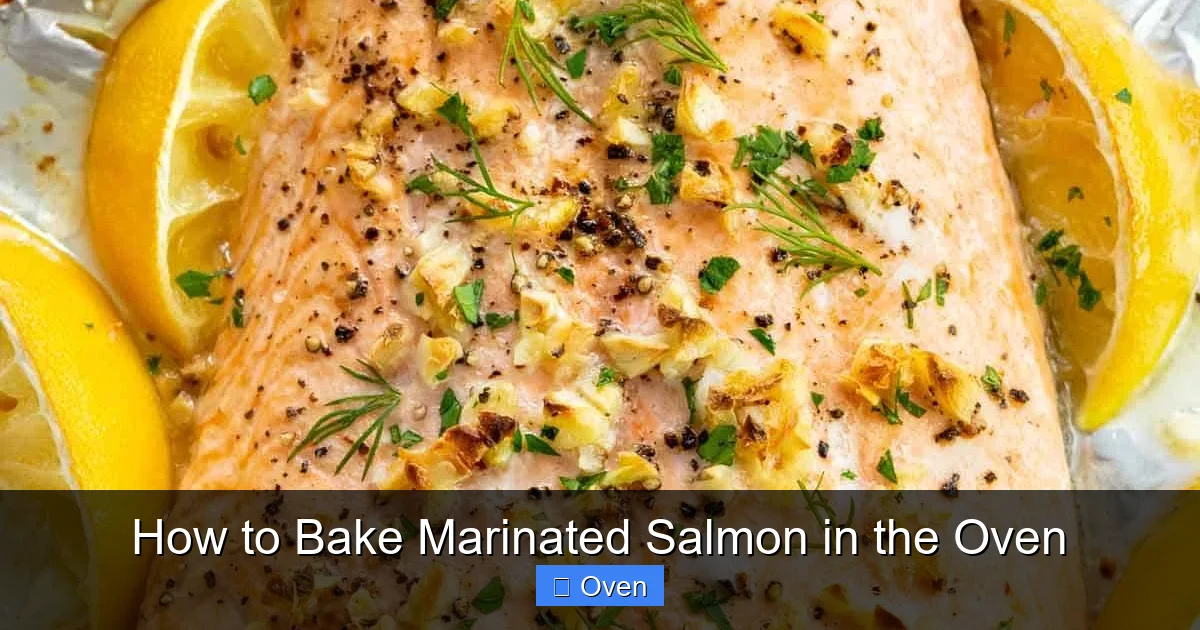
Visual guide about How to Bake Marinated Salmon in the Oven
Image source: jessicagavin.com
Setting the Right Temperature
Most experts agree that how to bake marinated salmon in the oven at 400°F (200°C) yields a perfect balance of a lightly caramelized exterior and a tender, flaky interior. If you prefer a gentler bake, 375°F works well too, especially for thicker cuts.
Timing Chart for Different Thicknesses
| Thickness (inches) | Oven Temp (°F) | Bake Time |
|---|---|---|
| ½ inch | 400 | 8‑10 minutes |
| ¾ inch | 400 | 12‑14 minutes |
| 1 inch | 400 | 15‑18 minutes |
| 1½ inch | 400 | 20‑22 minutes |
Remember, the salmon continues to cook for a minute or two after you pull it out, so aim for a little under‑done when you first check.
Executing the Bake: Steps to Perfection
Step 1: Preheat and Arrange
Start by preheating the oven to 400°F. While it’s heating, place the marinated salmon skin‑side down on the prepared sheet. If you’re cooking multiple pieces, give them a little space – crowding can steam the fish instead of baking it.
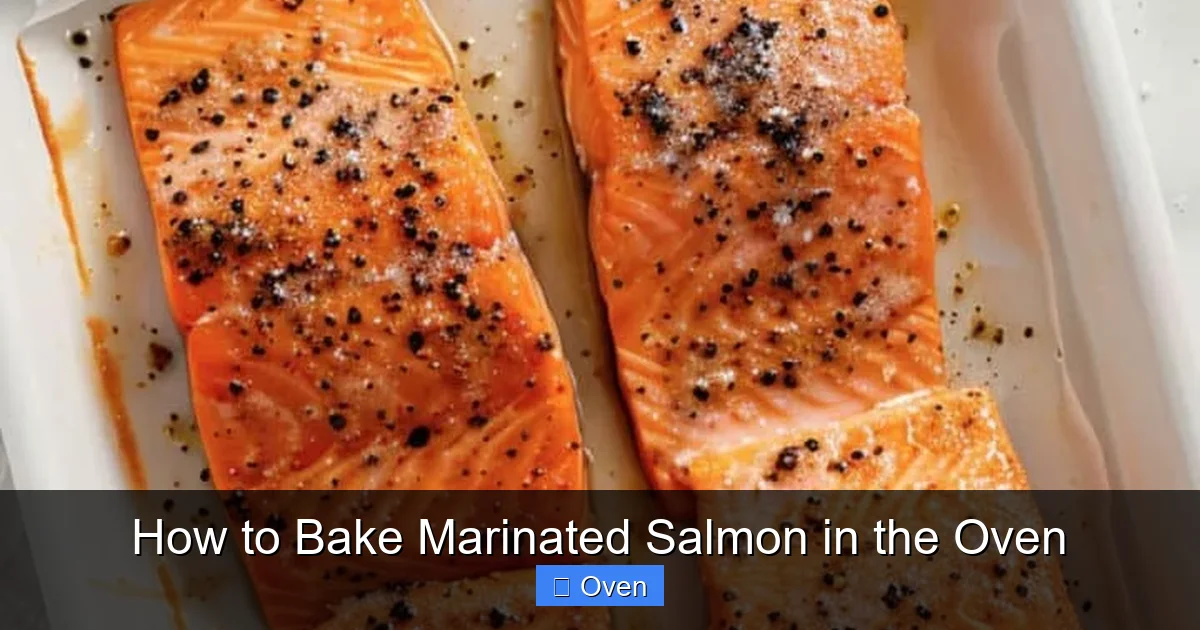
Visual guide about How to Bake Marinated Salmon in the Oven
Image source: theforkbite.com
Step 2: Bake and Monitor
Slide the sheet into the oven and set a timer based on the thickness chart above. About halfway through, you can baste the fillets with any leftover marinade for extra gloss. Keep an eye on the edges; they should turn a light golden brown.
Step 3: Test for Doneness
The easiest way to know if your salmon is done is to gently press the top with a fork. It should flake easily but still feel slightly springy. If you have a kitchen thermometer, aim for an internal temperature of 145°F (63°C).
Step 4: Rest Before Serving
Let the salmon rest for 3‑5 minutes after you take it out. This allows the juices to redistribute, giving you a moist bite every time.
Serving Ideas and Pairings
Simple Plate Presentation
For a minimalist look, serve the salmon on a white plate, drizzle a little extra sauce from the pan, and garnish with fresh herbs like dill or cilantro. A squeeze of lemon adds brightness.
Side Dishes That Shine
Here are a few crowd‑pleasing sides that complement baked salmon beautifully:
- Steamed asparagus with a drizzle of olive oil
- Garlic‑buttered quinoa or brown rice (check out our guide on how to make brown rice in the rice cooker for a fluffy base)
- Roasted sweet potatoes – they caramelize nicely alongside the salmon
- Fresh mixed greens tossed in a light vinaigrette
Creative Twists
If you love a bit of crunch, sprinkle toasted sesame seeds or crushed almonds over the top just before serving. For a smoky kick, finish with a dash of smoked paprika or a drizzle of chipotle honey.
Tips, Troubleshooting, and Frequently Overlooked Details
Tip 1: Use a Light Hand with Salt
Because soy sauce already adds salt, you usually don’t need extra seasoning. Over‑salting can make the fish dry during baking.
Tip 2: Avoid Over‑Marinating
Marinating for more than 4‑6 hours can break down the delicate protein fibers, resulting in a mushy texture. Keep it short and sweet.
Tip 3: Keep the Skin On for Extra Moisture
The skin acts as a barrier, locking in moisture. If you don’t plan to eat the skin, you can remove it after baking – it’ll peel off easily.
Common Problem: Dry Salmon
If your salmon turns out dry, it’s likely been overcooked or baked at too high a temperature. Next time, lower the heat to 375°F and check the fish a few minutes earlier.
Common Problem: Lack of Flavor
When the flavor feels flat, try adding a splash of citrus or a pinch of sea salt right before serving. A quick broil for the last 2 minutes can also add a caramelized crust.
Pro Tip: Pair with a Quick Rice Side
While the salmon bakes, you can whip up a batch of fluffy rice in the rice cooker. Our how to make white rice in the rice cooker guide walks you through it in just a few minutes.
Storing, Reheating, and Repurposing Leftovers
Storing Freshly Baked Salmon
Place any leftover salmon in an airtight container and refrigerate within two hours. It will keep for up to 3 days.
Reheating Without Drying Out
To reheat, preheat the oven to 275°F, place the salmon on a baking sheet, and warm for about 10 minutes. This gentle heat preserves moisture. If you’re in a hurry, a quick zap in the microwave (covered with a damp paper towel) works, but the texture won’t be as perfect.
Creative Leftover Ideas
- Flake the salmon into a salad with avocado, cucumber, and a light vinaigrette.
- Mix with cooked quinoa, chopped veggies, and a drizzle of extra sauce for a quick bowl.
- Turn it into salmon cakes – combine with breadcrumbs, an egg, and herbs, then pan‑sear.
Conclusion
Now you know exactly how to bake marinated salmon in the oven – from picking the perfect cut and crafting a tasty glaze, to mastering temperature, timing, and serving ideas. The beauty of this method is its simplicity: a few minutes of prep, a short bake, and you have a nutritious, restaurant‑quality meal on the table. Don’t be afraid to experiment with different marinades, side dishes, or even a quick broil for extra caramelization. With these tips in hand, you’re ready to make salmon night a regular, stress‑free delight.
Happy baking, and enjoy every flaky bite!
Frequently Asked Questions
What is the best temperature for how to bake marinated salmon in the oven?
For perfectly cooked salmon, preheat your oven to 400°F (200°C). This temperature allows the fish to bake evenly while the marinade caramelizes without drying out the flesh.
How long should I bake marinated salmon in the oven?
Generally, bake the salmon for 12‑15 minutes, depending on the thickness of the fillet. The fish is done when it flakes easily with a fork and reaches an internal temperature of 145°F (63°C).
Do I need to cover the salmon while baking it?
Covering isn’t necessary if you’ve marinated the salmon well, as the moisture in the sauce helps keep it juicy. However, you can loosely tent the fish with foil for the first half of cooking to prevent over‑browning.
Can I use a glass or metal baking dish for how to bake marinated salmon in the oven?
Both glass and metal pans work fine; metal conducts heat faster, giving a slightly crispier exterior, while glass provides more even heat distribution. Just make sure the dish is oven‑safe and lightly greased.
What are some quick marinades that work well for baked salmon?
Simple combos like soy sauce, honey, and garlic; lemon juice with dill and olive oil; or mustard mixed with maple syrup all infuse flavor in just 15‑30 minutes. Adjust the sweetness or acidity to match your taste preferences.
How do I know when the baked salmon is done without overcooking it?
Besides checking the internal temperature, look for opaque flesh that separates easily with a fork. If the center still looks slightly translucent, it will finish cooking during the brief rest after you remove it from the oven.