How Long to Cook Roast Beef in the Oven
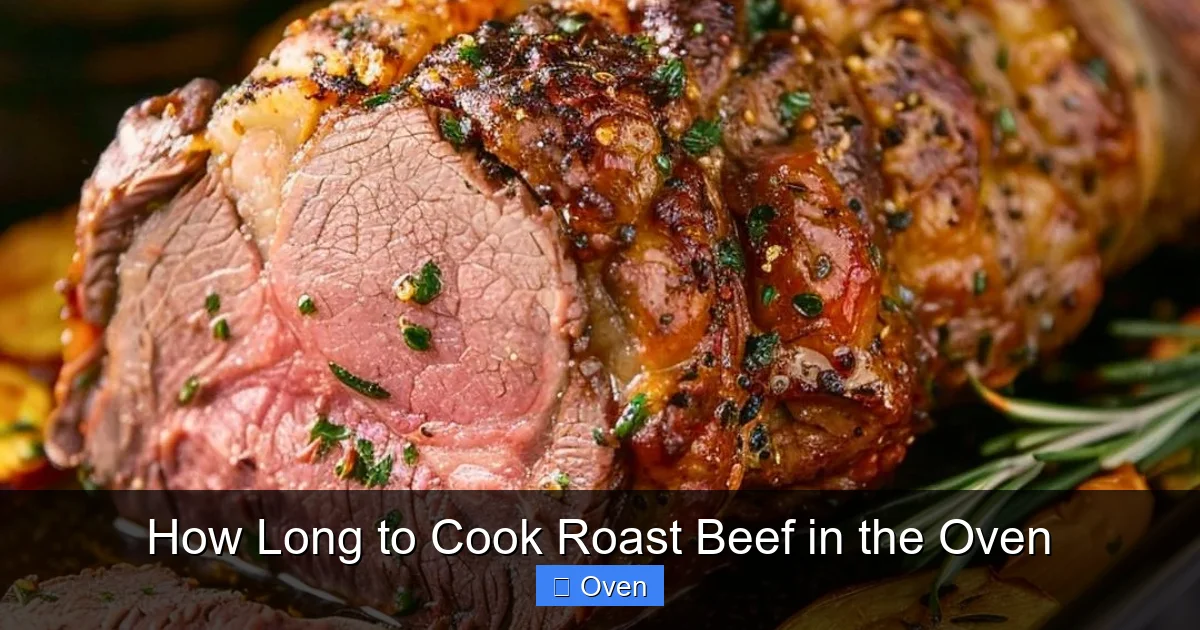
Want juicy, tender roast beef every time? Follow our step‑by‑step guide to know exactly how long to cook roast beef in the oven, from selecting the cut to resting the meat. Simple tips, temperature charts, and common pitfalls are covered so you can serve a perfect roast with confidence.
Key Takeaways
- Temperature matters: Roast beef at 225°F for low‑and‑slow, or 450°F for a quick sear, then finish at a lower heat.
- Use a meat thermometer: Aim for 125°F–130°F for rare, 135°F–140°F for medium‑rare, and 150°F for well‑done.
- Resting is essential: Let the roast rest 15‑20 minutes; the internal temperature will rise 5‑10°F.
- Size and shape affect time: A 3‑lb rib roast needs about 20‑25 min per pound at 325°F, while a thin top‑round cooks faster.
- Season early, not late: Salt the beef at least 40 minutes before cooking to improve flavor and texture.
- Pan choice counts: Use a heavy‑bottom roasting pan or a rack to promote even heat distribution.
- Carry‑over cooking: Plan for the temperature rise while the meat rests to avoid overcooking.
📑 Table of Contents
- Introduction: Why Timing Is the Secret to Perfect Roast Beef
- 1. Choosing the Right Cut for Your Roast
- 2. Setting the Oven: Temperature Strategies
- 3. The Essential Tool: Meat Thermometer
- 4. Step‑by‑Step: How Long to Cook Roast Beef in the Oven
- 5. Common Mistakes and How to Avoid Them
- 6. Pairings and Side Dish Ideas
- Conclusion: Mastering the Roast Beef Timeline
Introduction: Why Timing Is the Secret to Perfect Roast Beef
There’s something magical about a beautifully cooked roast beef. The aroma fills the kitchen, the slice glistens with pink juices, and the flavor is pure comfort. Yet, many home cooks stumble over one crucial question: how long to cook roast beef in the oven without ending up dry or underdone. The answer isn’t a one‑size‑fits‑all number; it depends on the cut, size, desired doneness, and oven style.
In this friendly guide, I’ll walk you through everything you need to know—from picking the right cut to mastering the final rest. Think of it as a conversation over coffee, where I share the exact times, temperatures, and little tricks that have saved my roast (and my guests) countless times.
1. Choosing the Right Cut for Your Roast
Popular cuts and their characteristics
- Rib Roast (Standing Rib): Marbled, rich flavor, perfect for special occasions.
- Sirloin Tip Roast: Leaner, more affordable, still tender when cooked right.
- Top Round Roast: Very lean, best when cooked to medium‑rare and sliced thin.
- Chuck Roast: Great for low‑and‑slow methods; becomes fork‑tender.
Each cut has a different optimal cooking speed. For example, a well‑marbled rib roast can handle a higher temperature without drying out, while a lean top round benefits from a slower, gentler heat.
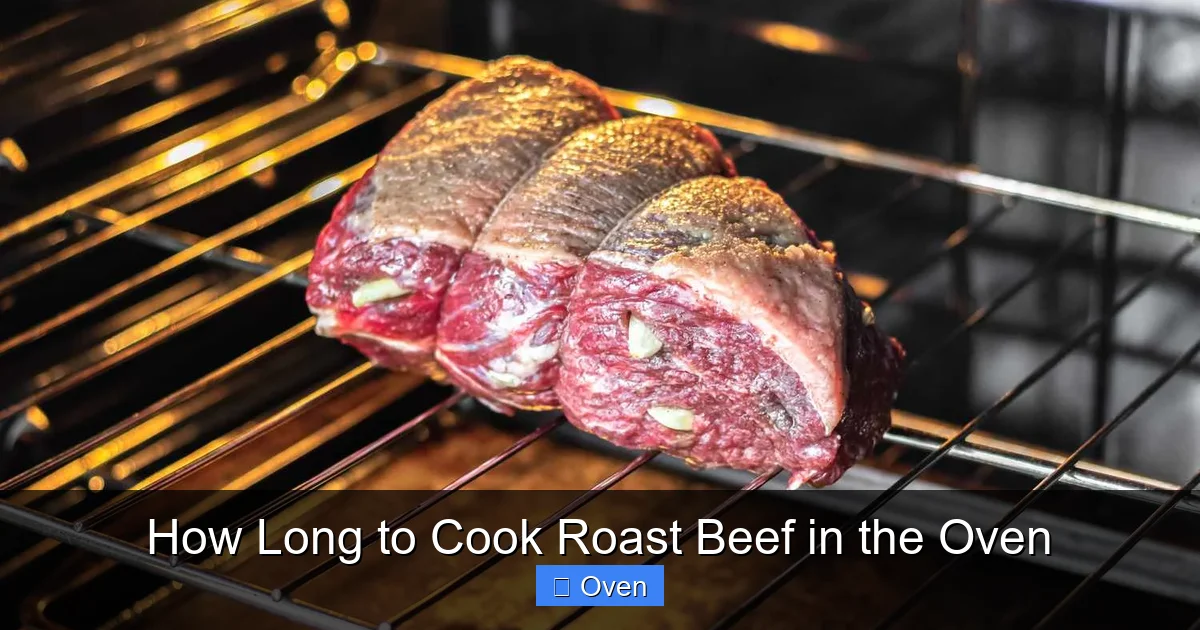
Visual guide about How Long to Cook Roast Beef in the Oven
Image source: recipes.net
Weight matters
Most home ovens are calibrated for a roast that’s roughly 2‑5 lb. As a rule of thumb, plan for 20‑25 minutes per pound at 325°F for medium‑rare. Adjust up or down based on the cut’s fat content and your preferred doneness.
2. Setting the Oven: Temperature Strategies
Low‑and‑slow (225°F‑275°F)
Cooking at a low temperature gives the meat a uniform pink color from edge to center. It also reduces the risk of a gray band around the edges. For a 4‑lb rib roast, expect about 30‑35 minutes per pound. The final internal temperature should be 5‑10°F lower than your target, because carry‑over cooking will finish the job.
Visual guide about How Long to Cook Roast Beef in the Oven
Image source: simplyrecipes.com
High‑heat sear then finish (450°F‑500°F then 325°F)
Start with a 15‑minute blast at 475°F to create a crust, then lower to 325°F for the remainder. This method shortens total time—about 15‑20 minutes per pound for medium‑rare—while still delivering a flavorful bark.
Using a convection oven
If your oven has a convection setting, reduce the temperature by 25°F and shave 5‑10 minutes off the cooking time. The fan circulates hot air, cooking the roast more evenly.
3. The Essential Tool: Meat Thermometer
Why you need a probe thermometer
Guesswork is the enemy of perfect roast beef. A reliable instant‑read or leave‑in probe thermometer tells you exactly when to pull the roast. Insert the probe into the thickest part, avoiding bone or fat.
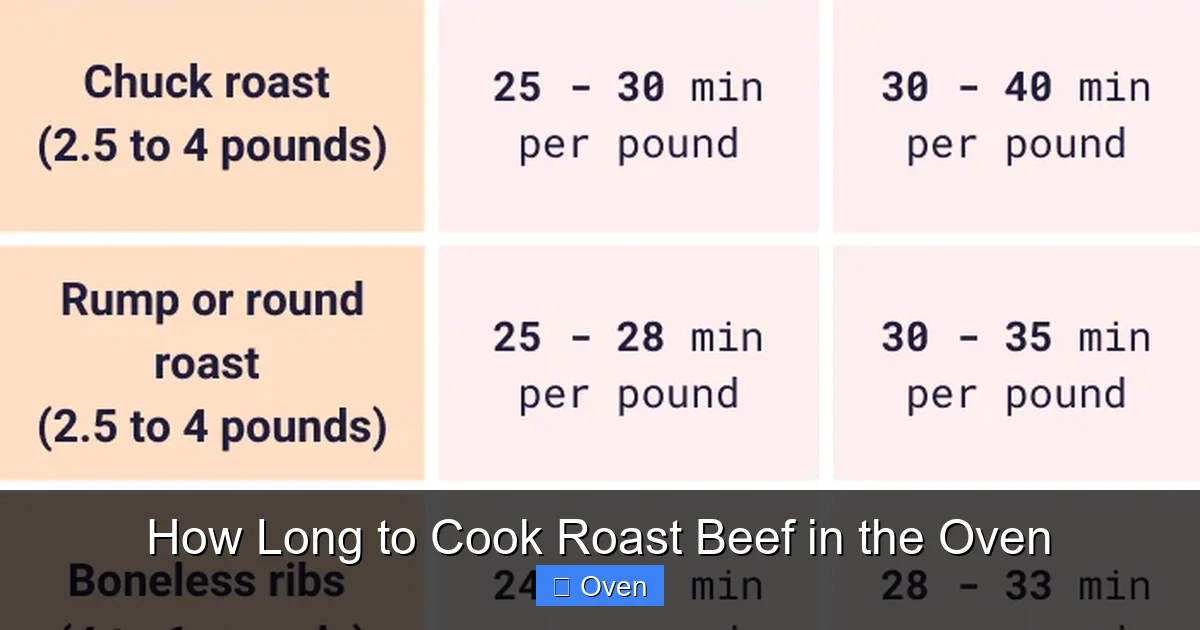
Visual guide about How Long to Cook Roast Beef in the Oven
Image source: onerecp.com
Target internal temperatures
- Rare: 120°F–125°F (rest to 125°F–130°F)
- Medium‑rare: 130°F–135°F (rest to 135°F–140°F)
- Medium: 140°F–150°F (rest to 150°F–155°F)
- Well‑done: 155°F+ (rest to 160°F+)
Remember, the meat will continue to rise about 5‑10°F while resting.
4. Step‑by‑Step: How Long to Cook Roast Beef in the Oven
Step 1 – Prepare the roast
- Pat the meat dry with paper towels.
- Season generously with kosher salt at least 40 minutes before cooking (or up to 24 hours in the fridge for deeper flavor).
- Rub with olive oil and your favorite herbs—rosemary, thyme, and cracked black pepper work beautifully.
Step 2 – Preheat the oven
Choose your method:
- Low‑and‑slow: Preheat to 225°F.
- High‑heat sear: Preheat to 475°F.
Step 3 – Roast
Place the roast on a rack in a heavy‑bottom roasting pan. This allows air to circulate and prevents the bottom from steaming.
Low‑and‑slow example: A 4‑lb rib roast at 225°F will take about 2 hours 15 minutes to reach 125°F (rare). Check at the 2‑hour mark.
High‑heat sear example: Sear 15 minutes at 475°F, then reduce to 325°F. A 4‑lb roast will need roughly 1 hour 30 minutes total for medium‑rare.
Step 4 – Rest the meat
Transfer the roast to a cutting board, tent loosely with foil, and let it rest 15‑20 minutes. This step locks in juices and finishes the cooking process.
Step 5 – Slice and serve
Slice against the grain for maximum tenderness. Serve with au jus, horseradish sauce, or your favorite gravy.
5. Common Mistakes and How to Avoid Them
Over‑cooking
Leaving the roast in the oven too long is the most frequent error. Trust the thermometer, not the clock.
Skipping the rest period
Without resting, juices flood the cutting board, leaving a dry slice. Always allocate at least 15 minutes.
Using the wrong pan
A thin glass dish can cause hot spots and uneven cooking. A sturdy metal roasting pan with a rack is ideal.
Not seasoning early enough
Seasoning right before cooking draws moisture to the surface, resulting in a salty crust. Salt early for a dry‑brine effect.
6. Pairings and Side Dish Ideas
While the roast is cooking, you can prepare classic sides that complement beef beautifully. Roasted root vegetables, garlic mashed potatoes, and a crisp green salad are timeless choices. If you’re looking for a quick vegetable side, try how long to cook yellow potatoes in the air fryer for a crispy finish.
For a sauce, a simple pan‑dripping au jus or a horseradish cream works wonders. If you love a bit of spice, a quick mustard‑herb glaze can be brushed on during the last 10 minutes of cooking.
Conclusion: Mastering the Roast Beef Timeline
Now you have a clear roadmap for answering the age‑old question, how long to cook roast beef in the oven. By selecting the right cut, setting the proper temperature, using a meat thermometer, and respecting the rest period, you’ll consistently serve juicy, flavorful roast beef that impresses family and friends.
Remember, the exact minutes may vary, but the principles stay the same. Keep a notebook of your own times and tweaks, and soon you’ll be able to eyeball the perfect roast without a thermometer—though we still recommend it for precision!
Happy roasting, and enjoy every succulent bite!
Frequently Asked Questions
What oven temperature should I use for a medium‑rare roast beef?
For a reliable medium‑rare, roast at 325°F and pull the meat when the internal temperature reaches 130°F–135°F. It will finish to 140°F–145°F while resting.
Can I cook roast beef in a convection oven?
Yes. Reduce the recipe temperature by 25°F and shorten the cooking time by about 5‑10 minutes. Convection ensures even heat and a nice crust.
How do I know when the roast is done without a thermometer?
While a thermometer is safest, you can use the “finger test” for firmness. A medium‑rare roast feels like the fleshy part of your hand beneath the thumb when the thumb and middle finger touch.
Should I cover the roast with foil while it cooks?
Only if you notice the exterior browning too quickly. Generally, leave it uncovered to develop a flavorful crust; you can tent with foil during the last 15 minutes if it looks too dark.
What’s the best way to reheat leftover roast beef?
Slice thinly and warm gently in a low oven (250°F) with a splash of broth, or use a microwave on low power. For quick reheating, see how long to reheat a burger in air fryer for similar meat‑friendly tips.
Can I add vegetables to the roasting pan?
Absolutely. Toss carrots, onions, and potatoes with oil and herbs, and place them around the roast. They’ll cook in the beef juices and make a complete meal.