How to Polish Stainless Steel Cookware
Polishing stainless steel cookware doesn’t have to be complicated or expensive. With the right techniques and simple ingredients, you can restore your pots and pans to their original shine. Regular maintenance prevents buildup and keeps your cookware looking brand new, while proper cleaning methods ensure your investment lasts for years. Whether you’re dealing with water spots, food stains, or general dullness, these proven strategies will get your stainless steel cookware looking perfect again.
Key Takeaways
- Avoid Harsh Chemicals: Use mild dish soap and soft sponges to prevent scratching the protective layer on stainless steel surfaces.
- Prevent Water Spots: Dry cookware immediately after washing to maintain its sleek appearance and prevent mineral deposits.
- Use Baking Soda for Stains: Create a paste with baking soda and water to remove stubborn food stains and discoloration naturally.
- Microfiber Works Best: Clean with microfiber cloths instead of paper towels to avoid scratching while removing oils and residues.
- Store Properly: Keep cookware stacked with protective barriers between pieces to prevent scratches during storage.
- Regular Maintenance: Wipe down cookware after each use to prevent buildup and make deep cleaning sessions less frequent.
- Avoid Abrasive Tools: Steel wool and harsh scrub pads can damage the finish; stick to soft sponges and nylon brushes.
📑 Table of Contents
Why Stainless Steel Cookware Needs Proper Care
Stainless steel is one of the most popular cookware materials for good reason. It’s durable, heats evenly, and resists rust and corrosion. But even the best stainless steel can look dull or develop unsightly water spots over time. The good news is that with proper care, you can keep your cookware looking its best.
The key is understanding what not to do. Many people make the mistake of using abrasive cleaners or steel wool, which can scratch the surface and dull the finish. Others neglect regular maintenance, leading to stubborn buildup that requires harsh chemicals to remove. The solution is simple: gentle, consistent care using methods that work with the material, not against it.
The Science Behind Stainless Steel Shine
Stainless steel gets its name from the chromium in its composition. This element forms a protective layer that prevents rust and corrosion. When this surface is damaged or dirty, the protective properties can still function, but the appearance suffers.
The goal of polishing isn’t just aesthetic – it’s about maintaining that protective barrier. When you clean stainless steel properly, you’re actually helping preserve its longevity. This means your investment in quality cookware pays off through many years of reliable performance.
Daily Cleaning Best Practices
Maintaining your stainless steel cookware starts with daily habits. After each use, rinse your pots and pans while they’re still warm. This makes removing food residue much easier than dealing with cooled, dried-on messes.
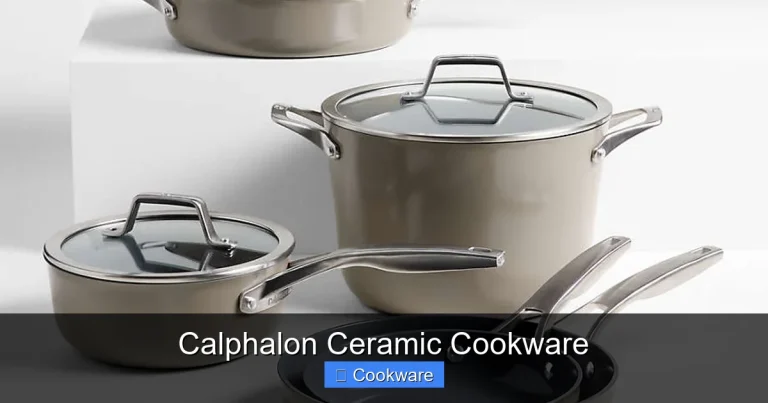
Visual guide about How to Polish Stainless Steel Cookware
Image source: truthfinder.com
Use a soft sponge or cloth with mild dish soap. Avoid abrasive pads or harsh scrubbers that can create micro-scratches over time. These tiny scratches may seem insignificant, but they can dull the surface and trap dirt and oils.
Drying Techniques That Matter
Never let stainless steel air dry completely. Water spots are more than just ugly – they can indicate mineral buildup that’s difficult to remove later. Instead, dry your cookware immediately with a clean towel or let it air dry for just a few minutes before giving it a final buff with a soft cloth.
Pay special attention to crevices and handles where water tends to pool. A quick wipe with a microfiber cloth removes any remaining moisture and prevents the streaking that can occur with air drying.
Removing Common Stains and Discoloration
Even with the best care, stains happen. Cooking acidic foods like tomatoes or citrus can leave behind discoloration. Burnt-on food creates its own set of challenges. Here’s how to tackle these common issues without damaging your cookware.

Visual guide about How to Polish Stainless Steel Cookware
Image source: cat-line.fr
Baking Soda Magic
For general discoloration and light stains, baking soda is your best friend. Sprinkle a generous amount of baking soda onto a damp sponge and gently rub in circular motions. The mild abrasive action removes surface stains without scratching.
Create a paste for tougher stains by mixing baking soda with a small amount of water. Apply the paste directly to the stain and let it sit for 10-15 minutes before scrubbing gently. Rinse thoroughly and dry immediately.
White Vinegar Solution
White vinegar is excellent for removing hard water spots and mineral deposits. Mix equal parts white vinegar and water in a bowl. Submerge stubborn spots for a few minutes, then scrub gently with a soft brush or sponge.
Always rinse your cookware well after using vinegar, as residual acidity can affect the taste of your next dish. Follow up with a thorough drying session to prevent new water spots.
Tackling Tough Burnt-On Residue
Burnt food is the nemesis of every cook. While it’s easy to ignore small amounts, buildup can affect heat distribution and make future cleaning harder. Here are several approaches depending on how bad the situation is.

Visual guide about How to Polish Stainless Steel Cookware
Image source: afamilycdn.com
The Boiling Water Method
For moderate buildup, fill your pot with water and bring it to a boil. Let it simmer for 10-15 minutes, then let it cool slightly. The steam and heat will loosen most residue, making it easy to wipe away.
This method works particularly well for pasta sauce splatters, egg residue, or anything that’s stuck on but not completely carbonized. You’ll be amazed at how much easier cleanup becomes after this simple step.
Steam Cleaning Power
If you have a steam cleaner or access to one, this is gentler than boiling but still very effective. Fill your cookware with a few inches of water, bring it to a boil, then let the steam do the work while you wait.
Cover the pot with a lid to contain the steam, and periodically check to make sure there’s always water in the bottom. After 15-20 minutes, most buildup will simply lift off with a gentle scrape.
Polishing for Maximum Shine
Once your cookware is clean, it’s time to make it sparkle. This final step isn’t just about looks – a properly polished surface is easier to clean and maintains its protective properties better.
Choosing the Right Cloth
Microfiber cloths are ideal for polishing stainless steel. They’re soft enough not to scratch, yet effective at removing the last traces of dirt and oils. Avoid paper towels, which can leave fibers behind and may scratch the surface.
Cotton cloths work well too, especially cut-up old t-shirts or dedicated kitchen towels. The key is using something clean and soft that won’t leave residue behind.
The Polish Technique
Apply a small amount of specialized stainless steel polish or a drop of olive oil to your cloth. Buff the surface in the direction of the grain – most stainless steel cookware has a brushed texture that you should follow, not fight against.
Work in small sections, applying light pressure and building up shine gradually. If you notice any streaks or spots, go back over them with a clean section of cloth until they’re gone.
Storage Tips to Prevent Damage
How you store your cookware affects how easy it is to keep clean. Stacked pots and pans can scratch each other’s surfaces over time, creating a buildup of micro-abrasions that dull everything.
Protective Storage Methods
Place a soft cloth, paper towel, or protective sleeve between pieces when stacking. This simple barrier prevents metal-to-metal contact and keeps surfaces smooth.
If you have cabinet space, consider hanging frequently used pieces. This eliminates stacking concerns entirely and makes your most-used pans instantly accessible for dinner preparation.
Organizing by Frequency of Use
Store your most-used cookware at eye level or in easily accessible spots. Less frequently used pieces can go on higher shelves or in the back of cabinets. This reduces the need to move heavy stacks regularly, minimizing the chance of accidental drops or scratches.
When to Seek Professional Help
While most stainless steel maintenance is DIY-friendly, some situations require professional attention. Extremely discolored cookware, pieces with enamel coating, or vintage items may need specialist care.
If you’ve tried all these methods and still see staining or discoloration, it might be time to consult a professional. They can assess whether the damage is superficial or if there’s a deeper issue affecting your cookware’s performance.
Similarly, if your cookware has developed rough spots or significant scratching despite proper care, replacement might be more cost-effective than repair. Quality stainless steel cookware is an investment, but it’s not indestructible.
Maintaining Your Investment
Think of proper cookware care as an investment in your kitchen’s future. The time you spend polishing and maintaining your stainless steel pieces pays dividends in their appearance and performance.
Set aside 15 minutes once a week for a quick polish session. Not only will your cookware look better, but the mindful routine can be surprisingly therapeutic after a long day in the kitchen.
Remember that a little prevention goes a long way. Regular maintenance is always easier than dealing with major buildup or damage. By incorporating these simple techniques into your routine, you’ll keep your cookware looking great and functioning at its best for years to come.
Frequently Asked Questions
How often should I polish my stainless steel cookware?
You don’t need to polish stainless steel cookware after every use. A quick wipe-down after cooking is usually sufficient. For best results, give your cookware a thorough polish once a week or whenever you notice it looking dull. The frequency really depends on how often you cook and what types of foods you prepare.
Can I use lemon to polish stainless steel?
Yes, lemon can be effective for light polishing, but use it sparingly. The acidity is gentle enough for occasional use, but frequent exposure can actually damage the protective layer on stainless steel. If you do use lemon, rinse thoroughly afterward and dry immediately to prevent any residue or streaking.
What’s the safest way to remove rust from stainless steel cookware?
Minor surface rust can usually be addressed with fine steel wool or a baking soda paste, but be very gentle. For significant rust damage, it’s often better to replace the cookware rather than risk further damage. Stainless steel is supposed to resist rust, so if you’re seeing rust spots, the protective layer may have been compromised.
Is it okay to put stainless steel cookware in the dishwasher?
While most stainless steel cookware is dishwasher-safe, hand washing is always the better option for longevity. Dishwashers can cause water spots and the harsh detergents may affect the finish over time. Plus, hand washing gives you the opportunity to inspect your cookware and address any issues immediately.
Will stainless steel polish make my cookware non-stick?
No, polishing doesn’t make stainless steel non-stick. While proper polishing can help with heat distribution and make foods less likely to stick, you’ll still need to use appropriate techniques like preheating the pan, adding oil or butter, and avoiding metal utensils. The shine is primarily cosmetic, though a well-maintained surface does perform better overall.
How do I know if my stainless steel is lined with aluminum or copper?
Check your cookware’s specifications – tri-ply and multi-ply constructions will have this information. You can also look for manufacturer markings on the bottom of the piece. Cookware with aluminum or copper cores requires slightly different care, as these materials can react with certain cleaning agents. When in doubt, consult the manufacturer’s care instructions for your specific cookware set.