All Clad Non Stick Cookware
All Clad Non Stick Cookware combines the legendary heat distribution of bonded metals with a high-performance non-stick surface. It is a premium investment for home cooks who want professional results without the struggle of food sticking. These pans offer exceptional durability and versatility across various stovetops.
Have you ever wondered why some people swear by their All Clad pans while others stick to basic non-stick sets? If you are looking to upgrade your kitchen, you have probably seen All Clad Non Stick Cookware. It is often seen as the “gold standard” for people who want the best of both worlds. You get the heavy-duty feel of professional stainless steel and the easy-release magic of a non-stick coating.
Cooking should be fun, not a chore. There is nothing more frustrating than a beautiful omelet sticking to the pan or a piece of salmon tearing apart when you try to flip it. That is where a high-end non-stick pan comes in. But not all non-stick pans are created equal. Some wear out in six months, while others last for years. All Clad aims to bridge that gap by creating cookware that handles high heat while keeping your food sliding right off.
In this guide, we are going to dive deep into everything you need to know. We will talk about the different types of coatings they use, how they perform in the kitchen, and whether they are actually worth the higher price tag. Whether you are a pro chef or someone who just wants a stress-free breakfast, let’s see if All Clad is the right fit for your home.
Key Takeaways
- Hybrid Design: Many All Clad non-stick options use a hybrid surface that blends stainless steel and non-stick properties.
- Superior Heating: The bonded cladding ensures there are no hot spots, providing even heat across the entire pan.
- Induction Ready: Most of their non-stick lines are fully compatible with induction, gas, and electric stoves.
- Durability: They are built to last longer than cheap Teflon pans, though proper care is still required.
- Versatility: Many pieces are oven-safe, allowing you to sear on the stove and finish in the oven.
- Ease of Cleaning: The high-quality coating makes cleanup fast and simple, though hand-washing is usually recommended.
📑 Table of Contents
- What Makes All Clad Non Stick Cookware Different?
- Performance in the Kitchen: What to Expect
- Choosing the Right All Clad Non Stick Set
- How to Make Your Non Stick Pans Last Longer
- Pros and Cons of All Clad Non Stick Cookware
- Comparing All Clad to Other Brands
- Final Thoughts: Is It Worth the Investment?
- Conclusion
What Makes All Clad Non Stick Cookware Different?
Most cheap non-stick pans are just a thin piece of aluminum with a chemical coating sprayed on top. They heat up unevenly, and the coating peels off quickly. All Clad does things differently. They use a process called “cladding.” This means they layer different metals together. Usually, they sandwich an aluminum core between layers of stainless steel.
The Power of Cladding
The aluminum core is the secret sauce. Aluminum conducts heat very quickly, while stainless steel provides strength and durability. By bonding these together, All Clad Non Stick Cookware distributes heat evenly. You won’t find those annoying “hot spots” that burn your food in the center while the edges stay raw. This makes it a great choice for those searching for the best non stick pans for induction cooktop or gas ranges.
The Hybrid Surface Technology
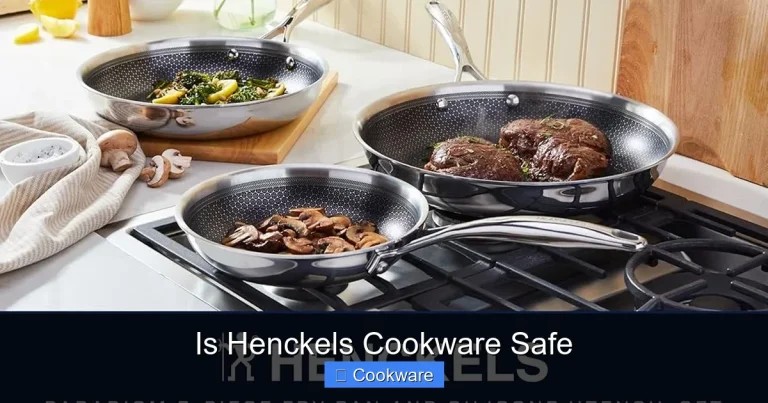
One of the most famous features of All Clad’s modern non-stick line is the hybrid surface. Instead of a flat sheet of coating, they use a textured surface with raised stainless steel peaks. This means your food mostly touches the stainless steel, but the non-stick valleys keep things from sticking. This design allows you to use metal utensils more freely than you could with a traditional non-stick pan, though caution is still advised.
Performance in the Kitchen: What to Expect
When you first start using All Clad Non Stick Cookware, you will notice the weight. These pans feel solid. They don’t warp under high heat, and they hold their temperature well. This is crucial when you are searing meat or sautéing vegetables. You get a consistent sizzle that leads to better browning.
Visual guide about All Clad Non Stick Cookware
Image source: bando.com
Cooking Eggs and Delicate Foods
For things like eggs, pancakes, or delicate fish, these pans are a dream. You can use less butter or oil, which is great for healthy eating. If you are specifically looking for the best non stick frying pan for eggs, the All Clad line delivers a smooth release that makes flipping a breeze. You won’t have to scrub the pan for ten minutes after every meal.
Searing and Browning
Traditional non-stick pans are terrible for searing because you can’t use high heat without damaging the coating. However, because of the bonded construction, All Clad handles heat better. While you still shouldn’t put them on “max” heat for long periods, you can get a much better crust on your proteins than you would with a budget pan. This makes them versatile enough for everything from a morning fry-up to a fancy dinner party.
Choosing the Right All Clad Non Stick Set
All Clad offers a variety of options, and it can be confusing to choose. Do you need a full set, or just a few key pieces? For most home cooks, a few versatile pieces are better than a 20-piece set that takes up all your cabinet space.
Visual guide about All Clad Non Stick Cookware
Image source: i.pinimg.com
The Essential Frying Pan
A 10-inch or 12-inch frying pan is the workhorse of the kitchen. It is perfect for everything from grilling cheese sandwiches to frying chicken. If you do a lot of one-pan meals, look for a version with a lid to help trap steam and cook food faster.
The Saute Pan vs. The Skillet
Many people confuse these two. A skillet has sloped sides, which is great for flipping food. A saute pan has straight sides and a larger flat surface. If you cook sauces or braise meats, a saute pan is the way to go. If you want something that can handle a lot of liquid without splashing, investing in a best non stick saute pan with lid is a smart move for any kitchen.
Pots and Stockpots
While we usually think of non-stick for frying, All Clad also makes non-stick pots. These are fantastic for creamy soups, risottos, or macaroni and cheese. These foods tend to stick to the bottom of stainless steel pots, leading to burnt bits. A non-stick interior makes stirring these thick liquids much easier.
How to Make Your Non Stick Pans Last Longer
The biggest complaint people have about non-stick cookware is that it “stops working.” Usually, this isn’t the pan’s fault—it’s how the pan was used. Even the most expensive All Clad Non Stick Cookware can be ruined if you treat it poorly. Here are some simple tips to keep your pans in top shape.
Visual guide about All Clad Non Stick Cookware
Image source: pipeandrow.com
Avoid High Heat
Non-stick coatings can break down at very high temperatures. Avoid using the “Power Boost” setting on your induction stove or the highest flame on your gas burner. Medium to medium-high heat is usually plenty. If the pan starts to smoke, it’s too hot. Turn it down immediately to protect the surface.
Be Careful with Utensils
Even if the pan claims to be “metal utensil safe,” it is always safer to use silicone, wood, or plastic. Metal can create tiny scratches over time. Once the surface is scratched, food begins to stick. To keep your investment pristine, stick to soft tools.
Cleaning and Storage
Avoid using abrasive scrubbers like steel wool. A soft sponge and warm soapy water are all you need. Also, be careful when stacking your pans. If you stack a heavy pot on top of a frying pan, the bottom of the pot can scratch the non-stick surface. Use felt protectors or paper towels between pans to keep them safe.
Pros and Cons of All Clad Non Stick Cookware
To help you decide if this is the right choice for you, let’s break down the good and the bad. No product is perfect, and All Clad is no exception.
The Pros
- Even Heating: No more cold spots in your pan.
- Easy Cleanup: Food slides right off, making washing a quick task.
- Professional Build: They feel sturdy and are designed to last.
- Multi-Surface Use: Works on gas, electric, and induction.
- Oven Safe: Many models can go from stovetop to oven seamlessly.
The Cons
- Price: They are significantly more expensive than store-brand pans.
- Weight: Because of the cladding, they are heavier than pure aluminum pans.
- Maintenance: You still have to be mindful of heat and utensils.
Comparing All Clad to Other Brands
How does All Clad stack up against the competition? If you compare them to budget brands, All Clad wins on durability and heat distribution every time. Budget pans warp; All Clad stays flat. If you compare them to high-end ceramic pans, All Clad often has a more consistent non-stick performance over time, as some ceramics lose their “slickness” after a few months.
All Clad vs. Traditional Stainless Steel
If you already own All Clad’s famous stainless steel line, you know it’s indestructible. However, stainless steel is hard to use for eggs or delicate fish. Adding All Clad Non Stick Cookware to your collection gives you the best of both worlds. Use the stainless steel for searing steaks and the non-stick for your morning eggs.
All Clad vs. Cast Iron
Cast iron is great for heat retention, but it’s heavy and requires “seasoning.” All Clad non-stick is much lighter and ready to use right out of the box. While cast iron is a lifetime investment, All Clad non-stick is a luxury convenience that saves you time and effort during the week.
Final Thoughts: Is It Worth the Investment?
At the end of the day, All Clad Non Stick Cookware is for the person who values quality and performance. If you are someone who cooks every day and is tired of scrubbing pans, the investment is worth it. You are paying for the engineering that goes into the heat distribution and the quality of the materials.
While you can find cheaper pans, you often end up replacing them every year. Buying one high-quality All Clad pan that lasts several years is often more economical (and less wasteful) than buying five cheap ones. It’s about bringing a professional experience into your own kitchen.
Whether you are making a simple grilled cheese or a complex reduction sauce, having a pan you can trust makes a huge difference. All Clad provides that confidence. You can focus on the flavors and the technique rather than worrying if your dinner is going to stay stuck to the bottom of the pan.
Conclusion
All Clad Non Stick Cookware is a fantastic blend of professional power and home-kitchen convenience. By combining a bonded metal core with a high-quality non-stick surface, they have created a tool that makes cooking easier and more enjoyable. While the price is higher, the performance, durability, and ease of use justify the cost for most serious home cooks.
Remember to keep the heat moderate, use silicone utensils, and hand-wash when possible. If you follow these simple rules, your pans will serve you well for years to come. Upgrade your cookware, simplify your cleanup, and enjoy the pleasure of food that slides effortlessly from the pan to the plate.
Frequently Asked Questions
Is All Clad non-stick cookware PFOA and PFAS free?
Most modern All Clad non-stick lines are formulated to be PFOA-free. Always check the specific product packaging for the most current safety certifications regarding PFAS.
Can I use All Clad non-stick pans on an induction stove?
Yes, most All Clad non-stick cookware is compatible with induction stoves because of the stainless steel cladding in the base. This allows the magnetic field of the induction cooktop to heat the pan efficiently.
Can I put All Clad non-stick pans in the dishwasher?
While some may be labeled as dishwasher safe, hand-washing is strongly recommended. Dishwasher detergents are abrasive and can wear down the non-stick coating much faster than a soft sponge.
Can I use metal utensils on All Clad hybrid non-stick pans?
All Clad’s hybrid line is designed to be more resistant to scratches, but silicone or wooden utensils are still the safest choice to maximize the lifespan of the pan.
What is the best way to clean All Clad non-stick cookware?
Use warm water, a mild dish soap, and a soft sponge or microfiber cloth. Avoid steel wool or scouring pads, as these will scratch the surface and ruin the non-stick properties.
Why is All Clad more expensive than other non-stick brands?
The price reflects the “cladding” process, where multiple layers of metal are bonded together. This ensures superior heat distribution and durability compared to single-layer aluminum pans.