Is T Fal Cookware Toxic
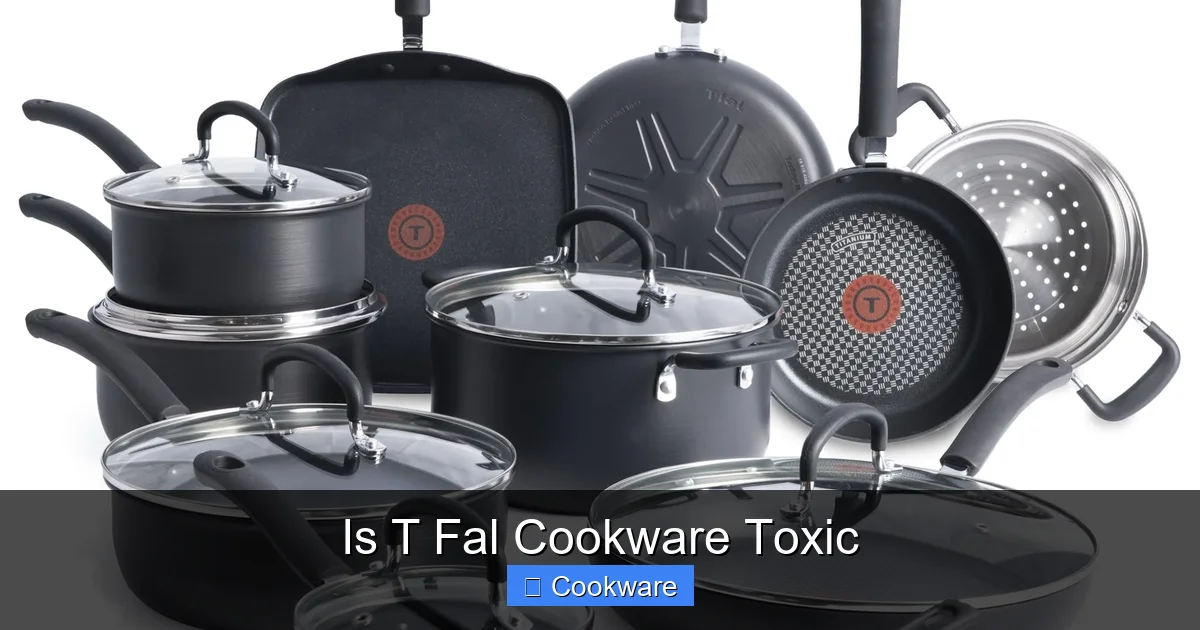
T Fal cookware is generally safe for everyday use when proper care is taken. While some older models used PFOA, modern T Fal products are PFOA-free and comply with strict safety standards. Always follow manufacturer guidelines to avoid overheating and ensure longevity.
Key Takeaways
- PFOA-free: T Fal phased out PFOA in 2013, so newer cookware is free from this chemical.
- Ceramic and stainless steel: Look for ceramic non-stick coatings or stainless steel pans for safer options.
- Avoid high heat: Never preheat an empty pan, as this can damage the coating and release fumes.
- Dishwasher-safe: Many T Fal products are dishwasher-safe, but hand washing extends their lifespan.
- Certifications matter: T Fal meets FDA, CPSC, and EU safety standards for cookware materials.
📑 Table of Contents
Is T Fal Cookware Toxic? Separating Fact from Fiction
If you’ve ever stood in a kitchen aisle staring at a rack of non-stick pans, you’ve probably wondered, “Is T Fal cookware toxic?” You’re not alone. With so many brands touting “safe” and “eco-friendly” materials, it’s easy to get confused. T Fal, a popular budget-friendly brand, has faced scrutiny over the years, especially regarding its non-stick coatings. But is there real cause for concern? Let’s break down the science, materials, and user experiences to give you a clear picture.
T Fal has been a staple in homes for decades, offering cookware that balances affordability with performance. However, like many non-stick brands, it faced backlash in the early 2000s due to the use of perfluorooctanoic acid (PFOA) in its Teflon coatings. PFOA, a chemical linked to health and environmental risks, was phased out of U.S. manufacturing by 2013. Today, T Fal claims all its products are PFOA-free, but confusion persists. Are newer models truly safe? How do T Fal’s materials compare to competitors like GreenLife or Lodge? And what about everyday risks like overheating or improper use?
In this article, we’ll dive into the materials used in T Fal cookware, explore safety certifications, and address common myths. Whether you’re a seasoned chef or a beginner, understanding the pros and cons of T Fal can help you make informed choices. Let’s separate fact from fiction—and keep your kitchen (and your family) safe.
Understanding T Fal Cookware Materials
T Fal offers a wide range of cookware, from non-stick skillets to stainless steel and aluminum pots. The brand’s most popular line, the T Fal Signature Non-Stick Collection, features pans with a ceramic-based non-stick coating called Diamond Advanced. This technology aims to reduce sticking without relying on traditional PTFE (Teflon). But what exactly is in these coatings, and are they safe?
Modern T Fal non-stick cookware uses a ceramic-derived material that’s free from PFOA and other harmful perfluorinated chemicals. The Diamond Advanced coating is designed to withstand temperatures up to 500°F (260°C), making it suitable for high-heat cooking. However, ceramic coatings can degrade over time, especially if metal utensils are used or if the pan is scratched. If the coating starts peeling, it’s best to retire the pan to avoid ingesting flakes.
For those who prefer metal cookware, T Fal also produces stainless steel and aluminum options. Stainless steel is non-reactive and durable, while aluminum conducts heat efficiently. However, aluminum pans may leach small amounts of metal into food if not lined with a non-stick or stainless steel coating. T Fal’s aluminum cookware typically includes a protective layer to prevent this, but it’s still wise to avoid cooking acidic foods in bare aluminum.
Safety Certifications and Regulatory Standards
When evaluating cookware safety, certifications from reputable organizations are key. T Fal complies with several international standards, including those set by the U.S. Food and Drug Administration (FDA), the Consumer Product Safety Commission (CPSC), and the European Union’s REACH regulation. These certifications ensure that materials used in T Fal cookware are safe for food contact and free from toxic substances.
The FDA regulates materials that come into contact with food in the U.S., and T Fal’s products meet these requirements. For example, their non-stick coatings are tested to ensure they don’t release harmful fumes when heated. Additionally, T Fal’s cookware is free from lead, cadmium, and other heavy metals that could pose health risks.
While certifications provide reassurance, they’re not foolproof. Some users report concerns about ceramic coatings flaking off after repeated use. If you notice peeling or discoloration, it’s a sign to replace the pan. Always follow the manufacturer’s care instructions to maximize the lifespan of your T Fal cookware.
Common Concerns About T Fal Cookware
What About PFOA and Other Chemicals?
One of the biggest worries about non-stick cookware is the presence of PFOA, a chemical once used in Teflon production. T Fal stopped using PFOA in its manufacturing processes in 2013, so newer products are PFOA-free. However, some consumers confuse PFOA with PTFE, the actual non-stick coating material. PTFE itself is considered safe when used correctly, but overheating it can release toxic fumes.
To avoid this, never preheat an empty T Fal pan. Instead, add oil or food before turning on the heat. If you smell a burning or chemical odor while cooking, turn off the stove immediately and ventilate the area. These fumes, while rare, can cause flu-like symptoms in humans and are toxic to birds.
Can Ceramic Coatings Be Trusted?
Ceramic non-stick coatings, like T Fal’s Diamond Advanced, are often marketed as a safer alternative to PTFE. While they don’t contain PFOA or PFAS, ceramic coatings can still degrade if not handled properly. For instance, using metal utensils or scrubbing with abrasive sponges can scratch the surface, leading to flaking.
To preserve your ceramic cookware, use silicone or wooden utensils and opt for gentle cleaning methods. If the coating starts to peel, stop using the pan and replace it. While ceramic coatings are generally safer than older non-stick materials, they may not last as long as stainless steel or cast iron.
Is T Fal Cookware Safe for Induction Cooktops?
T Fal offers induction-compatible cookware, but not all of its products work with induction stoves. Induction cooktops require magnetic cookware to function, so pans made from stainless steel or cast iron are ideal. T Fal’s stainless steel lines, such as the T Fal Stainless Steel Cookware Set, are induction-ready and perform well on these stoves.
If you’re using a T Fal non-stick pan on an induction cooktop, check the product specifications to ensure compatibility. Some models may have a magnetic base, while others won’t work at all. Using non-compatible cookware on an induction stove can damage both the appliance and the pan.
How to Use T Fal Cookware Safely
Proper Care and Maintenance Tips
To keep your T Fal cookware in top shape, follow these simple care tips:
- Avoid overheating: Never leave a pan on high heat for too long, especially if it’s empty. This can damage the coating and release fumes.
- Use the right utensils: Opt for silicone, wood, or nylon tools to prevent scratching non-stick surfaces.
- Clean gently: Hand wash your pans with mild detergent and a soft sponge. Avoid steel wool or harsh scrubbers.
- Store carefully: Stack pans with a protective layer (like a dish towel) to avoid scratches.
When to Replace Your T Fal Cookware
No matter how careful you are, all cookware has a lifespan. Signs that it’s time to replace your T Fal pans include:
- Peeling or chipped non-stick coating
- Warping or discoloration
- Excessive food sticking despite proper seasoning
If you notice any of these issues, it’s better to invest in a new set rather than risk exposure to harmful substances.
Comparing T Fal to Other Cookware Brands
T Fal vs. GreenLife: Which Is Safer?
GreenLife is another popular non-stick brand that markets itself as eco-friendly. Both T Fal and GreenLife use ceramic-based coatings, but GreenLife emphasizes its “green” manufacturing process. However, independent tests have shown that both brands’ coatings perform similarly in terms of durability and safety.
The main difference lies in pricing. T Fal is generally more affordable, while GreenLife positions itself as a premium option. If you’re on a budget, T Fal is a solid choice, but if you prioritize eco-conscious materials, GreenLife might be worth the splurge.
T Fal vs. Lodge: Cast Iron vs. Non-Stick
Lodge is known for its durable cast iron cookware, which is naturally non-stick when properly seasoned. Unlike non-stick pans, cast iron doesn’t rely on coatings, making it a safer long-term option. However, it’s heavier and requires more maintenance, like regular oiling to prevent rust.
If you prefer the convenience of non-stick surfaces, T Fal is a great middle ground. But for high-heat cooking or a more sustainable option, Lodge’s cast iron pans are hard to beat.
T Fal vs. All-Clad: Stainless Steel Showdown
All-Clad is a high-end stainless steel brand known for its even heat distribution and durability. While T Fal’s stainless steel cookware is more affordable, it may not hold up as well under constant use. All-Clad’s tri-ply construction (stainless steel bonded with aluminum or copper) offers superior heat conductivity, making it a favorite among professional chefs.
That said, T Fal’s stainless steel lines are still a reliable choice for everyday cooking. If you’re looking for a budget-friendly alternative to All-Clad, T Fal’s stainless steel sets are a solid pick.
Final Verdict: Is T Fal Cookware Toxic?
After reviewing the materials, certifications, and user experiences, it’s clear that T Fal cookware is not inherently toxic. Modern T Fal products are PFOA-free and comply with strict safety regulations. However, like any non-stick cookware, they require proper care to avoid damage and ensure safety.
If you’re concerned about chemical exposure, consider using T Fal’s stainless steel or ceramic-coated pans. Avoid overheating, use gentle cleaning methods, and replace worn-out cookware promptly. While T Fal isn’t the most durable option on the market, it’s a safe and affordable choice for home cooks.
For those prioritizing longevity and sustainability, brands like Lodge or All-Clad might be better fits. But if you’re looking for reliable, budget-friendly cookware with a proven safety record, T Fal is a dependable option.
Frequently Asked Questions (FAQs)
Is T Fal Cookware Safe for Everyday Use?
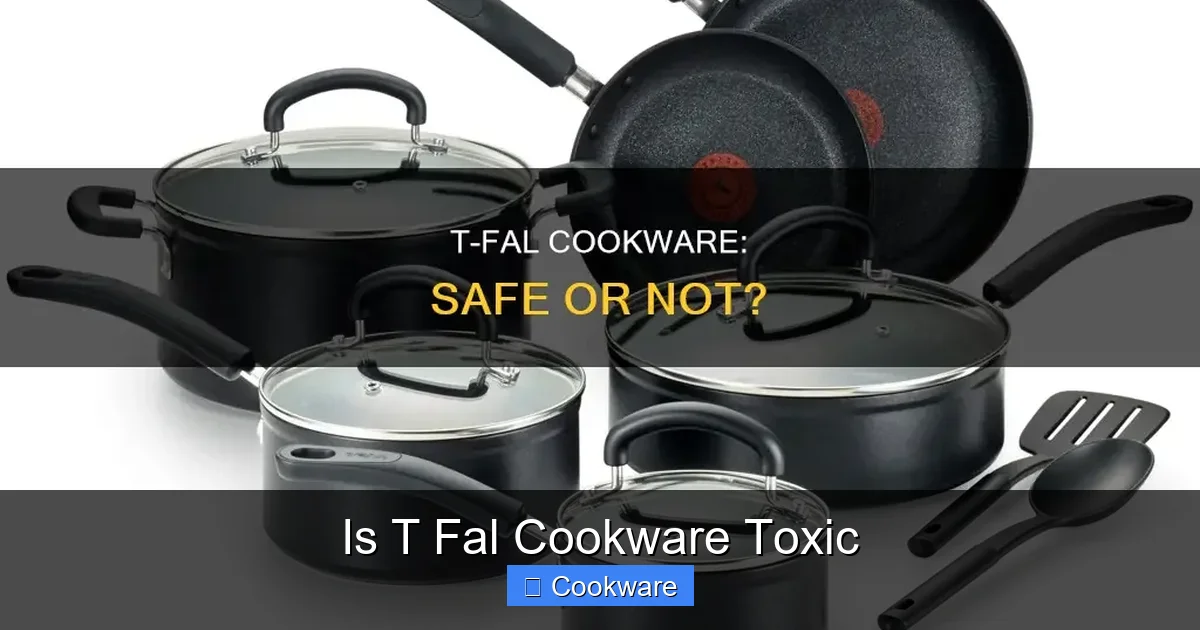
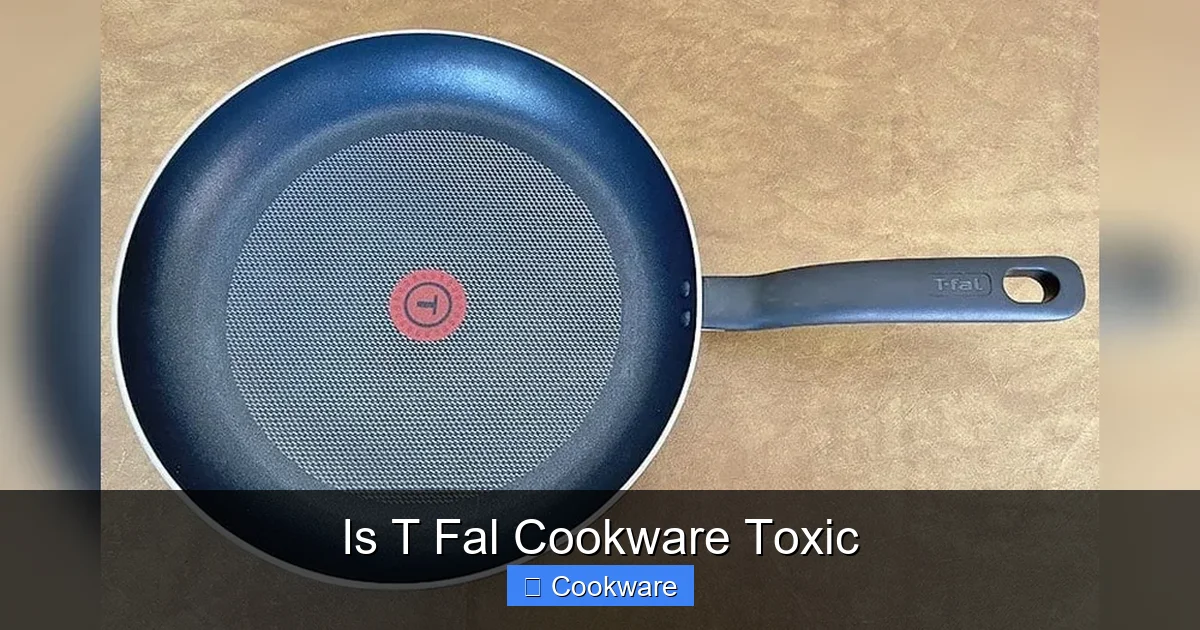
Yes, T Fal cookware is safe for everyday use when properly maintained. Modern T Fal products are PFOA-free and meet FDA and CPSC safety standards. However, avoid overheating and use non-metallic utensils to preserve the non-stick coating.
Visual guide about Is T Fal Cookware Toxic
Image source: cycookery.com
Visual guide about Is T Fal Cookware Toxic
Image source: cookwareguider.com
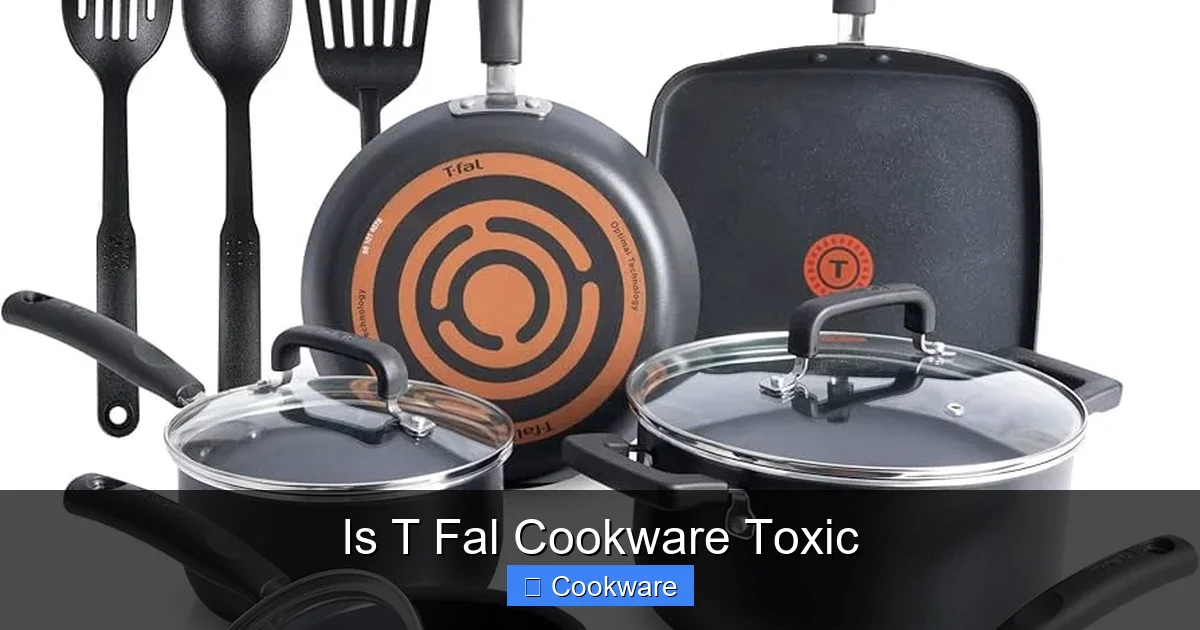
Visual guide about Is T Fal Cookware Toxic
Image source: m.media-amazon.com
Can T Fal Cookware Be Used on Induction Stoves?
Some T Fal cookware is induction-compatible, but not all models work with induction cooktops. Check the product specifications for a magnetic base, which is required for induction cooking. Stainless steel T Fal pans are generally safe for induction stoves.
How Long Does T Fal Cookware Last?
The lifespan of T Fal cookware depends on usage and care. Non-stick pans typically last 1-3 years with regular use, while stainless steel or aluminum sets can last much longer. Avoid metal utensils and abrasive cleaners to extend their longevity.
Are T Fal Ceramic Coatings Better Than PTFE?
T Fal’s ceramic coatings (like Diamond Advanced) are PFOA-free and marketed as safer than traditional PTFE. However, both materials are safe when used correctly. Ceramic coatings may be more eco-friendly but can be less durable than PTFE in the long run.
What Should I Do If My T Fal Pan Starts Peeling?
If the non-stick coating on your T Fal pan starts peeling, stop using it immediately. Ingesting flaked material can be harmful. Dispose of the pan and replace it with a new one. Proper storage and gentle cleaning can prevent this issue.
Is T Fal Cookware Dishwasher-Safe?
Many T Fal products are labeled as dishwasher-safe, but hand washing is recommended to protect the non-stick coating. If you use a dishwasher, place the pan on the top rack and avoid harsh detergents.
Frequently Asked Questions
What is Is T Fal Cookware Toxic?
Is T Fal Cookware Toxic is an important topic with many practical applications.