Cookware Without Nonstick Coating
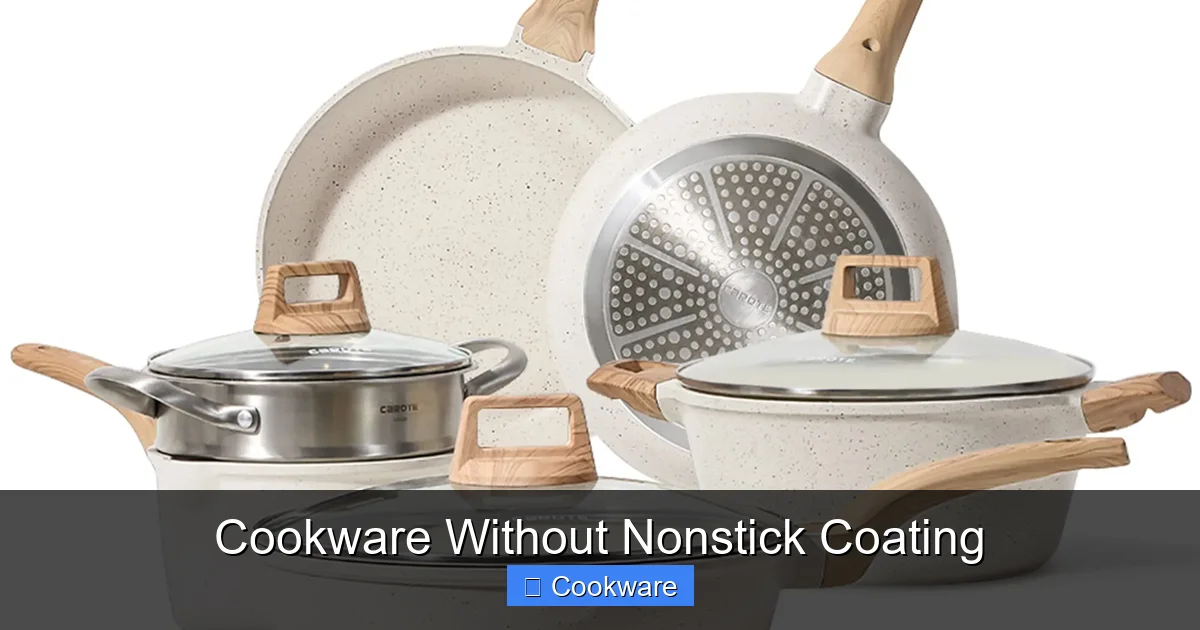
Cookware without nonstick coating offers a natural, durable alternative to slick surfaces, letting you sear, brown, and deglaze with confidence. From stainless steel to cast iron, this guide explains why many chefs prefer coating‑free pans, how to pick the right material, and simple tricks to keep them performing at their best.
Key Takeaways
- Longevity: Coating‑free pans usually outlast their nonstick counterparts by years.
- Health safety: No risk of scratched PTFE or PFOA particles leaching into food.
- Versatility: Materials like stainless steel and cast iron work on any heat source, including induction.
- Flavor development: Properly seasoned pans create a natural “non‑stick” surface and add depth to dishes.
- Easy maintenance: With the right cleaning routine, these pans stay rust‑free and looking new.
- Cost‑effective: While the upfront price can be higher, the long‑term value is unbeatable.
- Eco‑friendly: Fewer chemicals mean less environmental impact over the pan’s life cycle.
📑 Table of Contents
- Why Choose Cookware Without Nonstick Coating?
- Popular Materials for Non‑Coated Cookware
- How to Choose the Right Pan for Your Kitchen
- Seasoning Your Cookware: The Natural Nonstick Upgrade
- Cooking Techniques That Shine With Coating‑Free Pans
- Cleaning and Maintaining Your Coating‑Free Cookware
- Environmental and Cost Considerations
- Frequently Overlooked Tips
- Conclusion
Why Choose Cookware Without Nonstick Coating?
When you hear “nonstick,” you probably think of easy‑release eggs and quick clean‑ups. But the reality is a bit more complicated. Many nonstick surfaces are made from PTFE (commonly known as Teflon) and may contain PFOA or other chemicals that can break down at high temperatures. Over time, scratches and wear can release these substances into your food.
Cookware without nonstick coating eliminates that worry entirely. Materials such as stainless steel, carbon steel, and cast iron rely on the metal itself—and, in some cases, a well‑maintained seasoning layer—to provide a naturally slick cooking surface. The result is a pan that can handle searing, deglazing, and browning without the health concerns associated with synthetic coatings.
Health Benefits
- No chemical leaching: Pure metal surfaces stay inert, even when the temperature spikes above 500°F.
- Better for high‑heat cooking: You can achieve the Maillard reaction—those delicious browned bits—without fearing toxic fumes.
- Allergy‑friendly: No hidden polymers means fewer triggers for sensitive eaters.
Performance Advantages
Coating‑free pans develop a “patina” over time. This natural layer improves release properties and adds a subtle, savory flavor to dishes. With practice, you’ll notice that foods slide off as easily as they would from a modern nonstick skillet—only the flavor is richer.
Popular Materials for Non‑Coated Cookware
Not all metals behave the same way. Below is a quick rundown of the most common options, their strengths, and the best uses for each.
Visual guide about Cookware Without Nonstick Coating
Image source: foodandwine.com
Stainless Steel
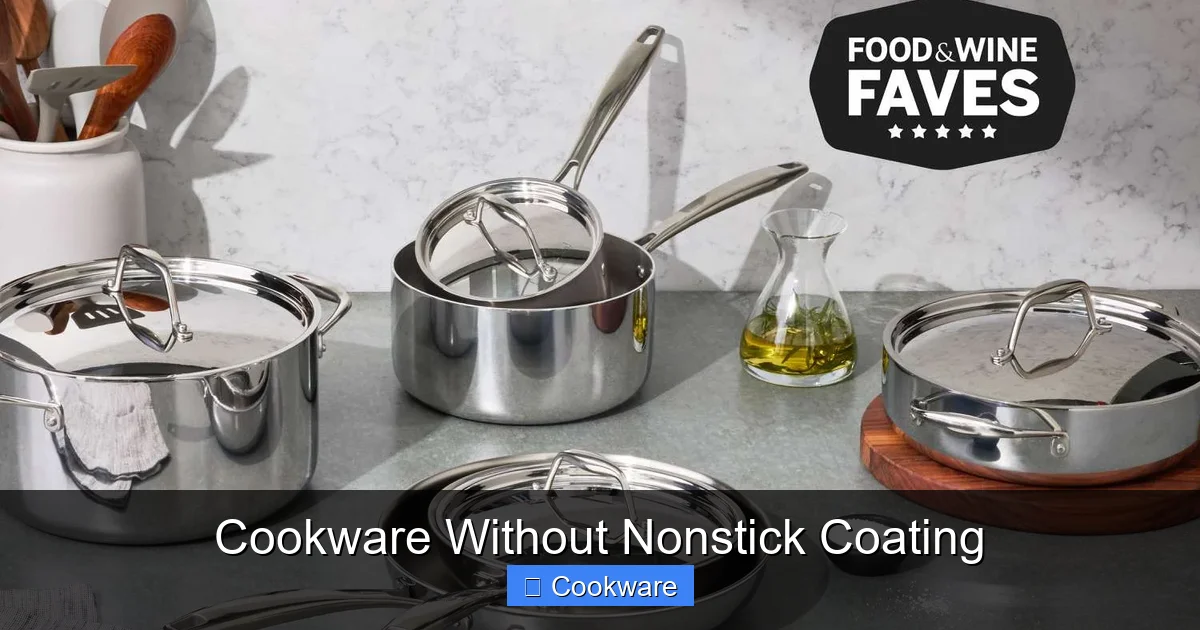
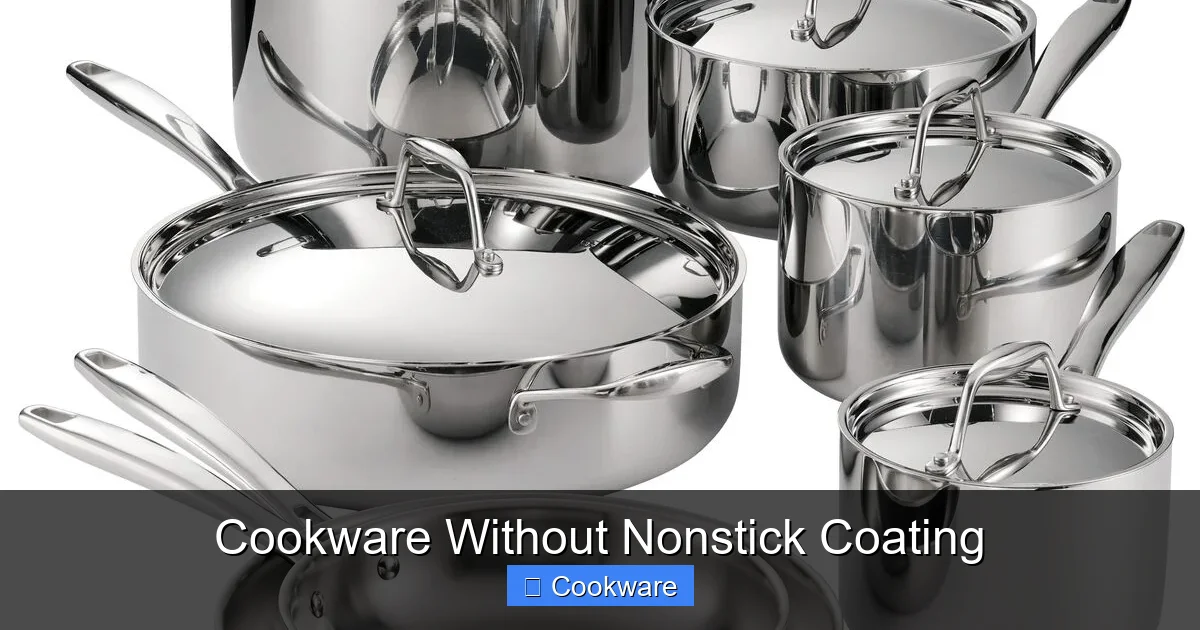
Stainless steel is the workhorse of professional kitchens. It’s non‑reactive, dishwasher safe, and looks sleek. While it doesn’t have the natural stick‑resistance of cast iron, a proper pre‑heat and oiling technique creates a temporary nonstick effect.
If you need cookware that works on induction, look for magnetic‑grade stainless (often labeled 18/10). Our best stainless steel cookware for induction cooktop guide dives deeper into top picks.
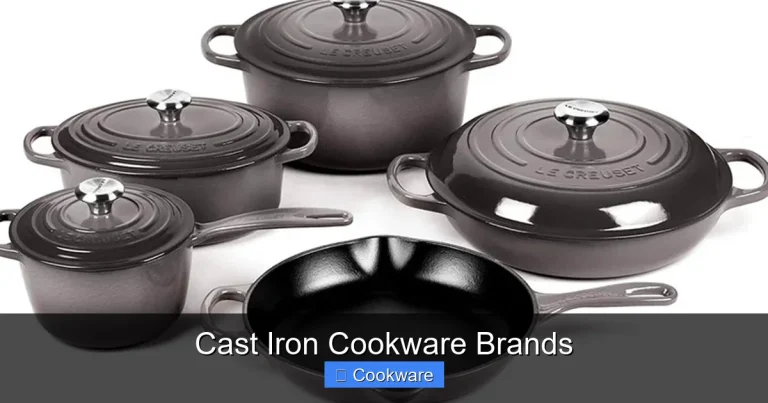
Cast Iron
Cast iron is the ultimate “seasoned” pan. Once you build up a layer of polymerized oil, it becomes naturally nonstick and adds iron to your diet. It excels at searing steaks, baking cornbread, and slow‑cooking stews.
For a ready‑made set, consider the best 20 piece signature cast iron cookware set. Remember to dry it thoroughly after washing to avoid rust.
Carbon Steel
Carbon steel sits between stainless and cast iron. It heats up faster than cast iron and can be seasoned just like its heavier cousin. Many professional woks and sauté pans are carbon steel because they respond quickly to temperature changes.
Hard‑Anodized Aluminum (Coating‑Free Versions)
While many hard‑anodized pans come with a nonstick layer, some manufacturers offer a plain, coating‑free finish. The anodization process hardens the surface, making it resistant to scratches and corrosion. Pair it with a stainless steel or silicone utensil to keep the surface pristine.
Our best hard anodized dishwasher safe cookware set review includes both coated and non‑coated options for comparison.
How to Choose the Right Pan for Your Kitchen
Picking the perfect piece can feel overwhelming, but focus on three key factors: heat source compatibility, cooking style, and maintenance willingness.
Visual guide about Cookware Without Nonstick Coating
Image source: kitchenbap.com
Heat Source Compatibility
- Induction: Look for magnetic stainless steel or cast iron.
- Gas/Electric: Most materials work, but thin carbon steel offers faster response.
- Oven‑Safe: Cast iron and many stainless steel pans can go from stovetop to oven (often up to 500°F).
Cooking Style
If you love searing, a heavy‑bottomed cast iron skillet is unbeatable. For quick sautéing or deglazing, a stainless steel sauté pan with a wide mouth works best. Wok lovers should gravitate toward carbon steel for that classic “wok hei” flavor.
Maintenance Commitment
Cast iron demands seasoning and careful drying. Stainless steel is low‑maintenance but can show water spots. Carbon steel falls in the middle—seasoning is needed, but the pan is lighter.
Seasoning Your Cookware: The Natural Nonstick Upgrade
Seasoning isn’t just for cast iron. Any bare metal pan can develop a protective, slightly sticky surface that actually repels food after a few uses.
Visual guide about Cookware Without Nonstick Coating
Image source: thekitcheneye.com
Step‑by‑Step Seasoning Guide
- Clean: Wash the pan with hot, soapy water and dry thoroughly.
- Heat: Place the pan on medium heat until it starts to smoke lightly.
- Oil: Add a thin layer of high‑smoke‑point oil (flaxseed, grapeseed, or avocado). Use a paper towel to spread evenly.
- Cool: Remove from heat and let the pan cool completely. Wipe excess oil.
- Repeat: Do this 3‑5 times for a durable layer.
After a few cycles, you’ll notice food sliding off with less effort. This process also protects the metal from rust and oxidation.
Cooking Techniques That Shine With Coating‑Free Pans
Transitioning from a nonstick skillet to a bare metal one can feel tricky at first. Here are simple tricks to get you cooking like a pro.
Pre‑Heating Properly
Always let the pan heat for 2‑3 minutes before adding oil. A drop of water should sizzle and evaporate instantly. This step creates a microscopic barrier that helps prevent sticking.
Using the Right Amount of Fat
Coating‑free pans need a bit more oil than their Teflon cousins. A teaspoon for a 10‑inch skillet is a good starting point. Too little oil leads to sticking; too much can cause splatter.
Deglazing for Flavor
After searing meat, pour a splash of wine, broth, or even water into the hot pan. The liquid will lift the caramelized bits (fond) and turn them into a quick sauce—something you can’t do on a true nonstick surface.
Examples
- Perfect Steak: Heat a cast‑iron skillet until it’s smoking hot, add a tablespoon of oil, then sear each side for 3–4 minutes. Finish with butter, garlic, and thyme, then deglaze with red wine.
- Stir‑Fry: Use a carbon‑steel wok, pre‑heat, add a thin coat of oil, and toss vegetables quickly over high heat. The wok’s shape and seasoning keep food from sticking.
- Pan‑Roasted Chicken: Start on the stovetop in a stainless sauté pan to brown the skin, then transfer to a 400°F oven to finish cooking evenly.
Cleaning and Maintaining Your Coating‑Free Cookware
Proper care keeps your pans looking new and extends their life. Below are easy, everyday routines.
General Cleaning Rules
- Cool Before Washing: Sudden temperature changes can warp metal.
- Avoid Abrasive Pads: Use a soft sponge or non‑scratching brush.
- Dishwasher Use: Stainless steel and hard‑anodized aluminum are usually dishwasher safe; cast iron should never go in the machine.
Removing Stuck‑On Bits
Fill the pan with water, add a teaspoon of baking soda, and bring to a gentle boil. The steam loosens residue, making it easy to wipe away. For stubborn spots, a paste of coarse salt and oil works as a gentle abrasive.
Re‑Seasoning Cast Iron and Carbon Steel
If the seasoning looks dull or rust appears, repeat the seasoning steps outlined earlier. A quick oil‑wipe after each wash helps maintain the protective layer.
Environmental and Cost Considerations
Choosing cookware without nonstick coating isn’t just about health; it’s also a greener, more economical decision.
Eco‑Friendly Aspects
These pans contain fewer synthetic chemicals, reducing manufacturing waste. They also last for decades, meaning fewer replacements and less landfill waste.
Cost Over Time
While a quality cast‑iron skillet may cost $30–$60, a premium stainless set can run $200–$400. Compare that to replacing a cheap nonstick pan every 1–2 years, and the savings become clear.
Frequently Overlooked Tips
- Use the Right Utensils: Wood, silicone, or stainless steel (if the pan is stainless) prevent surface scratches.
- Store Properly: Place a paper towel between stacked pans to avoid nicks.
- Mind the Acid: Prolonged cooking of highly acidic foods (tomatoes, vinegar) can strip seasoning on cast iron; use stainless for those recipes.
Conclusion
Cookware without nonstick coating offers a blend of health safety, durability, and culinary performance that modern coated pans often can’t match. By understanding the materials, mastering seasoning, and applying simple cooking techniques, you can enjoy perfectly seared steaks, crisp sautéed veggies, and rich pan sauces—all without worrying about harmful chemicals.
Investing in a few high‑quality, coating‑free pieces may feel like a bigger upfront cost, but the long‑term benefits—both to your health and your wallet—make it a smart kitchen upgrade. Give your pans a chance, and you’ll soon discover that the best flavor often comes from the simplest, most natural surfaces.
Frequently Asked Questions
Is cookware without nonstick coating safe for high‑heat cooking?
Yes. Metals like stainless steel, cast iron, and carbon steel can safely reach temperatures above 500°F without releasing harmful chemicals, making them ideal for searing and stir‑frying.
Do I need to season a stainless steel pan?
Seasoning isn’t required for stainless steel, but a light coating of oil after heating can create a temporary nonstick surface and improve food release.
Can I wash cast iron in the dishwasher?
No. Dishwasher detergents strip the seasoning and promote rust. Hand wash with warm water, dry immediately, and apply a thin oil layer.
How do I know if my pan is induction‑compatible?
Place a magnet on the bottom of the pan; if it sticks firmly, the pan will work on an induction cooktop. Most magnetic stainless steels and all cast iron are induction‑ready.
Will cooking acidic foods damage my seasoned cast iron?
Extended cooking of very acidic foods can wear down the seasoning. For recipes like tomato sauces, a stainless steel pan is a safer choice.
Is hard‑anodized aluminum without coating truly non‑stick?
Plain hard‑anodized aluminum is very smooth and resistant to sticking, but it isn’t as slick as a seasoned surface. Using a bit of oil and proper pre‑heating will give you excellent release.