How to Cook Boneless Lamb Leg in Oven
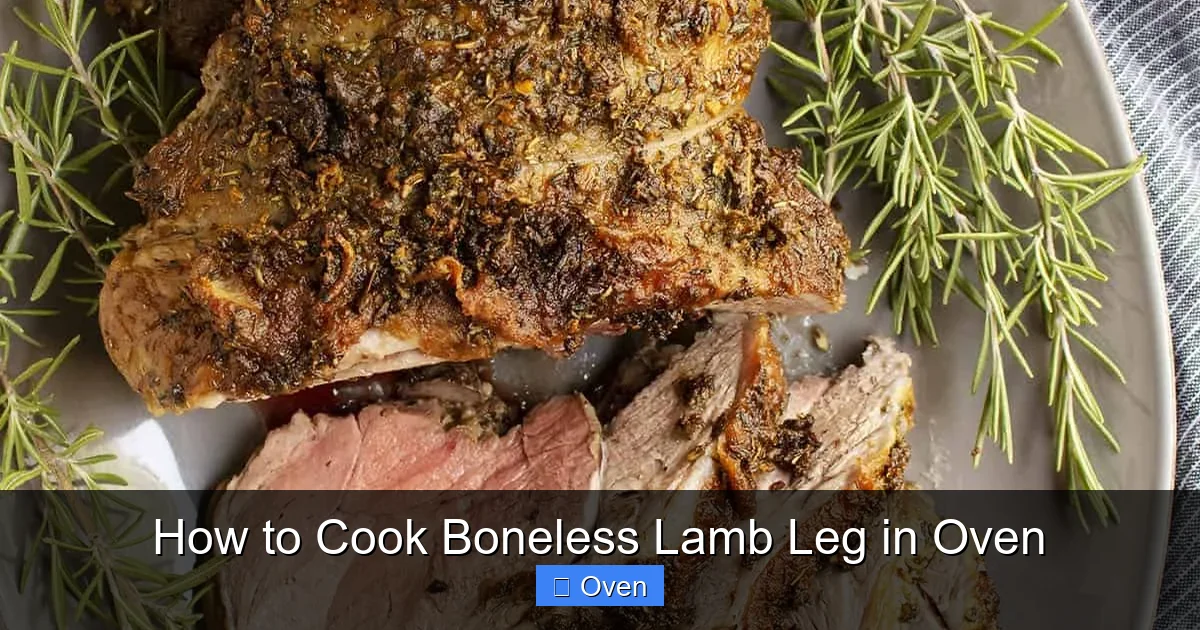
Looking for a fool‑proof way to roast a boneless lamb leg? This guide walks you through seasoning, temperature tricks, and cooking times so the meat stays tender and full of flavor. Follow the simple steps and serve a restaurant‑quality roast without the hassle.
Key Takeaways
- Season early: Let the lamb sit with herbs and spices for at least 30 minutes before it hits the oven.
- Use a meat thermometer: Aim for 135 °F for medium‑rare, 145 °F for medium, and 155 °F for well‑done.
- Rest before slicing: A 15‑minute rest locks in juices and makes carving easy.
- Low‑and‑slow vs. high‑heat finish: Start low to cook evenly, then finish high for a caramelized crust.
- Versatile side options: Pair with roasted vegetables, mint sauce, or a simple pan gravy.
- Make ahead: The roast can be cooked a day ahead and reheated gently without drying out.
- Safety tip: Always wash hands and surfaces after handling raw lamb.
📑 Table of Contents
- Why a Boneless Lamb Leg Is a Great Choice
- Choosing and Preparing Your Lamb
- Setting Up the Oven
- Cooking Times and Temperature Guide
- Step‑by‑Step Cooking Process
- Making a Quick Pan Gravy
- Side Dish Pairings
- Tips for Success
- Common Mistakes and How to Avoid Them
- Frequently Asked Questions (FAQs)
- Conclusion
Why a Boneless Lamb Leg Is a Great Choice
Boneless lamb leg is the sweet spot between flavor and convenience. Unlike a bone‑in roast, it’s easier to carve and fits nicely on most oven racks. The meat is naturally tender, but it can become dry if overcooked. By mastering the right oven technique, you’ll get a juicy interior with a golden, slightly crisp crust—perfect for family dinners or special occasions.
Many home cooks think lamb is intimidating, yet the process is similar to roasting a chicken or beef roast. The key is simple seasoning, controlled heat, and a reliable thermometer. Below you’ll find a friendly, step‑by‑step plan that even a beginner can follow.
Choosing and Preparing Your Lamb
What to Look for at the Store
Pick a leg that weighs between 3 – 5 pounds for a standard family size. Look for a deep pink color and a thin layer of fat—this fat renders during cooking, keeping the meat moist and adding flavor. If the piece is tied, you can leave the twine on; it helps the roast keep its shape.
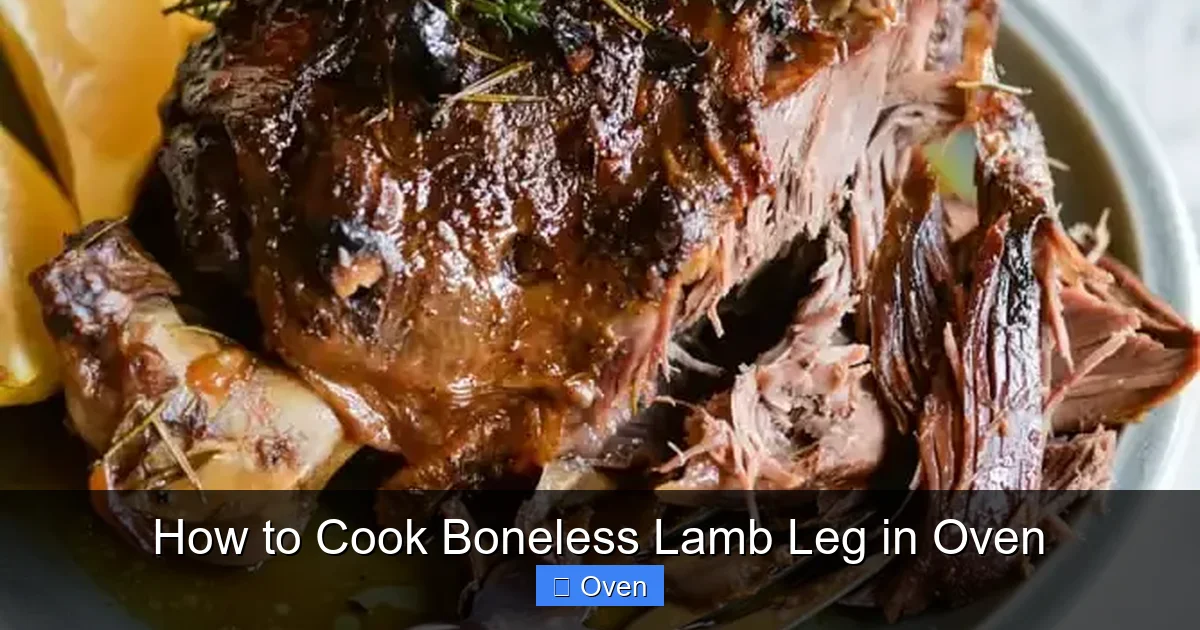
Visual guide about How to Cook Boneless Lamb Leg in Oven
Image source: i.pinimg.com
Trimming and Tying (If Needed)
Trim excess silverskin (a tough, white membrane) with a sharp knife. It won’t melt away and can make the roast chewy. If the leg is not already tied, use kitchen twine to create a uniform shape—this ensures even cooking.
Seasoning Basics
The classic herb mix for lamb includes rosemary, garlic, thyme, salt, and pepper. For extra depth, add a tablespoon of Dijon mustard and a splash of olive oil. Here’s a quick rub recipe:
- 2 tbsp olive oil
- 4 cloves garlic, minced
- 2 tbsp fresh rosemary, chopped
- 1 tbsp fresh thyme leaves
- 1 tsp kosher salt
- ½ tsp black pepper
- 1 tbsp Dijon mustard (optional)
Mix everything in a bowl, then massage the rub all over the lamb. Let it sit at room temperature for 30 minutes; this helps the seasoning penetrate and reduces oven‑time shock.
Setting Up the Oven
Low‑and‑Slow Start
Preheat your oven to **275 °F (135 °C)**. This gentle heat cooks the meat evenly from edge to center, preventing a gray band near the bone (or in this case, the center). Place the lamb on a rack inside a roasting pan; the rack allows air circulation and catches drippings for gravy.
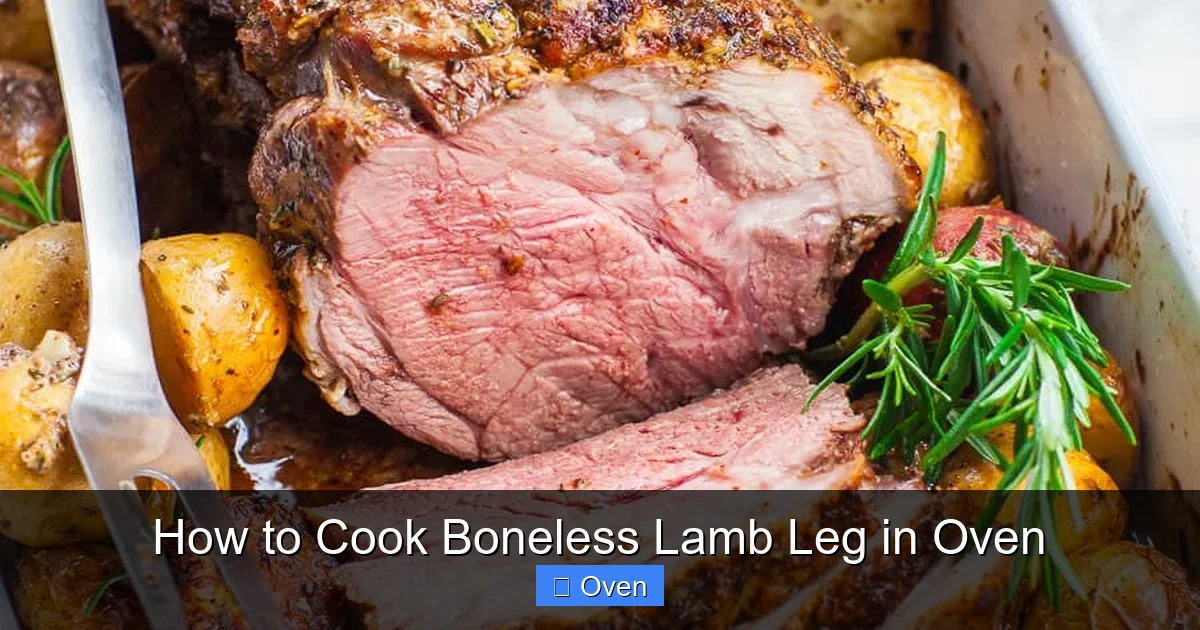
Visual guide about How to Cook Boneless Lamb Leg in Oven
Image source: tatyanaseverydayfood.com
High‑Heat Finish for Crust
After the low‑and‑slow stage, increase the oven temperature to **475 °F (245 °C)** for the last 15‑20 minutes. This high heat creates a caramelized crust that’s full of flavor and texture.
Cooking Times and Temperature Guide
Cooking time varies with size and desired doneness. Use the chart below as a baseline, but always rely on a meat thermometer for accuracy.
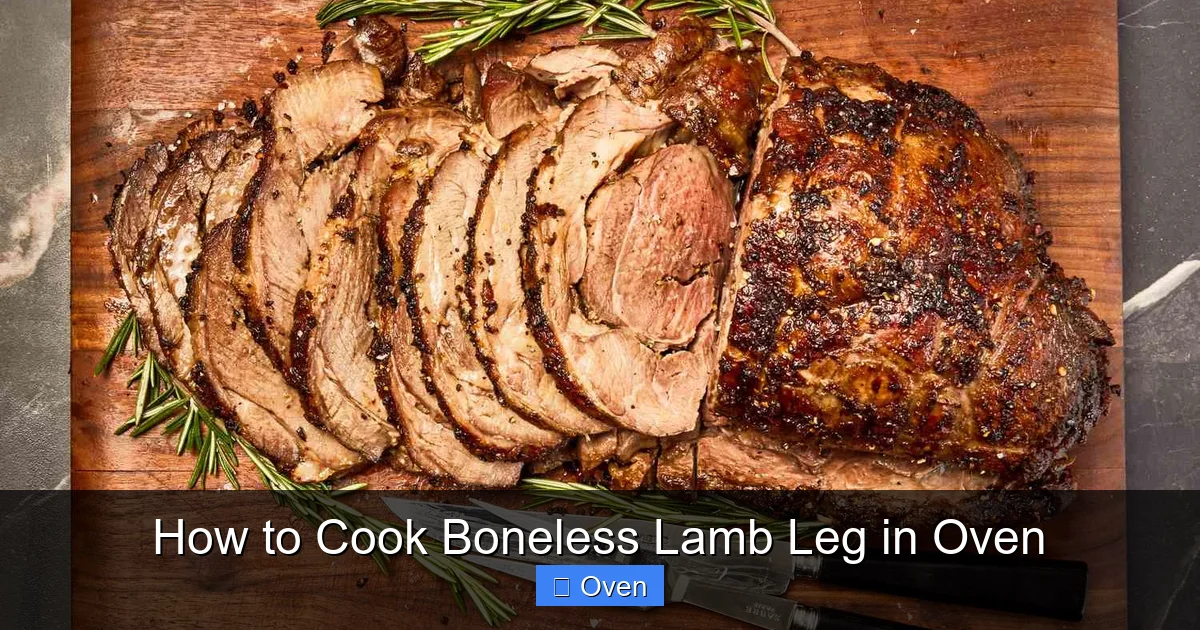
Visual guide about How to Cook Boneless Lamb Leg in Oven
Image source: seriouseats.com
| Weight | Medium‑Rare (135 °F) | Medium (145 °F) | Well‑Done (155 °F) |
|---|---|---|---|
| 3 lb | ≈ 1 hr 30 min | ≈ 1 hr 45 min | ≈ 2 hr |
| 4 lb | ≈ 1 hr 45 min | ≈ 2 hr | ≈ 2 hr 15 min |
| 5 lb | ≈ 2 hr | ≈ 2 hr 15 min | ≈ 2 hr 30 min |
Insert the thermometer into the thickest part of the roast. Remember, the meat will continue to rise about 5 °F while resting.
Step‑by‑Step Cooking Process
1. Preheat and Prepare
Set the oven to 275 °F. While it heats, pat the seasoned lamb dry with paper towels. This helps the rub form a crust later.
2. Roast Low
Place the lamb on the rack, fat side up, and insert the thermometer. Roast for **75 % of the total time** indicated in the chart. For a 4‑lb roast aiming for medium, that’s about 1 hour 30 minutes.
3. Rest Mid‑Roast (Optional)
If you want extra tenderness, pull the roast out at the 75 % mark, cover loosely with foil, and let it rest for 10 minutes. The internal temperature will rise a few degrees, then you can finish the high‑heat step.
4. High‑Heat Finish
Increase oven temperature to 475 °F. Return the roast (uncovered) and roast for another 15‑20 minutes, or until the crust is deep golden and the thermometer reads 5 °F below your target.
5. Final Rest
Remove the lamb, tent with foil, and let it rest for **15 minutes**. This step is crucial—resting redistributes juices, making each slice succulent.
6. Carve and Serve
Slice against the grain, about ½ inch thick. Serve with mint sauce, roasted potatoes, or a simple pan gravy made from the drippings.
Making a Quick Pan Gravy
While the meat rests, place the roasting pan on the stovetop over medium heat. Add 1 cup of chicken or beef broth, scrape up the browned bits, and whisk in 1 tbsp flour for thickness. Simmer 3‑4 minutes, season with salt and pepper, and pour over the sliced lamb.
Side Dish Pairings
Boneless lamb leg pairs beautifully with a range of sides. Here are three crowd‑pleasers that complement the herb‑y flavor:
- Roasted Garlic‑Lemon Potatoes: Toss quartered potatoes with olive oil, minced garlic, lemon zest, and rosemary. Roast at 400 °F for 30‑35 minutes.
- Honey‑Glazed Carrots: Cook sliced carrots with butter, honey, and a pinch of cumin until tender and caramelized.
- Mint‑Yogurt Sauce: Mix Greek yogurt, fresh mint, a dash of lemon juice, and a pinch of salt. Chill before serving.
Tips for Success
- Start with room‑temperature meat: Reduces cooking time and promotes even doneness.
- Don’t over‑crowd the pan: Air needs to circulate for a good crust.
- Use an instant‑read thermometer: It’s the most reliable way to hit your preferred doneness.
- Save the drippings: They’re gold for gravy or a flavorful base for soups.
- Plan ahead: The roast can be made a day early; simply reheat gently at 300 °F covered with foil.
Common Mistakes and How to Avoid Them
Cooking at Too High a Temperature From the Start
High heat can scorch the outside while leaving the interior undercooked. Stick to the low‑and‑slow start.
Skipping the Rest Period
Cutting into the roast immediately releases all the juices, leaving the meat dry. The 15‑minute rest is non‑negotiable.
Relying on Time Alone
Oven variances mean time is only a guide. A thermometer prevents guessing and ensures safety.
Frequently Asked Questions (FAQs)
Can I cook a boneless lamb leg in a convection oven?
Yes. Reduce the temperature by 25 °F (about 15 °C) and check the internal temperature a few minutes earlier than the standard times.
What’s the best way to store leftovers?
Cool the sliced lamb to room temperature, then refrigerate in an airtight container for up to 4 days. Reheat gently in a low oven or microwave with a splash of broth.
Is it okay to use the same seasoning for a bone‑in leg?
Absolutely. The same herb rub works well on bone‑in cuts; just add a few extra minutes to the cooking time.
Can I add vegetables directly to the roasting pan?
Yes. Place sturdy veggies (like carrots, onions, and parsnips) around the roast after the first hour; they’ll absorb flavor from the drippings.
How do I know if the lamb is done without a thermometer?
If you must guess, press the meat—medium‑rare feels firm but springs back slightly. However, a thermometer is the safest method.
Will the meat stay juicy if I freeze it?
Freeze sliced lamb in a single layer on a tray, then transfer to a freezer bag. Thaw in the refrigerator and reheat gently to retain moisture.
Conclusion
Cooking a boneless lamb leg in the oven doesn’t have to be a daunting task. By following the low‑and‑slow start, finishing with a high‑heat blast, and respecting the rest period, you’ll serve a roast that’s juicy, tender, and bursting with herbaceous flavor. Pair it with simple sides, drizzle with a pan gravy, and enjoy a restaurant‑quality meal at home.
Ready to try it? For more variations, check out our guide on how to cook butterflied leg of lamb in oven, or learn the perfect timing for how long to bake lamb chops in the oven. If you’re new to roasting, our step‑by‑step article on how to cook boneless leg of lamb in oven offers additional tips and video walkthroughs.
Frequently Asked Questions
What oven temperature should I use for a medium‑rare boneless lamb leg?
Start at 275 °F for the bulk of the cooking, then finish at 475 °F for 15‑20 minutes to develop a crust.
How long can I keep the cooked lamb in the refrigerator?
Store sliced lamb in an airtight container for up to four days. Reheat gently to keep it moist.
Do I need to baste the lamb while it roasts?
Basting isn’t required, but spooning a little pan drippings over the meat halfway through can add extra flavor.
Can I use a slow cooker instead of an oven?
Yes, but the texture will be different. A slow cooker yields very tender meat but lacks the crispy exterior you get from a high‑heat oven finish.
Is it safe to cook a frozen boneless lamb leg?
It’s best to thaw the roast completely first. Cooking from frozen can lead to uneven doneness and a dry exterior.
What herbs work best with lamb?
Rosemary, thyme, mint, and garlic are classic pairings. You can also experiment with oregano, sage, or a splash of harissa for heat.