How to Cook Boneless Leg of Lamb in Oven
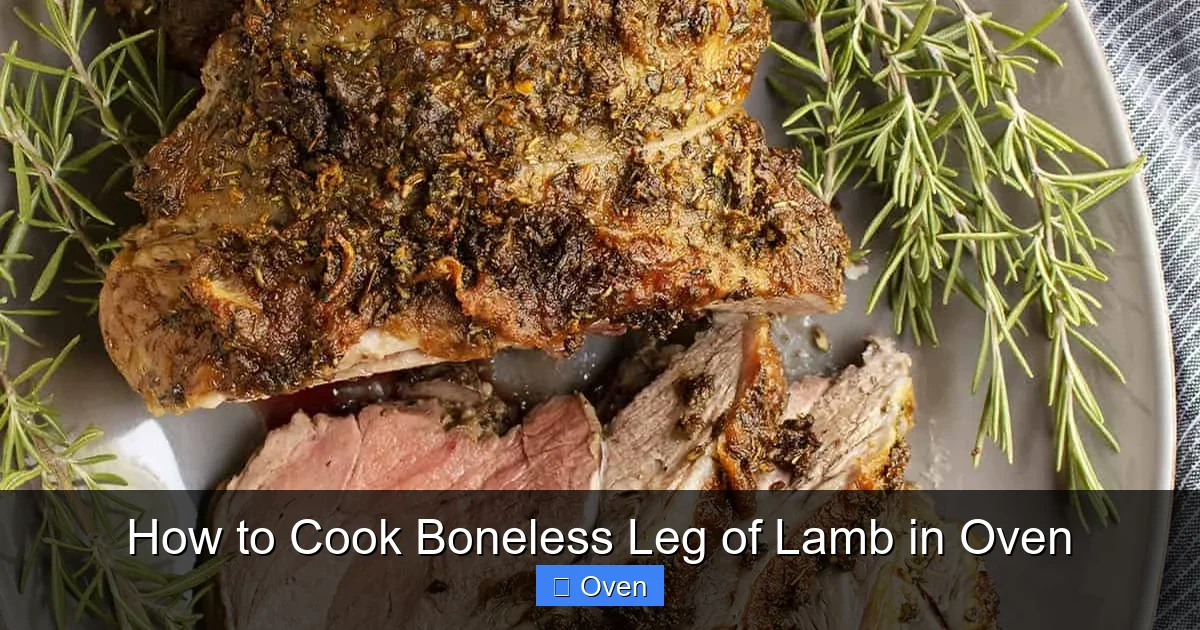
Want a tender, juicy boneless leg of lamb without the guesswork? This guide walks you through selecting the right cut, seasoning it, and roasting it to perfection in your oven. Follow the simple steps and enjoy a restaurant‑quality lamb roast at home.
Key Takeaways
- Season early: Apply a dry rub or marinate at least 2 hours before cooking for deeper flavor.
- Room‑temperature meat: Let the lamb sit out for 30 minutes so it cooks evenly.
- Correct oven temperature: Start high (450°F/230°C) then finish low (325°F/165°C) for a perfect crust.
- Use a meat thermometer: Aim for 135°F/57°C for medium‑rare, 150°F/66°C for medium.
- Rest before slicing: 15 minutes of rest locks in juices and makes carving easy.
- Pairings: Serve with roasted vegetables like yellow potatoes or a fresh salad for a complete meal.
- Leftover ideas: Thinly sliced lamb works great in sandwiches, salads, or quick stir‑fries.
📑 Table of Contents
Introduction: Why Roast a Boneless Leg of Lamb?
There’s something special about a beautifully roasted leg of lamb. The meat is naturally tender, and when you remove the bone you get an even shape that cooks uniformly. That makes it a favorite for busy families and for anyone who wants a show‑stopping centerpiece without the hassle of a bone‑in roast.
Cooking a boneless leg of lamb in the oven is straightforward, but a few little tricks separate a good roast from a great one. In this article you’ll learn how to choose the right cut, how to season it for maximum flavor, the exact oven settings you need, and how to carve it like a pro. By the end, you’ll be confident enough to serve lamb at holidays, dinner parties, or a simple weeknight feast.
1. Picking the Perfect Lamb
Size matters
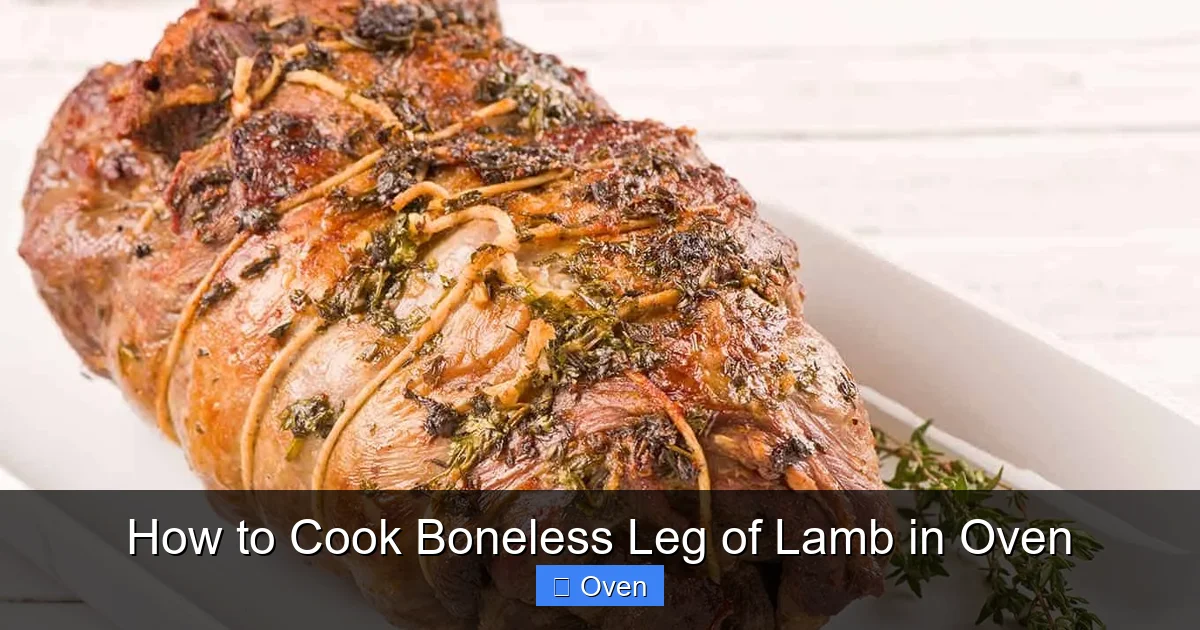
A typical boneless leg of lamb weighs between 4 and 6 pounds (1.8 – 2.7 kg). That size fits comfortably on most roasting pans and gives you enough meat for 6‑8 servings. If you’re feeding a smaller crowd, you can ask your butcher to cut a 3‑pound piece, but remember that cooking time will be shorter.
Visual guide about How to Cook Boneless Leg of Lamb in Oven
Image source: mygourmetconnection.com
Look for quality
- Color: Fresh lamb should be a deep pink‑red, not gray.
- Fat layer: A thin, even cap of fat (about ¼‑inch) adds flavor and keeps the meat moist.
- Marbling: Small streaks of intramuscular fat signal tenderness.
Ask the butcher
If you’re unsure, let the butcher know you plan to roast it whole. They can trim excess silverskin (a tough, white membrane) and may even tie the roast with kitchen twine, which helps it keep a uniform shape while cooking.
2. Preparing the Lamb: Seasoning & Marinating
Dry rub vs. wet marinade
Both work, but a dry rub is faster and creates a crispy crust. A wet marinade (olive oil, garlic, herbs, lemon juice) adds moisture and deeper flavor if you have time.
Visual guide about How to Cook Boneless Leg of Lamb in Oven
Image source: ifoodreal.com
Simple dry‑rub recipe
- 2 tbsp kosher salt
- 1 tbsp freshly ground black pepper
- 2 tsp garlic powder
- 2 tsp dried rosemary
- 1 tsp dried thyme
- 1 tbsp smoked paprika (optional for a subtle smoky note)
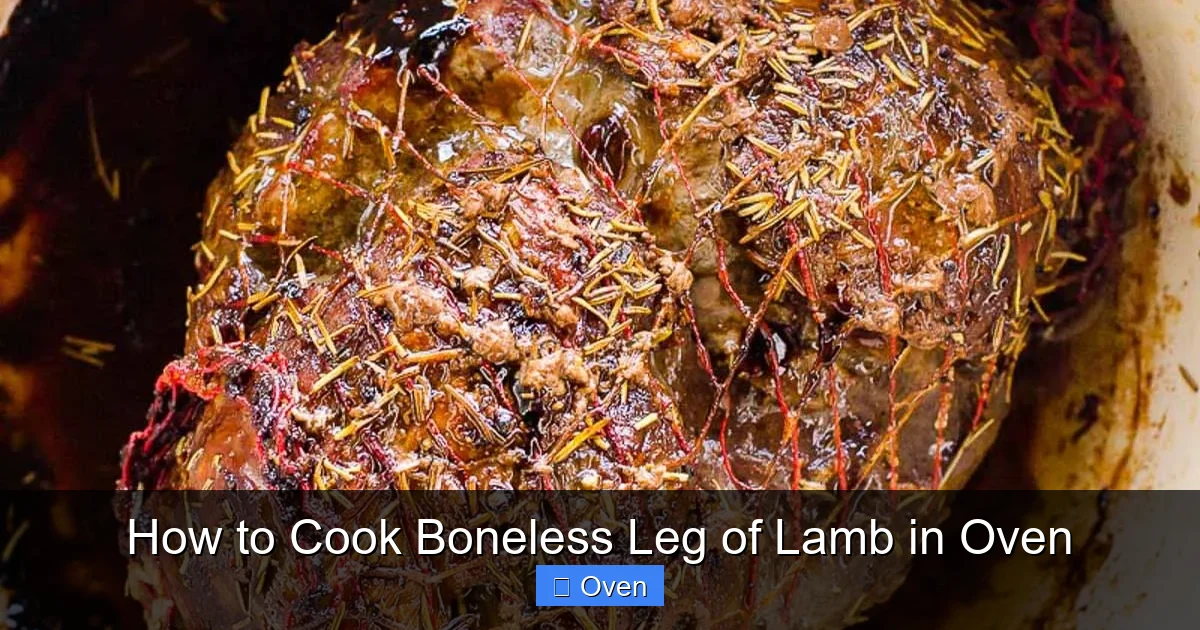
Mix the spices in a bowl, then pat the lamb dry with paper towels. Rub the mixture all over the meat, pressing it into the fat cap.
Marinating for extra depth
If you prefer a wet approach, combine ¼ cup olive oil, the zest of one lemon, 3 cloves minced garlic, 2 tbsp chopped fresh rosemary, and a pinch of salt. Place the lamb in a zip‑top bag, pour the marinade over it, seal, and refrigerate for 4‑12 hours. Remember to bring the meat back to room temperature before roasting.
Let it rest before cooking
After seasoning, let the lamb sit uncovered on a rack for at least 30 minutes. This step lets the surface dry slightly, which encourages a beautiful crust.
3. Setting Up Your Oven and Roasting Pan
Choosing the right pan
A sturdy, shallow roasting pan with a rack is ideal. The rack lifts the meat, allowing hot air to circulate and preventing the bottom from steaming. If you don’t have a rack, a bed of sliced onions, carrots, and the yellow potatoes works as a natural lift and adds flavor.
Pre‑heat and temperature strategy
Start the oven at 450°F (230°C) for the first 15 minutes. This high heat creates a caramelized crust. Then lower the temperature to 325°F (165°C) for the remainder of the cook. This two‑stage method gives you a golden exterior and a tender interior.
Adding aromatics
Scatter a few sprigs of rosemary, thyme, and a halved onion around the lamb. They steam with the meat, infusing the juices with subtle herbaceous notes.
4. Cooking Times and Temperature Guide
General rule of thumb
For a boneless leg of lamb, estimate 15‑20 minutes per pound at the lowered temperature (325°F). But always rely on a meat thermometer for accuracy.
Temperature chart
| Desired Doneness | Internal Temp (°F) | Internal Temp (°C) | Estimated Total Time |
|---|---|---|---|
| Rare | 125 | 52 | 15 min/lb |
| Medium‑rare | 135 | 57 | 17 min/lb |
| Medium | 150 | 66 | 20 min/lb |
| Well‑done | 160 | 71 | 22 min/lb |
Step‑by‑step cooking process
- Place the seasoned lamb on the rack, fat side up.
- Insert an oven‑safe probe thermometer into the thickest part, avoiding any fat pockets.
- Roast at 450°F for 15 minutes.
- Reduce heat to 325°F and continue roasting. Check the thermometer every 10 minutes after the estimated halfway point.
- When the target internal temperature is reached, remove the roast and tent it loosely with foil.
- Let it rest for 15 minutes before carving.
What if you over‑cook?
Resting helps the juices redistribute, but if the meat is a shade too done, slice it thinly and use it in a lamb stew or stir‑fry. The leftover pieces stay moist when quickly reheated with a splash of broth.
5. Carving, Serving, and Leftover Ideas
How to carve the boneless leg
Place the roast on a cutting board and locate the grain (the direction the muscle fibers run). Slice against the grain in ¼‑inch thick slices for maximum tenderness. A sharp carving knife or electric slicer makes short work of it.
Serving suggestions
- Classic side: Roast the yellow potatoes tossed in olive oil, rosemary, and sea salt.
- Fresh contrast: A simple arugula salad with lemon vinaigrette balances the richness.
- Sauce option: Mint‑yogurt sauce or a red‑wine reduction adds a bright finish.
Creative leftovers
Thinly sliced lamb works wonderfully in:
- Lamb gyro wraps with tzatziki.
- Mixed green salads topped with crumbled feta.
- Quick stir‑fry with bell peppers and a splash of soy sauce.
6. Troubleshooting Common Problems
Dry exterior
If the crust looks dry before the interior is done, cover the roast loosely with foil and continue cooking at the lower temperature. The foil will trap steam and soften the surface.
Uneven cooking
Make sure the roast is roughly the same thickness throughout. If one end is thicker, consider butterflying it (cutting it open and flattening) for uniform heat penetration.
Too much fat rendering
Collect the rendered fat in the pan and use it to baste the lamb during the last 20 minutes. This adds flavor and prevents the meat from drying out.
Conclusion
Cooking a boneless leg of lamb in the oven doesn’t have to be intimidating. With a good cut, proper seasoning, a two‑stage temperature method, and a reliable meat thermometer, you’ll achieve a juicy, flavorful roast every time. Pair it with roasted vegetables, a fresh salad, or a bright mint sauce, and you’ve got a dinner that feels both elegant and home‑cooked. Remember to let the meat rest, carve against the grain, and enjoy the leftovers in creative new dishes. Happy roasting!
Frequently Asked Questions
What temperature should I set my oven to for the initial sear?
Pre‑heat the oven to 450°F (230°C) and roast the lamb for the first 15 minutes. This high heat creates a flavorful crust.
How long should I let the lamb rest before carving?
Cover the roast loosely with foil and let it rest for about 15 minutes. Resting lets the juices redistribute, giving you a moist slice.
Can I use a convection oven for this recipe?
Yes. Reduce the oven temperature by 25°F (≈15°C) and keep an eye on the internal temperature, as convection ovens cook a bit faster.
Is it okay to cook the lamb from frozen?
It’s best to thaw the leg completely before cooking. A frozen roast will cook unevenly and may end up over‑done on the outside while still pink inside.
What side dishes go best with roasted lamb?
Roasted yellow potatoes, sautéed green beans, a fresh arugula salad, or a mint‑yogurt sauce all complement the rich flavor of lamb.
How do I know when the lamb is medium‑rare?
Insert a meat thermometer into the thickest part of the roast. When it reads 135°F (57°C), the lamb is medium‑rare. Remember it will rise a few degrees while resting.