How to Clean an Extremely Dirty Oven
Cleaning a heavily soiled oven doesn’t have to be overwhelming. With the right tools, safety steps, and a clear plan, you can restore shine and avoid harsh chemicals. Follow this guide for a spotless result every time.
Key Takeaways
- Point 1: Gather all cleaning supplies before you start to avoid interruptions.
- Point 2: Always turn off the oven and let it cool completely for safety.
- Point 3: Use a mixture of baking soda and water for a gentle, effective scrub.
- Point 4: Let the cleaning paste sit for at least 15 minutes to loosen baked‑on grime.
- Point 5: Wipe with a damp cloth, then polish with a vinegar solution for a streak‑free finish.
- Point 6: Clean the oven racks separately for a thorough job.
- Point 7: Regular maintenance prevents future heavy buildup.
📑 Table of Contents
- Why Tackle an Extremely Dirty Oven Head‑On?
- Gather Your Supplies First
- Step One: Safety First
- Step Two: Remove Loose Debris
- Step Three: Make the Cleaning Paste
- Step Four: Let It Sit
- Step Five: Scrub Gently
- Step Six: Wipe Clean
- Step Seven: Final Shine with Vinegar
- Step Eight: Replace Racks and Enjoy
- Maintenance Tips to Prevent Future Build‑Up
- Common Mistakes to Avoid
- When to Call a Professional
- Frequently Asked Questions
Why Tackle an Extremely Dirty Oven Head‑On?
An oven that looks like a charcoal briquette can feel impossible to clean. Yet, a clean oven cooks more evenly and lasts longer. When you search for How To Clean An Extremely Dirty Oven, you’re not just chasing sparkle; you’re protecting your appliance and your meals. In this guide we’ll walk you through each step, from safety to shine, using simple language and practical tips.
Gather Your Supplies First
Before you even open the oven door, collect everything you’ll need. This prevents you from scrambling mid‑clean.
Visual guide about How to Clean an Extremely Dirty Oven
Image source: i.ytimg.com
- Baking soda – the gentle abrasive that lifts grime.
- Warm water – to make a paste.
- White vinegar – for a final rinse.
- Microfiber cloths – they trap dirt without scratching.
- Soft‑bristle brush – perfect for corners.
- Rubber gloves – keep your hands safe.
If you prefer a store‑bought product, check out How To Clean Oven With Dishwasher Tablet Without Scrubbing for an alternative method. Having all items at hand makes the process smooth.
Step One: Safety First
Turn off the oven and unplug it if possible. Let the interior cool completely; hot surfaces can burn you and cause the cleaning paste to dry too fast. Safety goggles are optional but helpful when you’re scrubbing stubborn spots.
Cool Down Time
Give the oven at least 30 minutes to reach room temperature. This waiting period is crucial for both safety and effectiveness.
Step Two: Remove Loose Debris
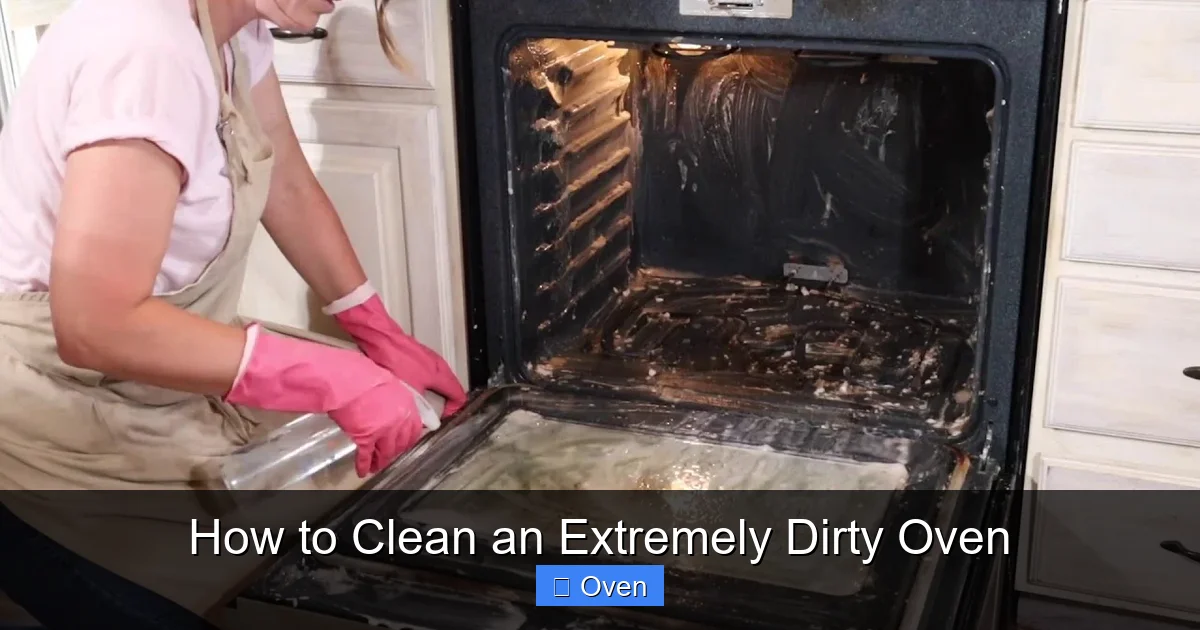
Take out the oven racks and any removable trays. Place them in a sink filled with warm, soapy water. While they soak, use a dry cloth to sweep away crumbs and loose ash. This pre‑clean step makes the later scrubbing easier.
Visual guide about How to Clean an Extremely Dirty Oven
Image source: i.ytimg.com
Soaking the Racks
Soak the racks for 15‑20 minutes. This loosens grease, making them easier to scrub later. If you need a deeper clean for the racks, refer to How To Clean Inside Of Ninja Foodi Oven for a similar approach.
Step Three: Make the Cleaning Paste
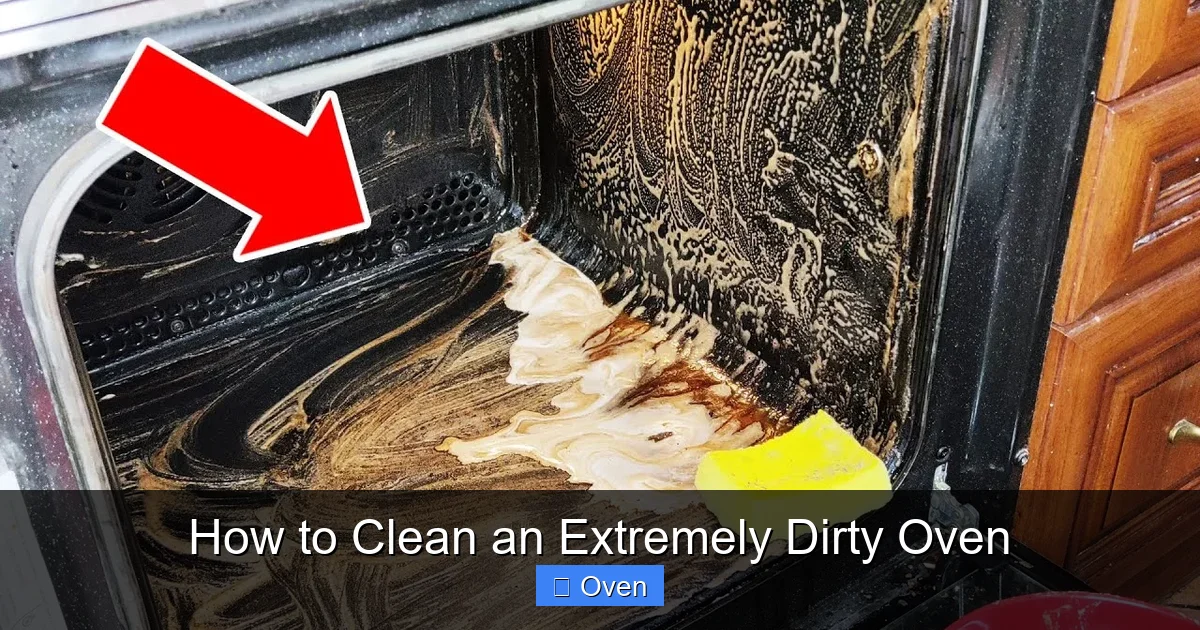
Combine baking soda and warm water until you have a spreadable paste. The ratio is roughly three parts baking soda to one part water. Add a few drops of dish soap if you want extra grease‑cutting power.
Apply the Paste
Spread the paste over the interior walls, focusing on dark, baked‑on spots. Avoid the heating elements; if paste touches them, wipe it off immediately. The paste works like a magnet, pulling grime away.
Step Four: Let It Sit
Allow the paste to work for at least 15 minutes. For heavily soiled areas, extend the wait to an hour. This waiting period is when the magic happens – the baking soda breaks down the stubborn residue.
Step Five: Scrub Gently
Using your soft‑bristle brush, scrub the paste in circular motions. Apply light pressure; you don’t want to scratch the oven’s enamel. For tougher spots, re‑apply a small amount of paste and repeat.
Dealing with Stubborn Grime
If a spot refuses to budge, spray a little white vinegar onto the paste. The fizzing reaction helps lift the grime. After a few minutes, wipe the area with a damp cloth.
Step Six: Wipe Clean
Take a clean, damp microfiber cloth and remove all paste residues. Rinse the cloth frequently to avoid spreading dirt. Once the surface feels smooth, move to the final shine step.
Step Seven: Final Shine with Vinegar
Mix equal parts water and white vinegar in a spray bottle. Lightly mist the interior and wipe with a fresh cloth. The vinegar cuts any remaining streaks and leaves a fresh scent.
Step Eight: Replace Racks and Enjoy
Dry the oven racks thoroughly before sliding them back in. Turn the oven back on at a low temperature for 10 minutes to evaporate any lingering moisture. Your oven is now spotless and ready for the next meal.
Maintenance Tips to Prevent Future Build‑Up
Regular cleaning is the best defense. After each use, wipe spills immediately. Use a liner on the bottom rack to catch drips. A quick weekly wipe with a vinegar solution keeps grime from accumulating.
Common Mistakes to Avoid
Never use steel wool or abrasive pads; they can scratch the oven’s interior. Avoid harsh chemicals like bleach unless the manufacturer specifically permits them. Finally, never clean a hot oven – the heat can cause the cleaning paste to burn and release fumes.
When to Call a Professional
If the oven interior is severely corroded, or if you notice persistent error codes after cleaning, it may be time to contact a service technician. Most cleaning tasks, however, are DIY‑friendly with the steps above.
Frequently Asked Questions
How long does it take to clean an extremely dirty oven?
Typically 1‑2 hours including preparation, paste sitting, and wiping. The exact time depends on the level of buildup.
Can I use bleach to clean my oven?
Bleach is generally not recommended for oven interiors because it can damage the enamel and leave harmful fumes.
Is baking soda safe for all oven surfaces?
Yes, baking soda is gentle enough for most enamel surfaces, but avoid direct contact with heating elements.
Do I need to unplug the oven?
Unplugging is optional but adds an extra safety layer, especially if you’ll be using water near electrical parts.
How often should I deep‑clean my oven?
Every 3‑6 months, or sooner if you notice heavy spills or stubborn stains.
Will the vinegar smell linger?
The vinegar scent dissipates quickly, especially after the oven is heated for a short cycle.
Can I clean the oven racks in the dishwasher?
Yes, after soaking, place racks in the dishwasher on a hot cycle for an extra clean finish.
Frequently Asked Questions
What is How To Clean An Extremely Dirty Oven?
How To Clean An Extremely Dirty Oven is an important topic with many practical applications.