How to Clean Inside of Ninja Foodi Oven
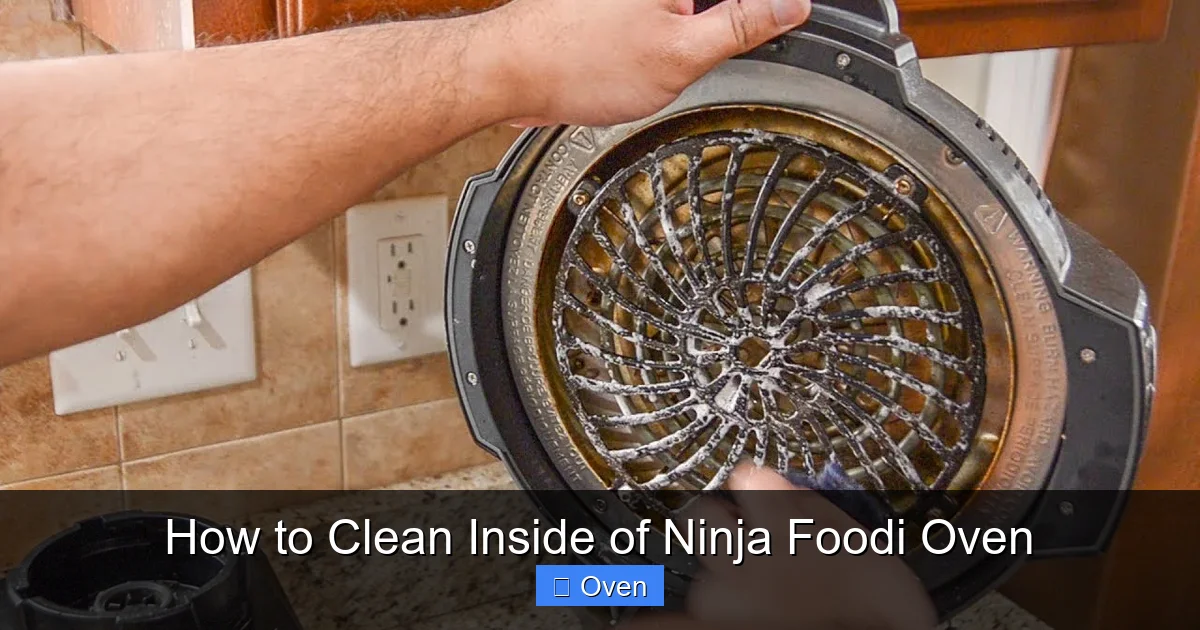
Keeping the Ninja Foodi Oven sparkling inside is easier than you think. Follow our friendly, step‑by‑step guide to remove crumbs, grease, and stubborn stains without damaging any part. Regular cleaning extends the life of your appliance and ensures every meal tastes great.
Key Takeaways
- Regular quick wipes: A light wipe after each use prevents buildup.
- Deep clean schedule: A thorough clean once a month keeps the interior fresh.
- Safe cleaning tools: Use non‑abrasive sponges, soft brushes, and mild dish soap.
- Remove and soak removable parts: Racks, crisper plates, and the glass door are dishwasher‑safe.
- Watch the heating element: Never spray directly on it; use a damp cloth instead.
- Prevent odors: Baking soda and lemon help eliminate lingering smells.
- Check the manual: Always follow the manufacturer’s recommendations for your specific model.
📑 Table of Contents
Why a Clean Ninja Foodi Oven Matters
Imagine pulling a perfectly roasted chicken out of your Ninja Foodi Oven, only to notice a faint burnt smell lingering from a previous bake. That’s a sign the interior needs attention. A clean oven not only improves flavor but also helps the appliance run efficiently. Grease and food particles can coat the heating elements, causing uneven heat distribution and higher energy use. Plus, a spotless interior looks great when you open the door to show off your cooking skills.
Cleaning the inside of your Ninja Foodi Oven might feel intimidating, but with the right routine it becomes a quick habit. Below, we break down everything from daily upkeep to a deep‑clean session, complete with tips, tools, and troubleshooting tricks.
What You’ll Need
Essential Supplies
- Soft‑bristle brush or an old toothbrush
- Non‑abrasive sponge or microfiber cloth
- Mild dish soap
- White vinegar
- Baking soda
- Spray bottle
- Rubber gloves (optional for sensitive skin)
- Paper towels or lint‑free cloths
Optional Extras
- Commercial oven cleaner (ensure it’s safe for non‑stick surfaces)
- Lemon slices for a fresh scent
- Silicone baking mat to line the rack during cooking
Step‑by‑Step Daily Maintenance
1. Cool Down and Unplug
Always let the oven cool completely before you start cleaning. Unplugging adds an extra safety layer, especially if you’re using liquid cleaners near the heating element.
Visual guide about How to Clean Inside of Ninja Foodi Oven
Image source: i.ytimg.com
Visual guide about How to Clean Inside of Ninja Foodi Oven
Image source: i.ytimg.com
2. Remove Loose Debris
Open the oven door and use a soft brush or a dry cloth to sweep away crumbs, burnt bits, and loose food. For stubborn crumbs stuck to the bottom, a silicone spatula works wonders without scratching the surface.
3. Wipe the Interior Walls
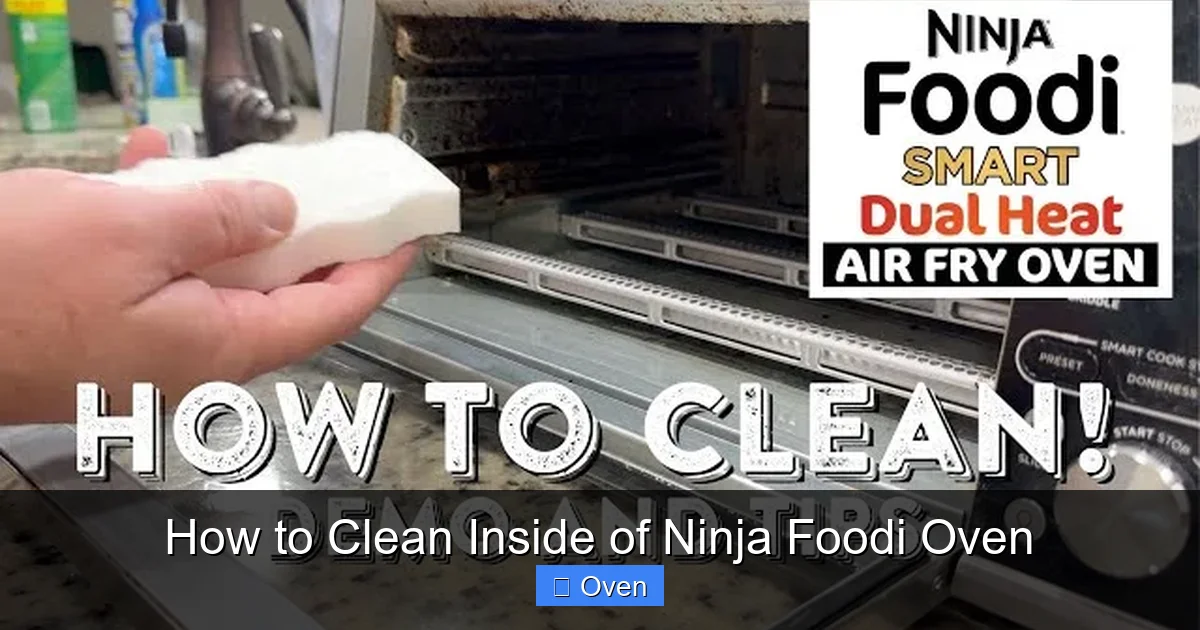
Mix a few drops of mild dish soap with warm water in a bowl. Dampen a microfiber cloth (don’t soak) and gently wipe the interior walls, ceiling, and the glass door. Avoid getting water on the heating element—just a quick pass with a damp cloth is enough.
4. Clean the Racks and Crisper Plate
Take out the racks and crisper plate. They are dishwasher‑safe, but a quick hand‑wash with warm, soapy water does the trick if you prefer. Dry them thoroughly before putting them back.
5. Quick Deodorize (Optional)
If you notice a faint odor, place a small bowl of water with a few lemon slices inside the oven, set it to a low temperature (around 150°F/65°C), and run it for 10 minutes. The steam lifts odors, leaving a fresh scent.
Deep Cleaning: Once a Month or When Needed
1. Prepare a Baking Soda Paste
Combine ½ cup of baking soda with enough water to form a thick paste. Baking soda is gentle yet effective at breaking down grease and baked‑on residue.

Visual guide about How to Clean Inside of Ninja Foodi Oven
Image source: i.ytimg.com
2. Apply the Paste
Spread the paste over the interior surfaces, focusing on the bottom, sides, and any areas with noticeable stains. Avoid the heating element; a light coating is fine as long as you don’t saturate it.
3. Let It Sit
Allow the paste to work for 20–30 minutes. During this time, the baking soda will loosen stubborn grime, making it easier to wipe away.
4. Scrub Gently
Using a soft‑bristle brush or an old toothbrush, scrub the paste in a circular motion. Pay extra attention to corners and the seam where the door meets the frame.
5. Wipe Clean with Vinegar Solution
Fill a spray bottle with equal parts white vinegar and water. Lightly mist the interior (again, avoiding the heating coil). The vinegar reacts with the baking soda, creating a foamy action that lifts remaining residue.
Grab a clean, damp cloth and wipe away the foam and loosened grime. Rinse the cloth frequently to avoid spreading the mess.
6. Dry Thoroughly
Use paper towels or a lint‑free cloth to dry every surface. Leaving moisture inside can cause rust or affect the next cooking cycle.
7. Reassemble
Place the racks, crisper plate, and any accessories back in the oven. Plug it in, and you’re ready for the next recipe.
Special Situations & Troubleshooting
Stubborn Grease on the Heating Element
If you notice grease on the heating coil, turn the oven off and let it cool completely. Lightly dampen a soft cloth with a mixture of water and a few drops of dish soap. Gently wipe the element, being careful not to scrub. For tough spots, a dab of vinegar on the cloth can help dissolve the grease.
Removing Burnt-On Food
For heavily burnt food, fill a heat‑proof bowl with water, add a tablespoon of baking soda, and place it on the lower rack. Run the oven at a low temperature (200°F/93°C) for 15 minutes. The steam softens the burnt residue, making it easier to scrape off with a silicone spatula.
Dealing with Odors
After cleaning, place a small dish of baking soda inside the oven and close the door for overnight. Baking soda absorbs lingering smells. In the morning, discard the soda and wipe the interior with a damp cloth.
When to Replace the Glass Door
If the glass door is cracked, heavily scratched, or shows permanent discoloration, it’s time to order a replacement. A damaged door can affect heat distribution and may be a safety hazard.
Keeping Your Ninja Foodi Oven Spotless Long‑Term
Use Liners and Mats
Silicone baking mats or parchment paper liners protect the bottom of the oven from spills. They’re easy to remove and clean, reducing the frequency of deep cleans.
Avoid Over‑Filling
When you over‑fill a dish, food can spill over and bake onto the interior. Follow recipe guidelines for capacity, and use the crisper plate for foods that tend to release a lot of grease.
Regularly Check the Vent
The vent at the back of the oven can collect dust and food particles. Wipe it with a dry cloth every few weeks to maintain proper airflow.
Schedule a Monthly Cleaning Day
Mark a calendar reminder for a monthly deep clean. Treat it like a routine maintenance check—just as you would change the oil in a car.
Internal Resources You Might Find Helpful
While you’re mastering the Ninja Foodi Oven, you may also own other Ninja appliances. Here are a few related guides that can make your kitchen life easier:
- How To Clean Base Of Ninja Blender – A quick guide for keeping the blender base free of grime.
- How Do You Clean The Top Of An Air Fryer – Tips that apply to many countertop appliances.
- Best Easy To Clean Air Fryer Toaster Oven – Compare other easy‑to‑maintain ovens for future upgrades.
Conclusion
Cleaning the inside of your Ninja Foodi Oven doesn’t have to be a dreaded chore. By incorporating a simple daily wipe‑down and a monthly deep‑clean routine, you’ll keep the appliance performing at its best and extend its lifespan. Remember to use gentle, non‑abrasive tools, avoid soaking the heating element, and tackle odors with natural solutions like baking soda and lemon. With these habits in place, every dish you prepare will taste as fresh as the day you first bought the oven.
Now, grab your sponge, set a timer, and give your Ninja Foodi Oven the love it deserves. Happy cooking!
Frequently Asked Questions
How often should I deep clean my Ninja Foodi Oven?
A thorough deep clean every 4‑6 weeks is ideal, especially if you cook greasy or sugary foods regularly. Daily quick wipes keep buildup minimal.
Can I use commercial oven cleaners on the Ninja Foodi Oven?
Yes, but only if the product states it’s safe for non‑stick surfaces. Test a small hidden area first and always rinse well to avoid residue.
Is the glass door dishwasher safe?
No, the glass door should be hand‑washed. Harsh dishwasher detergents can damage the seal and cause clouding over time.
What should I do if the heating element gets oily?
Turn off and cool the oven completely. Gently wipe the element with a cloth dampened in a mild soap‑water solution, then dry with a clean cloth.
How can I prevent strong odors after cooking fish?
After cooking fish, place a bowl of water with a few lemon slices inside the oven and run it at low heat for 10 minutes. The steam neutralizes the smell.
Can I use aluminum foil inside the Ninja Foodi Oven?
Yes, you can line the bottom with foil to catch drips, but avoid covering the vent or heating element, as this can block airflow and cause overheating.