Usa Made Cast Iron Cookware
USA made cast iron cookware combines unrivaled heat retention with American craftsmanship, making it a kitchen staple for generations. From skillets to Dutch ovens, these pieces deliver superior flavor, durability, and a timeless look that never goes out of style.
Key Takeaways
- Built to last: Properly seasoned cast iron can last a lifetime, often outliving the owner.
- Even heating: Thick walls distribute heat uniformly, perfect for searing, frying, and baking.
- Health‑friendly: Natural iron leaches into food, boosting dietary iron without chemicals.
- Versatile: Move from stovetop to oven, grill, or campfire with ease.
- American craftsmanship: Made in the USA means strict quality control and support for local economies.
- Easy maintenance: Simple seasoning and cleaning keep cookware performing year after year.
- Value investment: Though pricier upfront, the long‑term savings far outweigh the cost.
📑 Table of Contents
- Why Choose USA Made Cast Iron Cookware?
- Key Features of American Cast Iron Cookware
- Choosing the Right Piece for Your Kitchen
- How to Season Your Cast Iron Properly
- Maintenance Tips to Keep Your Cast Iron in Top Shape
- Top American Brands to Consider
- Real‑World Examples: Cooking with USA Made Cast Iron
- Is Cast Iron Right for You?
- Conclusion: Invest in a Piece of American Heritage
Why Choose USA Made Cast Iron Cookware?
When you buy cast iron that’s made in the United States, you’re getting more than just a piece of metal. American factories follow rigorous standards, use high‑grade iron, and often add a touch of heritage to each piece. This results in cookware that heats evenly, retains heat for hours, and develops a natural non‑stick patina over time.
Beyond performance, buying USA made supports local jobs and reduces the carbon footprint associated with overseas shipping. For home cooks who care about quality, sustainability, and tradition, American cast iron hits all the right notes.
Heritage and Craftsmanship
Many manufacturers trace their roots back to the early 1900s. They still cast each pan by pouring molten iron into sand molds, a process that ensures consistency and strength. The result is a skillet or Dutch oven that feels solid in your hand and stands up to high‑heat cooking without warping.
Consistent Quality Control
Because the production stays domestic, factories can inspect every piece for defects, apply even seasoning, and guarantee that each item meets strict tolerances. This is why you often see fewer imperfections compared to imported alternatives.
Key Features of American Cast Iron Cookware
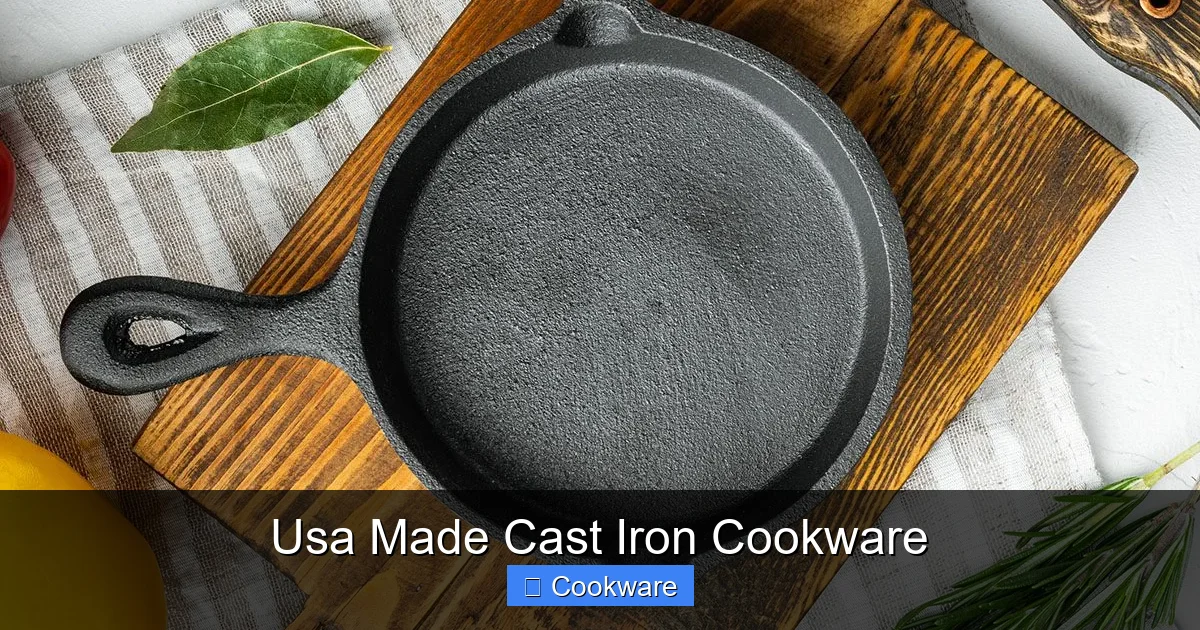
Understanding what makes USA made cast iron special helps you pick the right pieces for your kitchen.
Visual guide about Usa Made Cast Iron Cookware
Image source: madeintheusamatters.com
Heat Retention and Distribution
The thick walls of cast iron store heat like a thermal battery. Once hot, the pan stays hot, allowing you to achieve a perfect sear on steak or bake a golden cornbread without hot spots. This attribute also makes cast iron ideal for slow‑cooked dishes such as stews and braises.
Natural Non‑Stick Surface
When you season a cast iron skillet, you create a polymerized layer of oil that acts as a non‑stick surface. Over time, this layer becomes smoother and more resilient, meaning you can fry eggs or sauté vegetables with minimal oil.
Versatility Across Cooking Methods
American cast iron can go from stovetop to oven, grill, or even campfire. Whether you’re cooking a breakfast scramble, roasting a chicken, or baking a skillet pizza, the same piece can handle it all.
Health Benefits
Cooking with cast iron adds a small amount of iron to your food—a boon for those with iron‑deficiency concerns. The iron leached is natural and safe, especially when you avoid highly acidic dishes for long periods.
Choosing the Right Piece for Your Kitchen
Not every cast iron item fits every cooking style. Below are the most common types and how to decide which one you need.
Visual guide about Usa Made Cast Iron Cookware
Image source: tramontina.com
Skillets
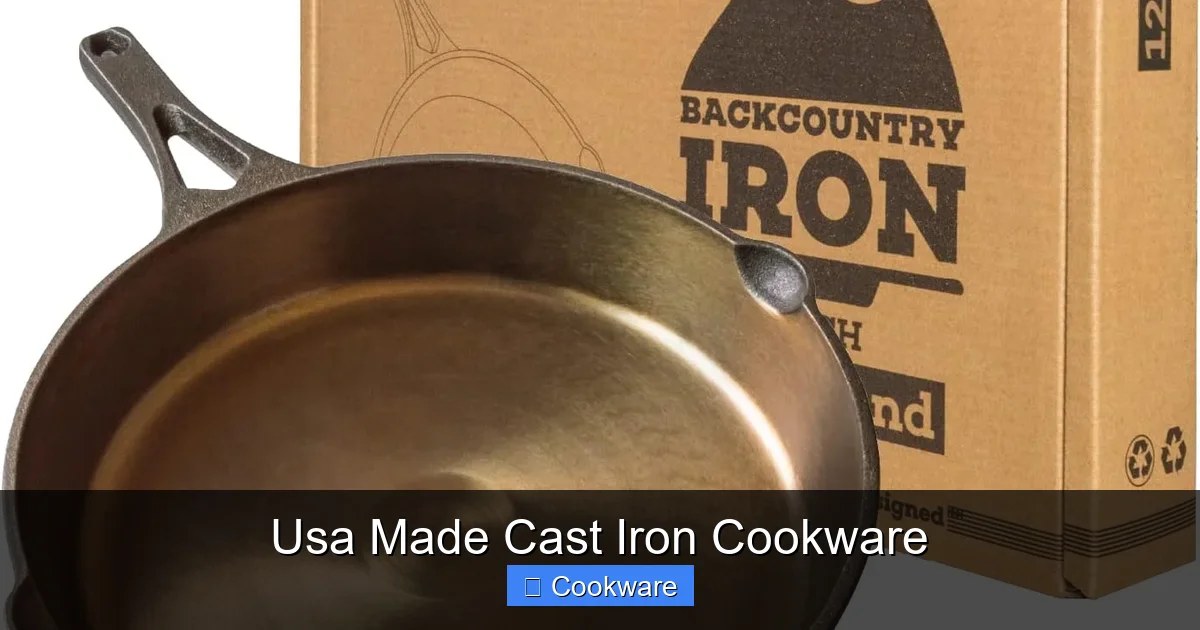
Skillets are the workhorse of any kitchen. A 10‑inch skillet is ideal for everyday meals, while a 12‑inch pan offers extra surface for larger families. Look for a pre‑seasoned surface if you want to start cooking right away.
Dutch Ovens
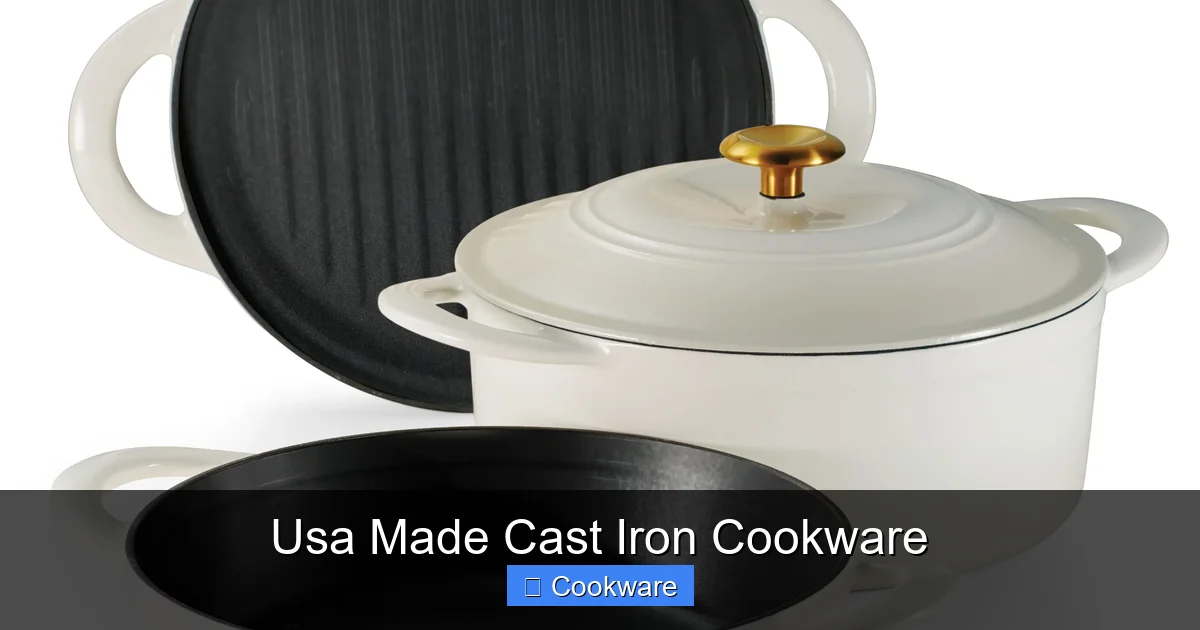
Dutch ovens excel at braising, baking bread, and making soups. An 8‑quart model can handle a whole chicken or a hearty pot of chili. Many American brands offer enamel‑coated versions that eliminate the need for seasoning.
Griddles and Grill Pans
Flat griddles are perfect for pancakes, burgers, and grilled sandwiches. If you love outdoor cooking, a cast‑iron grill pan can mimic the char of a real grill on a gas or electric stove.
Specialty Items
From cast‑iron waffle makers to bakeware, the USA market now includes niche tools that bring restaurant‑quality results home. Check out the Best Cast Iron Waffle Maker Made In USA for crisp, golden waffles without a dedicated appliance.
How to Season Your Cast Iron Properly
Seasoning is the secret to a lasting non‑stick surface. Follow these simple steps:
Visual guide about Usa Made Cast Iron Cookware
Image source: m.media-amazon.com
- Clean: Wash the new pan with hot, soapy water (yes, this is the only time you’ll use soap). Rinse and dry thoroughly.
- Apply oil: Rub a thin layer of high‑smoke‑point oil (flaxseed, grapeseed, or vegetable oil) over the entire surface, including the handle.
- Heat: Place the pan upside‑down in a pre‑heated oven at 450°F (232°C) for one hour. Put a foil tray on the rack below to catch drips.
- Cool: Let the pan cool in the oven. Repeat the oil‑and‑heat cycle 2–3 times for a deeper seasoning.
For a quick refresher, read our guide on What Temperature To Season Cast Iron In The Oven.
Maintenance Tips to Keep Your Cast Iron in Top Shape
Proper care extends the life of your cookware.
Cleaning After Use
While a hot, soapy rinse is okay for the first clean, regular maintenance should avoid harsh detergents. Scrape food residue with a non‑metal brush or a chain‑mail scrubber. Rinse with hot water, dry immediately, and apply a thin coat of oil.
Storing
Store pans in a dry place. Placing a paper towel between lids and pans prevents moisture buildup. If you stack multiple pieces, insert a soft cloth to avoid scratching the seasoned surface.
Reviving a Dull Surface
If food starts sticking, repeat the seasoning process. A light sanding with fine steel wool can remove rust or uneven spots before re‑seasoning.
Top American Brands to Consider
Several reputable manufacturers dominate the U.S. market. Here are a few worth exploring:
- Lodge: The most recognized name, offering everything from mini skillets to 20‑piece sets.
- Camp Chef: Known for heavy‑duty Dutch ovens and outdoor‑ready pieces.
- Le Creuset (American‑made line): Provides enamel‑coated options with vibrant colors.
If you’re looking for a complete set, the Best 20 Piece Signature Cast Iron Cookware Set offers a balanced mix of skillets, griddles, and a Dutch oven—all made in the USA.
Real‑World Examples: Cooking with USA Made Cast Iron
Let’s walk through a few everyday recipes that showcase the strengths of American cast iron.
1. Perfect Steak on the Stovetop and Oven
Heat a 12‑inch skillet until it’s smoking hot. Add a tablespoon of oil, then sear a seasoned ribeye for 2 minutes per side. Transfer the pan to a 400°F oven for 5‑7 minutes for medium‑rare. The even heat retention gives a flawless crust and juicy interior. Need more tips? See our guide on How To Cook Steak In Cast Iron Skillet In Oven.
2. One‑Pot Chicken and Veggies
Brown chicken thighs in a Dutch oven, add carrots, potatoes, and broth, then simmer for 45 minutes. The pot’s thick walls keep the broth bubbling gently, preventing scorching.
3. Breakfast Hash
Dice potatoes, bell peppers, and onions. Cook in a pre‑heated skillet with a splash of oil. The pan’s natural non‑stick surface means little oil is needed, and the hash turns golden and crispy.
4. Cast‑Iron Waffles
Use a cast‑iron waffle maker for extra crunch. The metal conducts heat quickly, giving you a crisp exterior while keeping the inside fluffy. Check out the Best Cast Iron Waffle Maker Made In USA for top picks.
Is Cast Iron Right for You?
Most home cooks benefit from at least one cast‑iron piece. If you enjoy high‑heat searing, oven‑to‑stovetop cooking, or want a durable, chemical‑free pan, USA made cast iron is a smart choice. However, it does require a bit of upkeep—regular seasoning and careful cleaning.
Pros
- Longevity – decades, even generations.
- Superior heat retention.
- Natural non‑stick surface improves with use.
- Adds iron to food.
- Supports American manufacturing.
Cons
- Heavier than aluminum or stainless steel.
- Requires seasoning and maintenance.
- Not dishwasher safe.
Conclusion: Invest in a Piece of American Heritage
USA made cast iron cookware isn’t just a kitchen tool; it’s an heirloom. Its unmatched heat distribution, durability, and health benefits make it a worthwhile investment for anyone serious about cooking. By choosing American‑crafted pieces, you also support local jobs and enjoy the peace of mind that comes with strict quality standards. Whether you start with a single skillet or a full 20‑piece set, you’ll quickly discover why generations of chefs swear by cast iron.
Frequently Asked Questions
What makes USA made cast iron different from imported cast iron?
American factories adhere to tighter quality controls, use higher‑grade iron, and often pre‑season the cookware, resulting in more consistent performance and durability.
Can I use cast iron on an induction cooktop?
Yes, cast iron works perfectly on induction because it’s magnetic. Look for a skillet labeled “induction‑compatible” for the best results.
How often should I re‑season my cast iron pan?
Re‑season whenever the surface looks dull or food starts sticking. A light seasoning after each wash keeps the pan in peak condition.
Is it safe to cook acidic foods like tomatoes in cast iron?
Occasionally cooking acidic dishes is fine, but prolonged exposure can strip the seasoning. If you do, re‑season the pan soon after.
What’s the best way to remove rust from a cast iron skillet?
Scrub the rust with a chain‑mail scrubber or fine steel wool, rinse, dry, and then apply a fresh layer of oil and bake to reseason.
Can I use metal utensils on my cast iron cookware?
Yes, once the seasoning is well‑established, metal tools won’t damage the surface. However, wood or silicone utensils are gentler on new pans.