Budget Induction Cookware
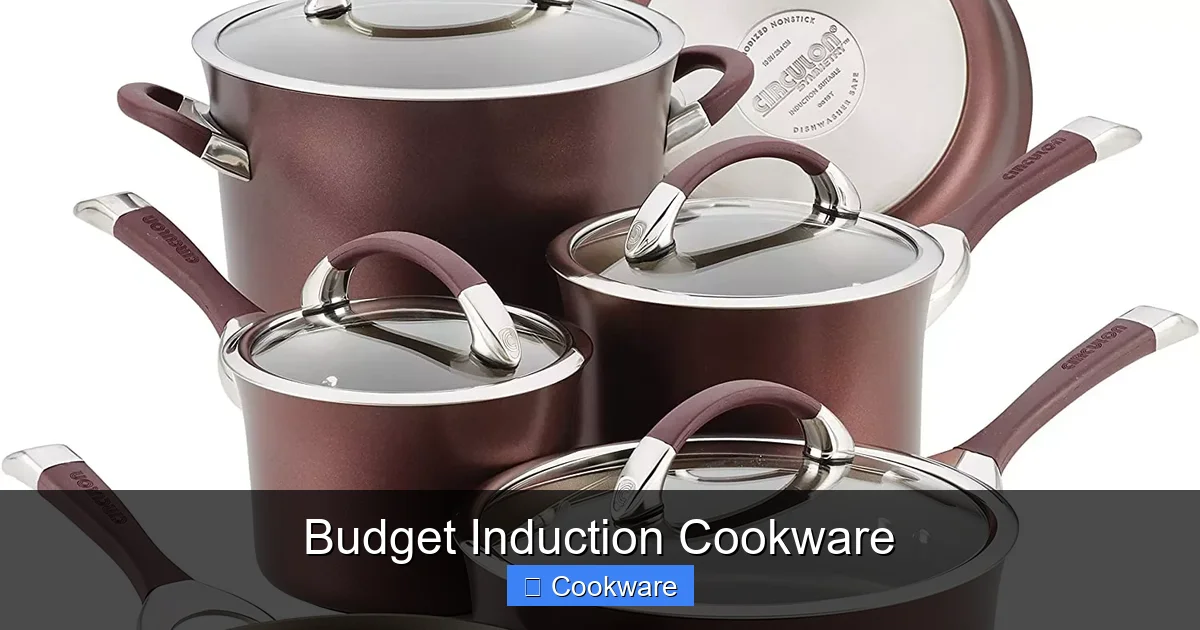
Budget Induction Cookware lets you enjoy the speed and efficiency of induction cooking without breaking the bank. This guide covers essential features, material choices, trusted brands, and simple maintenance tips to help you pick the perfect set for your kitchen.
Induction cooking has become a favorite in modern kitchens because it heats food quickly, uses less energy, and keeps the cooktop surface cool. If you’ve recently upgraded to an induction stove or are thinking about making the switch, you might worry that the right cookware will cost a fortune. The good news is that you can find excellent Budget Induction Cookware that delivers solid performance without draining your wallet. In this article, we’ll walk you through what makes cookware induction‑compatible, which materials give you the best value, and which brands consistently earn praise from home cooks on a budget.
We’ll also share practical tips for caring for your new pots and pans so they stay in great shape for years. Whether you’re whipping up a quick weekday stir‑fry or simmering a weekend sauce, the right budget set will make every meal easier and more enjoyable. Let’s dive in and discover how to equip your kitchen with smart, affordable induction‑ready cookware.
Key Takeaways
- Magnetic base is essential: Only cookware with a ferromagnetic bottom will heat on an induction cooktop.
- Material matters: Stainless steel with an aluminum core, hard‑anodized aluminum, and enameled cast iron offer the best balance of price and performance.
- Look for comfortable handles: Stay‑cool, ergonomically shaped handles improve safety and ease of use.
- Brand reputation helps: Brands like T‑fal, AmazonBasics, and Rachael Ray consistently deliver reliable budget induction sets.
- Proper care extends life: Hand wash when possible, avoid sudden temperature shocks, and store with protectors to prevent warping.
📑 Table of Contents
What Is Induction Cooking and Why It Matters
Induction cooktops use electromagnetic fields to generate heat directly in the cookware. Unlike gas or traditional electric burners, the cooktop itself stays relatively cool because the heat is produced inside the pot or pan. This method offers faster boiling times, precise temperature control, and improved safety—especially important if you have kids or pets around.
How Induction Works
When you place a pot with a magnetic base on the induction zone, an alternating electric current creates a magnetic field. This field induces tiny electric currents (called eddy currents) in the metal, which resist the flow and produce heat. Because the heat originates in the cookware, the process is efficient—up to 90 % of the energy goes into heating the food, compared with roughly 40 % for gas burners.
Benefits for Home Cooks
Speed is the most noticeable advantage. A pot of water can reach boiling point in under two minutes on a high‑power induction zone. Temperature changes happen almost instantly, which helps when you need to go from a high sear to a gentle simmer. The cooktop surface stays cool to the touch, reducing burn risks and making cleanup easier since spills don’t bake onto a hot surface.
Key Features to Look for in Budget Induction Cookware
Not all pots and pans labeled “induction ready” perform equally. When you’re shopping on a budget, focus on a few core features that guarantee compatibility, durability, and comfortable use.
Visual guide about Budget Induction Cookware
Image source: simplyrecipes.com
Magnetic Base
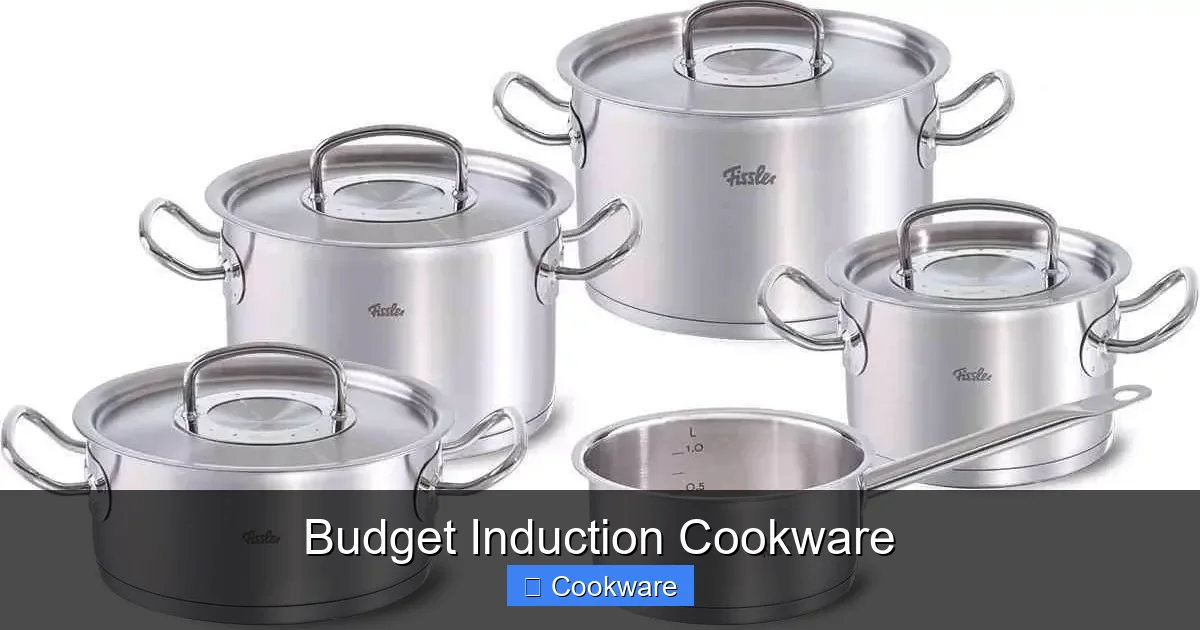
The most critical requirement is a ferromagnetic (magnetic) bottom. A simple test: stick a refrigerator magnet to the base. If it clings firmly, the cookware will work on induction. Many budget sets achieve this by bonding a thin layer of stainless steel or magnetic aluminum to the bottom.
Material Options
Budget induction cookware usually comes in three main material families:
- Stainless steel with an aluminum or copper core: Offers excellent durability, resistance to rust, and even heat distribution thanks to the conductive core.
- Hard‑anodized aluminum: Lightweight, naturally non‑stick when seasoned, and provides quick heating. The anodized surface resists scratches and corrosion.
- Enameled cast iron: Heats slowly but retains heat exceptionally well, perfect for braises and slow‑cooked dishes. The enamel coating prevents rust and eliminates the need for seasoning.
Handle Design and Comfort
Look for handles that stay cool during cooking. Many budget sets use silicone‑wrapped or hollow‑stay‑cool designs. Ergonomic shapes reduce hand fatigue, especially when you’re lifting a heavy skillet or saucepan. Riveted handles tend to be more durable than screwed ones, but well‑designed screw‑on handles can also last if they’re made from sturdy stainless steel.
Weight and Balance
A well‑balanced pot feels stable on the cooktop and is easier to maneuver. Extremely lightweight pans may warp under high heat, while overly heavy ones can be tiring to lift. Aim for a medium weight that feels solid but not cumbersome.
Top Materials for Affordable Induction Sets
Now that you know what to look for, let’s examine the materials that give you the most bang for your buck. Each has strengths that suit different cooking styles.
Visual guide about Budget Induction Cookware
Image source: snappychef.co.za
Stainless Steel with Aluminum Core
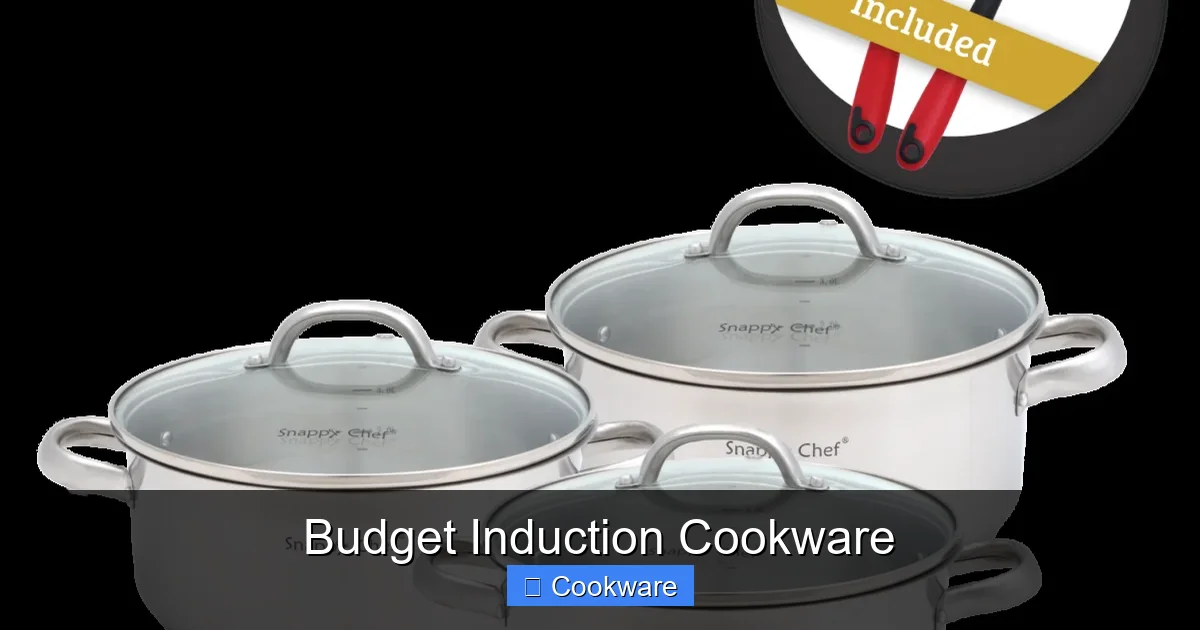
This combination is a workhorse for budget induction cookware. The stainless exterior provides a non‑reactive, dishwasher‑safe surface that resists staining and rust. Inside, an aluminum layer spreads heat quickly and evenly, preventing hot spots that can cause food to stick. Many affordable brands use a tri‑ply construction (stainless‑aluminum‑stainless) that delivers professional‑level performance at a fraction of the cost.
When shopping, check the product description for “tri‑ply” or “fully clad.” These terms indicate that the conductive core runs the full length of the pan, not just a disk at the base. This design ensures consistent heating from the bottom up the sides, which is especially useful for sauces and sautés.
Hard‑Anodized Aluminum
Hard‑anodized cookware starts with regular aluminum that undergoes an electrochemical process to thicken the oxide layer. The result is a surface that’s harder than stainless steel, resists scratches, and offers a naturally slick surface that reduces the need for excessive oil. Because aluminum conducts heat exceptionally well, these pans heat up fast and respond quickly to temperature adjustments.
One caveat: hard‑anodized aluminum is not naturally non‑stick, but many manufacturers apply a PT‑free ceramic coating that enhances food release. If you prefer a truly non‑stick experience, look for a hard‑anodized base with a ceramic top layer.
Enameled Cast Iron
Enameled cast iron brings the legendary heat retention of traditional cast iron without the maintenance hassle. The porcelain enamel coating prevents rust, eliminates the need for seasoning, and allows you to cook acidic foods like tomato sauce without worrying about metallic flavors. While enameled cast iron tends to be pricier than plain aluminum options, many budget lines offer solid pieces—such as a Dutch oven or a skillet—at prices that won’t break the bank.
These items excel at slow‑cooking, braising, and baking. They can go from stovetop to oven, making them versatile for recipes that require a finish under the broiler or in the oven.
Best Budget Induction Cookware Brands to Consider
Several brands have built reputations for delivering reliable, induction‑compatible cookware at accessible price points. Below are three that consistently receive positive feedback from home cooks.
Visual guide about Budget Induction Cookware
Image source: simplyrecipes.com
T‑fal
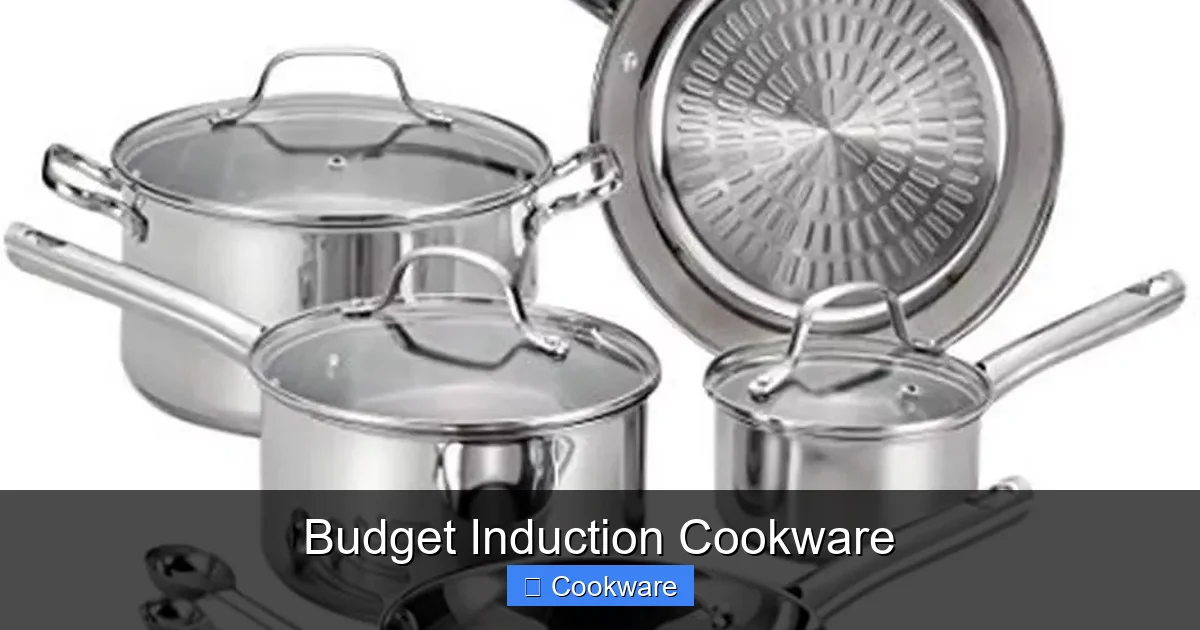
T‑fal’s non‑stick induction collections are popular for their affordability and easy food release. Their Thermo‑Spot technology shows when the pan is preheated, helping you avoid overheating and prolonging the non‑stick coating’s life. Most T‑fal sets feature aluminum bodies with a stainless‑steel induction base, offering a good balance of weight and performance.
AmazonBasics
AmazonBasics offers a straightforward line of induction‑ready pots and pans that focus on essentials. The sets typically include a fry pan, saucepan, and stockpot made from aluminum with a magnetic stainless‑steel base. Handles are riveted and stay‑cool, and the interiors often feature a non‑stick coating that’s PTFE‑free. Because they’re sold directly by Amazon, you’ll often find frequent discounts and fast shipping.
Rachael Ray
Rachael Ray’s cookware line blends style with function. Many of her stainless steel induction sets feature a vibrant exterior color and a durable aluminum core for even heating. The handles are ergonomically shaped and coated with silicone for a comfortable grip. While slightly higher in price than the absolute bottom tier, Rachael Ray pieces often go on sale, making them a smart pick for those who want a bit more flair without sacrificing budget‑friendly value.
How to Care for Your Budget Induction Cookware
Even the most affordable set will last longer if you treat it right. Proper cleaning, storage, and usage habits prevent warping, scratching, and coating degradation.
Cleaning Tips
Always let the cookware cool slightly before washing. Sudden temperature shocks—like plunging a hot pan into cold water—can warp the base, especially in thinner aluminum pieces. Use warm water, a mild dish soap, and a soft sponge or nylon scrubber. Avoid abrasive steel wool or harsh scouring pads, which can scratch non‑stick surfaces and dull stainless steel finishes.
For stuck‑on food, fill the pan with warm, soapy water and let it soak for 10‑15 minutes before gently scraping with a silicone spatula. If you have a ceramic‑coated hard‑anodized pan, a paste of baking soda and water works well for gentle stain removal.
Storage Advice
To prevent scratches, place a soft liner—such as a paper towel, felt pad, or silicone mat—between stacked pans. If you have a pot rack, hang pans by their handles to keep the bottoms free from contact. Avoid nesting heavy cast‑iron pieces directly on top of thin‑walled aluminum pans, as the weight can cause dents over time.
Avoiding Warping
Induction heating is efficient, but it can also concentrate heat quickly. Never leave an empty pan on a high power zone for more than a minute or two. If you need to preheat, add a thin layer of oil or butter first. When cooking, start on medium heat and adjust as needed; you’ll often find that less power is required than with gas or electric coils.
If you notice a wobble when the pan sits on the cooktop, it may have developed a slight warp. In many cases, gently pressing the base against a flat surface while the pan is warm (not hot) can help restore flatness. For severe warping, it’s best to replace the piece to ensure even cooking.
Conclusion
Finding quality Budget Induction Cookware doesn’t have to be a daunting task. By focusing on a magnetic base, choosing the right material for your cooking style, and selecting reputable brands that offer solid warranties, you can equip your kitchen with reliable tools that make induction cooking a joy. Remember to treat your pots and pans with gentle cleaning, smart storage, and mindful heat management, and they’ll reward you with years of dependable service.
Whether you’re searing a steak, simmering a sauce, or whipping up a quick omelet, the right budget set will keep your meals delicious and your wallet happy. Happy cooking!
Frequently Asked Questions
What makes cookware induction‑compatible?
Cookware must have a ferromagnetic (magnetic) base to work on an induction cooktop. A simple magnet test—if a refrigerator magnet sticks firmly to the bottom—confirms compatibility.
Can I use non‑stick pans on induction?
Yes, many non‑stick pans are made with an aluminum core and a magnetic stainless‑steel base, making them induction‑ready. Just verify the product description or perform the magnet test before purchasing.
Is hard‑anodized aluminum safe for induction?
Hard‑anodized aluminum works on induction only if the manufacturer adds a magnetic layer to the base. Look for “induction compatible” or “magnetic base” in the specifications.
How often should I replace my budget induction cookware?
With proper care, a good budget set can last 3‑5 years or more. Replace pieces if you notice warping, loss of non‑stick performance, or loose handles that affect safety.
Do I need special utensils for non‑stick induction pans?
Use silicone, wood, or plastic utensils to avoid scratching the coating. Metal utensils can damage non‑stick surfaces, shortening their lifespan.
Can I put my induction cookware in the oven?
Many stainless‑steel and enameled‑cast‑iron pieces are oven‑safe, often up to 400‑500 °F. Always check the manufacturer’s temperature limit before placing a pan in the oven.