Healthy Living Cookware
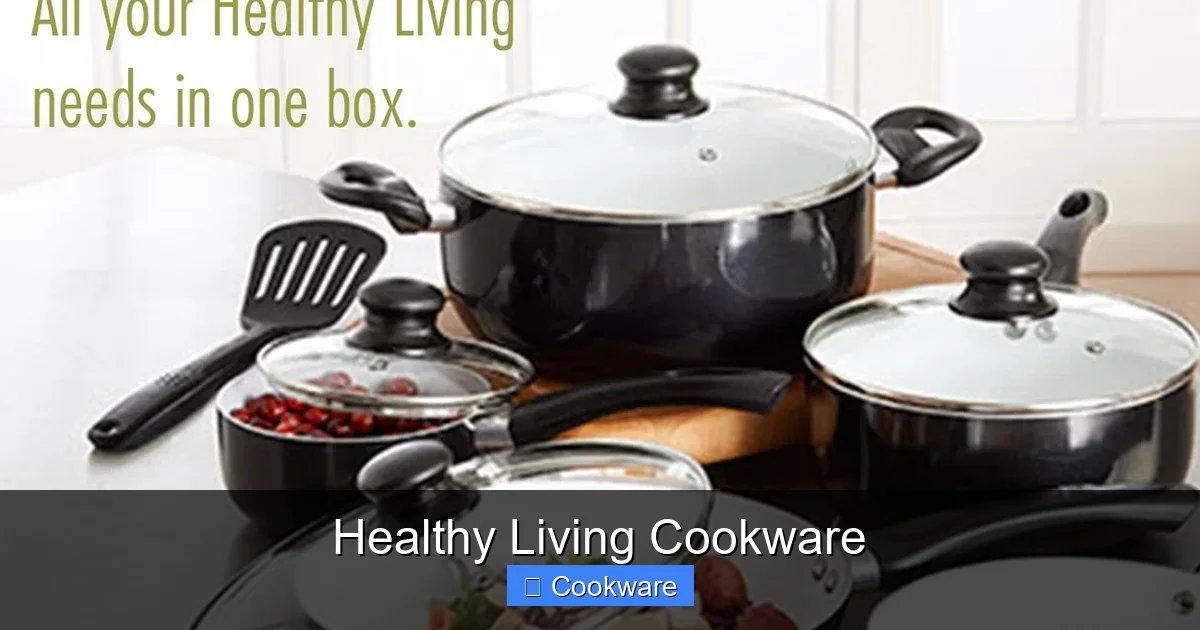
Healthy Living Cookware is more than just pots and pans—you’re investing in your health, your home, and the planet. By choosing the right materials, finishes, and features, you can cook flavorful, nutrient‑rich meals with minimal effort. Let’s explore how to pick, care for, and enjoy cookware that supports a balanced lifestyle.
Key Takeaways
- Material Matters: Stainless steel, cast iron, and ceramic each offer unique health benefits.
- Non‑Stick Choices: Opt for PFOA‑free, ceramic or silicone coatings for safe, low‑oil cooking.
- Heat Distribution: Tri‑ply or multi‑layer designs keep food from burning and preserve nutrients.
- Maintenance: Dishwasher‑safe, rust‑resistant, and easy‑clean finishes save time and reduce waste.
- Eco‑Friendly Options: Recycled materials and long‑lasting construction lower your carbon footprint.
- Budget vs. Premium: You can find quality Healthy Living Cookware at every price point.
- Proper Care: Follow simple cleaning routines to extend the life of your cookware.
📑 Table of Contents
Healthy Living Cookware: Why It Matters
When you think about a healthy diet, you might picture fresh produce, lean proteins, and whole grains. But the way you cook those foods is just as important. The right cookware can preserve nutrients, reduce the need for added fats, and keep harmful chemicals out of your meals. Healthy Living Cookware isn’t just a trend—it’s a foundation for mindful eating.
In this guide, we’ll walk through the key factors that make cookware healthy, how to choose the best options for your kitchen, and practical tips for caring for them. Whether you’re a beginner or a seasoned chef, you’ll find useful information that helps you cook better and live healthier.
Choosing Materials That Keep Your Meals Nutritious
Stainless Steel: The Versatile Workhorse
Stainless steel is a staple for many kitchens. It’s durable, doesn’t leach metals, and can handle high heat. For Healthy Living Cookware, look for tri‑ply or multi‑layer construction—layers of aluminum or copper sandwiched between stainless steel improve heat distribution. A good example is the best stainless steel cookware for induction cooktops, which offers even heating and a sleek finish.
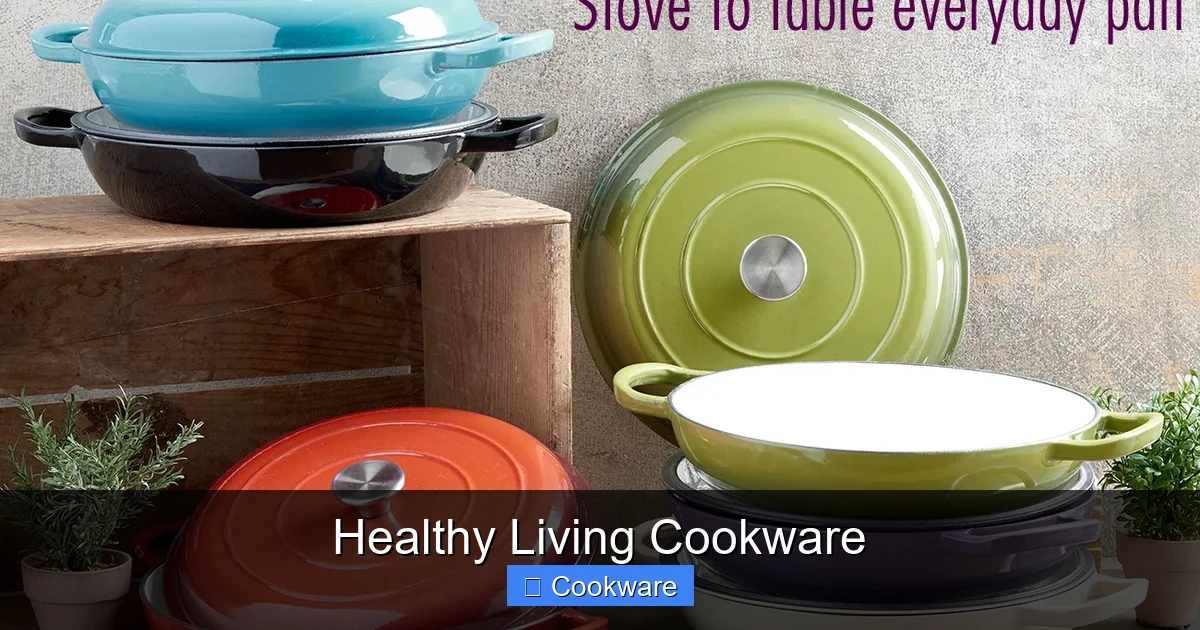
Visual guide about Healthy Living Cookware
Image source: images.milled.com
Cast Iron: The Nutrient‑Boosting Classic
Cast iron is known for adding iron to your food—great for people who need a dietary boost. The heavy weight keeps heat steady, preventing hot spots that burn nutrients. When selecting Healthy Living Cookware, choose a mixed cast iron set that balances seasoned, unseasoned, and non‑stick options. Check out the best mixed 20 pcs cast iron cookware set for a versatile lineup.
Ceramic and Glass: Clean and Non‑Reactive
Ceramic and glass cookware are perfect for low‑to‑medium heat and gentle cooking. They’re non‑reactive, meaning they won’t alter the flavor of acidic foods. However, they can be fragile, so handle with care. For a modern, eco‑friendly choice, consider a ceramic bakeware set that’s PFOA‑free and offers a smooth finish that’s easy to clean.
Non‑Stick vs. Traditional: Which Is Better?
Non‑Stick: Low‑Oil, Low‑Mess Cooking
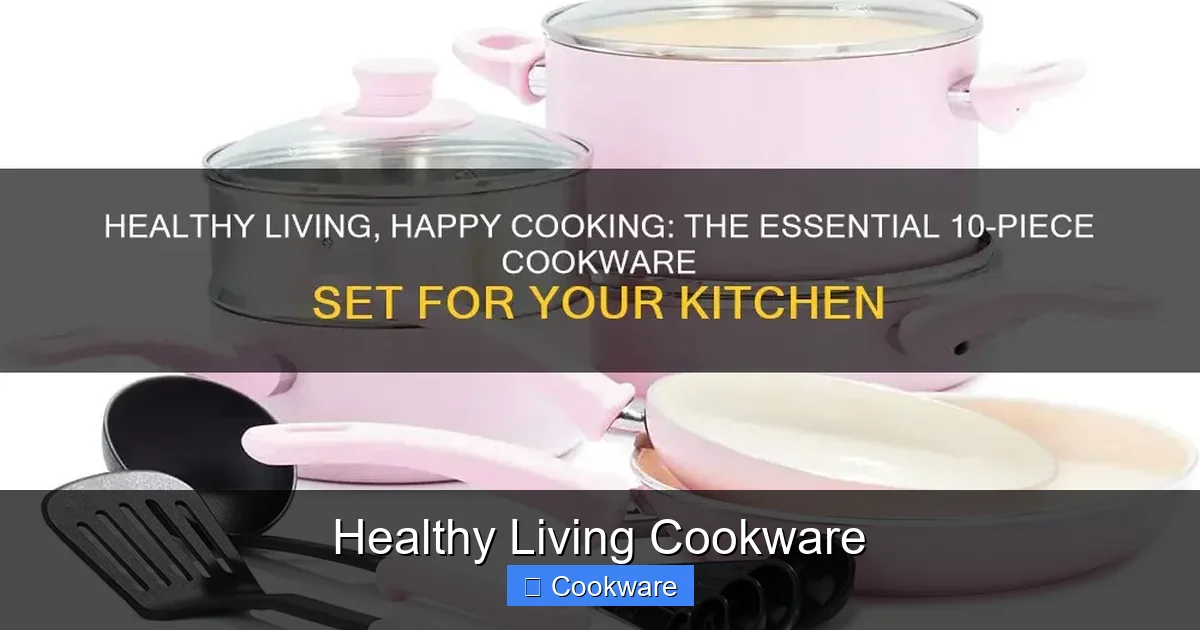
Non‑stick cookware lets you cook with minimal oil, reducing calorie intake. But not all non‑sticks are created equal. Look for PFOA‑free ceramic or silicone coatings that resist scratching and are dishwasher safe. A popular pick is the best healthy non‑stick pots and pans 2, which offers a durable finish and a wide temperature range.
Visual guide about Healthy Living Cookware
Image source: cycookery.com
Traditional: Durability and Flavor
Traditional cookware—like stainless steel and cast iron—tends to last a lifetime. They also offer a unique flavor profile, especially when searing meats. While they may require a bit more oil or seasoning, the results are often richer and more satisfying. For those who prefer a classic feel, a well‑seasoned cast iron skillet or a stainless steel saucepan can be the backbone of your Healthy Living Cookware.
Smart Features: Heat‑Resistant, Dishwasher Safe, and More
Heat‑Resistant Handles
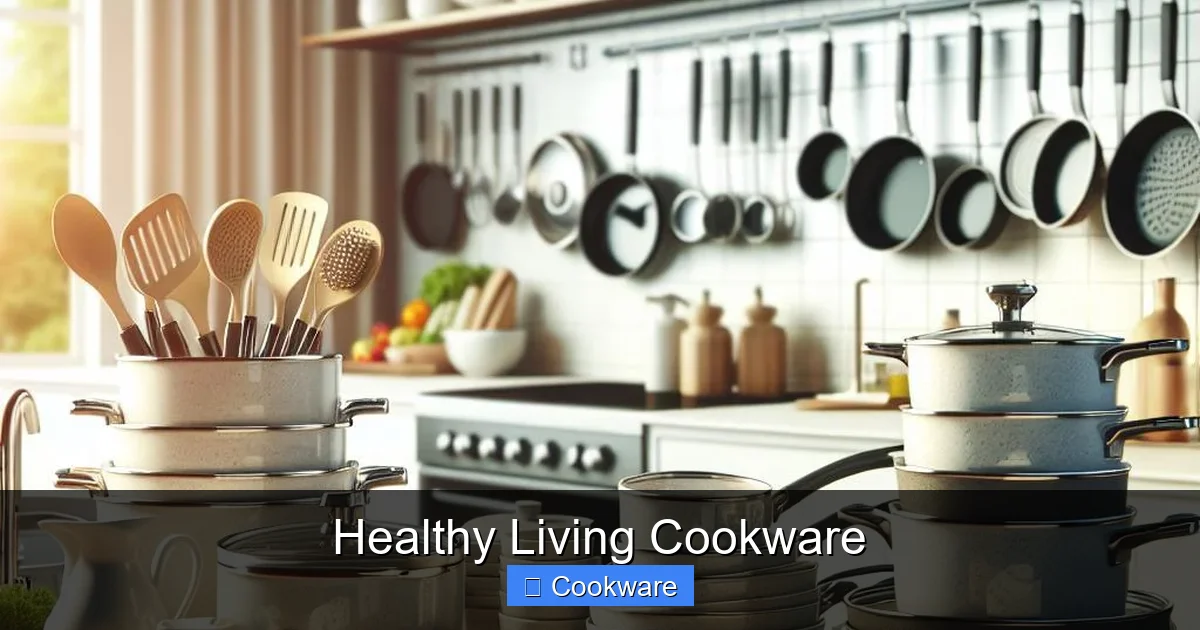
Long, heat‑resistant handles keep your hands safe during high‑temperature cooking. Many Healthy Living Cookware sets come with silicone or stainless steel handles that stay cool. This feature is especially important for busy families and children who might touch the pot while it’s still hot.
Visual guide about Healthy Living Cookware
Image source: thismamacancook.net
Dishwasher Safe Surfaces
Convenience matters. Dishwasher‑safe cookware cuts down on cleaning time, but not all materials tolerate the cycle. Look for cookware that is dishwasher safe and free from paint or coating damage. This ensures your pots stay bright and free from bacteria.
Oven‑Safe and Air Fryer Compatible
Can your cookware go from stovetop to oven? That versatility adds value. For those who love crispy meals without a lot of oil, an best airfryer ovens for crispy healthy meals can turn simple ingredients into restaurant‑style dishes. Many cast iron and stainless steel pieces are oven‑safe up to 400°F or more.
Eco‑Friendly Construction
Choose cookware made from recycled materials or that uses sustainable manufacturing practices. This reduces your environmental footprint while still giving you durable, healthy cooking tools.
Budget vs. Premium: Finding the Right Balance
Entry‑Level Healthy Living Cookware
For those new to cooking or on a tight budget, there are affordable options that still meet health standards. Look for stainless steel sets with two‑layer construction and a non‑stick coating. They’re typically priced under $200 and offer good performance without breaking the bank.
Mid‑Range Options
Mid‑range sets often feature tri‑ply or multi‑layer designs, better heat distribution, and longer warranties. They’re a solid investment for regular cooks who want a balance between quality and cost.
Premium Picks
Premium cookware often comes with hand‑crafted finishes, superior heat conduction, and lifetime warranties. If you cook frequently and want the best performance, a premium set is worth the investment. For example, a high‑grade cast iron or stainless steel set can last generations if cared for properly.
Caring for Your Healthy Living Cookware
Cleaning Routine
After each use, wash your cookware with warm, soapy water and a soft sponge. Avoid abrasive scrubbers that can damage non‑stick coatings. For stainless steel, a quick wipe with vinegar can remove mineral spots.
Seasoning Your Cast Iron
Seasoning builds a natural non‑stick layer and protects against rust. After cleaning, rub a light coat of oil on the surface, then bake at 375°F for an hour. Let it cool, then wipe off excess oil.
Preventing Rust and Corrosion
Keep pans dry after washing and store them in a ventilated area. If oil builds up on stainless steel, wipe it away promptly to avoid staining.
Storing Properly
Stack pans carefully, placing a paper towel between layers to absorb moisture. For larger sets, consider a best cookware stand for storing pots and pans to keep them organized and protected.
When to Replace
Even durable cookware has a lifespan. Non‑stick surfaces that peel or flake should be replaced to avoid ingesting debris. Cast iron that develops persistent rust or stainless steel that shows serious scratches may also need to be retired.
Conclusion
Healthy Living Cookware is more than just a set of pots and pans—it’s a gateway to better nutrition, less waste, and a happier kitchen. By understanding materials, features, and maintenance, you can choose cookware that aligns with your health goals and cooking style. Remember to invest in durable, low‑toxin options, keep them clean and well‑stored, and enjoy the delicious, wholesome meals they help you create.
Frequently Asked Questions
What defines Healthy Living Cookware?
Healthy Living Cookware refers to kitchen tools made from safe, non‑reactive materials that preserve nutrients, reduce the need for added fats, and are easy to maintain without harmful chemicals.
Are non‑stick pans healthy?
Yes, if they’re PFOA‑free and made with ceramic or silicone coatings. They allow cooking with little oil, but ensure you follow the manufacturer’s heat guidelines to keep them safe.
Can I use stainless steel cookware on an induction stove?
Only if it’s induction‑compatible. Look for a magnetic base or choose a set that’s explicitly labeled for induction use.
How do I know if my cast iron is still healthy?
Check for a smooth, seasoned surface that doesn’t rust or flake. If it shows heavy rust or peeling, it’s time to replace or re‑season it properly.
Is dishwasher safe cookware truly healthy?
Dishwasher‑safe cookware is convenient, but ensure it’s rated for high temperatures and doesn’t contain coatings that degrade in the cycle.
What eco‑friendly cookware options are available?
Look for recycled aluminum, stainless steel with minimal packaging, or ceramic cookware that uses low‑toxin glazes. Sustainable manufacturing practices also contribute to a greener kitchen.