Is Ninja Cookware Non Toxic
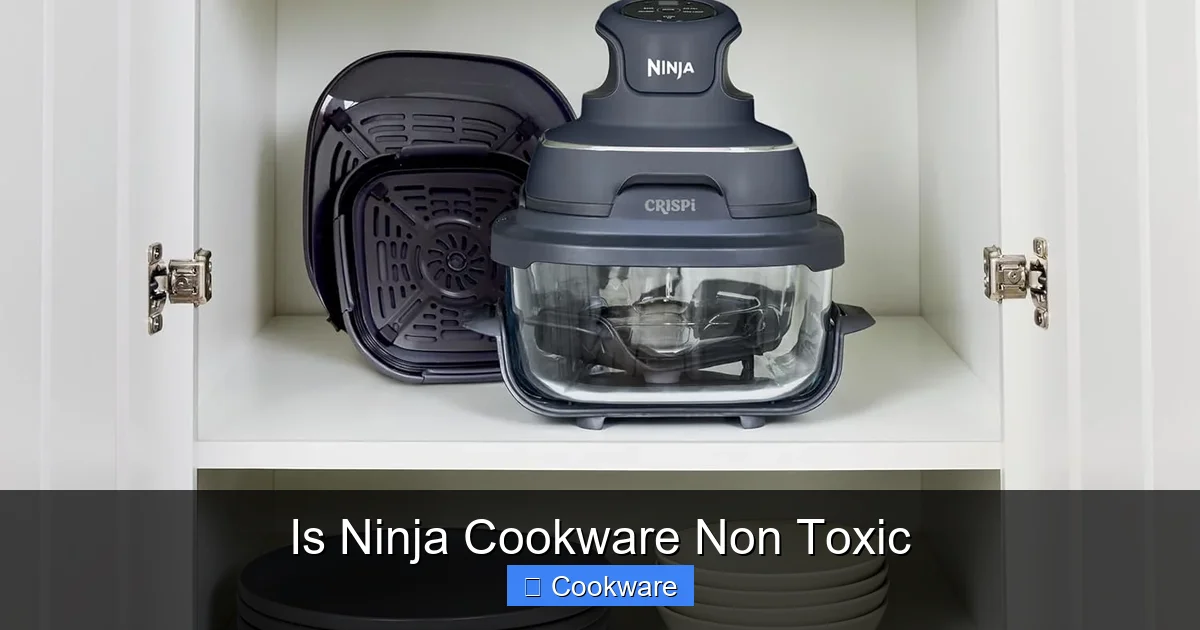
Yes, Ninja cookware is generally considered non-toxic as it is PFOA and PFAS free. Most of their lines use a ceramic-based coating or hard-anodized aluminum, which avoids the harmful chemicals found in older non-stick pans. While safe for daily use, the key to keeping them non-toxic is avoiding extreme overheating and using the right utensils.
When you are shopping for new pans, the biggest question usually isn’t about the price or the color. Instead, it is about safety. You have probably heard horror stories about “forever chemicals” leaking into your food. This leads many home cooks to ask: Is Ninja cookware non toxic?
It is a fair question. We all want to make healthy meals for our families without worrying about hidden toxins. The good news is that Ninja has designed its cookware to meet modern safety standards. But what does that actually mean in plain English? Let’s dive into the materials, the science, and the truth about how these pans work.
In this guide, we will break down exactly what goes into Ninja pans. We will look at the difference between ceramic and traditional non-stick and give you practical tips to make your cookware last for years. Whether you are a pro chef or someone who just makes grilled cheese, this info will help you cook with peace of mind.
Key Takeaways
- Chemical Free: Ninja cookware is free from PFOA and PFAS, making it a safer choice than traditional Teflon.
- Ceramic Coating: Many Ninja lines use a ceramic non-stick surface that doesn’t release toxic fumes at high heat.
- Durability: Hard-anodized aluminum provides a sturdy base that resists warping and corrosion.
- Temperature Limits: To keep the coating intact, avoid using “high” heat settings for long periods.
- Utensil Care: Use silicone or wood tools to prevent scratches that can degrade the non-toxic surface.
- Versatility: Most Ninja pans are compatible with various stovetops, including induction.
📑 Table of Contents
- Understanding the Materials: What is Ninja Cookware Made Of?
- Is the Non-Stick Coating Actually Safe?
- Practical Tips for Keeping Your Ninja Cookware Safe
- Comparing Ninja to Other Non-Toxic Alternatives
- Common Myths About Non-Toxic Cookware
- Is Ninja’s Entire Product Line Non-Toxic?
- Final Verdict: Should You Buy Ninja Cookware?
Understanding the Materials: What is Ninja Cookware Made Of?
To know if Ninja cookware non toxic, we first have to look at what is inside the pan. Most traditional non-stick pans used a chemical called PTFE (Polytetrafluoroethylene). When PTFE is heated to very high temperatures, it can release fumes that are harmful to humans and pets. This is the “toxic” part people worry about.
The Shift to Ceramic and Hard-Anodized Aluminum
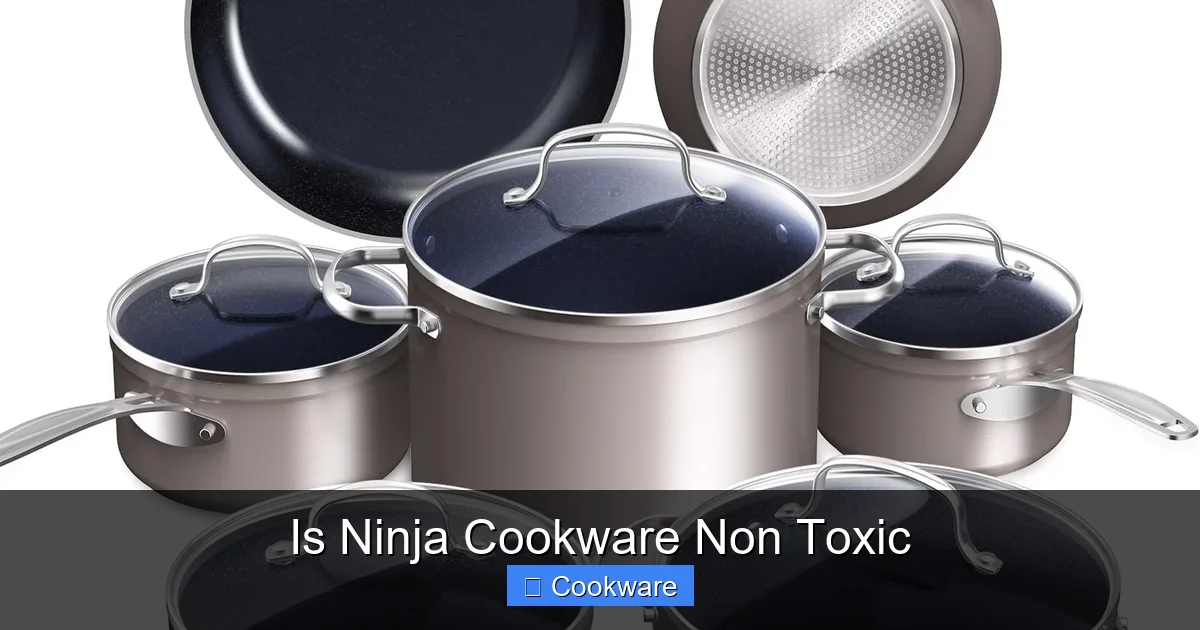
Ninja takes a different approach. Many of their popular lines use a ceramic non-stick coating. Ceramic is made from silica (basically sand), which is naturally non-toxic. Unlike old-school non-stick, ceramic doesn’t rely on the chemicals that cause those scary fumes. This makes it a favorite for health-conscious shoppers.
Additionally, Ninja often uses hard-anodized aluminum. This isn’t a coating, but a process. The aluminum is treated with an electrochemical process to make it harder and more durable. This creates a surface that is resistant to corrosion and doesn’t leach metals into your food. It provides the strength of stainless steel but with the heat conductivity of aluminum.
PFOA and PFAS Free
You will see “PFOA-free” and “PFAS-free” on almost every Ninja box. PFOA is a chemical that was used in the manufacturing of PTFE. It has been linked to various health issues and is now banned or phased out in most places. By labeling their products as PFOA and PFAS free, Ninja is telling you that they don’t use these persistent chemicals in their production process.
Is the Non-Stick Coating Actually Safe?
When people ask if Ninja cookware non toxic, they are usually worried about the “non-stick” part. For a long time, “non-stick” was synonymous with “toxic.” However, the technology has changed. Ninja’s ceramic coatings are designed to be stable. They don’t break down easily when exposed to heat.
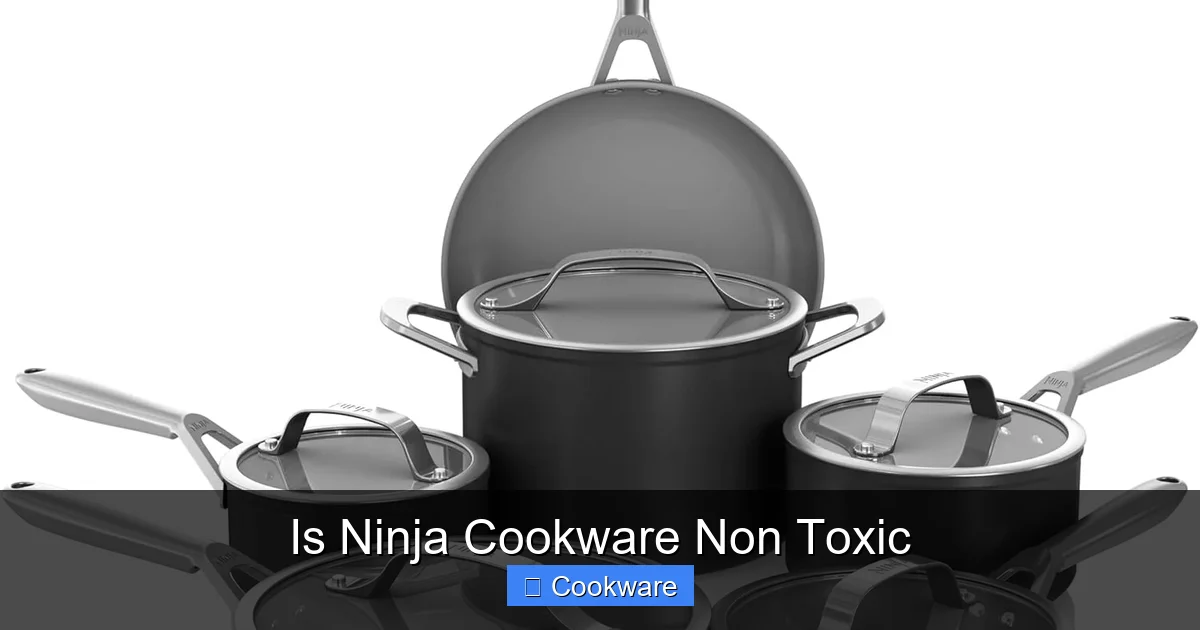
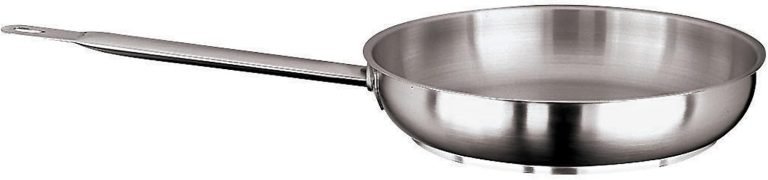
Visual guide about Is Ninja Cookware Non Toxic
Image source: m.media-amazon.com
How Ceramic Differs from Teflon
Teflon is a brand of PTFE. As mentioned, PTFE can off-gas if the pan gets too hot (usually above 500°F). Ceramic, on the other hand, is much more stable. It can handle higher temperatures before it starts to degrade. This means you are less likely to encounter toxic fumes even if you accidentally leave the burner on a bit too long.
The Role of the Base Material
The safety of a pan isn’t just about the coating; it’s about the core. Because Ninja uses high-quality aluminum and stainless steel accents, there is very little risk of heavy metals leaching into your food. If you are looking for the absolute safest options for high-heat searing, you might also explore the best stainless steel cookware for induction cooktop, as stainless steel is naturally inert and contains no coatings at all.
Practical Tips for Keeping Your Ninja Cookware Safe
Even though Ninja cookware is non-toxic, how you use it matters. No coating lasts forever. If the coating chips or peels, the pan becomes less effective and potentially less safe. Here is how to keep your pans in top shape.
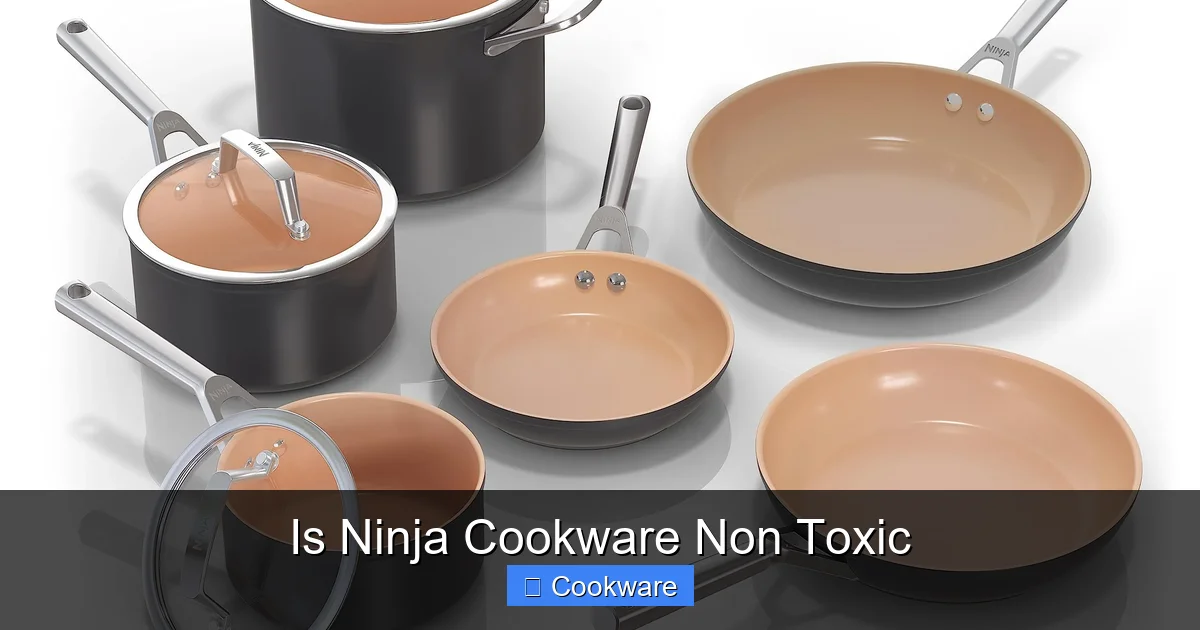
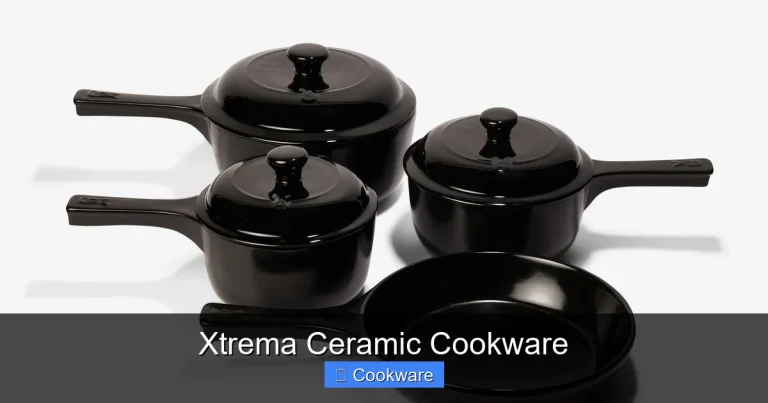
Visual guide about Is Ninja Cookware Non Toxic
Image source: m.media-amazon.com
Avoid the “High Heat” Trap
One of the biggest mistakes people make is using the “High” setting on their stove for everything. Even non-toxic coatings can be damaged by extreme heat. High heat can “burn” the non-stick surface, creating a sticky residue that is hard to remove. For most cooking, medium or medium-high is more than enough. If you need an extreme sear, consider a cast iron skillet or a stainless steel pan.
Choose Your Utensils Wisely
Metal spatulas and whisks are the enemies of non-stick pans. Metal scratches the surface, creating tiny grooves where food can get stuck and the coating can flake off. To keep your cookware non-toxic and functional, stick to these materials:
- Silicone: Heat resistant and gentle on the surface.
- Wood: The classic choice that won’t scratch.
- Plastic: Fine for low heat, but be careful they don’t melt.
Proper Cleaning Habits
While many Ninja pans are labeled as dishwasher safe, hand-washing is always the safer bet. The harsh chemicals in dishwasher detergents can eat away at the non-stick coating over time. A soft sponge and mild soap are all you need. Avoid steel wool or abrasive scrubbing pads, as these will strip the ceramic layer away.
Comparing Ninja to Other Non-Toxic Alternatives
How does Ninja stack up against other options? Let’s look at a few common alternatives to see where Ninja fits in.
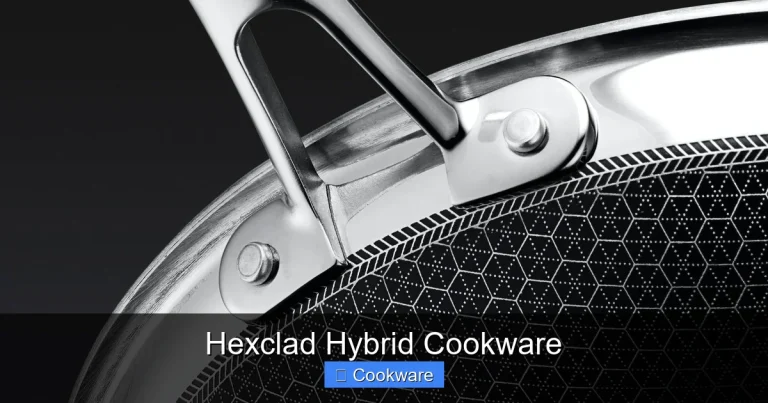
Visual guide about Is Ninja Cookware Non Toxic
Image source: m.media-amazon.com
Ninja vs. Cast Iron
Cast iron is the gold standard for non-toxic cooking. It’s just iron and oil. However, it is heavy and requires “seasoning.” Ninja is much lighter and easier to clean. While cast iron is “more” natural, Ninja is a safe, modern alternative for those who don’t want the maintenance of cast iron.
Ninja vs. Pure Stainless Steel
Stainless steel is completely non-toxic and can handle any temperature. The downside? Food sticks to it. Ninja gives you the safety of a non-toxic profile with the convenience of easy cleanup. If you struggle with eggs sticking to your pans, you might be looking for the best non stick frying pan for eggs, where Ninja often ranks highly due to its balance of safety and performance.
Ninja vs. Traditional Non-Stick
Compared to cheap, generic non-stick pans from a big-box store, Ninja is a massive upgrade. Generic pans often use cheaper chemicals and thinner coatings that peel quickly. Ninja’s hard-anodized base and ceramic options provide a more durable and safer experience.
Common Myths About Non-Toxic Cookware
There is a lot of misinformation online. Let’s clear up a few common myths regarding Ninja and non-toxic cookware.
Myth 1: “All non-stick is toxic”
This is simply not true. As we have seen, ceramic-based non-stick is a completely different chemical process than the old PTFE pans. Ninja’s use of PFOA-free materials proves that you can have a non-stick experience without the toxicity.
Myth 2: “Ceramic pans last forever”
No non-stick pan lasts forever. Even the best ceramic coatings eventually wear down. This is why following the care instructions is so important. When the pan starts to lose its non-stick properties and food sticks regardless of oil, it’s time to replace it.
Myth 3: “You can’t use oil with ceramic pans”
Actually, using a small amount of oil or butter helps protect the coating. It creates a barrier between the food and the pan, which extends the life of the non-stick surface. Just avoid using aerosol spray oils, as they can leave a gummy residue that ruins the finish.
Is Ninja’s Entire Product Line Non-Toxic?
Ninja doesn’t just make pans. They make air fryers, blenders, and ovens. If you are building a non-toxic kitchen, you might be wondering if their other appliances follow the same rules.
Air Fryers and Baskets
Ninja air fryers are very popular. Many users worry about the baskets. If you are concerned about coatings in your air fryer, you might look for the best air fryer with non toxic basket. Ninja generally uses safe, food-grade coatings, but for those who are extremely sensitive, stainless steel baskets are the ultimate non-toxic choice.
Blenders and Plastics
Ninja blenders use BPA-free plastics and stainless steel blades. BPA is a chemical often found in plastics that can interfere with hormones. By using BPA-free materials, Ninja ensures that their blenders are safe for making smoothies and soups without leaching chemicals into your drinks.
Final Verdict: Should You Buy Ninja Cookware?
So, is Ninja cookware non toxic? Yes. For the vast majority of users, Ninja provides a safe, effective, and durable cooking experience. By eliminating PFOA and PFAS, they have removed the primary toxins associated with non-stick cookware.
The “toxicity” of a pan usually comes from two things: the chemicals used to make it and the fumes it releases when overheated. Ninja solves the first problem with their material choices and solves the second by using ceramic coatings that are more heat-stable than traditional Teflon.
If you want a pan that makes cooking easy, cleans up quickly, and doesn’t put harmful chemicals into your food, Ninja is an excellent choice. Just remember to use silicone tools, avoid the “High” heat setting, and hand-wash when you can. By following these simple steps, you can enjoy your meals knowing your cookware is working for you, not against you.
Whether you are upgrading your whole kitchen or just replacing one old skillet, choosing a PFOA-free option is a smart move for your health. Ninja offers a great balance of professional performance and home-kitchen safety.
Frequently Asked Questions
Is Ninja cookware PFOA and PFAS free?
Yes, Ninja cookware is formulated to be PFOA and PFAS free. This means they do not use the harmful “forever chemicals” that were common in older generations of non-stick pans.
Can I use metal utensils with Ninja pans?
It is highly recommended that you avoid metal utensils. Metal can scratch the non-toxic coating, which shortens the life of the pan and can cause food to stick.
Do Ninja ceramic pans release fumes at high heat?
Ceramic coatings are much more stable than PTFE. While no pan should be heated empty on high for long periods, Ninja’s ceramic line does not release the toxic fumes associated with traditional non-stick pans.
Are Ninja pans dishwasher safe?
Many Ninja pans are labeled as dishwasher safe, but hand-washing is better. The harsh detergents in dishwashers can degrade the non-stick surface over time.
What is hard-anodized aluminum?
Hard-anodized aluminum is a process that makes the aluminum surface harder and more durable. It is non-toxic, resists corrosion, and provides excellent heat distribution for even cooking.
How do I know when to replace my Ninja pan?
You should replace your pan when the non-stick surface begins to peel, flake, or when food sticks consistently despite using oil. This indicates the coating has worn down.