Affordable Cookware
Finding affordable cookware doesn’t mean you’ll settle for poor performance. This guide breaks down budget‑friendly materials, top sets under $100, and care tips that extend life. Whether you’re a student, a young family, or simply looking to refresh your kitchen, you’ll learn how to choose, use, and maintain cookware that delivers great results without breaking the bank.
Key Takeaways
- Material Matters: Aluminum, stainless steel, and enameled cast iron provide excellent heat distribution at low prices.
- Budget Sets Win: 5‑piece sets under $100 often include everything you need for daily cooking.
- Heat Control: Choose pans with aluminum cores or tri‑ply construction for even heating without high energy costs.
- Care is Key: Hand washing, proper storage, and avoiding thermal shock keep inexpensive cookware performing for years.
- Myth Busting: Cheap cookware can be as durable as premium lines when you pick the right materials and brands.
- Saving Strategies: Shop sales, use coupon codes, and consider refurbished stock for the best deals.
- Compatibility: Ensure your affordable pots work with gas, induction, or electric stoves by checking the base.
📑 Table of Contents
- Why Affordable Cookware Matters
- What Makes Cookware Truly Affordable
- Top Materials for Budget‑Friendly Cooking
- Best Affordable Cookware Sets Under $100
- How to Extend the Life of Your Budget Cookware
- Common Myths About Inexpensive Cookware
- Where to Find the Best Deals on Affordable Cookware
- Conclusion
- FAQs
Why Affordable Cookware Matters
Every home cook has faced the decision of whether to splurge on high‑end pots and pans or stretch the budget. Affordable cookware is more than a cheap alternative; it’s a smart way to equip your kitchen without overspending. When you start with reliable, low‑cost pieces, you can experiment with new recipes, upgrade gradually, and still keep your grocery bill in check.
In this article, we’ll explore what makes cookware truly affordable, highlight the best budget‑friendly materials, and share practical tips for choosing, using, and caring for your new kitchen tools. By the end, you’ll have a clear roadmap to building a functional, durable cookware collection that fits any wallet.
What “Affordable” Really Means
Affordable doesn’t mean “throwaway.” It means you get good value for the price. Look for pieces that offer solid construction, reliable heat distribution, and versatility across multiple stovetops. A $30 saucepan that heats evenly, resists warping, and works on gas, electric, or induction is far more affordable than a $100 pot that fails after a few uses.
When you shop for affordable cookware, consider the following:
- Materials that conduct heat well but cost less to produce.
- Sets that include a variety of sizes without unnecessary extras.
- Brands that focus on budget‑friendly lines without cutting corners on safety.
What Makes Cookware Truly Affordable
Understanding the factors behind price helps you spot a good deal. The cost of cookware is driven by material, construction method, brand reputation, and added features like dishwasher‑safe coatings.
Visual guide about Affordable Cookware
Image source: superfoodsaustralia.com.au
Material Breakdown
Aluminum. Pure aluminum is cheap and conducts heat quickly, but it can warp under high heat. Many budget pans use a reinforced aluminum core or a thin stainless steel outer layer, giving you the benefits of aluminum at a low price point.
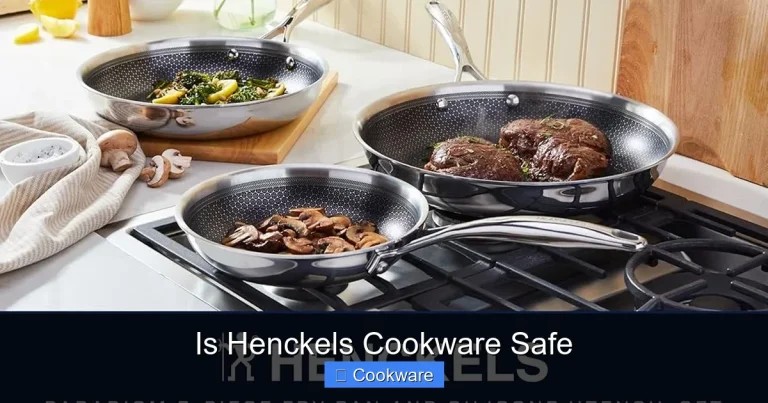
Stainless Steel. While stainless steel is more expensive than aluminum, many affordable sets use a tri‑ply construction—two layers of stainless steel with an aluminum core—offering even heating without the full cost of solid stainless.
Enameled Cast Iron. Cast iron is heavy and costly, but enameled versions can be priced affordably, especially when sold as smaller sets. The enamel prevents rust and makes cleaning easier.
Hard Anodized Aluminum. This process hardens aluminum, creating a durable surface that resists scratches. It’s a popular budget choice for fry pans and saucepans.
Each material has its own pros and cons. By matching the material to your typical cooking style, you get the most out of every dollar.
Construction Techniques
Simple construction—like a single‑layer aluminum base—keeps costs down but may lead to hot spots. Multi‑layer designs (tri‑plying, cladded) distribute heat more evenly and are often found in mid‑range budget sets. Look for terms like “rolled bottom” or “heat‑responsive base” to indicate better construction without a premium price.
Top Materials for Budget‑Friendly Cooking
When you choose the right material, you won’t notice a difference in performance between cheap and expensive cookware. Here’s a quick guide to the best materials for affordable cooking.

Visual guide about Affordable Cookware
Image source: cdn.pixabay.com
Aluminum & Aluminum‑Core Stainless
Aluminum conducts heat in seconds, making it perfect for quick searing and boiling. Modern budget pans often combine a thin stainless steel exterior with an aluminum core, giving you the look and durability of stainless with the heat speed of aluminum. If you need a pan for everyday tasks, this combo is hard to beat.
Stainless steel cookware for induction cooktops often uses this construction, proving that even specialty stoves can be paired with budget‑friendly options.
Hard Anodized Aluminum
Hard anodization creates a super‑tough surface that resists scratches, rust, and sticking. Pans made from this material are lightweight yet strong, ideal for sautéing and frying. Many budget sets include a hard‑anodized fry pan and a saucepan, giving you a versatile duo for most meals.
For a deeper dive into popular hard‑anodized sets, check out the guide on best hard anodized dishwasher safe cookware set. It highlights models that balance price and performance.
Enameled Cast Iron
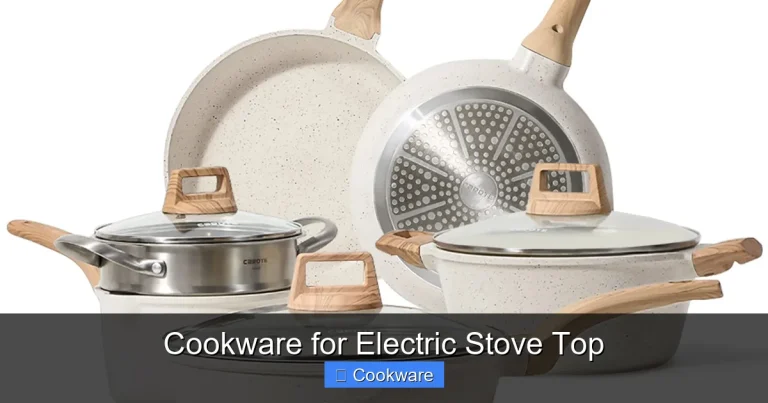
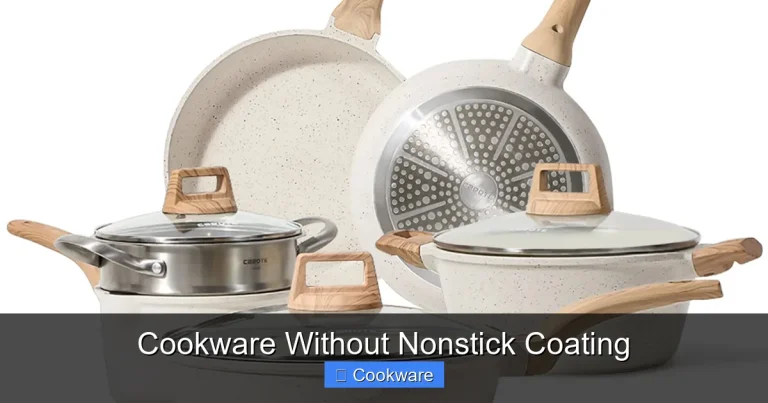
If you love the heat retention of cast iron but want something easier to clean, enameled pieces are a smart compromise. They distribute heat evenly, work on any stove, and don’t require seasoning. Small sets (3‑5 pieces) are often priced under $100, making them an affordable way to bring cast‑iron performance to your kitchen.
Mixed Materials for Versatility
Some budget collections mix materials intentionally. For example, a set might include a stainless steel pot for boiling, an aluminum fry pan for searing, and an enameled cast‑iron Dutch oven for slow cooking. This variety lets you handle most cooking tasks without buying a premium lineup.
Best Affordable Cookware Sets Under $100
Finding a set that includes everything you need without breaking the bank is possible. Below are three budget‑friendly options that consistently receive high marks for performance and durability.
Visual guide about Affordable Cookware
Image source: i.ebayimg.com
Set 1: 5‑Piece Aluminum & Stainless Combo
This set usually includes a 2‑qt saucepan, 4‑qt stockpot, 8‑in skillet, 10‑in fry pan, and a lid set. The pots feature a stainless steel exterior with an aluminum core, delivering even heating. Price typically ranges from $70‑$90, making it an excellent starter collection.
Set 2: 6‑Piece Hard Anodized Collection
Hard anodized pieces in this set are dishwasher safe, which adds to their convenience. You’ll find a 3‑qt saucepan, 6‑qt Dutch oven, 8‑in skillet, 10‑in grill pan, and two lids. The set often sells for under $95 and is praised for its non‑stick performance without expensive coatings.
For more details on hard anodized options, see the article on best 15 piece hard anodized aluminum cookware set. It showcases how a larger set can still stay budget‑friendly.
Set 3: 4‑Piece Enameled Cast Iron
This compact set includes a 2‑qt saucepan, 4‑qt sauté pot, 5‑qt Dutch oven, and a lid. The enamel coating prevents rust and makes cleaning simple. Priced around $85‑$95, it offers the durability of cast iron without the high cost of traditional seasoned pans.
How to Extend the Life of Your Budget Cookware
Even the most affordable pieces can last a decade with proper care. Follow these simple guidelines to protect your investment.
Heat Management
Use medium heat whenever possible. High heat can warp aluminum bases and cause enamel cracks. A quick way to test if a pan is overheating is to watch for smoke before the oil smokes. If you notice uneven heating, consider adding a thin rubber mat under the pan on electric stoves.
Cleaning Routine
Most budget cookware is safe for hand washing. Use warm water, mild dish soap, and a non‑abrasive sponge. For hard‑anodized pans, avoid steel wool; a soft cloth works fine. Enameled cast iron can be cleaned with a brush and hot water—just skip soap to preserve the enamel’s non‑stick surface.
Storage Tips
Store pans flat or hanging to prevent dents. Stack with a cloth barrier between pieces to avoid scratches. If you have limited space, a cookware stand can keep everything organized and protect the surfaces.
Common Myths About Inexpensive Cookware
Many home cooks assume cheap means low performance. Let’s debunk a few popular myths.
Myth 1: Cheap Cookware Can’t Handle High Heat
While some low‑cost aluminum pans can warp, modern budget sets often include reinforced bases or tri‑ply constructions that resist high heat. Always follow the manufacturer’s recommended heat settings.
Myth 2: Inexpensive Pans Stick Like Crazy
With proper pre‑heating and a thin layer of oil, most budget non‑stick surfaces perform surprisingly well. Hard‑anodized pans, in particular, develop a natural non‑stick surface over time.
Myth 3: You’ll Spend More on Repairs
Budget cookware, when cared for correctly, rarely needs replacement. The biggest expense is usually accidental drops, not wear and tear.
Where to Find the Best Deals on Affordable Cookware
Shopping smart is half the battle. Here are proven strategies to snag the best prices on affordable cookware.
Seasonal Sales
Black Friday, Back-to-College weekends, and end‑of‑season clearances often bring discounts of 30‑50% on budget sets. Set price alerts on sites like Amazon or Home Depot to catch these drops.
Bundle Discounts
Many retailers offer free shipping when you add multiple items to your cart. Look for “buy 3, get 1 free” deals on set listings. This can lower the effective price per piece.
Outlet Stores & Refurbished StockOutlet Stores & Refurbished Stock
Factory outlet locations and certified refurbished programs sell overstock or returned items at steep discounts. These pieces are often brand new, just without original packaging. Check the retailer’s “Clearance” or “Outlet” sections for deeply discounted sets.
Coupon Codes & Cashback
Before you hit “Buy Now,” search for coupon codes on sites like RetailMeNot or through the retailer’s email list. Combining a 10% off code with a 5% cashback offer can shave another $10‑$15 off a $100 set.
Compare Prices Across Platforms
Price‑comparison tools like Google Shopping or Amazon’s “Buy Used & Save” section can reveal lower prices from third‑party sellers. Always verify return policies and whether the seller offers a warranty.
Conclusion
Affordable cookware doesn’t have to be a compromise between price and performance. By understanding materials, choosing sets wisely, and caring for your pots and pans, you can build a kitchen arsenal that lasts. Remember, the best cookware is the one you actually use every day, and budget‑friendly options give you the freedom to experiment without financial stress.
Start small—pick a reliable 5‑piece set, practice the heat‑management tips, and watch your cooking confidence grow. With the right knowledge and a bit of savvy shopping, you’ll enjoy delicious meals, clean kitchens, and a wallet that stays happy too.
FAQs
Can affordable cookware work on induction stoves?
Yes, many budget‑friendly pans are induction‑compatible. Look for a magnetic base or a stamped bottom that adheres to the induction surface. Sets featuring stainless steel with an aluminum core often meet this requirement without a premium price tag.
Do cheap non‑stick pans really last?
Modern low‑cost non‑stick coatings are more durable than older versions. Proper preheating, using silicone spatulas, and hand washing extend their life significantly. Hard‑anodized pans are an even better low‑maintenance alternative.
What’s the best way to season an enameled cast‑iron pot?
Enameled cast iron doesn’t need traditional seasoning. Simply clean with hot water and a brush, then dry thoroughly. The enamel surface is naturally non‑stick and resistant to rust.
Should I buy individual pieces or a full set?
If you’re starting out, a full set under $100 often gives you a balanced collection at a lower per‑item cost. However, buying individual pieces lets you tailor the collection to your specific needs and budget.
How do I know if a pan is truly dishwasher safe?
Check the manufacturer’s label for “dishwasher safe.” Hard‑anodized and enameled pieces are usually safe, but stainless steel with wooden handles may need hand washing to protect the joints.
Are there any hidden costs with budget cookware?
Some inexpensive sets may require replacement handles or knobs after a few years. Factor in occasional part replacements when budgeting for long‑term ownership. Choosing sets with sturdy, integrated handles can minimize these costs.
Frequently Asked Questions
What is Affordable Cookware?
Affordable Cookware is an important topic with many practical applications.